| Asset | Level | Change |
|---|---|---|
| JCI | 7,097.06 | -0.94% |
| SET | 1,447.05 | +0.29% |
| KLCI | 1,712.65 | +0.10% |
| PSEi | 5,972.83 | -0.19% |
| STI | 4,898.18 | +0.21% |
| USD/IDR | 16,952.00 | +0.16% |
| USD/THB | 32.78 | -0.55% |
| USD/MYR | 4.03 | +0.86% |
| USD/PHP | 60.69 | +0.81% |
| USD/SGD | 1.29 | +0.43% |
| Brent Crude | 108.79 | -3.36% |
| Gold | 4,540.40 | +1.08% |
| Bitcoin | 66,895.34 | +1.43% |
| Indonesia 10Y Govt Yield | - | - |
| Thailand 10Y Govt Yield | - | - |
| Data | Prior | Cons | Actual |
|---|---|---|---|
| No events available | |||
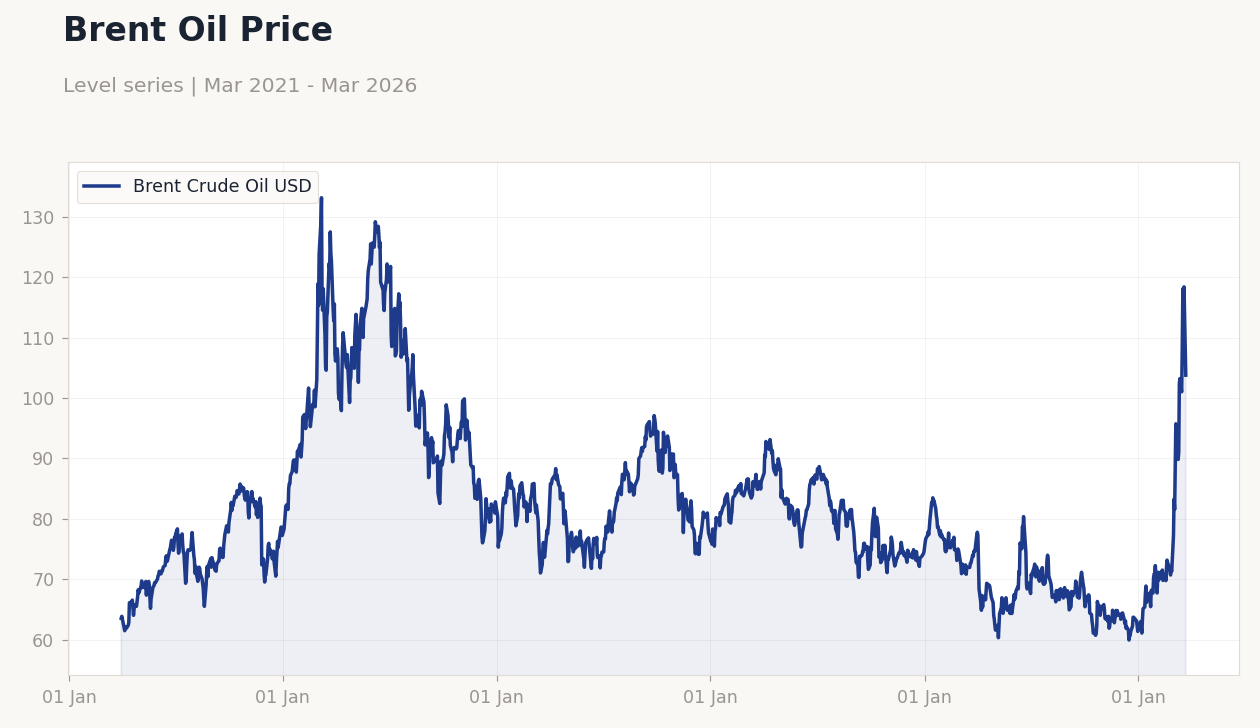
Brent Oil Price | Type: macro_line | Brent Crude Oil USD: 103.8 (2026-03-23) | Range: 59.93–133.2 | Trend(6pt): 63.52,120.8,97.1,73.19,118.4,103.8
| Data | Prior | Cons | Time |
|---|---|---|---|
| Inflation Rate Year-over-Year | 4.76 | - | 20:00 |
| Trade Balance | 960m | - | 20:00 |
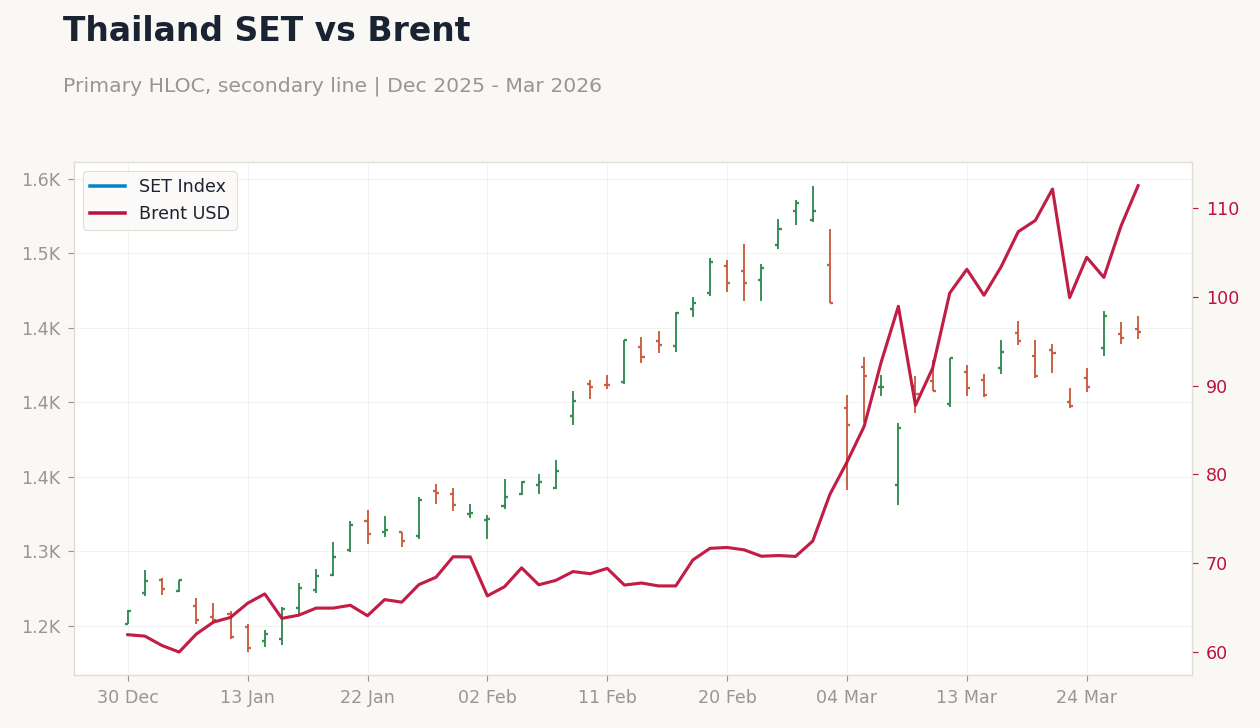
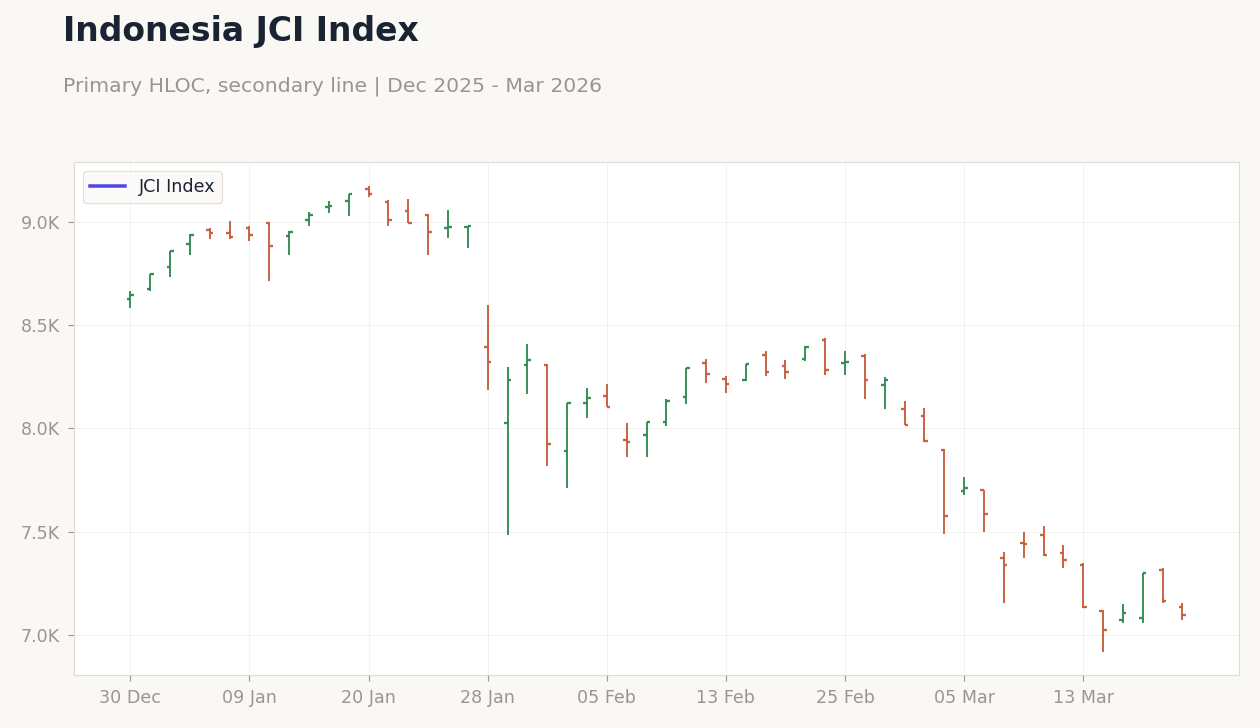
ASEAN equities closed mixed amid volatile global sentiment driven by Middle East tensions and oil price fluctuations. Indonesia's JCI fell 0.94% to 7,097.06, pressured by rupiah depreciation and geopolitical unease following the deaths of Indonesian UN peacekeepers in Lebanon, which heightened regional concerns. Thailand's SET rose 0.29% to 1,447.05, buoyed by tourism sector resilience despite fuel price hikes after subsidy reductions led to a 22% jump in domestic fuel costs.
Malaysia's KLCI edged up 0.10% to 1,712.65, supported by manufacturing stability even as the central bank warned of intensified risks from the conflict and held rates steady. The Philippines' PSEi dipped 0.19% to 5,972.83, reflecting inflation jitters and a downgraded growth forecast to 4.5% by ING due to higher oil prices eroding consumer demand. Singapore's STI gained 0.21% to 4,898.18, benefiting from its financial hub status amid safe-haven flows.
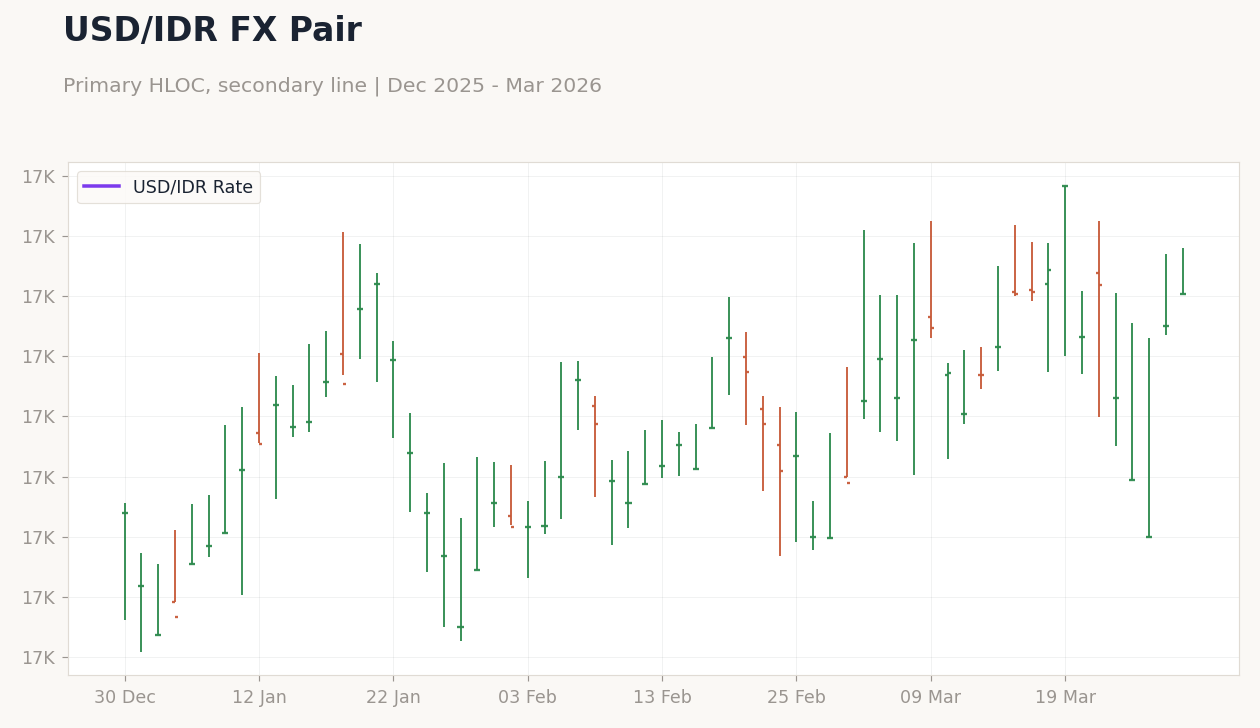
In FX markets, the USD/IDR climbed 0.16% to 16,952.00, underscoring ongoing rupiah weakness as Bank Indonesia bolstered defenses against external shocks. The USD/THB fell 0.55% to 32.78, showing baht strength possibly from export gains, while USD/MYR rose 0.86% to 4.03 amid rate hike expectations building over the next 12 months. USD/PHP increased 0.81% to 60.69, with the peso hit hard by the energy crisis and lack of subsidies, and USD/SGD advanced 0.43% to 1.29.
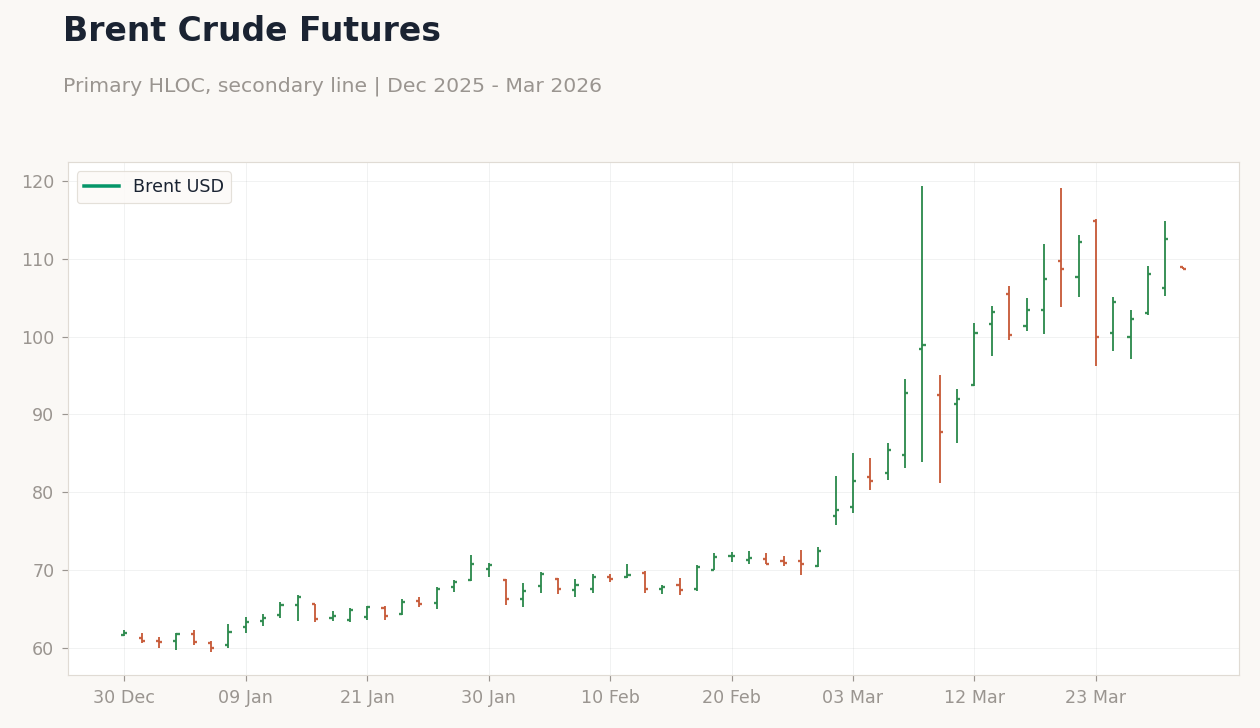
Commodities saw Brent crude drop 3.36% to 108.79 despite warnings of existential threats to Asian economies from Strait of Hormuz disruptions, which could exacerbate supply chain issues. Gold rose 1.08% to 4,540.40 as a safe haven, and Bitcoin climbed 1.43% to 66,895.34 on broader risk appetite. No major economic data releases occurred yesterday, but news highlighted Australia's reluctance to disclose Chinese boat arrivals, potentially linked to Indonesia's reports of organizing attempts, adding to migration and bilateral tensions.
Overall, the session reflected a cautious tone with focus on Indonesia and Philippines as particularly vulnerable to oil-driven pressures.
Attention turns to Indonesia's key releases at 20:00 ET, including the inflation rate year-over-year (previous: 4.76%) and trade balance (previous: 960,000,000.00), both critical for assessing Bank Indonesia's stance amid mounting rupiah pressures and oil price volatility. (cont...)
Subscribe to ASEAN Macro Daily and get each new issue delivered to your inbox.
Already a member? Visit robomacro.com to log in and manage subscriptions, or use Forgot Password to set a password.
Brent Crude Futures | Type: market_hloc | Brent USD: 108.7 (2026-03-30) | Range: 59.96–112.6 | Trend(6pt): 61.92,64.06,67.52,92.69,112.6,108.7
USD/IDR FX Pair | Type: market_hloc | USD/IDR Rate: 1.695e+04 (2026-03-30) | Range: 1.667e+04–1.704e+04 | Trend(5pt): 1.677e+04,1.69e+04,1.681e+04,1.692e+04,1.695e+04
Thailand SET vs Brent | Type: market_hloc | SET Index: 1447 (2026-03-27) | Range: 1235–1534 | Trend(5pt): 1260,1314,1430,1383,1447 | Brent USD: 108.7 (2026-03-30) | Range: 59.96–112.6 | Trend(6pt): 61.92,64.06,67.52,92.69,112.6,108.7
Indonesia JCI Index | Type: market_hloc | JCI Index: 7097 (2026-03-27) | Range: 7022–9135 | Trend(6pt): 8647,9010,8032,8017,7164,7097
These figures could influence expectations for monetary policy, especially as the central bank has signaled limited room for cuts due to escalating global risks from the Middle East conflict. No other major ASEAN events are scheduled, but markets will monitor any updates on regional fuel subsidy adjustments or supply chain impacts from the Strait of Hormuz situation. Singapore's Deputy Prime Minister noted close monitoring of the Iran situation, with potential reassessment of GDP forecasts if energy prices rise further.
In the Philippines, the government eyes a Q2 offshore bond issuance of up to $2.5 billion to bolster finances amid widening deficits from higher fuel costs. Thailand may see continued focus on fuel price controls, following recent subsidy slashes that prompted steep increases. Malaysia's central bank could provide further commentary on downside risks, while broader ASEAN watches for spillover from India's flagged slower growth and China's supplier warnings of higher prices due to stalled oil shipments.
ASEAN economies face medium-term challenges from the oil shock, with governments like Thailand and the Philippines cutting subsidies to manage fiscal strains, leading to petrol price surges and inflation risks. Business confidence in the Philippines improved in February per BSP surveys, driven by pre-conflict optimism on consumer demand, but recent events have prompted growth downgrades. Malaysia warns of intensified risks, with fixed-income markets positioning for potential rate hikes despite strong economic growth.
Indonesia is strengthening external resilience through monetary tools, while Singapore emphasizes monitoring global energy dynamics. Supply chain diversification remains key, with vulnerabilities exposed by Strait of Hormuz threats affecting Asia's oil-dependent imports. FDI competition continues, though uncertainty from Fitch's negative outlook downgrade for Indonesia could deter inflows.
Infrastructure investments are prioritized to mitigate transport and energy disruptions, as countries like Indonesia report growing boat migration attempts amid bilateral tensions with Australia.
The Middle East conflict dominates, with UN condemnations over Indonesian peacekeeper deaths in Lebanon and Israel's expanded operations against Hezbollah. Oil prices above $100 per barrel, despite yesterday's dip, pose inflation pressures for cash-strapped Asian governments, as per Fitch and other analyses. The Strait of Hormuz closure risks stalling shipments, raising costs for Chinese manufacturers and prompting India to flag slower growth and wider deficits.
US-China trade dynamics are strained by supply chain shifts, while commodity prices fluctuate amid safe-haven demand for gold. Global energy crises unfold with petrol price panic across Asia, leading to measures like school closures and fuel limits. (cont...)
Australia's handling of Chinese boat arrivals adds to regional migration concerns, potentially damaging bilateral relations with Indonesia.
Bank Indonesia held rates steady, removing references to potential cuts citing rupiah pressures and global risks from the Middle East; the committee voted to hold. Malaysia's central bank maintained its benchmark rate, warning of heightened downside risks from the conflict. No specific updates from Thailand's BOT, but fuel subsidy cuts intensify inflation watch.
The Bangko Sentral ng Pilipinas faces peso vulnerability amid energy crises, with growth forecasts cut. Singapore's MAS, using exchange rate bands as its tool, monitors the Iran situation closely for GDP impacts. Overall, ASEAN central banks prioritize inflation control and FX stability amid oil-driven uncertainties, with limited room for easing.