Andeans Macro Daily(Beta Mode)
Peru Stocks Dive, Copper Gains
Market Snapshot
| Asset | Level | Change |
|---|---|---|
| MSCI Colombia | 9.02 | +0.00% |
| MSCI Chile | 40.64 | -0.10% |
| MSCI Peru | 84.67 | -2.53% |
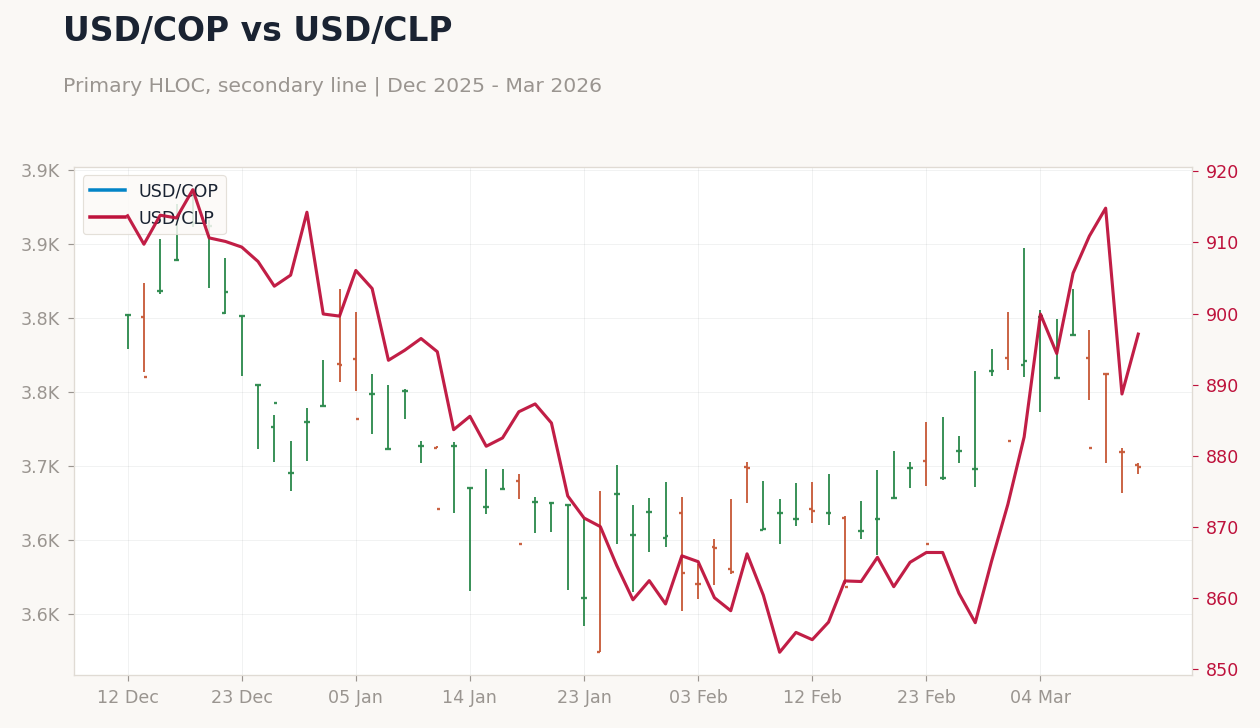
| USD/COP | 3,698.98 | -0.27% |
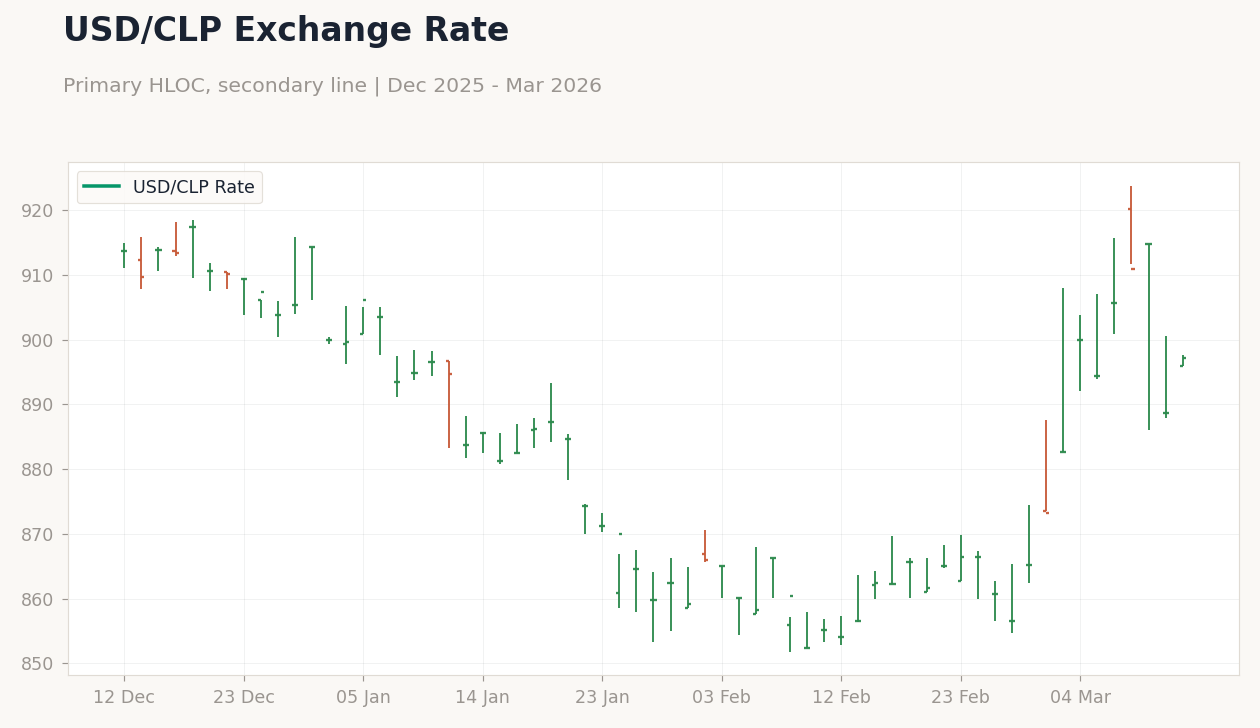
| USD/CLP | 896.61 | +0.89% |
| USD/PEN | 3.42 | -0.34% |
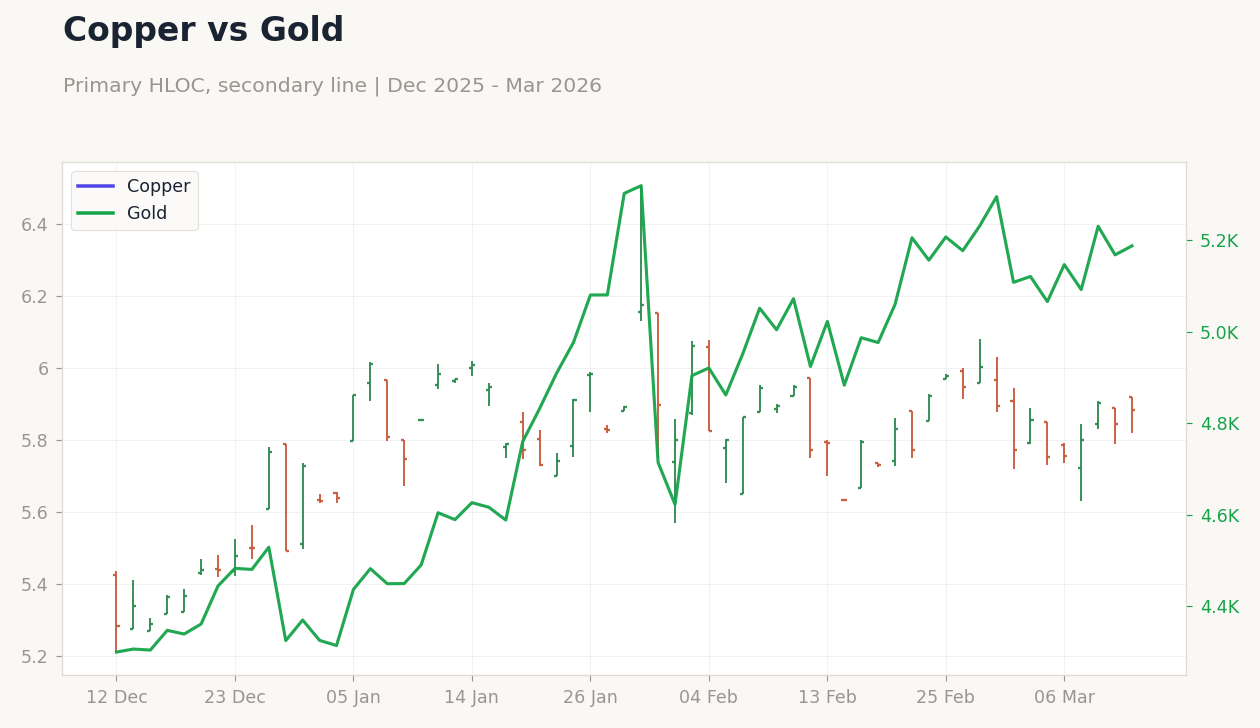
| Copper | 5.89 | +0.71% |
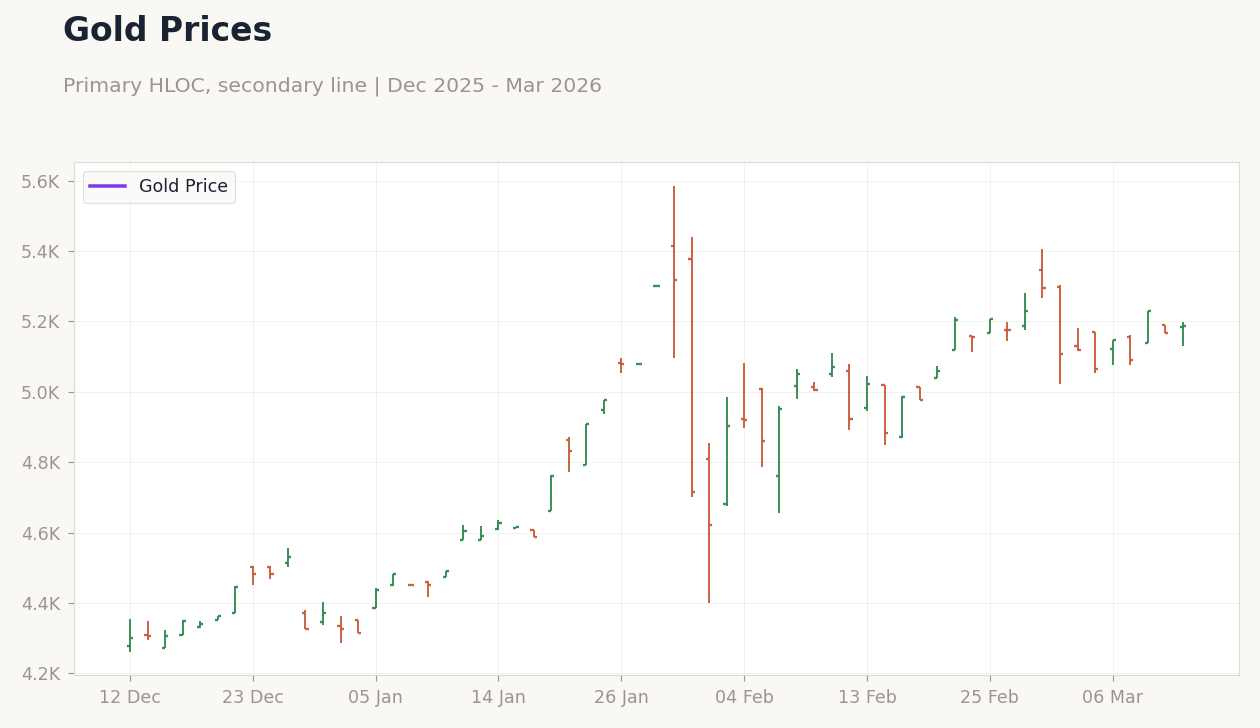
| Gold | 5,187.00 | +0.38% |
| Brent Crude | 92.97 | +1.08% |
| Bitcoin | 70,461.25 | +0.37% |
| Colombia 10Y Govt Yield | - | - |
| Chile Short-term Rate | 4.64% | -2.32% |
Prior Economic Events
| Data | Prior | Cons | Actual |
|---|---|---|---|
| No events available | |||
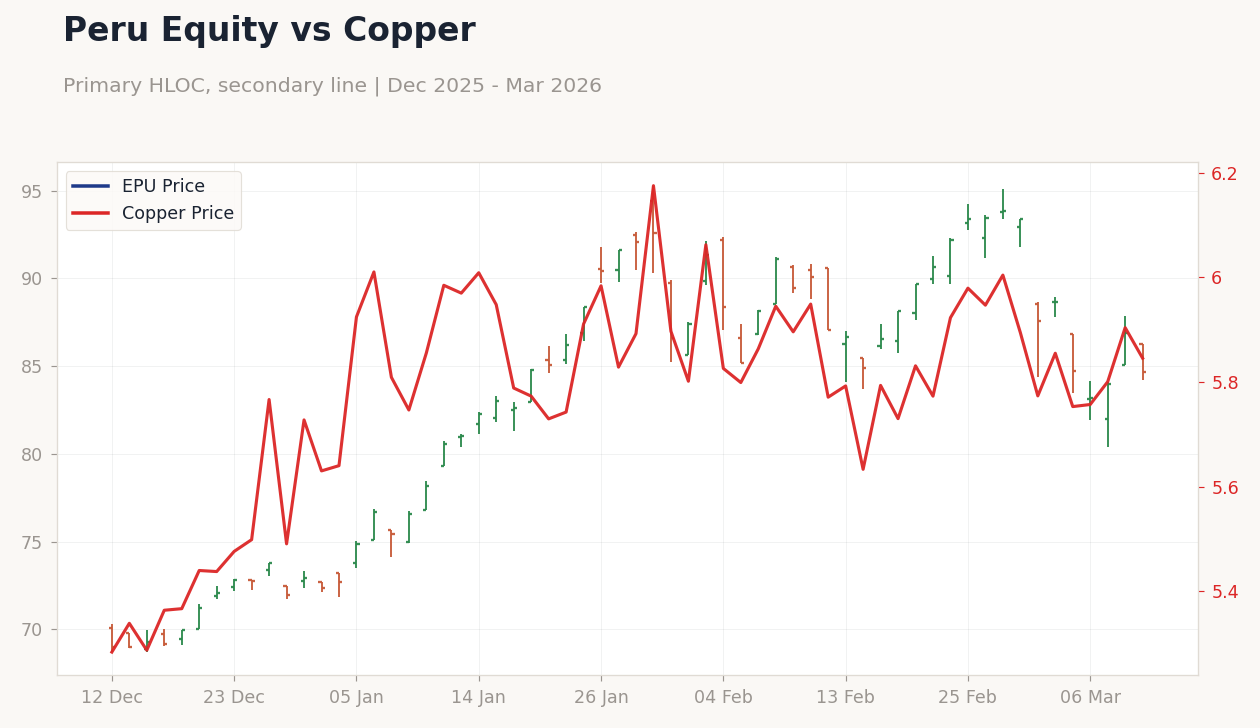 Peru Equity vs Copper | Type: market_hloc | EPU Price: 84.67 (2026-03-11) | Range: 68.97–93.84 | Trend(5pt): 69.02,76.71,92.07,88.13,84.67 | Copper Price: 5.883 (2026-03-12) | Range: 5.284–6.175 | Trend(5pt): 5.284,6.01,5.892,5.73,5.883
Today's Economic Events
| Data | Prior | Cons | Time |
|---|---|---|---|
| No events available | |||
- Peruvian equities slumped amid global risk-off, while copper prices rose modestly.
- Chilean peso weakened on commodity volatility; Colombian assets held steady.
- Broader Latin American geopolitics spotlighted U.S.-China rivalry in region.
Yesterday's Recap
Andean markets displayed mixed performances on March 11, with Peru facing the sharpest declines amid broader emerging market pressures. The MSCI Peru index fell 2.53% to 84.67, driven by mining sector woes despite a 0.38% uptick in gold prices to 5,187.00, as investors fretted over potential strikes and export disruptions. In Chile, the MSCI Chile index dipped 0.10% to 40.64, pressured by a 0.89% weakening of the CLP to 896.61 against the USD, though copper prices advanced 0.71% to 5.89, offering some offset from export gains.
Colombian assets showed resilience, with the MSCI Colombia index unchanged at 9.02 and the COP strengthening 0.27% to 3,698.98 versus the USD, buoyed by a 1.08% rise in Brent crude to 92.97. The PEN also firmed 0.34% to 3.42 against the greenback, reflecting Peru's relative FX stability despite equity losses. Overall, commodity dynamics dominated, with oil supporting Colombia while metals volatility hit Chile and Peru harder.
Bitcoin's 0.37% gain to 70,461.25 had minimal regional impact, though Chile's short-term rate dropped 2.32% to 4.64%, signaling easing liquidity conditions.
The Day Ahead
The Andean calendar remains light on March 12, with no major data releases or events scheduled across Colombia, Chile, or Peru, allowing markets to digest recent commodity shifts and global cues. Investors will monitor any spillover from U.S. economic indicators, which could influence dollar strength and thus Andean FX pairs like USD/CLP.
In Chile, attention may turn to lithium sector updates, given its emerging role in exports amid global EV demand. Peru could see focus on mining policy developments, potentially affecting gold and copper trades. Colombia's oil-dependent economy might track Brent movements closely in the absence of local data.
Overall, a quiet day positions Andean assets for external-driven volatility.
Other Economic Notes
Andean economies continue to grapple with commodity price fluctuations, where Chile and Peru's reliance on copper and gold exposes them to global demand swings, particularly from China. Colombia's fiscal balances benefit from elevated oil prices, but persistent inflation challenges BanRep's policy space. Political risks, including regional summits, could amplify FX and sovereign spread movements across the bloc.