Argentina Macro Daily(Beta Mode)
Merval Drops as Fiscal Reforms Loom
Market Snapshot
| Asset | Level | Change |
|---|---|---|
| MERVAL | 2,642,106.00 | -4.08% |
| USD/ARS | 1,396.00 | -0.89% |
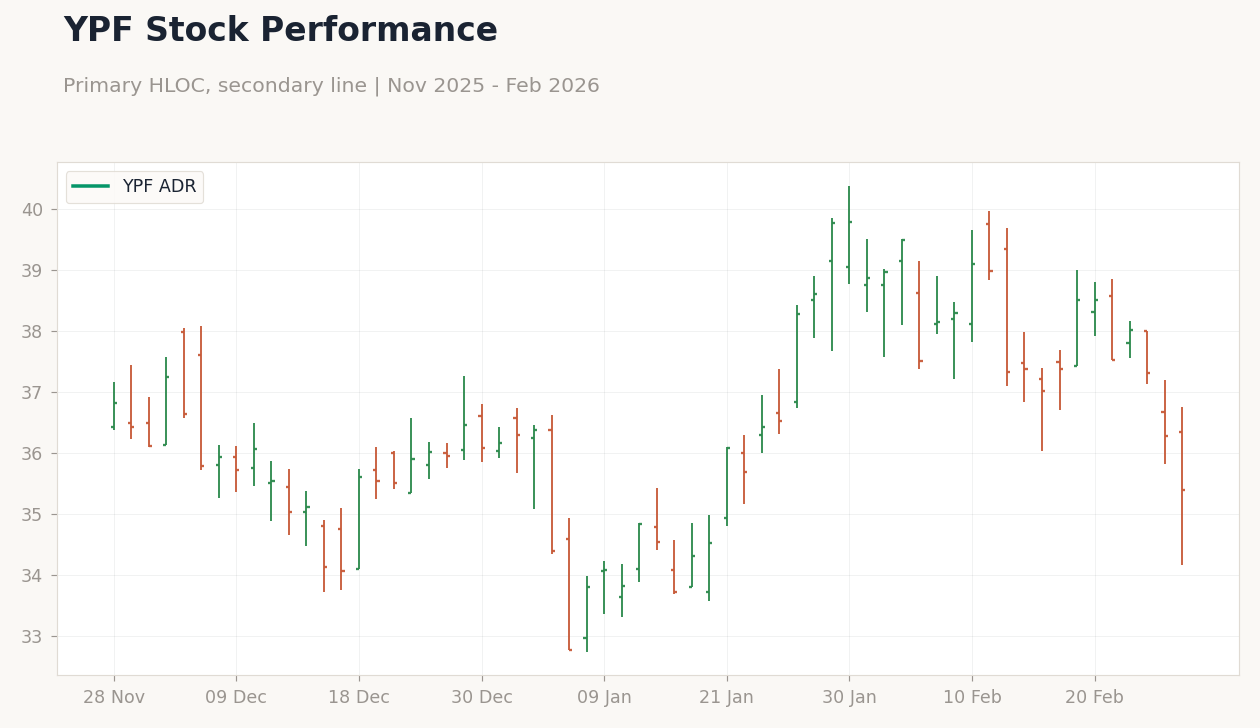
| YPF | 35.39 | -2.45% |
| MercadoLibre | 1,757.58 | +0.96% |
| Globant | 49.76 | +6.17% |
| Soybeans | 1,173.25 | +1.38% |
| Gold | 5,407.50 | +3.38% |
| Bitcoin | 66,297.27 | +0.85% |
Prior Economic Events
| Data | Prior | Cons | Actual |
|---|---|---|---|
| No events available | |||

Today's Economic Events
| Data | Prior | Cons | Time |
|---|---|---|---|
| No events available | |||
- Merval index fell 4.08% to 2,642,106.00 amid fiscal concerns and commodity volatility.
- USD/ARS declined 0.89% to 1,396.00, reflecting BCRA stabilization efforts.
- Mixed stocks: YPF down 2.45%, MercadoLibre up 0.96%, Globant rises 6.17%; soybeans gain 1.38%.
Yesterday's Recap
Argentine markets saw notable declines on March 1, with the Merval index closing at 2,642,106.00 after a 4.08% drop, influenced by investor worries over fiscal reforms and global commodity shifts. The official USD/ARS rate decreased 0.89% to 1,396.00, indicating BCRA interventions to support peso stability. YPF shares fell 2.45% to 35.39, affected by oil market fluctuations despite positive Vaca Muerta outlooks.
Conversely, MercadoLibre increased 0.96% to 1,757.58, driven by e-commerce strength, and Globant advanced 6.17% to 49.76 amid tech sector momentum. Soybean prices climbed 1.38% to 1,173.25, aiding agro-export prospects vital for trade balances. Gold surged 3.38% to 5,407.50, providing a hedge against inflation, while Bitcoin rose 0.85% to 66,297.27, appealing in high-inflation settings.
No significant data releases happened, but markets responded to reports of President Milei's labor law overhaul, which proponents say will boost jobs but critics claim will erode worker rights like severance pay. These developments slightly narrowed the parallel blue dollar gap, suggesting guarded optimism on IMF compliance.
The Day Ahead
March 2 features no planned economic data or events, giving markets time to process recent volatility and labor reform news. Traders will watch for BCRA updates on reserves or crawling peg tweaks, especially after the peso's dip. Focus may turn to Vaca Muerta energy progress, as investments could lift oil stocks like YPF.
Milei administration signals on fiscal policy or IMF discussions will be crucial. Absent key drivers, volumes might remain low, with eyes on global commodities affecting exports. Expect subdued trading unless unexpected policy moves emerge.
Other Economic Notes
Milei's labor reform proposal seeks to enhance employment by reducing severance costs and allowing longer hours, aligning with deregulation to spur growth. Critics highlight risks of greater exploitation and diminished rights. This fits broader efforts, including Vaca Muerta shale expansions drawing foreign capital to boost energy exports and fiscal health under IMF terms.
Recent industrial production rose 1.8% YoY in January, signaling potential recovery.