Argentina Macro Daily(Beta Mode)
Merval Gains, Peso Strengthens
Market Snapshot
| Asset | Level | Change |
|---|---|---|
| MERVAL | 2,700,255.00 | +2.56% |
| USD/ARS | 1,399.00 | -1.18% |
| YPF | 36.68 | -0.27% |
| MercadoLibre | 1,742.09 | -1.55% |
| Globant | 48.43 | -3.97% |
| Soybeans | 1,209.75 | +1.90% |
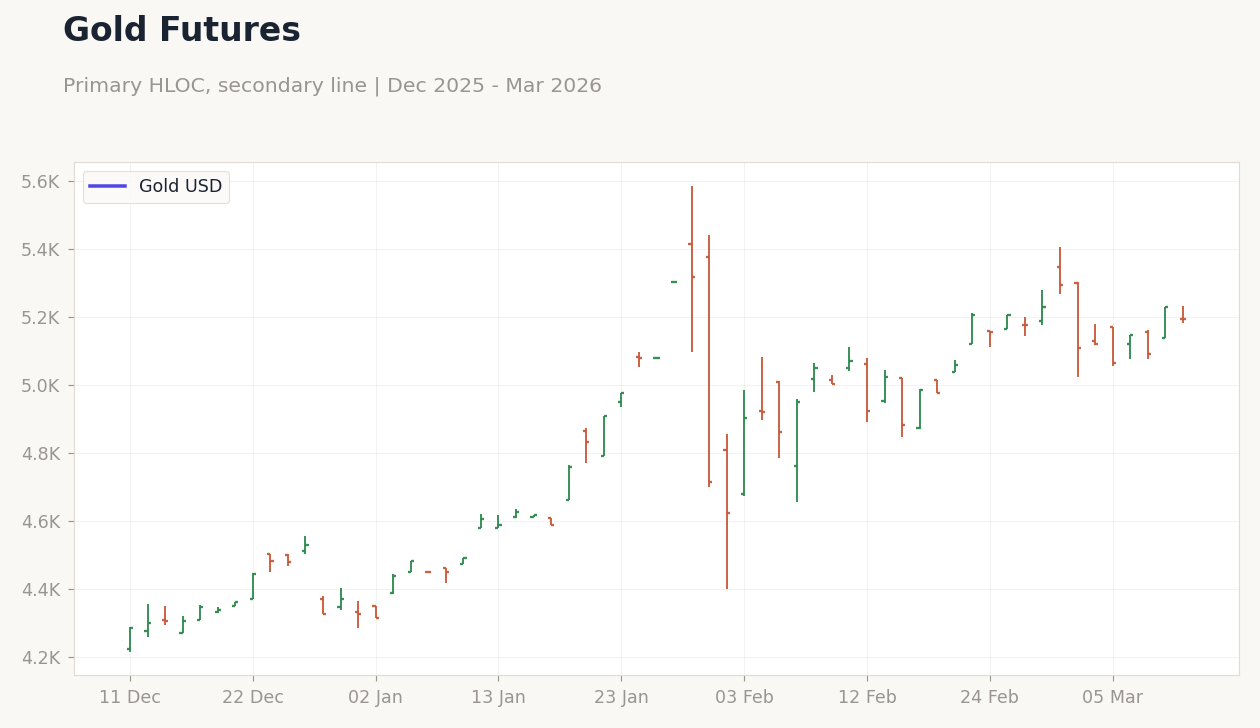
| Gold | 5,194.20 | -0.68% |
| Bitcoin | 69,574.55 | -0.50% |
Prior Economic Events
| Data | Prior | Cons | Actual |
|---|---|---|---|
| No events available | |||
 Argentina Reserves ex Gold | Type: macro_line | Reserves USD mn: 52.97 (2026-01-01) | Range: -53.91–53.02 | Trend(6pt): -8.678,0.814,-27.92,23.89,32.6,52.97
Today's Economic Events
| Data | Prior | Cons | Time |
|---|---|---|---|
| No events available | |||
- Merval index advanced 2.56% to 2,700,255, boosted by energy sector optimism linked to oil price trends.
- USD/ARS official rate dropped 1.18% to 1,399, reflecting peso appreciation amid reserve improvements.
- Stocks varied: YPF slipped 0.27%, MercadoLibre fell 1.55%, Globant declined 3.97%; soybeans rose 1.90%.
Yesterday's Recap
Argentine markets ended higher on March 10, with the Merval index up 2.56% at 2,700,255, supported by energy and commodity stocks as oil trends lifted sentiment. The USD/ARS official rate decreased 1.18% to 1,399, indicating peso firmness backed by central bank actions and tighter parallel spreads. YPF shares dipped 0.27% to 36.68, countering broader energy gains, while MercadoLibre declined 1.55% to 1,742.09 amid tech sector adjustments.
Globant fell 3.97% to 48.43, affected by international market volatility. Soybeans increased 1.90% to 1,209.75, enhancing export outlooks. Gold decreased 0.68% to 5,194.20, and Bitcoin slipped 0.50% to 69,574.55, showing tempered risk appetite.
No significant data releases were reported, with focus on fiscal progress and global commodity shifts.
The Day Ahead
March 11 has no scheduled economic events or data releases for Argentina, per available calendars. Markets may monitor for any BCRA announcements on reserves or exchange rate policies. Attention could shift to government comments on IMF talks or fiscal measures.
Global commodity prices, especially in energy and agriculture, may influence sentiment. Trading is expected to be light without key catalysts, though unscheduled updates on capital controls or reforms could emerge.
Other Economic Notes
Argentina's economy faces persistent inflation challenges, but fiscal austerity has helped stabilize prices and support the peso. Vaca Muerta shale activity is expanding, attracting investment and bolstering energy exports to cut import needs. Adherence to IMF targets is key for market trust, affecting debt talks and reserve goals.
Global Macro News
Global markets displayed caution with U.S. yield movements pressuring emerging bonds, including Argentina's. Oil price rises aided energy firms, with geopolitical factors benefiting Vaca Muerta.
Soybean futures climbed on robust demand from Asia, supporting Argentina's trade surplus. (cont...)