Argentina Macro Daily(Beta Mode)
MERVAL Dips as Retail Brands Expand
Market Snapshot
| Asset | Level | Change |
|---|---|---|
| MERVAL | 2,725,326.25 | -1.57% |
| USD/ARS | 1,390.50 | -0.32% |
| YPF | 41.92 | +0.79% |
| MercadoLibre | 1,635.76 | -1.87% |
| Globant | 44.71 | -0.73% |
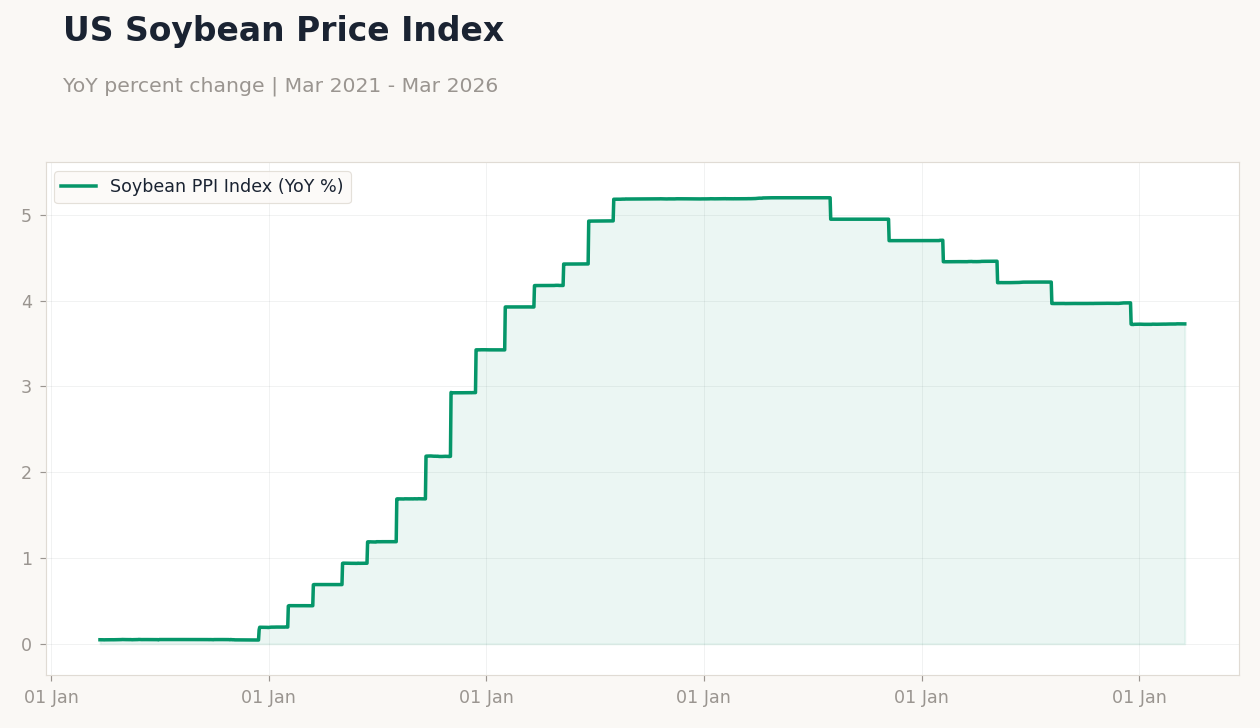
| Soybeans | 1,169.75 | +0.73% |
| Gold | 4,234.20 | -7.36% |
| Bitcoin | 68,323.02 | +0.70% |
Prior Economic Events
| Data | Prior | Cons | Actual |
|---|---|---|---|
| No events available | |||
 Brent Crude Oil Prices | Type: macro_line | Brent USD/Barrel: 101 (2026-03-16) | Range: 59.93–133.2 | Trend(6pt): 63.7,115.5,94.56,74.89,103.2,101
Today's Economic Events
| Data | Prior | Cons | Time |
|---|---|---|---|
| No events available | |||
- MERVAL dropped 1.57% amid global risk-off, USD/ARS eased 0.32% on steady dynamics.
- International brands like Mango and Decathlon advance in Argentina, boosting retail.
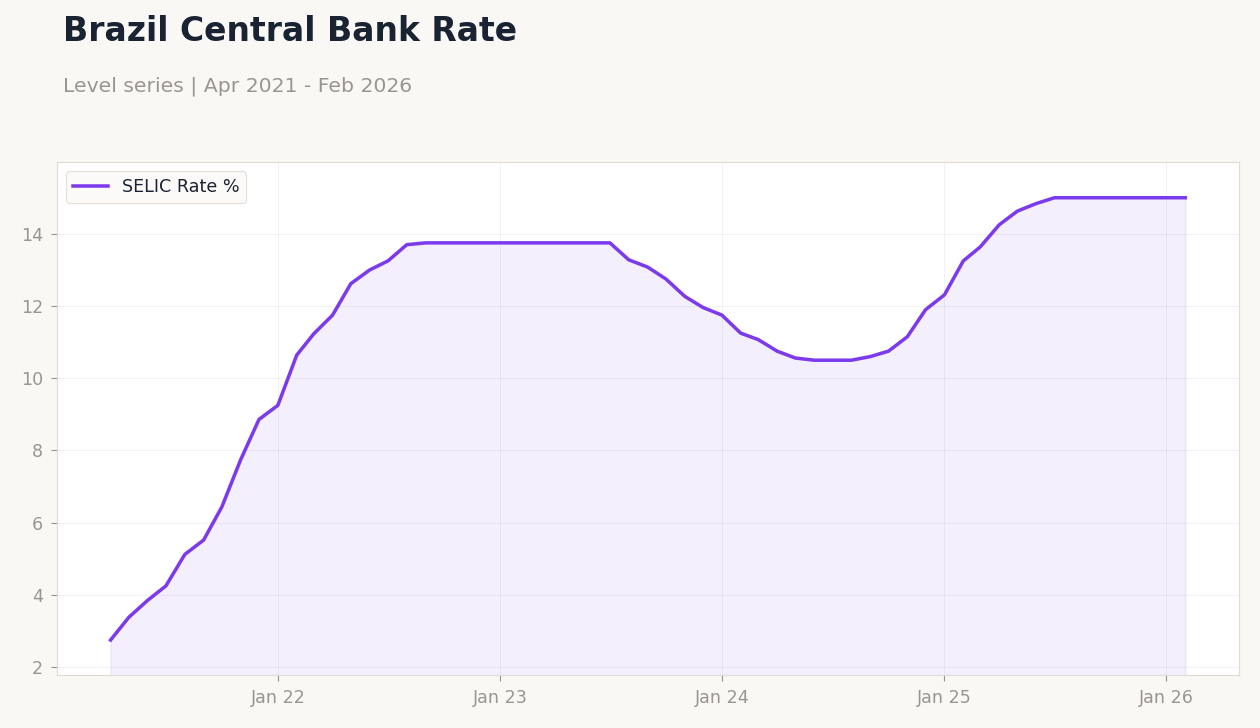
- Iran conflict fuels EM inflation fears, pressuring Brazil and regional economies.
Yesterday's Recap
Argentine markets ended mixed, with the MERVAL index falling 1.57% to 2,725,326.25, reflecting profit-taking and broader equity weakness. The USD/ARS official rate declined 0.32% to 1,390.50, indicating controlled foreign exchange conditions with minimal intervention. YPF shares rose 0.79% to 41.92, supported by general energy sector optimism, while MercadoLibre fell 1.87% to 1,635.76, mirroring U.S.
tech declines. Globant decreased 0.73% to 44.71 amid IT sector caution. Soybean prices increased 0.73% to 1,169.75, aiding export outlooks, but gold dropped 7.36% to 4,234.20 as safe-haven demand unwound.
Bitcoin gained 0.70% to 68,323.02, showing crypto resilience. No significant data releases took place, maintaining focus on market stability and parallel rate trends.
The Day Ahead
Expect a subdued trading day with no Argentine economic events or data on the calendar. Traders will monitor potential informal signals from the BCRA on reserve strategies amid ongoing global tensions. Soybean export activity could provide insights into foreign exchange inflows, influencing peso dynamics.
Volatility from the Iran conflict may affect MERVAL performance and bond spreads. The Milei administration could offer updates on economic priorities through social channels, potentially swaying investor sentiment.
Other Economic Notes
International retail brands such as Mango, Miniso, and Decathlon are expanding in Argentina, driven by market openings and the return of foreign retail, while Chinese brands strengthen in the auto sector. However, surveys show worsening social mood, with many Argentines urging the government to prioritize social welfare over fiscal balance under Milei's policies. Economic growth strategies from countries like Chile, Poland, India, Germany, and Argentina emphasize diverse approaches, including energy and tech.
A study on ancient DNA highlights historical farming adoption by local hunter-gatherers in Argentina's Uspallata Valley, reflecting long-term societal shifts toward new economic practices.