Argentina Macro Daily(Beta Mode)
Merval Falls, Peso Weakens
Market Snapshot
| Asset | Level | Change |
|---|---|---|
| MERVAL | 2,767,137.00 | -2.32% |
| USD/ARS | 1,401.50 | +0.63% |
| YPF | 44.43 | +2.42% |
| MercadoLibre | 1,813.53 | -1.97% |
| Globant | 40.18 | -1.08% |
| Soybeans | 1,217.75 | +0.85% |
| Gold | 4,568.00 | +1.07% |
| Bitcoin | 80,718.22 | +1.12% |
Prior Economic Events
| Data | Prior | Cons | Actual |
|---|---|---|---|
| No events available | |||
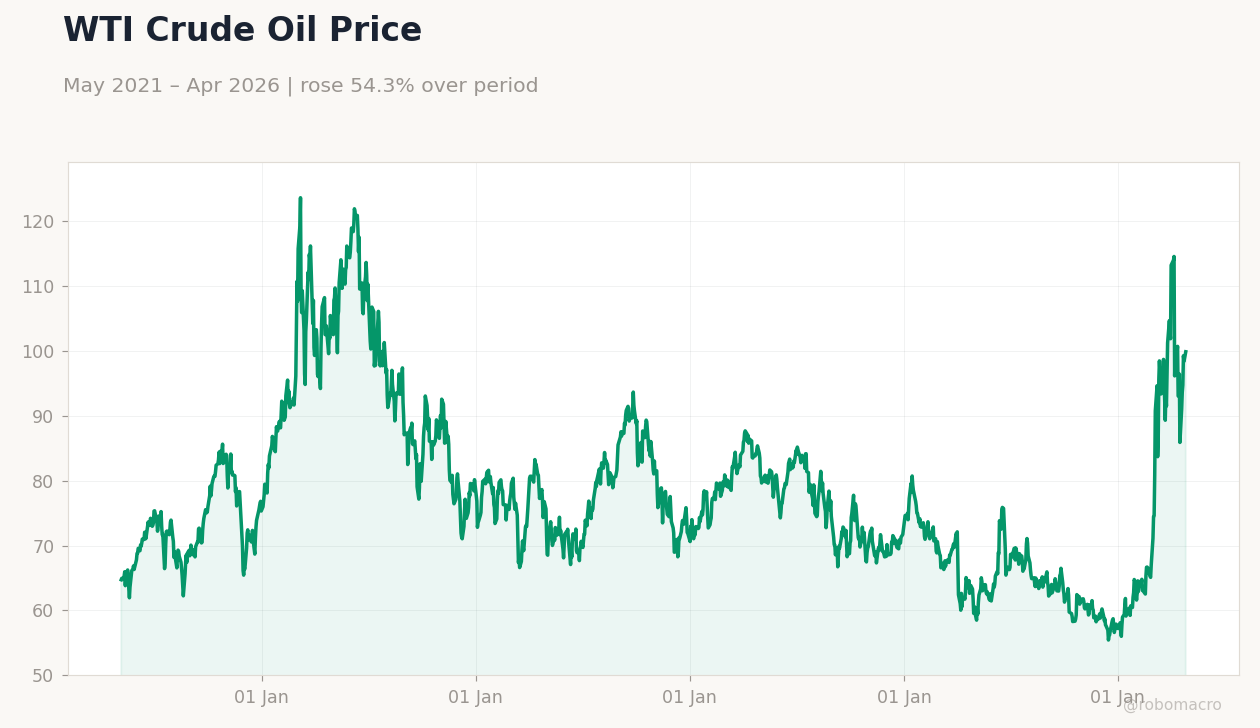
 Brent Crude Oil Price | Type: macro_line | USD per Barrel: 113.9 (2026-04-27) | Range: 59.93–138.2 | Trend(6pt): 68.62,106.1,90.73,77.3,111.9,113.9
Today's Economic Events
| Data | Prior | Cons | Time |
|---|---|---|---|
| No events available | |||
- Merval index declined 2.32% to 2,767,137 amid global risk aversion and domestic uncertainties.
- USD/ARS rose 0.63% to 1,401.50, highlighting ongoing currency pressures.
- YPF bucked the trend with a 2.42% gain to 44.43, supported by commodity price increases.
Yesterday's Recap
Argentine markets encountered downward pressure as the Merval index dropped 2.32% to 2,767,137, influenced by emerging market selloffs and fiscal concerns. The USD/ARS official rate increased 0.63% to 1,401.50, reflecting persistent inflation expectations and exchange rate adjustments. YPF advanced 2.42% to 44.43, aided by soybean prices rising 0.85% to 1,217.75 and broader commodity strength.
MercadoLibre fell 1.97% to 1,813.53 amid tech sector volatility, while Globant decreased 1.08% to 40.18. Gold rose 1.07% to 4,568, providing haven demand, and Bitcoin gained 1.12% to 80,718.22. No significant economic data was released, contributing to subdued trading volumes and a lack of fresh drivers.
Overall, the session reflected external global tensions impacting local assets.
The Day Ahead
With no scheduled economic events or data releases on the calendar, attention shifts to BCRA reserve dynamics and potential unscheduled policy updates. Markets may monitor developments in fiscal reforms or energy sector news, which could affect sentiment in equities and FX. Global commodity trends and geopolitical headlines are likely to influence intraday movements in the Merval and peso.
Traders will watch for any administration statements on inflation or external shocks, potentially driving volatility in parallel rates.
Other Economic Notes
Global inflation pressures pose risks to Argentina's fiscal efforts, as rising import costs could strain budgets. Energy sector developments, including commodity rebounds, support export revenues and reserve building. Labor and social policies remain key, with potential reforms aiming to boost growth but requiring careful handling to avoid unrest.
These elements underscore Argentina's vulnerability to worldwide economic shifts.
Global Macro News
IMF chief warnings of higher inflation if Middle East conflicts extend into 2027 heighten Argentina's exposure to energy price spikes and debt costs. (cont...)