Brazil Macro Daily(Beta Mode)
Bovespa Edges Up, Real Weakens
Market Snapshot
| Asset | Level | Change |
|---|---|---|
| Bovespa | 196,132.00 | +0.20% |
| USD/BRL | 4.96 | +0.25% |
| EUR/BRL | 5.85 | +0.29% |
| Vale | 17.45 | -2.08% |
| Petrobras | 21.15 | +1.88% |
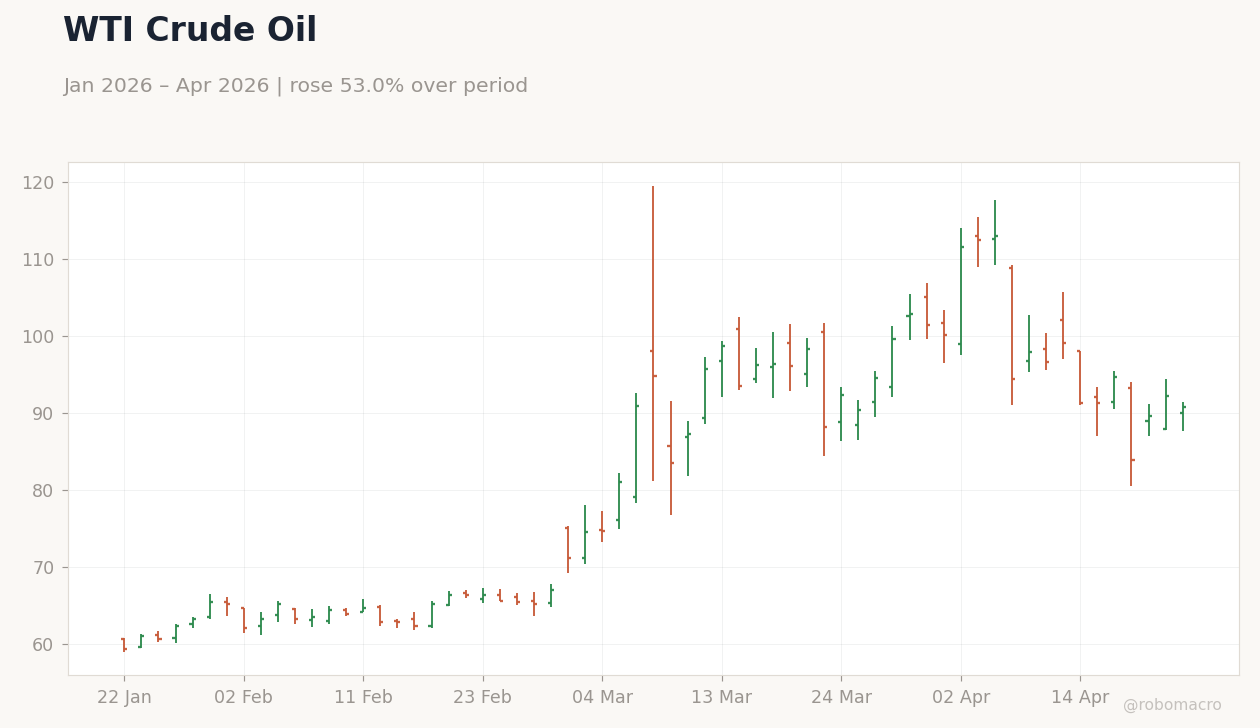
| WTI Crude | 90.84 | -1.40% |
| Gold | 4,776.10 | +1.65% |
| Bitcoin | 78,012.94 | +2.17% |
| Brazil Short-term Rate | 14.90% | -0.67% |
| Brazil Long-term Rate | - | - |
Prior Economic Events
| Data | Prior | Cons | Actual |
|---|---|---|---|
| No events available | |||
 Brazil Short-Term Rate | Type: macro_line | Short Rate %: 14.9 (2026-03-01) | Range: 3.38–15 | Trend(6pt): 3.38,13.25,13.08,11.15,15,14.9
Today's Economic Events
| Data | Prior | Cons | Time |
|---|---|---|---|
| No events available | |||
- Bovespa rose modestly amid mixed commodity moves, with Petrobras gaining on oil stability.
- USD/BRL climbed as global risk sentiment pressured emerging currencies.
- Broader news highlighted Brazil's digital transformation and geopolitical positioning.
Yesterday's Recap
Brazilian markets showed resilience on April 21, with the Bovespa index closing at 196,132.00 after a 0.20% gain, driven by energy sector strength. Petrobras shares advanced 1.88% to 21.15, buoyed by steady crude prices despite WTI's 1.40% drop to 90.84. Vale declined 2.08% to 17.45 on iron ore demand concerns from China.
The USD/BRL pair rose 0.25% to 4.96, reflecting broader dollar strength, while EUR/BRL increased 0.29% to 5.85. Brazil's short-term rate eased 0.67% to 14.90%, signaling some market calm. Gold surged 1.65% to 4,776.10 as a safe haven, and Bitcoin climbed 2.17% to 78,012.94.
No major data releases occurred, keeping focus on equity and FX volatility.
The Day Ahead
April 22 features no scheduled economic releases, allowing markets to digest recent news flows. Attention turns to potential follow-ups from President Lula's Portugal visit, emphasizing Brazilian firms' European expansion. Broader sentiment may hinge on global commodity trends, with iron ore and oil exports critical for Brazil.
Investors eye any updates on digital transformation initiatives, as highlighted in recent reports. Quiet calendar could amplify reactions to international developments, such as U.S. currency moves.
Petrobras ADRs, which rose in NY yesterday, may influence local trading.
Other Economic Notes
Brazil's economy benefits from enhanced connectivity driving digital transformation, positioning it as a hub for innovation in Latin America. Geopolitical escalations could create 'win-win' opportunities for foreign investment, with analysts noting gains from Middle East tensions or normalization. Fiscal sustainability remains key, tied to commodity exports like soybeans and iron ore amid global demand fluctuations.
Global Macro News
Global risk-off tones pressured emerging markets, with USD strength impacting BRL amid eurozone sentiment woes that sank EUR/USD to 1.1750. (cont...)