Emerging Europe Macro Daily(Beta Mode)
Turkey Data Softens, NBP Cuts Rates
Market Snapshot
| Asset | Level | Change |
|---|---|---|
| BIST 100 | 12,943.19 | +0.08% |
| iShares Poland | 35.53 | -4.77% |
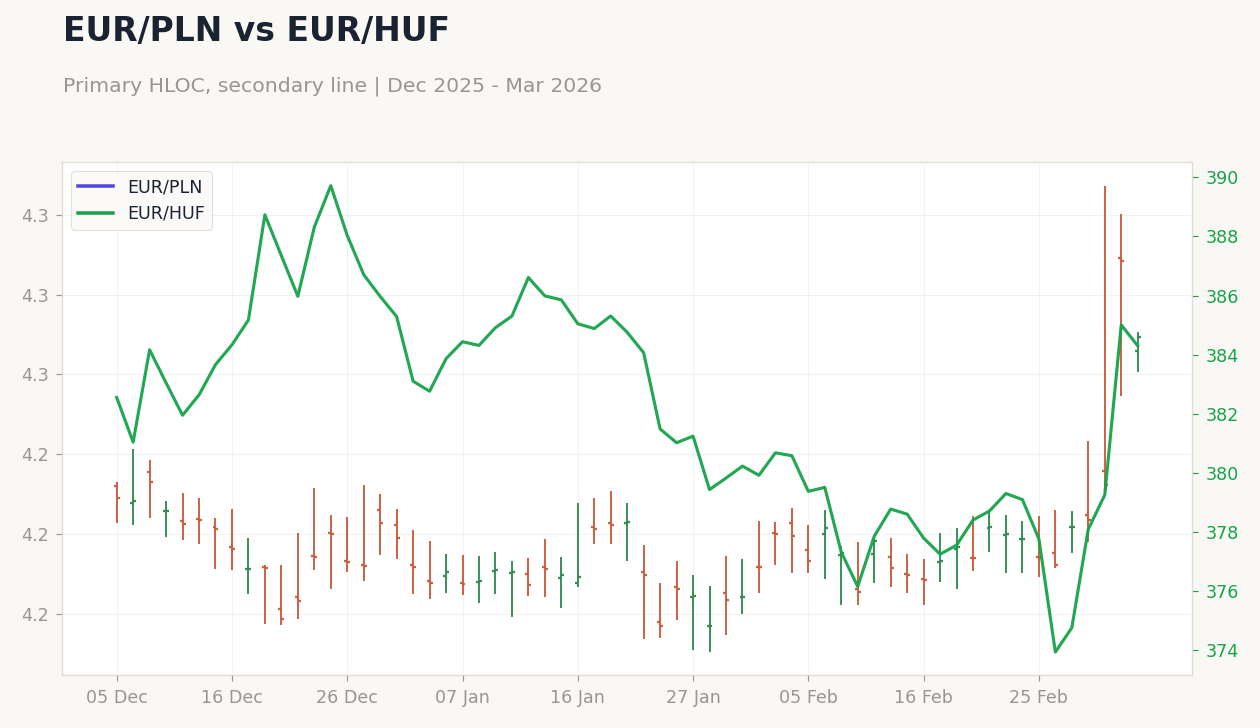
| EUR/PLN | 4.27 | -0.45% |
| EUR/HUF | 384.28 | -0.19% |
| EUR/CZK | 24.36 | -0.00% |
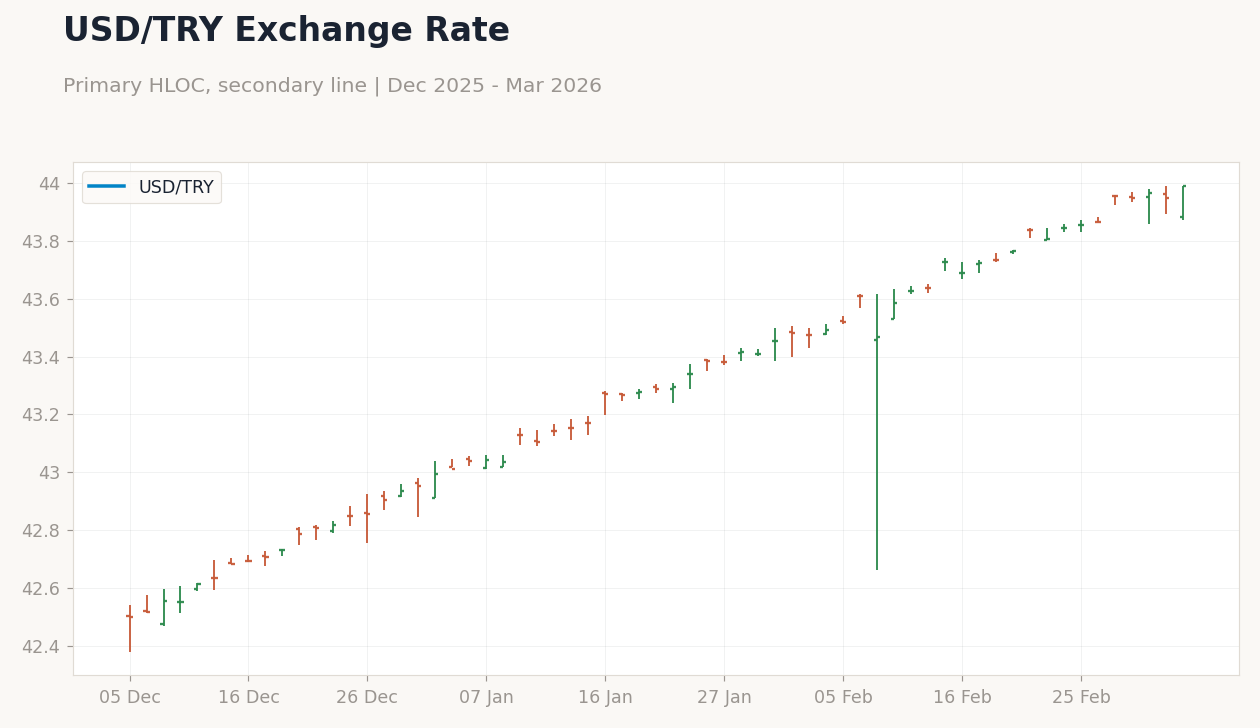
| USD/TRY | 43.99 | +0.09% |
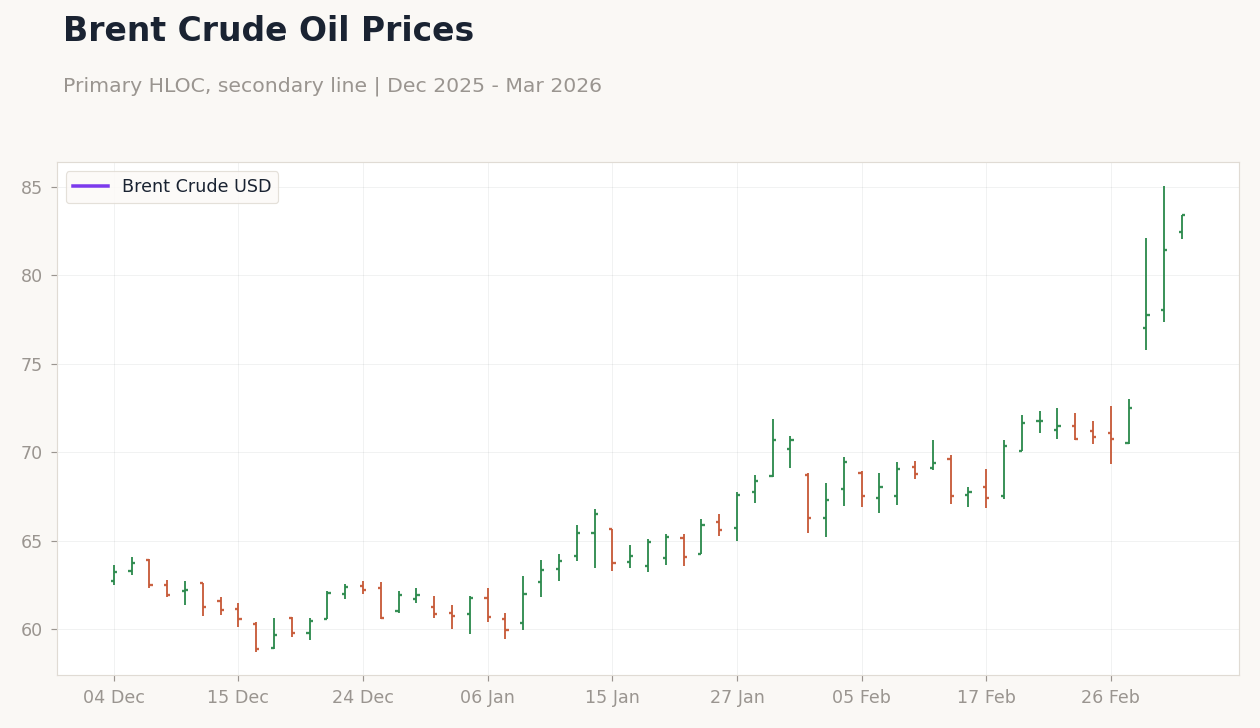
| Brent Crude | 83.12 | +2.11% |
| Gold | 5,186.80 | +1.55% |
| Bitcoin | 73,066.98 | +6.99% |
| Poland 10Y Govt Yield | 5.10% | -2.11% |
| Hungary 10Y Govt Yield | 6.67% | -3.19% |
Prior Economic Events
| Data | Prior | Cons | Actual |
|---|---|---|---|
| GDP Growth Quarter-over-Quarter | 1 | - | 0.40 |
| GDP Growth Year-over-Year | 3.80 | 3.50 | 3.40 |
| Inflation Rate Month-over-Month | 4.84 | 3 | 2.96 |
| Inflation Rate Year-over-Year | 30.65 | 31.55 | 31.53 |
| Balance of Trade Prel | -8,400m | - | -9,200m |
| Central Bank Interest Rate Decision | 4 | 3.75 | 3.75 |

Today's Economic Events
| Data | Prior | Cons | Time |
|---|---|---|---|
| No events available | |||
- Turkey's GDP growth slowed to 0.4% QoQ and 3.4% YoY, missing expectations amid high inflation at 31.53% YoY.
- Poland's NBP cut its key rate to 3.75% as anticipated, pressuring the zloty amid dovish signals.
- Regional markets mixed: BIST 100 up 0.08%, iShares Poland down 4.77%, with EUR/PLN easing 0.45%.
Yesterday's Recap
Turkey dominated data releases with softer-than-expected GDP figures, showing quarterly growth of just 0.4% against a previous 1%, while annual growth dipped to 3.4% from 3.8%, falling short of the 3.5% consensus amid ongoing economic headwinds. Inflation in Turkey eased slightly to 2.96% MoM and 31.53% YoY, close to forecasts but highlighting persistent price pressures that challenge CBRT's tightening efforts. Turkey's preliminary trade balance worsened to -9.2 billion USD from -8.4 billion, underscoring export challenges and import dependency.
In Poland, the NBP delivered its anticipated rate cut to 3.75% from 4%, aligning with consensus but raising concerns over zloty stability as noted in Commerzbank analysis. Market reactions were mixed: Turkey's BIST 100 edged up 0.08% to 12,943.19, buoyed by commodity gains, while iShares Poland ETF plunged 4.77% to 35.53, reflecting dovish policy fears; EUR/PLN fell 0.45% to 4.27, EUR/HUF dipped 0.19% to 384.28, and EUR/CZK held flat at 24.36. Hungary's 10Y yield dropped 3.19% to 6.67%, signaling some risk-off sentiment, while Poland's 10Y yield eased 2.11% to 5.10%.
Romania and Czech Republic saw minimal data flow, with focus shifting to broader EU linkages.
The Day Ahead
No major data releases are scheduled for Emerging Europe today, providing a brief respite after yesterday's Turkey figures and Poland's rate decision. Attention may turn to any follow-up statements from the NBP on its dovish pivot, potentially influencing PLN crosses. Tomorrow also lacks key events, though markets will monitor global cues like oil prices given the region's energy import vulnerabilities.
Traders should watch for any ECB-related commentary that could spill over to CNB and MNB policies. Broader EU developments, such as the proposed 'Buy EU' plan, might indirectly affect trade dynamics for Poland, Czech Republic, Hungary, and Romania. Overall, expect quiet trading unless geopolitical tensions in the Middle East escalate further.
Other Economic Notes
Emerging Europe's energy dependency remains a key vulnerability, with Brent crude rising 2.11% to 83.12 amid Middle East conflicts, benefiting Turkey's commodity sectors but pressuring import bills across the region. (cont...)