Emerging Europe Macro Daily(Beta Mode)
Turkey Jobless Falls, CEE Yields Jump
Market Snapshot
| Asset | Level | Change |
|---|---|---|
| BIST 100 | 14,311.20 | -0.13% |
| iShares Poland | 37.95 | -0.68% |
| EUR/PLN | 4.26 | +0.31% |
| EUR/HUF | 366.20 | +0.72% |
| EUR/CZK | 24.39 | +0.20% |
| USD/TRY | 45.18 | +0.27% |
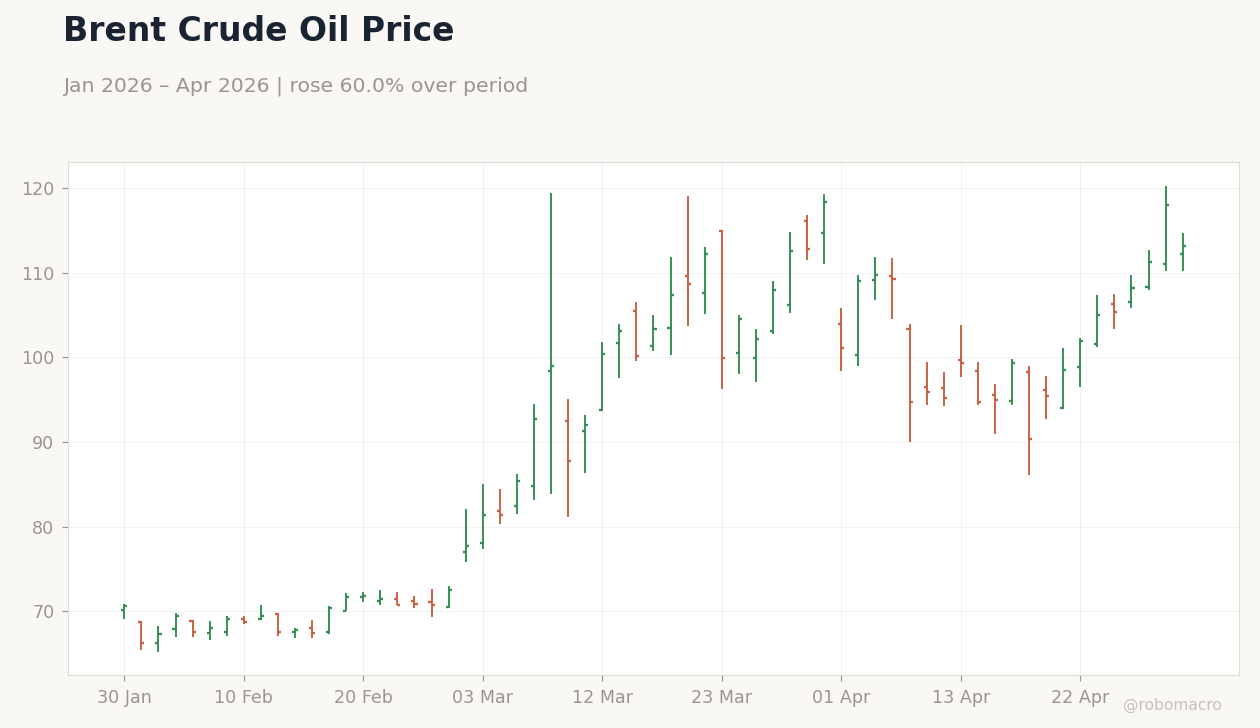
| Brent Crude | 113.23 | -4.07% |
| Gold | 4,559.30 | +0.31% |
| Bitcoin | 75,587.12 | -1.00% |
| Poland 10Y Govt Yield | 5.58% | +11.82% |
| Hungary 10Y Govt Yield | 7.13% | +10.03% |
Prior Economic Events
| Data | Prior | Cons | Actual |
|---|---|---|---|
| Headline Unemployment Rate | 8.50 | - | 8.10 |
 Poland vs Hungary Yields | Type: macro_line | Poland 10Y Yield (%): 5.58 (2026-03-01) | Range: 1.6–7.82 | Trend(6pt): 1.82,6.37,5.68,5.66,5.1,5.58 | Hungary 10Y Yield (%): 7.13 (2026-03-01) | Range: 2.83–10.25 | Trend(6pt): 2.94,8.51,7.08,6.63,6.67,7.13
Today's Economic Events
| Data | Prior | Cons | Time |
|---|---|---|---|
| Balance of Trade Final | -9,000m | - | 23:00 |
| Inflation Rate Year-over-Year Preliminary | 3 | - | 23:30 |
- Turkey's unemployment rate dropped to 8.1%, signaling labor market resilience amid high inflation.
- Polish and Hungarian bond yields surged over 10%, reflecting rate hike fears and fiscal concerns.
- CEE currencies weakened against the euro, with EUR/HUF up 0.72% on MNB caution.
Yesterday's Recap
Turkey's headline unemployment rate fell to 8.1% in the latest release, down from 8.5% previously, indicating improving labor conditions despite persistent inflationary pressures and lira volatility. In Poland, government documents revealed public debt is set to exceed the EU precautionary threshold this year, raising concerns about fiscal sustainability in the largest CEE economy, while mBank reported a strong Q1 net profit of 953 million zlotys, up from 705.7 million a year ago, buoyed by robust lending activity. Hungarian markets reacted to MNB's cautious stance on rate cuts, with the forint weakening as EUR/HUF rose 0.72% to 366.20, amid discussions on stalled monetary easing due to inflation risks.
Czech koruna saw a milder depreciation with EUR/CZK up 0.20% to 24.39, while equity markets were subdued: Turkey's BIST 100 dipped 0.13% to 14,311.20, and iShares Poland fell 0.68% to 37.95. Bond markets faced selling pressure, pushing Poland's 10-year yield up 11.82% to 5.58% and Hungary's up 10.03% to 7.13%, driven by global rate repricing and local debt worries. Romania had limited data flow, but broader CEE sentiment was influenced by EU fund talks, including Germany's negotiations with Poland over oil supplies via Gdansk.
Overall, FX moves highlighted divergence, with USD/TRY edging up 0.27% to 45.18 amid Turkey's unique macro challenges.
The Day Ahead
Investors will watch Turkey's final balance of trade data at 23:00 ET, with the previous figure at -9 billion USD, potentially signaling export resilience or widening deficits amid lira weakness and global demand shifts. Poland's preliminary year-over-year inflation rate follows at 23:30 ET, where the prior 3% print could ease to reflect cooling energy costs, influencing NBP's rate path. No major releases are scheduled for Czech Republic, Hungary, or Romania, allowing focus on these key indicators.
Broader events include ongoing EU discussions on fund disbursements to Hungary, which could impact forint stability. Markets may also react to any updates on Poland-Germany oil route talks, affecting energy security in the region. Expect volatility in CEE bonds and currencies if inflation data surprises.
Other Economic Notes
Poland's surging tourism to Cyprus, alongside flows from the UK, Israel, Greece, and Germany, underscores CEE's growing integration into European travel recovery, potentially boosting service exports and supporting zloty stability. (cont...)