Emerging Europe Macro Daily(Beta Mode)
Poland CPI Preview, CEE Bonds Rally
Market Snapshot
| Asset | Level | Change |
|---|---|---|
| BIST 100 | 13,292.90 | -1.55% |
| iShares Poland | 42.59 | +2.48% |
| EUR/PLN | 4.31 | -0.31% |
| EUR/HUF | 362.18 | +0.01% |
| EUR/CZK | 24.22 | +0.25% |
| USD/TRY | 47.52 | +0.31% |
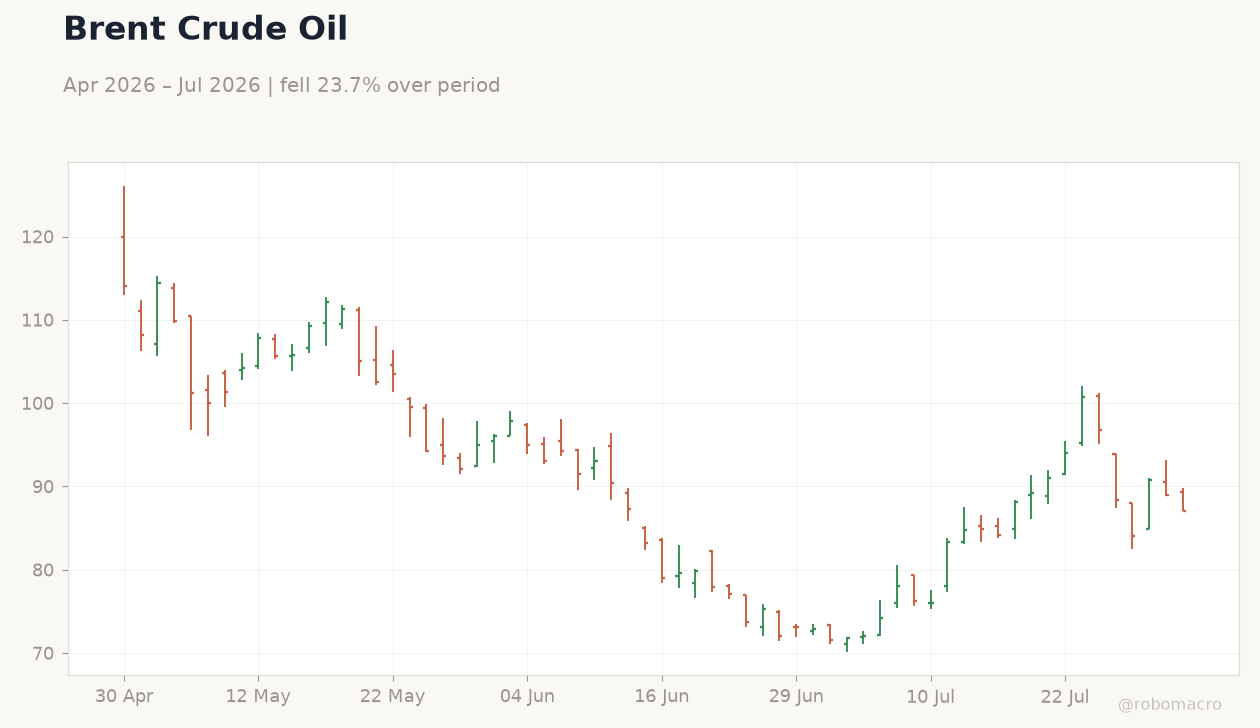
| Brent Crude | 87.00 | -2.28% |
| Gold | 4,133.60 | +0.82% |
| Bitcoin | 64,279.78 | +0.58% |
| Poland 10Y Govt Yield | 5.51% | -4.01% |
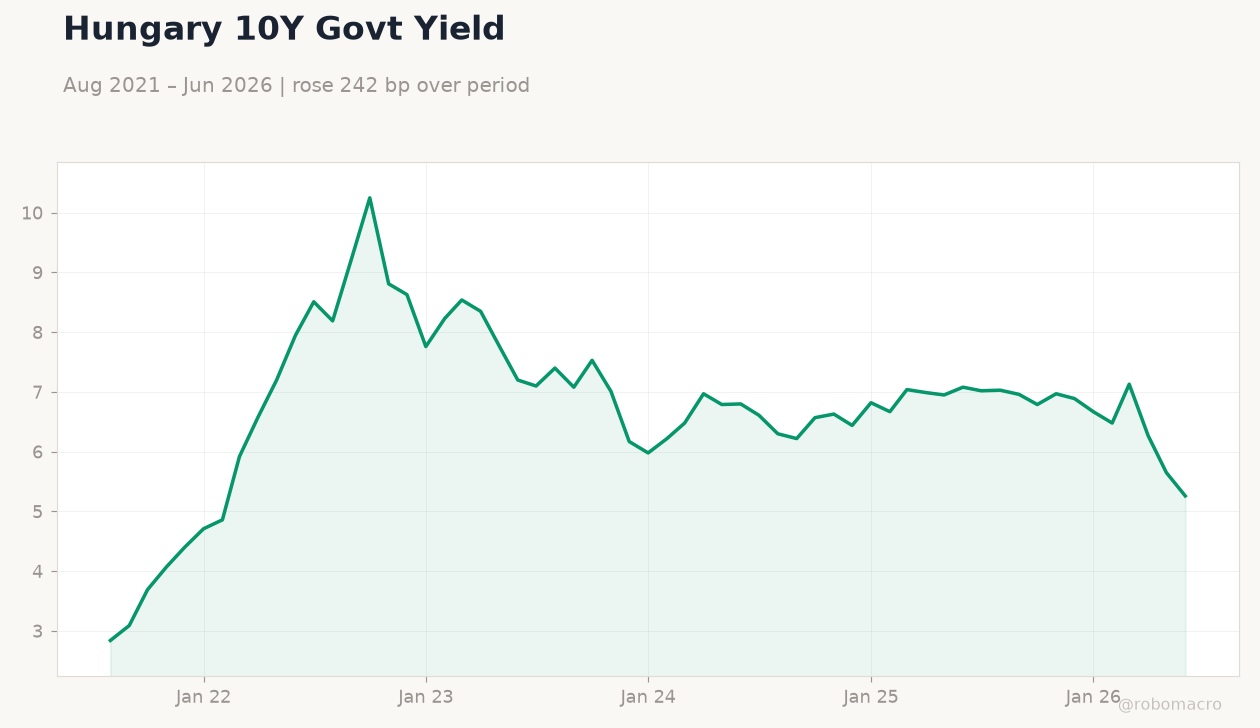
| Hungary 10Y Govt Yield | 5.26% | -6.90% |
Prior Economic Events
| Data | Prior | Cons | Actual |
|---|---|---|---|
| Headline Unemployment Rate | 8.10 | - | 7.60 |
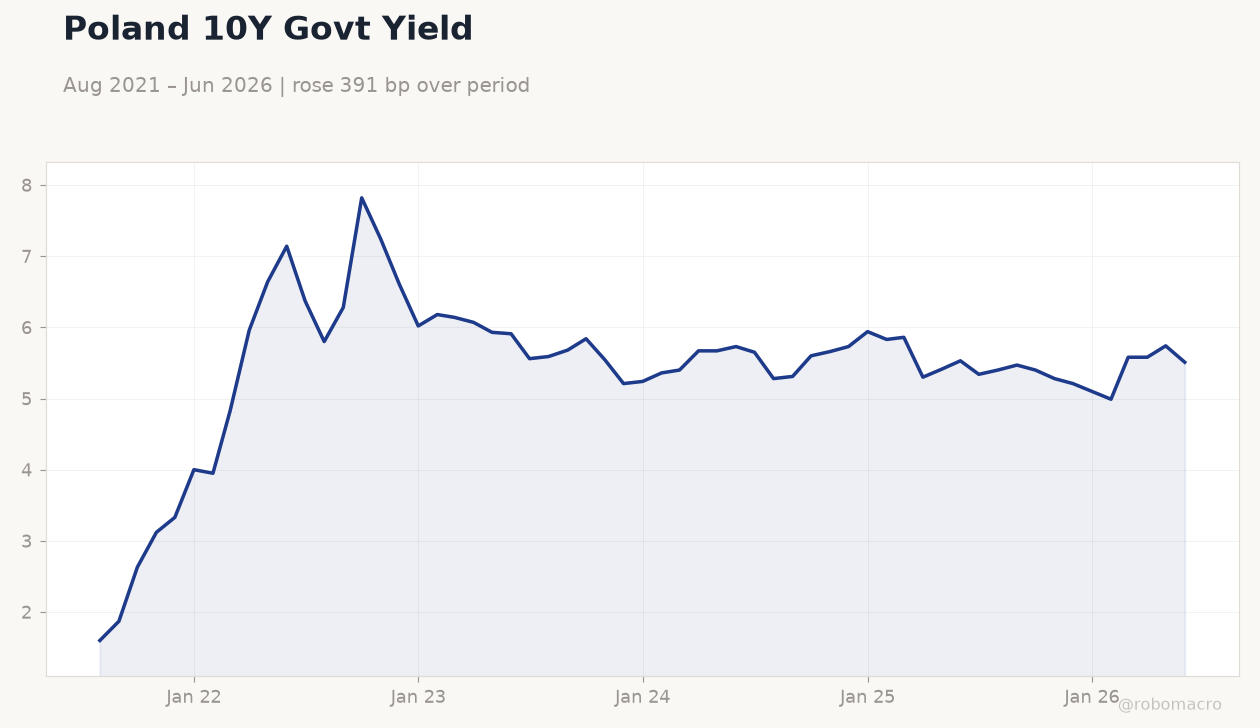 Poland 10Y Govt Yield | Type: macro_line | Yield %: 5.51 (2026-06-01) | Range: 1.6–7.82 | Trend(6pt): 1.6,7.82,5.21,5.83,5.58,5.51
Today's Economic Events
| Data | Prior | Cons | Time |
|---|---|---|---|
| Balance of Trade Final | -5,610m | -10,400m | 23:00 |
| Inflation Rate Year-over-Year Preliminary | 2.50 | 3 | 23:30 |
- Turkish unemployment fell to 7.6% while Polish inflation preview due today
- Poland equities rose 2.48% and 10Y yields dropped 4% as Hungary yields fell 6.9%
- Russian missile reportedly struck Poland amid ongoing Ukraine strikes
Yesterday's Recap
Turkish headline unemployment declined to 7.6% from 8.1%, easing pressure on labor markets though the lira remained under strain with USD/TRY rising 0.31% to 47.52. Polish equities outperformed with iShares Poland gaining 2.48% while the WIG20 benefited from stable bank deposit rates. Hungary 10Y yields fell sharply by 6.9% to 5.26% and Poland 10Y yields declined 4.01% to 5.51%, reflecting investor appetite for CEE duration.
EUR/PLN eased 0.31% to 4.31 while EUR/HUF held near 362.18. A reported Russian cruise missile created a 10-meter crater in Poland’s Lublin province near the Ukrainian border, prompting Prime Minister Tusk to confirm the incident though no casualties occurred. Brent crude fell 2.28% to 87.00 amid broader risk-off sentiment.
Hungarian GDP data due next week now carries added weight after recent weak prints. BIST 100 fell 1.55% to 13,292.90 while EUR/CZK rose 0.25% to 24.22. Gold climbed 0.82% to 4,133.60 and Bitcoin gained 0.58% to 64,279.78.
The Day Ahead
Poland releases preliminary July inflation year-over-year at 23:30 ET with consensus at 3.0% versus 2.5% prior, a print that will shape NBP expectations ahead of the next policy meeting. Turkey publishes final June trade balance at 23:00 ET, where the consensus deficit of 10.4 billion USD exceeds the prior 5.61 billion USD shortfall and could reinforce CBRT intervention needs. No major data releases are scheduled for Czech Republic, Hungary or Romania.
Markets will monitor any follow-through from the Polish missile incident and its implications for regional risk premia. Euro-area linkages remain key given the ECB deposit rate at 2.25%. Hungary’s Q2 GDP flash due next week will test forint resilience after the recent 0.4% quarterly expansion missed the 0.7% consensus.
Other Economic Notes
Hungary faces operational risks at its sole nuclear plant after record-low Danube levels triggered by prolonged heatwaves, a vulnerability shared with Romania, Bulgaria and Serbia. Poland secured provisional agreement on the remaining 6.3 billion euros of RRF funds tied to judicial milestones by October, while Hungary’s 10.2 billion euro cohesion tranche stays delayed over rule-of-law issues. Romania’s euro-adoption path to 2029 continues to hinge on inflation and fiscal convergence.
<i>↓ p.2</i>