Greater China Macro Daily(Beta Mode)
Yuan Hits 3-Year High on Iran Ceasefire
Market Snapshot
| Asset | Level | Change |
|---|---|---|
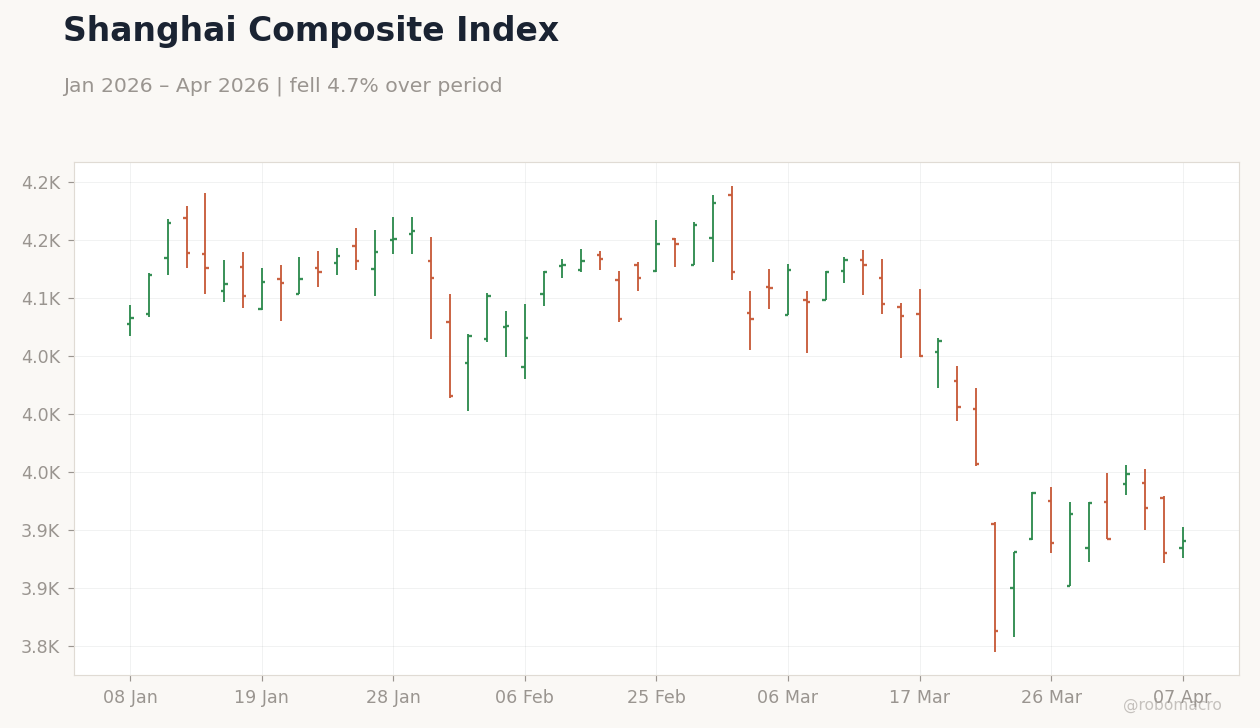
| Shanghai Composite | 3,987.56 | +2.77% |
| CSI 300 | 4,589.94 | +3.36% |
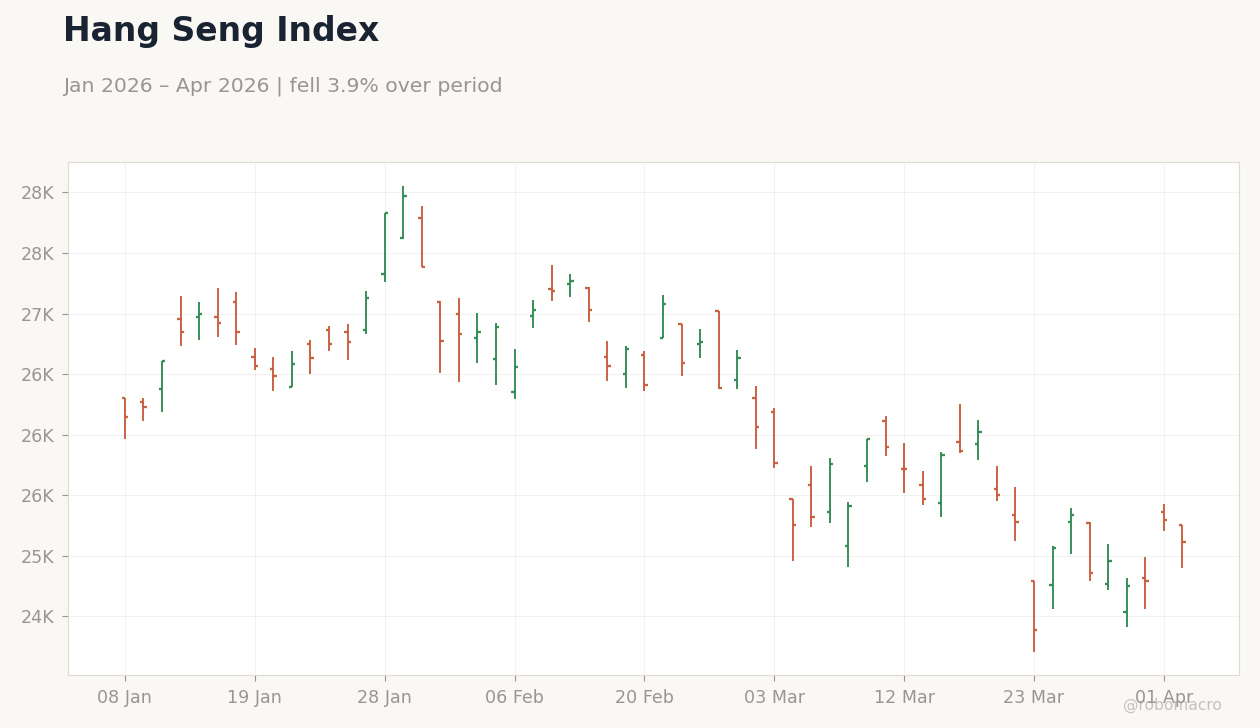
| Hang Seng | 25,116.53 | -0.70% |
| TAIEX | 33,229.82 | +2.02% |
| USD/CNY | 6.83 | -0.79% |
| USD/HKD | 7.83 | -0.03% |
| Copper | 5.75 | +3.76% |
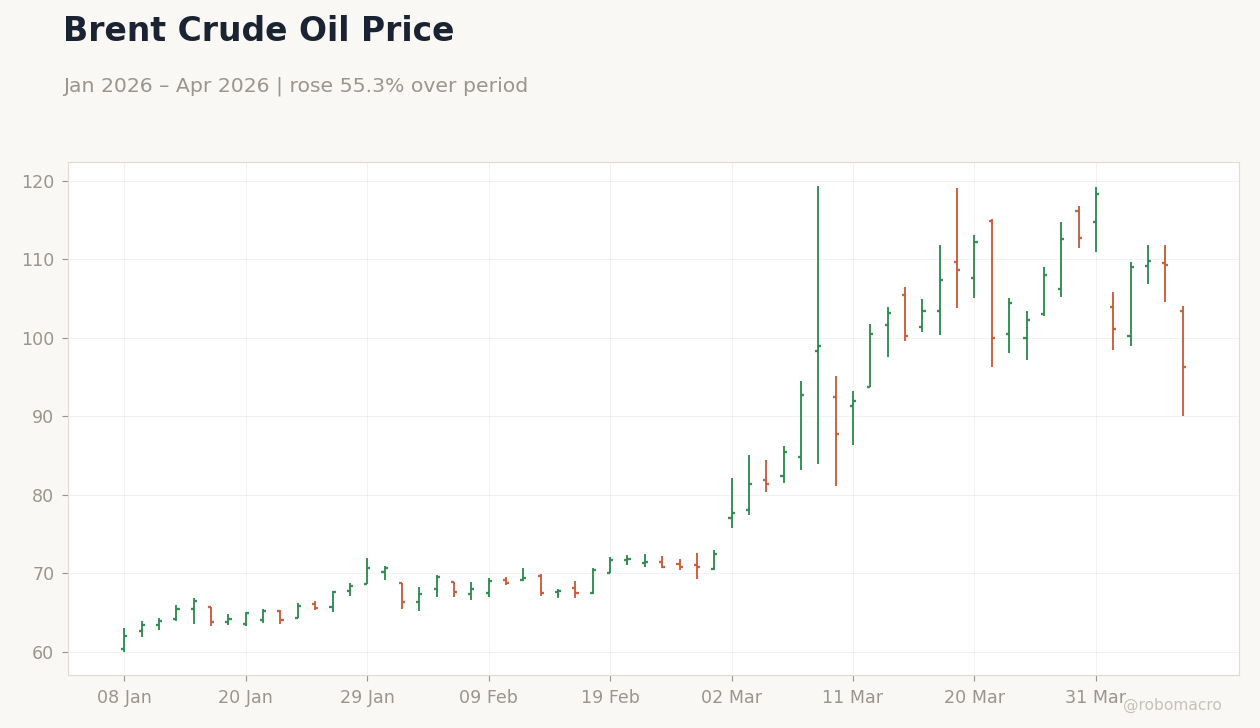
| Brent Crude | 96.26 | -11.91% |
| Gold | 4,745.00 | +1.89% |
| Bitcoin | 71,518.79 | -0.59% |
| China 2Y Govt Yield | - | - |
| China 10Y Govt Yield | - | - |
Prior Economic Events
| Data | Prior | Cons | Actual |
|---|---|---|---|
| No events available | |||
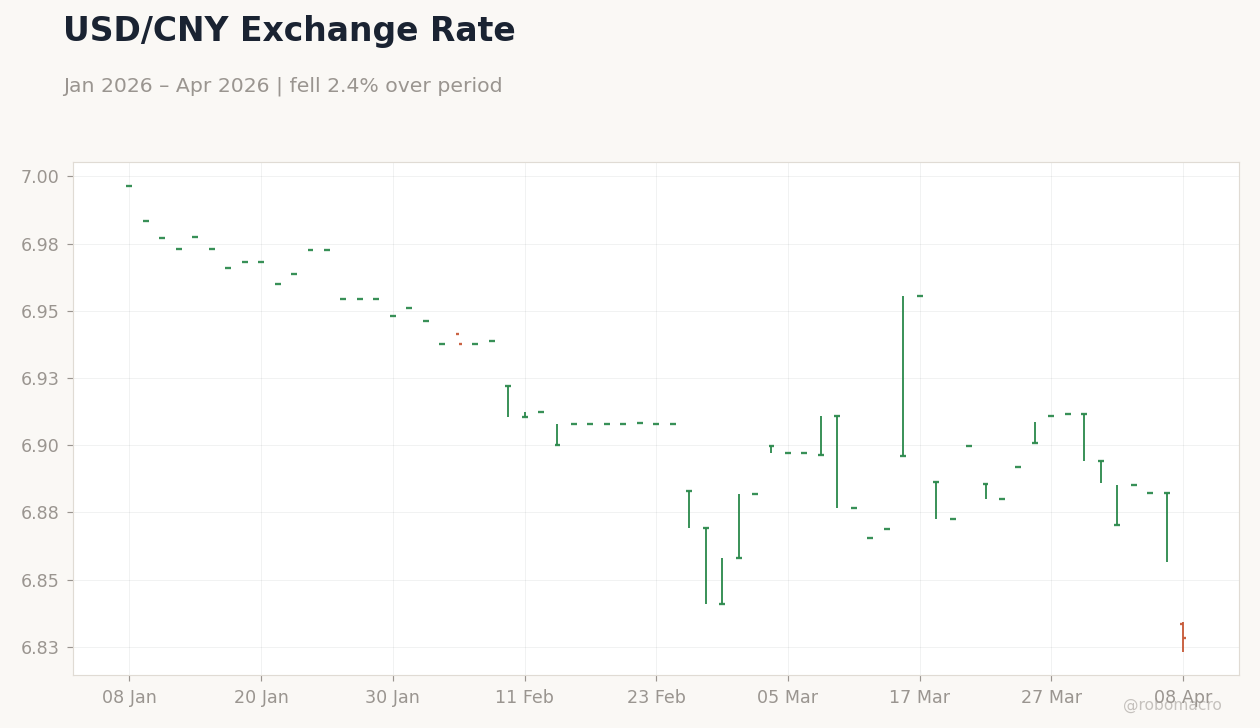 USD/CNY Exchange Rate | Type: market_hloc | USD/CNY: 6.828 (2026-04-08) | Range: 6.828–6.997 | Trend(5pt): 6.997,6.948,6.908,6.956,6.828
Today's Economic Events
| Data | Prior | Cons | Time |
|---|---|---|---|
| Inflation Rate Year-over-Year | 1.30 | 1.20 | 17:30 |
| Inflation Rate Month-over-Month | 1 | -0.20 | 17:30 |
| Producer Price Index Year-over-Year | -0.90 | 0.40 | 17:30 |
- Yuan strengthened to three-year high on Iran ceasefire, lifting mainland equities while Hong Kong dipped on tech weakness.
- Taiwan stocks rose on semiconductor demand, but reserves fell sharply from currency interventions.
- Energy disruptions spurred China's crude quota hikes and coal firms' pivot to chemicals.
Yesterday's Recap
Mainland China equities rallied, with the Shanghai Composite up 2.77% to 3,987.56 and CSI 300 surging 3.36% to 4,589.94, fueled by yuan gains and fiscal support hopes after the Iran ceasefire. Hong Kong's Hang Seng fell 0.70% to 25,116.53, dragged by tech profit-taking despite risk-on sentiment. Taiwan's TAIEX climbed 2.02% to 33,229.82, bolstered by semiconductor strength and AI orders, though foreign reserves dropped the most since 2011 due to central bank interventions.
USD/CNY declined 0.79% to 6.83, reflecting yuan appreciation from eased geopolitical risks, while USD/HKD slipped 0.03% to 7.83 under stable peg conditions. Commodities showed mixed moves: copper gained 3.76% to 5.75 on China demand optimism, Brent crude dropped 11.91% to 96.26 amid supply relief, gold rose 1.89% to 4,745.00 as a safe haven, and Bitcoin eased 0.59% to 71,518.79. No major macro data was released in Greater China, but headlines noted banks pushing yuan's global role and PBoC fixing USD/CNY at 6.8854, above estimates and prior 6.8929.
Cross-strait flows held steady amid ongoing energy and trade monitoring.
The Day Ahead
China's inflation figures lead the agenda, with year-over-year CPI consensus at 1.2% (previous 1.3%), possibly indicating cooling pressures that may prompt PBoC easing. Month-over-month CPI is expected at -0.2% (previous 1%), driven by seasonal and demand factors. Producer Price Index year-over-year is forecast at 0.4% (previous -0.9%), suggesting potential easing of factory deflation if commodity trends persist.
These are set for release at 17:30 ET, which could impact yuan and stocks if they highlight disinflation. No key events for Hong Kong or Taiwan, but geopolitical developments may influence trade and sentiment. Watch for State Council updates on stimulus in response to these data.
Other Economic Notes
Middle East disruptions continue affecting energy strategies, with China granting extra crude import quotas to independent refiners to sustain fuel production. Coal companies are shifting toward chemicals to offset oil supply constraints from the conflict. Hopes for China's LNG demand rebound are fading despite the ceasefire, as analysts caution on lingering effects.
(cont...)