India Macro Daily(Beta Mode)
Nifty Slumps on Geopolitics
Market Snapshot
| Asset | Level | Change |
|---|---|---|
| Nifty 50 | 24,028.05 | -1.73% |
| Sensex | 77,566.16 | -1.71% |
| USD/INR | 92.11 | +0.35% |
| EUR/INR | 107.17 | +0.65% |
| Reliance | 1,404.80 | +1.11% |
| HDFC Bank | 857.05 | -2.36% |
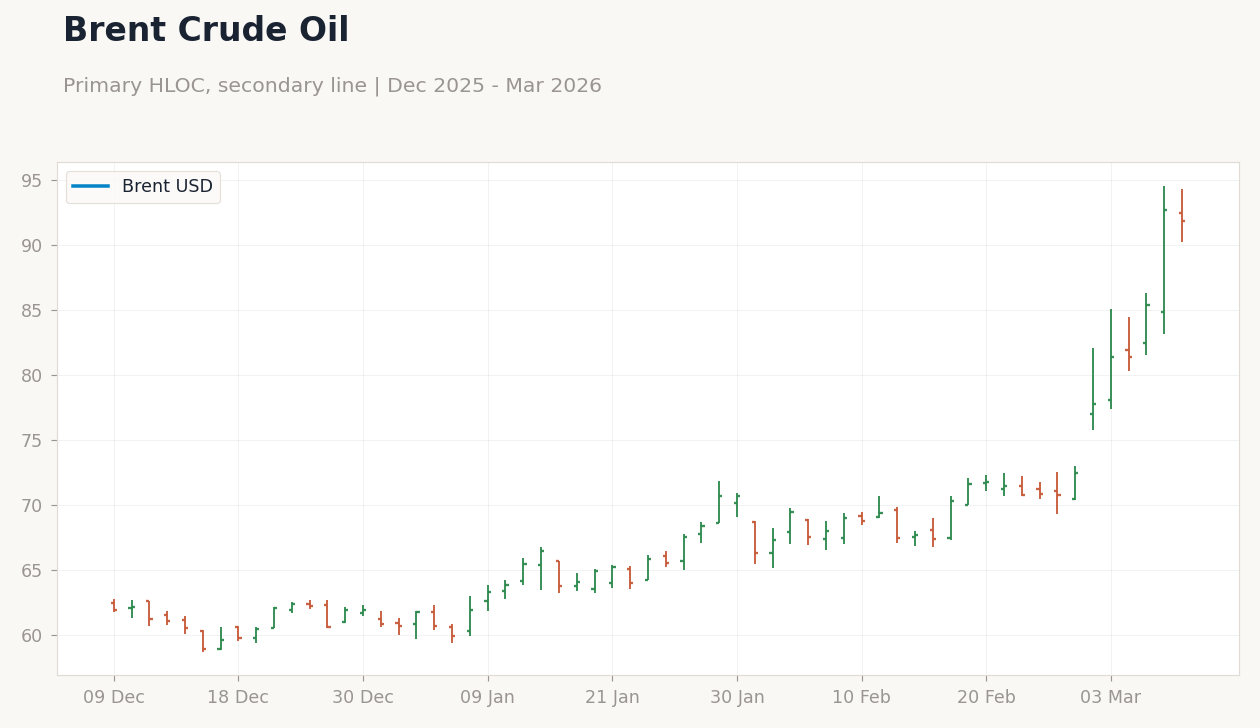
| Brent Crude | 92.23 | -0.50% |
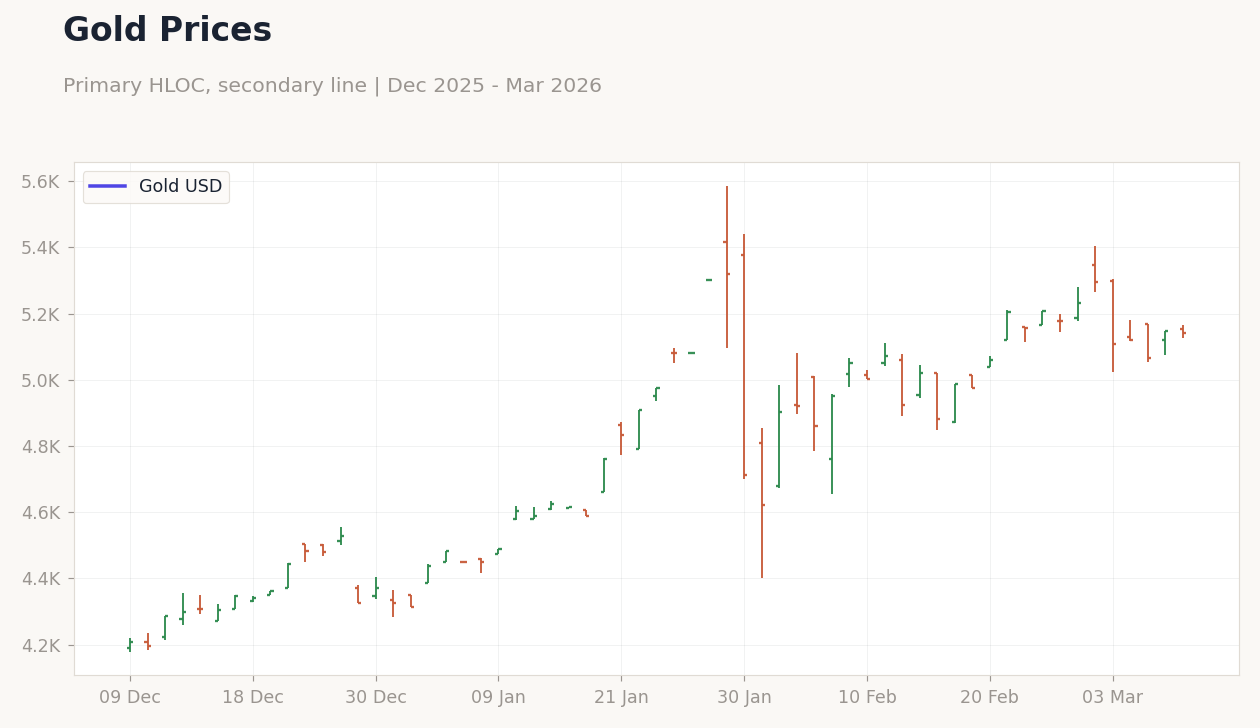
| Gold | 5,143.30 | -0.05% |
| Bitcoin | 68,755.27 | +4.22% |
| India Short-term Rate | 5.50% | +0.00% |
| India Long-term Rate | - | - |
Prior Economic Events
| Data | Prior | Cons | Actual |
|---|---|---|---|
| No events available | |||
 India Short-Term Rates | Type: macro_line | Short-Term Rate %: 5.5 (2026-01-01) | Range: 4.25–6.75 | Trend(5pt): 4.25,5.03,6.75,6.75,5.5
Today's Economic Events
| Data | Prior | Cons | Time |
|---|---|---|---|
| Thursday (2026-03-12) | |||
| Inflation Rate Year-over-Year | 2.13 | 3.10 | 02:30 |
- Indian equities tumbled amid escalating Iran tensions, with Nifty 50 down 1.73% and Sensex off 1.71%.
- Rupee weakened as USD/INR rose 0.35% to 92.11, pressured by higher oil prices and FII outflows.
- Broader themes highlight market volatility, with low beta stocks gaining traction and RBI likely holding rates steady.
Yesterday's Recap
Indian markets closed sharply lower on March 8, 2026, driven by geopolitical risks from the Iran conflict, which fueled volatility and risk aversion. The Nifty 50 index fell 1.73% to 24,028.05, while the Sensex dropped 1.71% to 77,566.16, with selling concentrated in banking and IT sectors. HDFC Bank declined 2.36% to 857.05, reflecting concerns over retail lending amid economic uncertainty, whereas Reliance Industries bucked the trend, rising 1.11% to 1,404.80 on stable energy margins.
The USD/INR pair climbed 0.35% to 92.11, and EUR/INR advanced 0.65% to 107.17, as foreign investors sold off amid rising crude prices. Brent Crude eased 0.50% to 92.23, but ongoing West Asia tensions kept oil volatility high, indirectly pressuring India's import bill. Gold held nearly flat, down 0.05% to 5,143.30, while Bitcoin surged 4.22% to 68,755.27, diverging from traditional assets.
No major data releases occurred, but analysts noted the Nifty risks falling to 24,000 if the 24,300 support breaks, amplifying bearish sentiment.
The Day Ahead
Markets anticipate continued volatility on March 9, 2026, with no immediate data releases scheduled for India. Attention turns to the upcoming inflation rate year-over-year data on March 12, expected at 3.1% versus the previous 2.13%, which could influence RBI's forward guidance on rates. Geopolitical developments in West Asia, including the Israel-Iran conflict, may drive intraday moves in equities and the rupee.
Broader events like global oil price fluctuations could impact energy stocks, while FII flows remain a key watchpoint amid currency pressures. Investors should monitor any unscheduled RBI interventions in forex markets to stabilize the INR. Overall, sentiment leans cautious, with potential for sectoral rotation into defensives.
Other Economic Notes
India's economy faces risks from the Iran war, potentially hurting growth more than inflation through disrupted trade and higher oil costs, though RBI is expected to maintain steady policy. Market volatility has spotlighted low beta stocks, with over one in four BSE 500 names showing positive returns amid tensions, offering havens for investors. (cont...)