India Macro Daily(Beta Mode)
Indian Stocks Rise as Oil Plunges
Market Snapshot
| Asset | Level | Change |
|---|---|---|
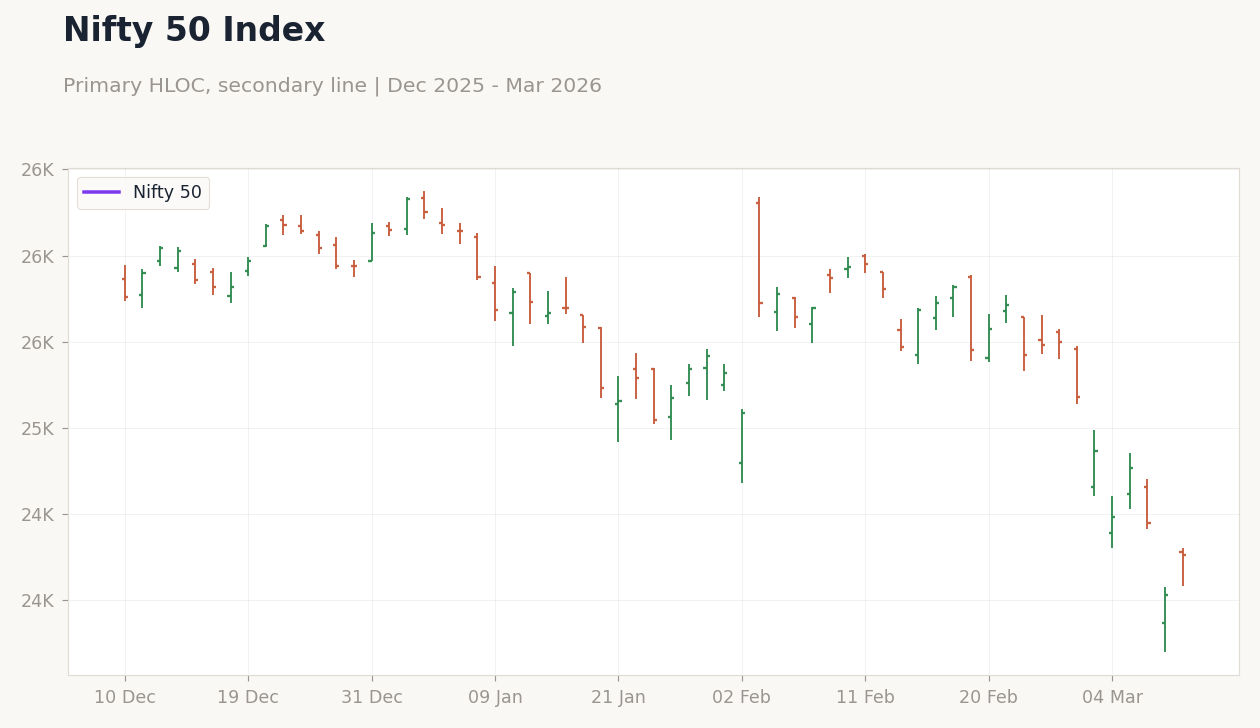
| Nifty 50 | 24,261.60 | +0.97% |
| Sensex | 78,205.98 | +0.82% |
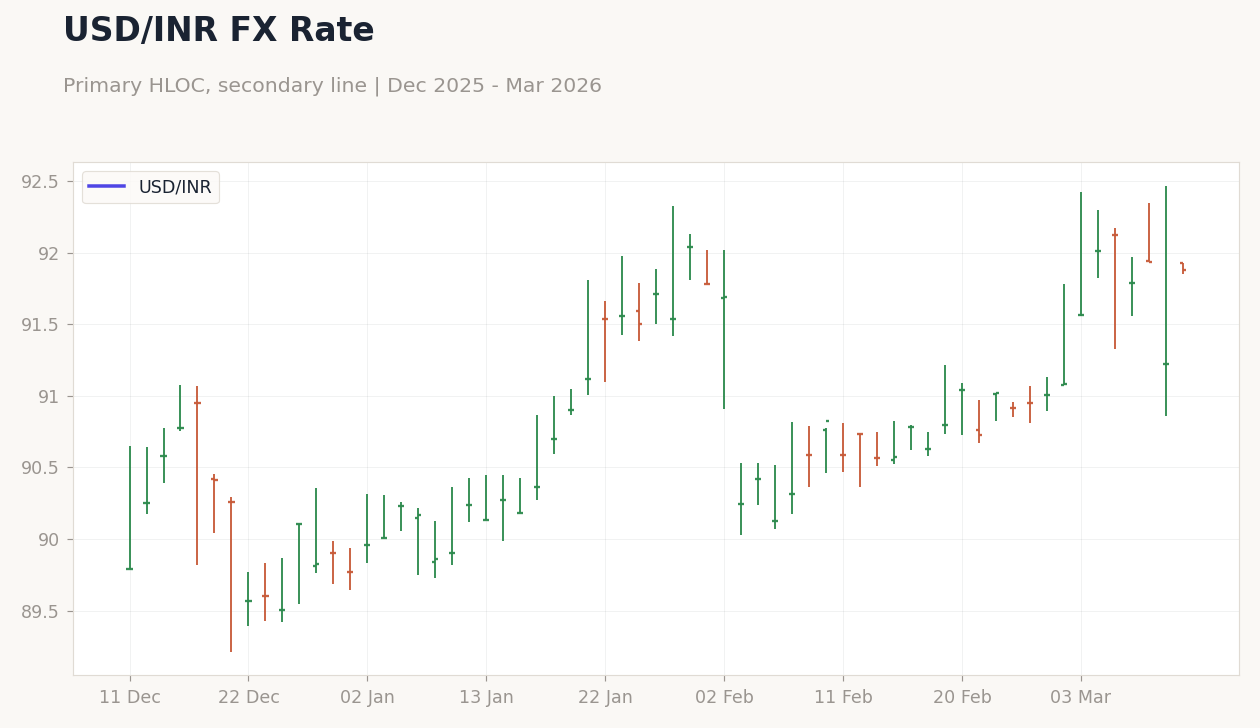
| USD/INR | 91.93 | +0.77% |
| EUR/INR | 106.85 | -0.12% |
| Reliance | 1,408.00 | -1.12% |
| HDFC Bank | 850.00 | +1.11% |
| Brent Crude | 85.00 | -14.11% |
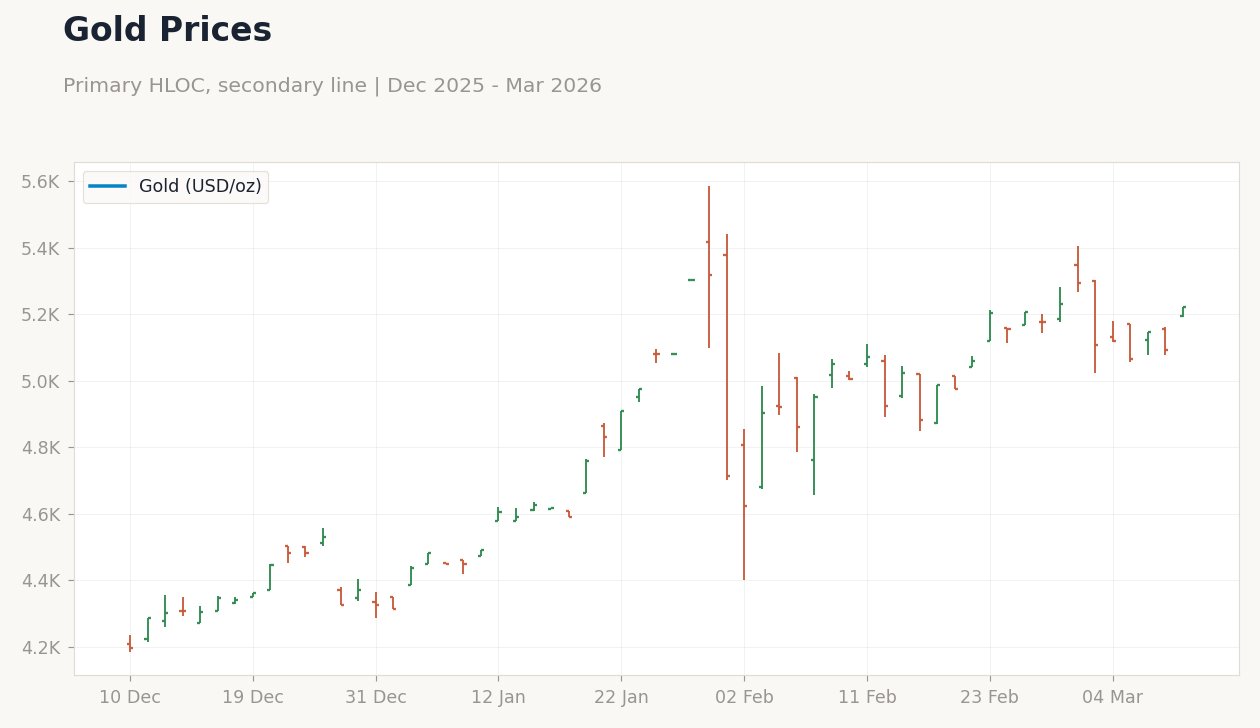
| Gold | 5,211.00 | +2.35% |
| Bitcoin | 70,137.10 | +2.54% |
| India Short-term Rate | 5.50% | +0.00% |
| India Long-term Rate | - | - |
Prior Economic Events
| Data | Prior | Cons | Actual |
|---|---|---|---|
| No events available | |||
 India Short-term Rate | Type: macro_line | Short-term Rate (%): 5.5 (2026-01-01) | Range: 4.25–6.75 | Trend(5pt): 4.25,5.03,6.75,6.75,5.5
Today's Economic Events
| Data | Prior | Cons | Time |
|---|---|---|---|
| Thursday (2026-03-12) | |||
| Inflation Rate Year-over-Year | 2.13 | 3.10 | 02:30 |
- Indian equities advanced, with Nifty 50 up 0.97% to 24,261.60 and Sensex gaining 0.82% to 78,205.98, led by banking strength amid mixed global cues.
- USD/INR climbed 0.77% to 91.93 on FII selling and oil dynamics, while Brent Crude dropped 14.11% to 85.00, easing some margin pressures.
- Gold rose 2.35% to 5,211.00 as a safe haven, with warnings of GDP risks from potential oil surges and Iran conflict impacts.
Yesterday's Recap
Indian markets posted gains on March 9, with the Nifty 50 climbing 0.97% to 24,261.60, led by financial stocks like HDFC Bank, which rose 1.11% to 850.00. The Sensex advanced 0.82% to 78,205.98, shrugging off declines in energy shares such as Reliance, down 1.12% to 1,408.00 amid falling oil prices. USD/INR strengthened 0.77% to 91.93, reflecting FII outflows and crude market shifts, while EUR/INR dipped 0.12% to 106.85.
Brent Crude tumbled 14.11% to 85.00, highlighting global demand weakness despite geopolitical tensions. Gold rallied 2.35% to 5,211.00, bolstered by safe-haven buying amid Middle East concerns. Bitcoin gained 2.54% to 70,137.10, tracking risk appetite.
India short-term rate held steady at 5.50%, with no changes in long-term rates reported.
The Day Ahead
India's economic calendar is light on March 10 and 11, with no major data releases scheduled. Focus shifts to March 12, when the inflation rate year-over-year is due at 02:30 ET, with consensus expecting a rise to 3.1% from the previous 2.13%. This data could shape RBI policy views amid geopolitical risks.
Markets will watch updates on semiconductor supply chains and AI developments from recent reports. Sentiment may depend on global factors, including oil prices and US-Iran tensions.
Other Economic Notes
India's growth faces risks from oil price volatility, with Axis Bank's chief economist warning that a $50 spike could reduce GDP by 2% via balance-of-payments pressures. The semiconductor sector is expanding, as Wipro Enterprises considers entering chip assembly amid rising imports of processors and memories, now India's third-largest import item. Investor expectations represent a key risk beyond macro factors, with DSP Mutual Fund's CEO noting stretched valuations and a preference for BFSI sectors.
Women-led AI startups remain underrepresented at 10% in India, highlighting a gap to address. Moneyview is emphasizing default guarantees despite peers shifting to co-lending models.