Japan Macro Daily(Beta Mode)
BoJ Hold Expected, Yields Rise
Market Snapshot
| Asset | Level | Change |
|---|---|---|
| Nikkei 225 | 53,819.61 | -1.16% |
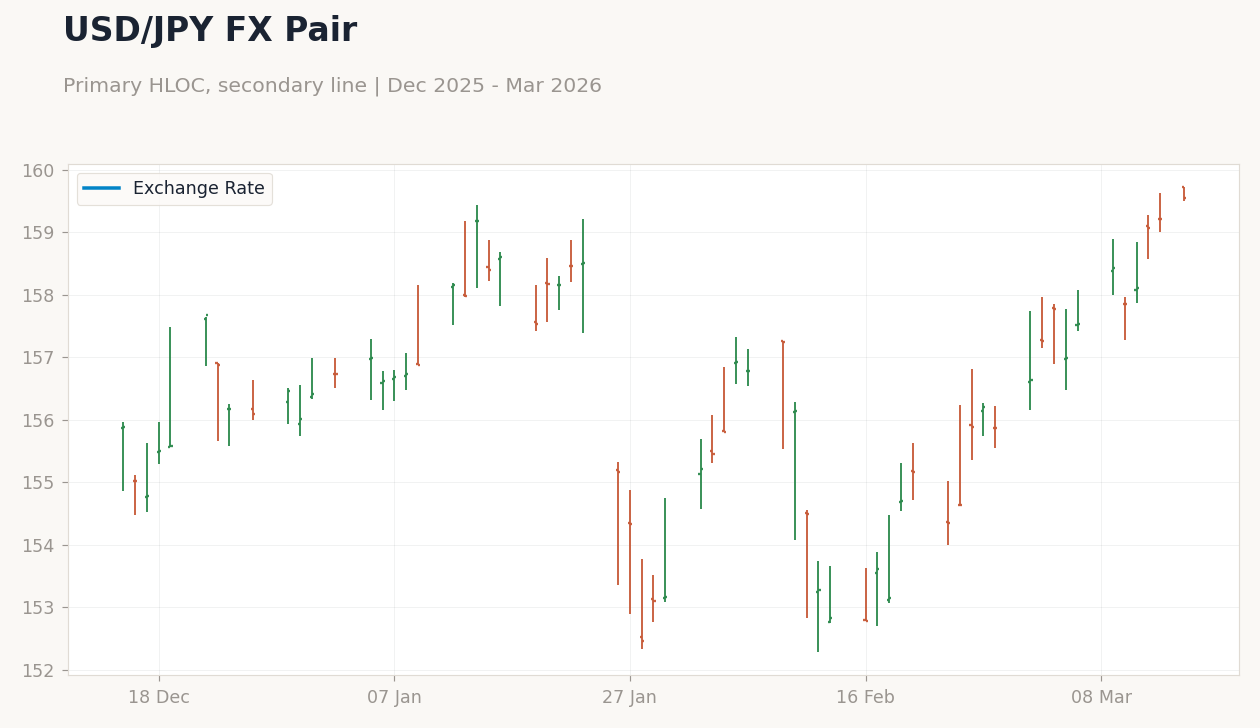
| USD/JPY | 159.55 | +0.21% |
| EUR/JPY | 182.38 | -0.57% |
| GBP/JPY | 211.18 | -0.65% |
| Gold | 5,061.70 | -1.06% |
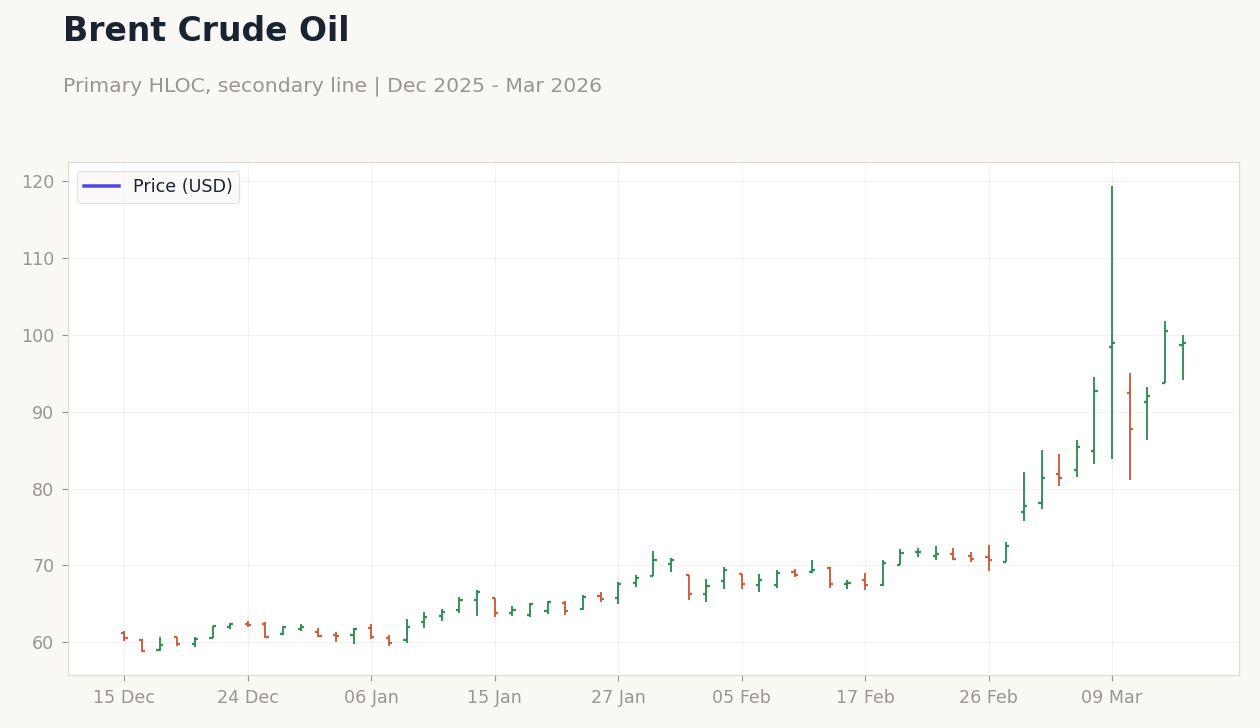
| Brent Crude | 98.91 | -1.54% |
| Bitcoin | 71,764.47 | +0.77% |
| Japan 2Y Govt Yield | 0.73% | +30.70% |
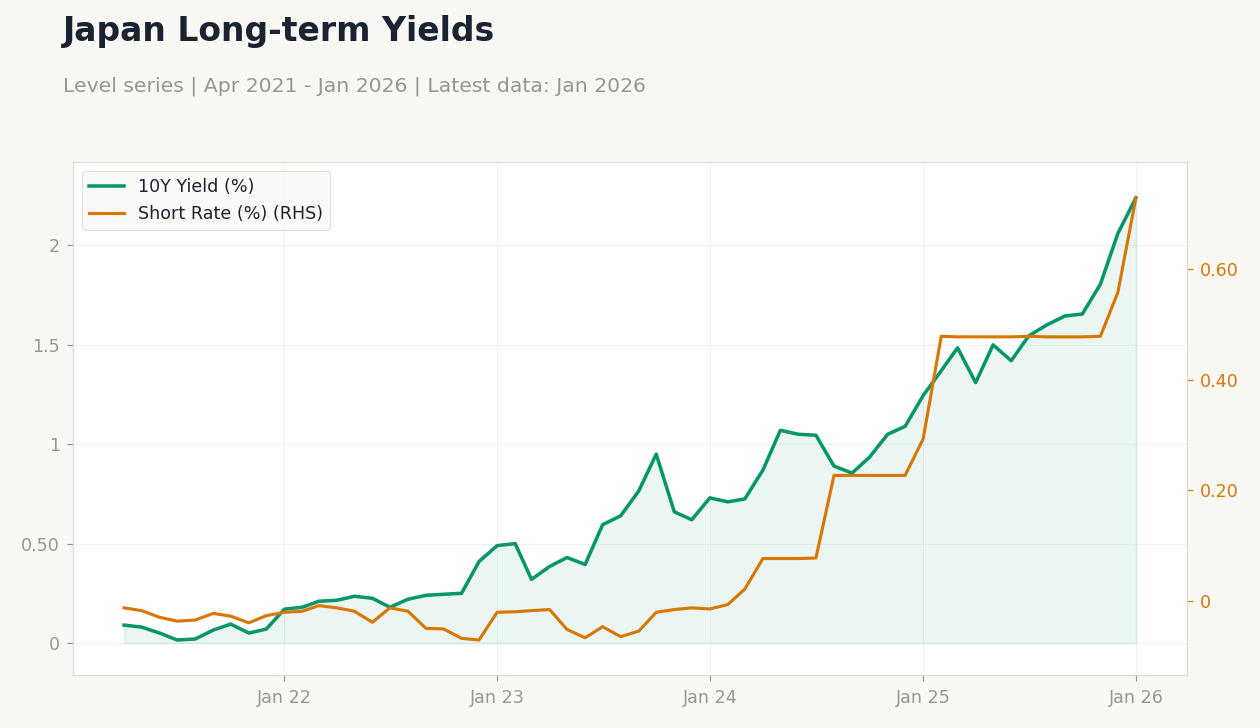
| Japan 10Y Govt Yield | 2.24% | +8.74% |
Prior Economic Events
| Data | Prior | Cons | Actual |
|---|---|---|---|
| No events available | |||
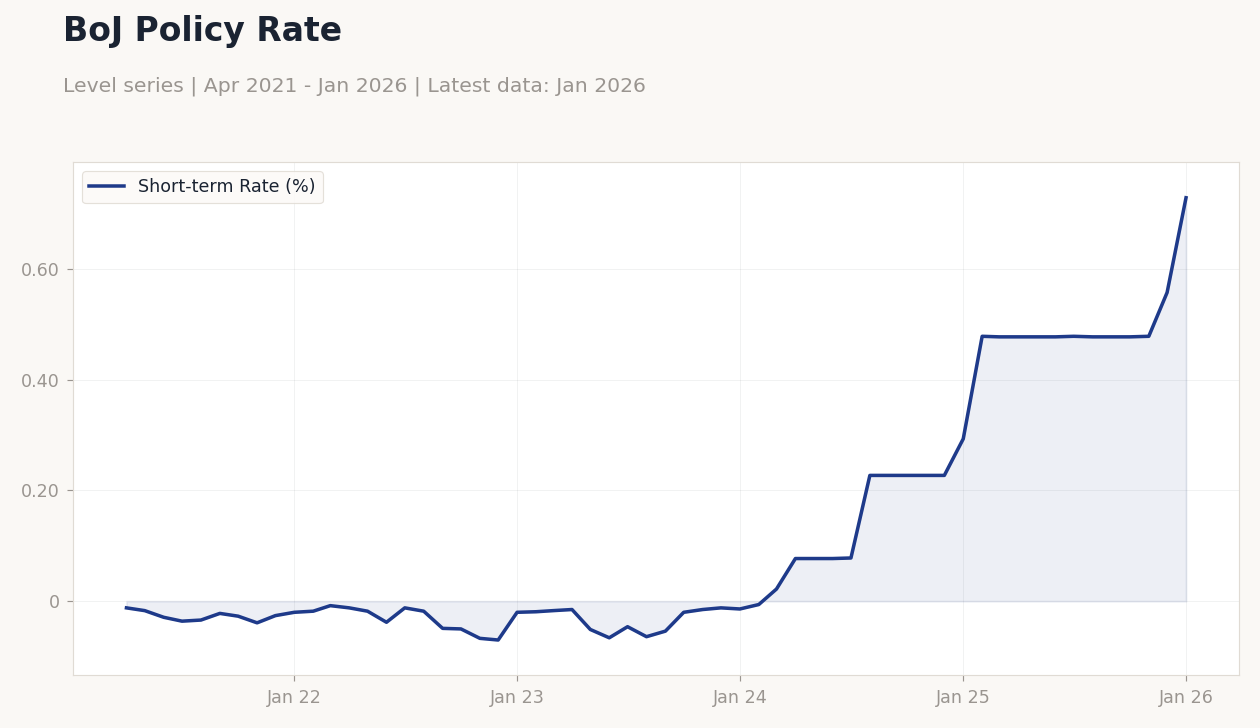 BoJ Policy Rate | Type: macro_line | Short-term Rate (%): 0.728 (2026-01-01) | Range: -0.07–0.728 | Trend(6pt): -0.012,-0.038,-0.064,0.227,0.557,0.728
Today's Economic Events
| Data | Prior | Cons | Time |
|---|---|---|---|
| Tuesday (2026-03-17) | |||
| Trade Balance | -1,152,700m | -485,000m | 19:50 |
| Exports Year-over-Year | 16.80 | 1.60 | 19:50 |
| Wednesday (2026-03-18) | |||
| Machinery Orders Month-over-Month | 19.10 | -9.50 | 19:50 |
| Machinery Orders Year-over-Year | 16.80 | - | 19:50 |
| Thursday (2026-03-19) | |||
| BoJ Gov Ueda Speech | - | - | 22:30 |
| BoJ Interest Rate Decision | 0.75 | 0.75 | 23:00 |
- Nikkei falls 1.16% to 53,819.61 amid risk aversion and tech weakness.
- USD/JPY up 0.21% to 159.55; JGB yields surge on tightening bets.
- Markets eye BoJ rate decision, consensus holds at 0.75% amid tensions.
Yesterday's Recap
Japanese markets ended lower on March 14, with the Nikkei 225 declining 1.16% to 53,819.61, pressured by global risk-off sentiment and tech sector softness linked to U.S. influences. The USD/JPY pair gained 0.21% to 159.55, signaling slight yen weakening despite elevated Middle East tensions boosting oil prices.
JGB yields rose sharply, with the 2-year yield increasing 30.70% to 0.73% and the 10-year yield up 8.74% to 2.24%, driven by expectations of BoJ policy normalization. EUR/JPY dropped 0.57% to 182.38, and GBP/JPY fell 0.65% to 211.18, reflecting broader currency pressures. Gold declined 1.06% to 5,061.70, while Brent crude slipped 1.54% to 98.91 amid volatility.
Bitcoin rose 0.77% to 71,764.47, showing crypto strength. No significant data releases occurred, but news highlighted mixed regional bank performances, such as Shiga Bank facing headwinds from rate shifts and Keiyo Bank edging higher. Trading stayed range-bound, with focus on the upcoming BoJ meeting for guidance.
The Day Ahead
Key events unfold next week, beginning Tuesday, March 17, with trade balance at 19:50 ET, consensus forecasting a deficit of -485 billion yen versus previous -1.1527 trillion yen. Exports year-over-year are expected at 1.6%, down from 16.8%, possibly indicating softer global demand. Wednesday, March 18, features machinery orders at 19:50 ET, with month-over-month consensus at -9.5% after 19.1%, and year-over-year consensus unavailable but tied to investment patterns.
Thursday, March 19, includes BoJ Governor Ueda's speech at 22:30 ET, followed by the interest rate decision at 23:00 ET, with consensus at 0.75% unchanged from previous. These could spark volatility in yen crosses and yields.
Other Economic Notes
Japan's economy grapples with mixed signals, including verified CPI year-over-year at -0.50% as of June 2021, pointing to persistent deflationary pressures despite recent wage and inflation discussions. Gasoline subsidies will restart next week as prices surpass 200 yen per liter, intended to alleviate consumer costs and bolster spending. Regional banks are adapting to evolving rate conditions; Shiga Bank faces challenges from policy shifts, while Keiyo Bank sees modest gains.
(cont...)