Japan Macro Daily(Beta Mode)
Yen Gains Amid BoJ Inflation Dilemma
Market Snapshot
| Asset | Level | Change |
|---|---|---|
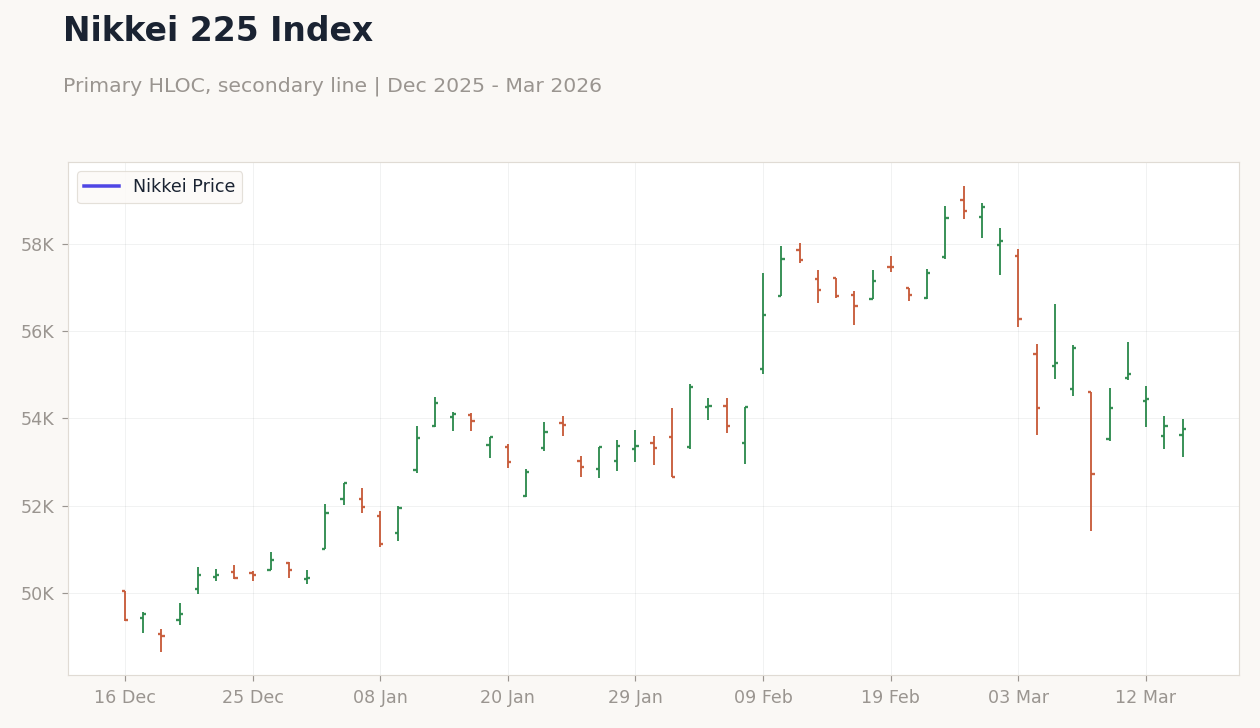
| Nikkei 225 | 53,751.15 | -0.13% |
| USD/JPY | 159.03 | -0.11% |
| EUR/JPY | 182.95 | -0.26% |
| GBP/JPY | 211.80 | -0.36% |
| Gold | 5,015.00 | -0.74% |
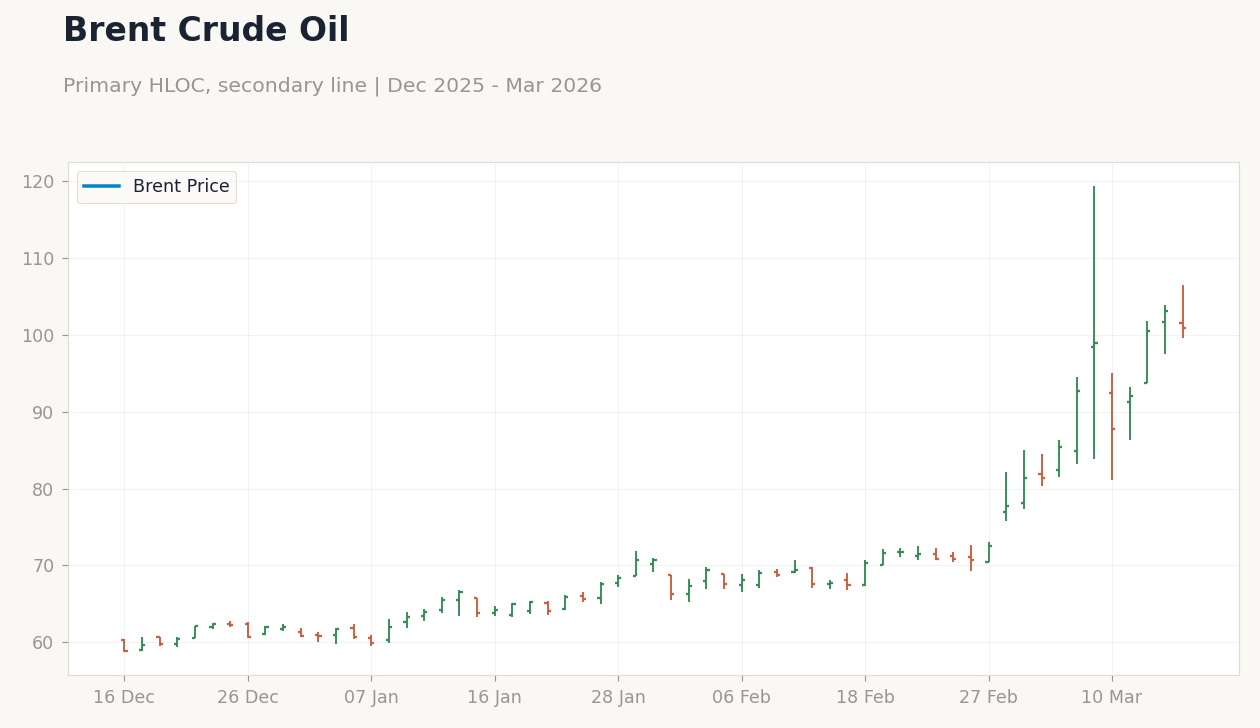
| Brent Crude | 100.86 | -2.21% |
| Bitcoin | 74,180.35 | +1.91% |
| Japan 2Y Govt Yield | 0.73% | +0.00% |
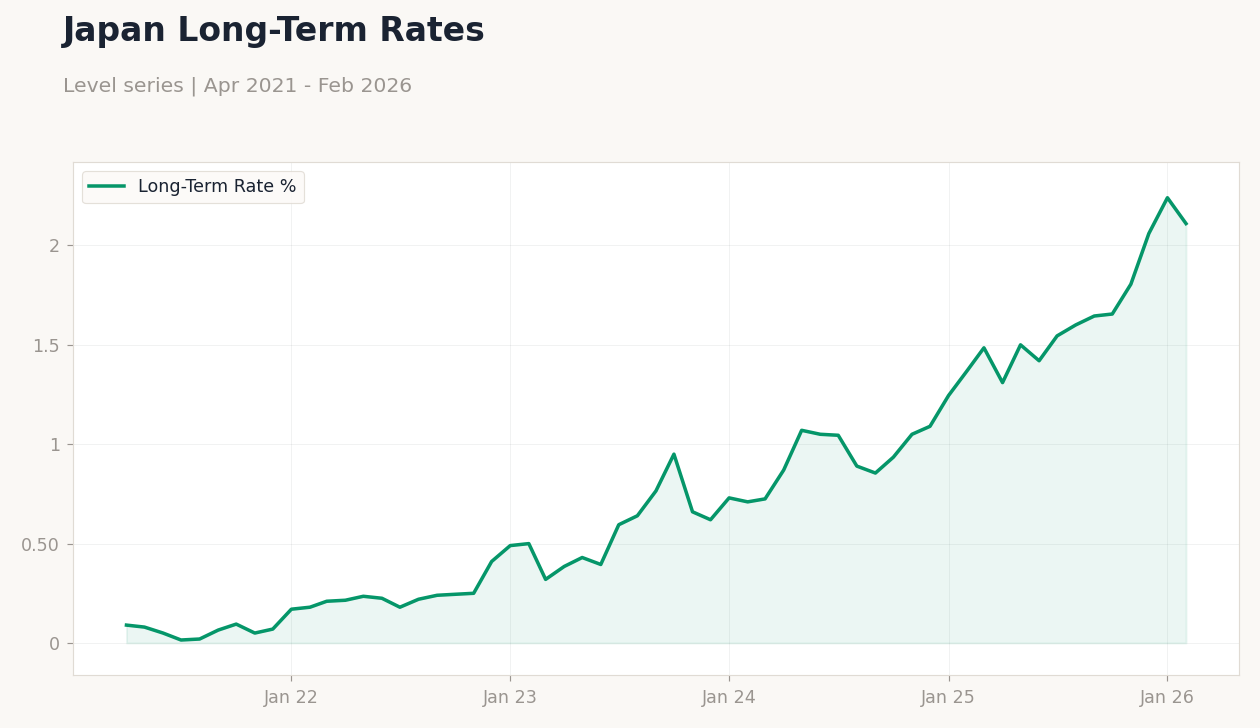
| Japan 10Y Govt Yield | 2.11% | -5.80% |
Prior Economic Events
| Data | Prior | Cons | Actual |
|---|---|---|---|
| No events available | |||
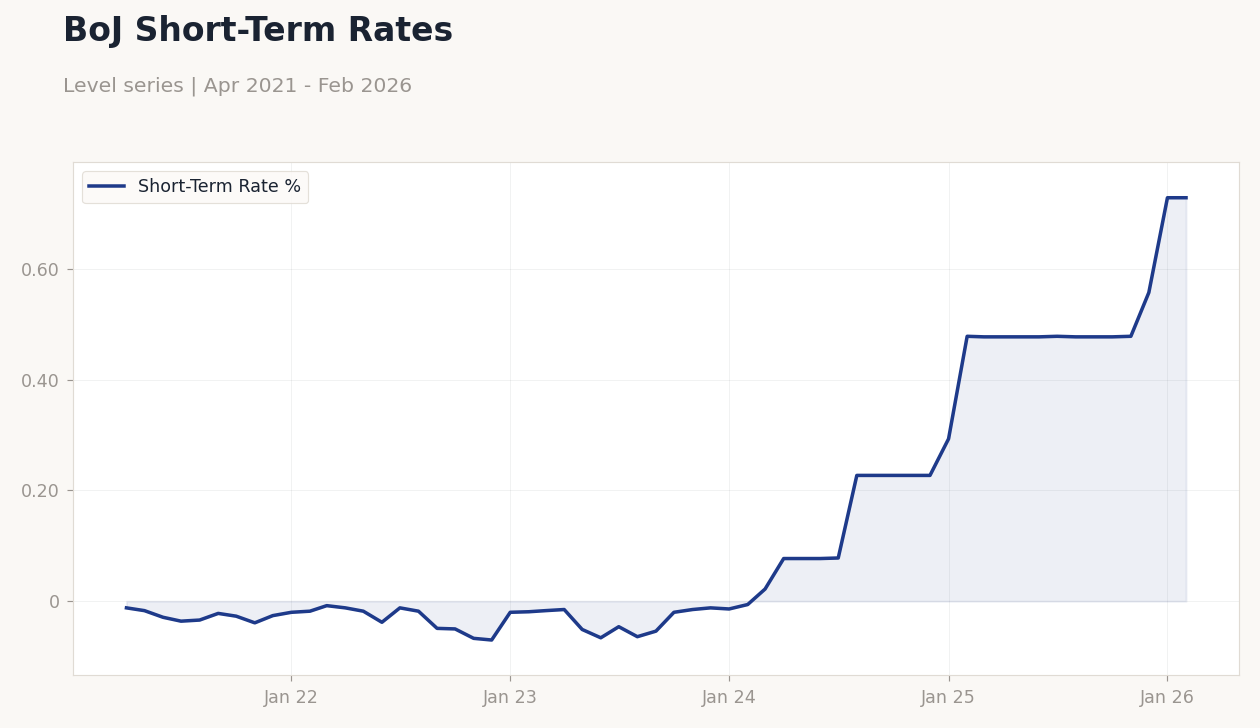 BoJ Short-Term Rates | Type: macro_line | Short-Term Rate %: 0.728 (2026-02-01) | Range: -0.07–0.728 | Trend(6pt): -0.012,-0.038,-0.064,0.227,0.557,0.728
Today's Economic Events
| Data | Prior | Cons | Time |
|---|---|---|---|
| Tuesday (2026-03-17) | |||
| Trade Balance | -1,152,700m | -483,200m | 19:50 |
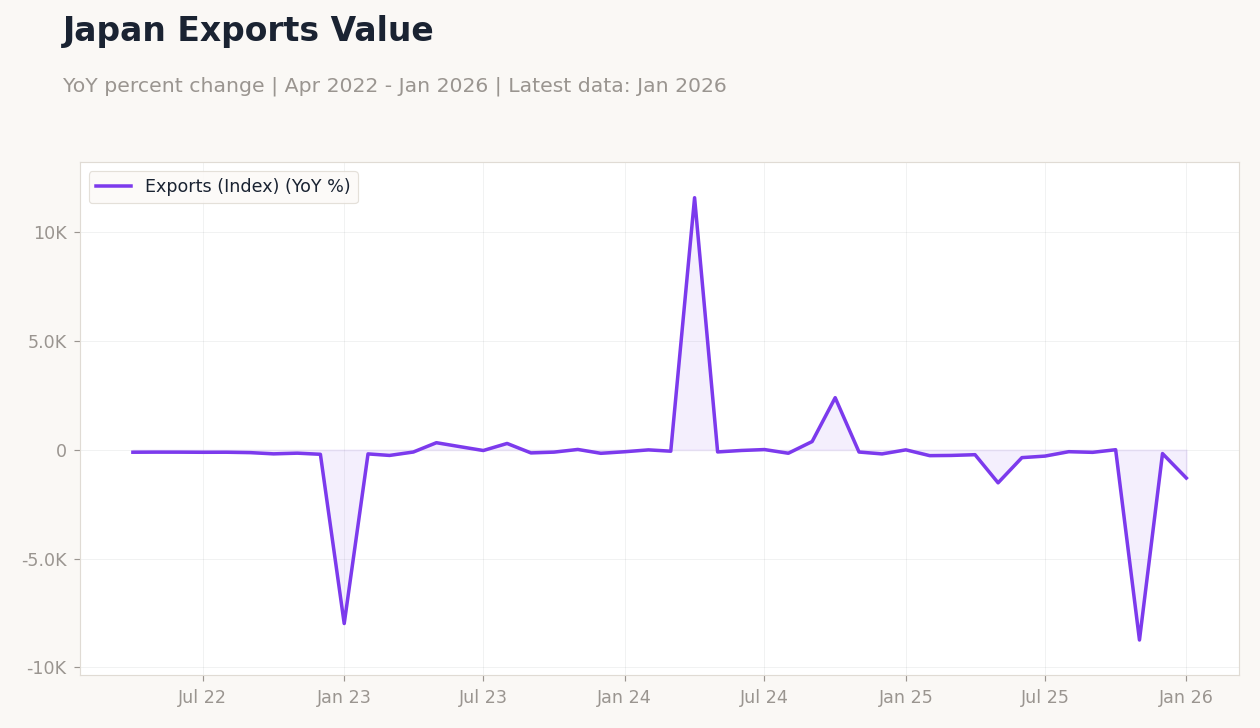
| Exports Year-over-Year | 16.80 | 1.60 | 19:50 |
| Wednesday (2026-03-18) | |||
| Machinery Orders Month-over-Month | 19.10 | -9.60 | 19:50 |
| Machinery Orders Year-over-Year | 16.80 | 10.50 | 19:50 |
| Thursday (2026-03-19) | |||
| BoJ Gov Ueda Speech | - | - | 22:30 |
| BoJ Interest Rate Decision | 0.75 | 0.75 | 23:00 |
| Monday (2026-03-23) | |||
- Yen strengthens slightly as USD/JPY falls 0.11% to 159.03, amid safe-haven flows and BoJ policy bets.
- Nikkei slips 0.13% to 53,751.15; 10Y JGB yield drops 5.80% to 2.11% on caution over global volatility.
- BoJ grapples with rate pressures from Iran conflict-driven inflation ahead of key decision.
Yesterday's Recap
Japanese markets closed mixed on March 15 with no major data releases, as the Nikkei 225 edged down 0.13% to 53,751.15 amid profit-taking in tech stocks despite broader Asian resilience. The USD/JPY pair slipped 0.11% to 159.03, reflecting mild yen strengthening on safe-haven flows, while EUR/JPY and GBP/JPY fell 0.26% and 0.36% respectively, driven by euro and pound weakness. Japan 10Y government bond yields dropped sharply by 5.80% to 2.11%, signaling market bets on prolonged BoJ caution amid global volatility, though the 2Y yield held steady at 0.73%.
Gold prices declined 0.74% to 5,015.00, and Brent crude fell 2.21% to 100.86, easing some energy-driven inflation concerns for import-reliant Japan. Bitcoin rose 1.91% to 74,180.35, providing a contrast to traditional assets. Overall, yen dynamics dominated, with forecasts highlighting potential volatility as tensions threaten economic stability.
The Day Ahead
Trade balance data for February releases on March 17 at 19:50 ET, with consensus expecting a narrower deficit of -483.2 billion yen versus the previous -1.1527 trillion yen, potentially signaling export recovery amid global demand shifts. Exports year-over-year are forecasted at 1.6%, down from 16.8%, which could pressure the yen if results undershoot amid weakening overseas markets. Machinery orders month-over-month and year-over-year release on March 18 at 19:50 ET, with expectations of -9.6% and 10.5% respectively, offering insights into capital investment trends.
BoJ Governor Ueda's speech on March 18 at 22:30 ET may provide clues on policy direction ahead of the interest rate decision at 23:00 ET, where rates are consensus-held at 0.73%. Inflation rate and core inflation year-over-year data arrive on March 23 at 19:30 ET, influencing longer-term BoJ normalization signals.
Other Economic Notes
Broader Japanese economic themes center on yen volatility, with officials like Katayama signaling potential decisive FX intervention to curb threats to stability. Inflation risks from Middle East conflicts, particularly Iran tensions, complicate BoJ's policy balance, as soaring oil prices could accelerate rate-hike timelines. Wage growth and domestic demand remain key, with real wages showing positive trends that support gradual policy normalization without derailing recovery.