Japan Macro Daily(Beta Mode)
Yen Weakens on Soft Spending Data
Market Snapshot
| Asset | Level | Change |
|---|---|---|
| Nikkei 225 | 53,413.68 | +0.55% |
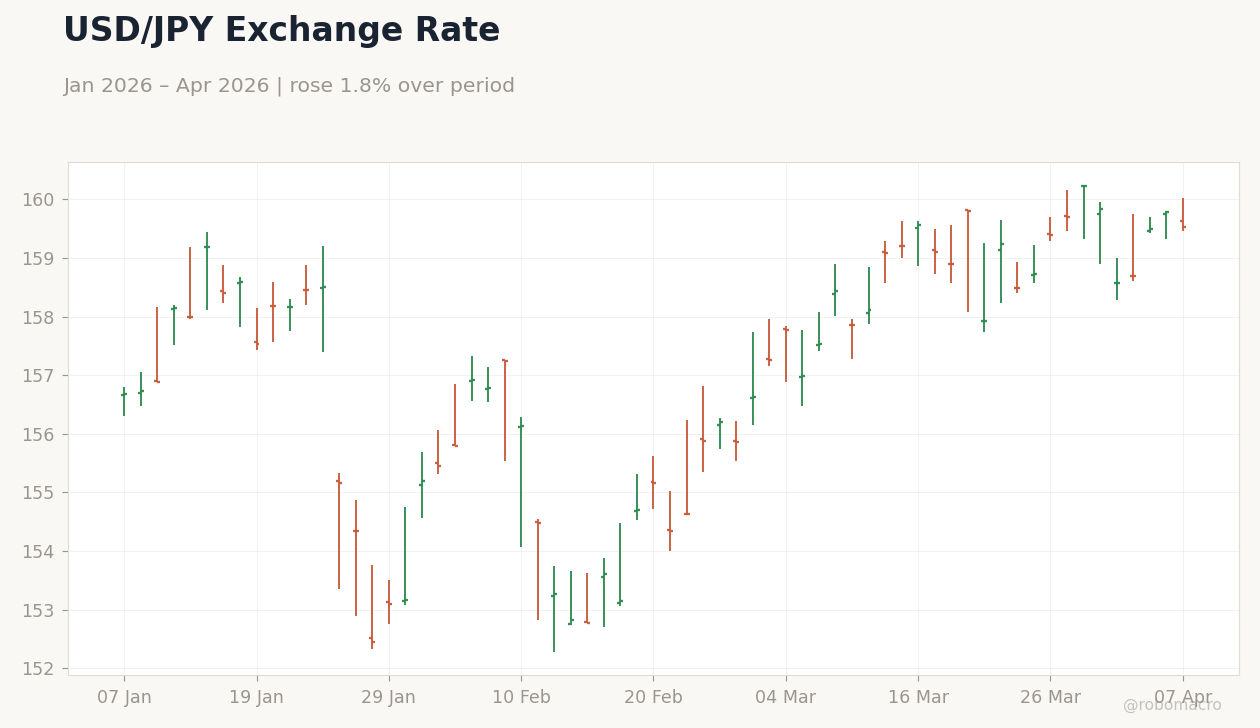
| USD/JPY | 159.53 | -0.16% |
| EUR/JPY | 185.02 | +0.61% |
| GBP/JPY | 212.15 | +0.70% |
| Gold | 4,733.30 | +1.64% |
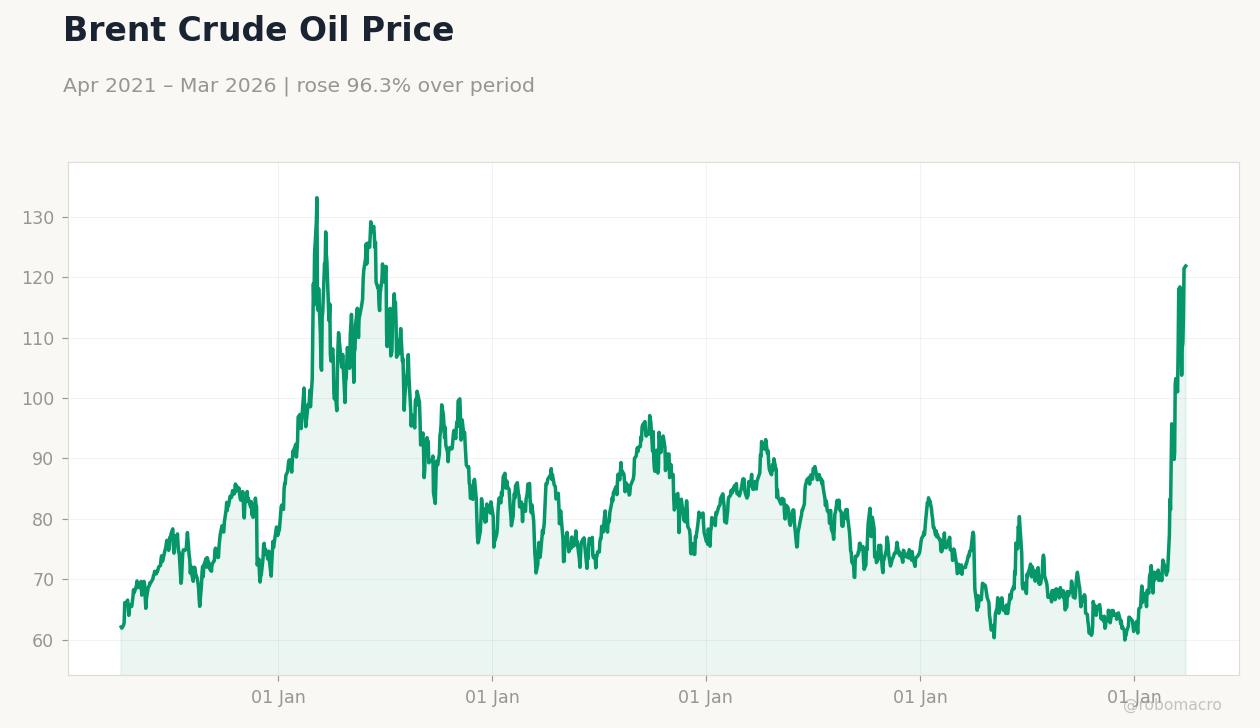
| Brent Crude | 105.47 | -3.92% |
| Bitcoin | 69,884.92 | +1.49% |
| Japan 2Y Govt Yield | 0.73% | +0.00% |
| Japan 10Y Govt Yield | 2.11% | -5.80% |
Prior Economic Events
| Data | Prior | Cons | Actual |
|---|---|---|---|
| Household Spending Month-over-Month | -2.50 | 2.60 | 1.50 |
| Household Spending Year-over-Year | -1 | -0.70 | -1.80 |
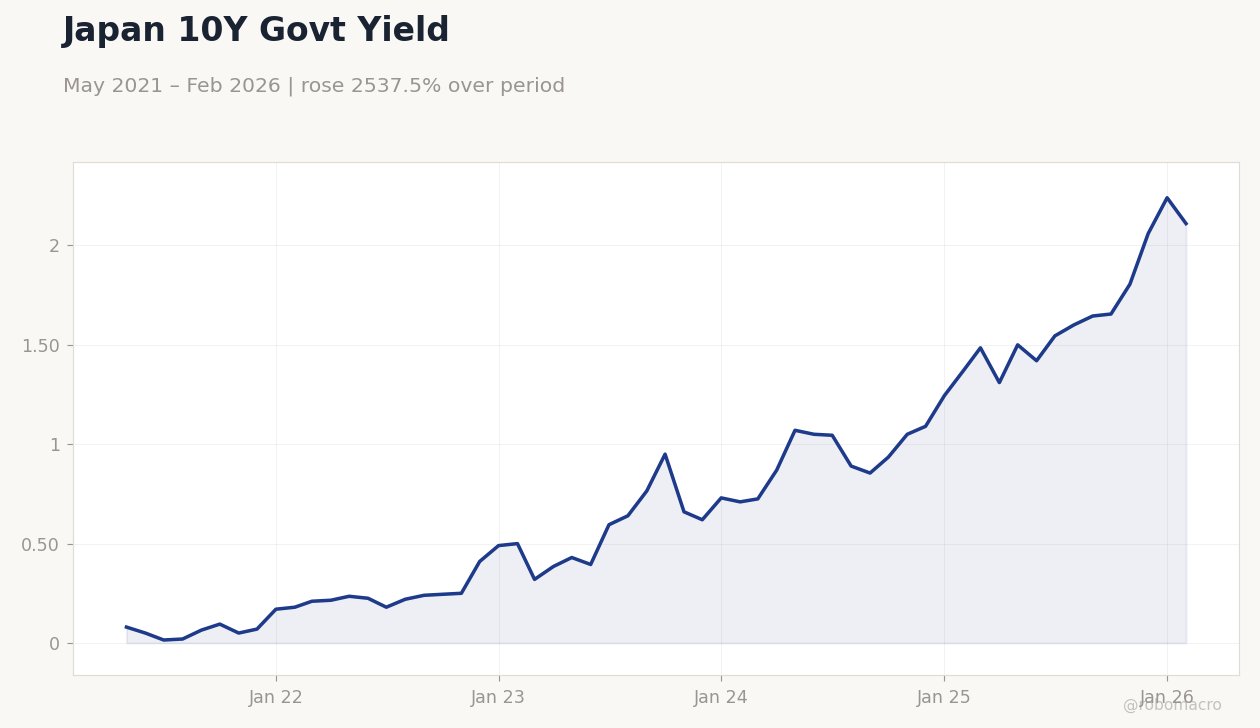 Japan 10Y Govt Yield | Type: macro_line | 10Y Yield %: 2.11 (2026-02-01) | Range: 0.015–2.24 | Trend(6pt): 0.08,0.18,0.765,1.05,2.24,2.11
Today's Economic Events
| Data | Prior | Cons | Time |
|---|---|---|---|
| Current Account Balance | 941,600m | 3,549,000m | 15:50 |
| Thursday (2026-04-09) | |||
| Consumer Confidence Index | 40 | 38 | 21:00 |
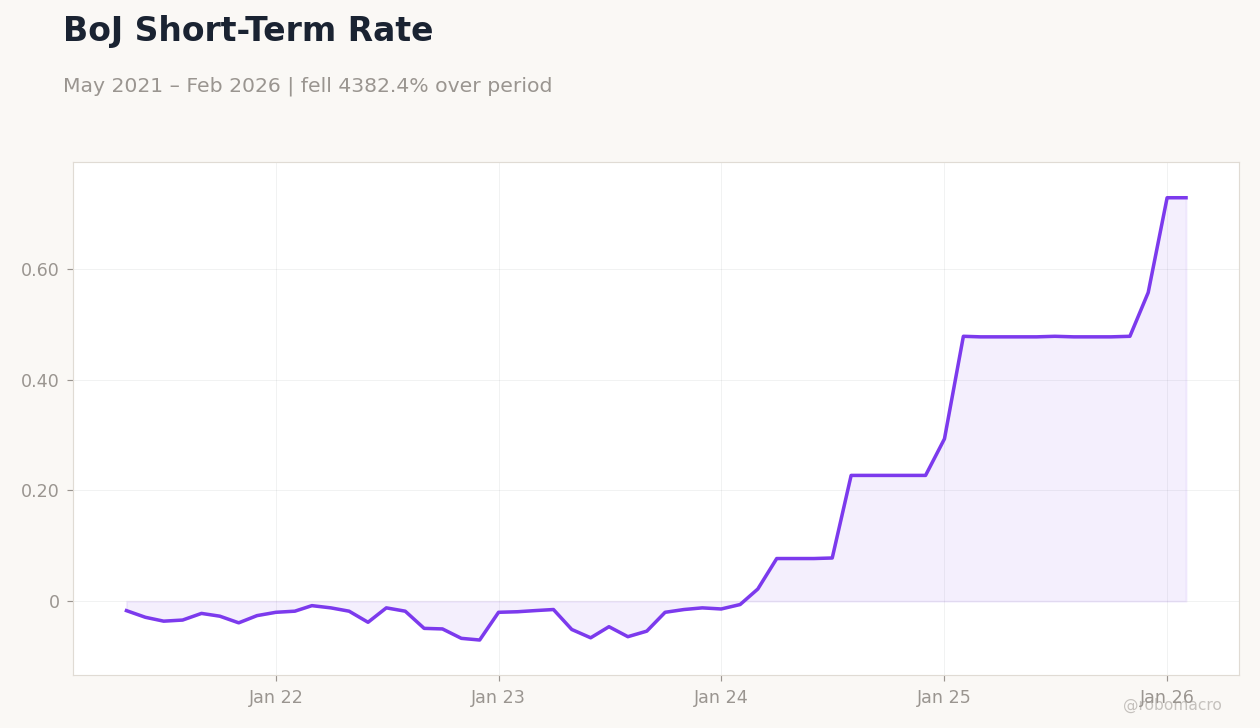
- Household spending undershot forecasts, pushing USD/JPY toward 160 and raising intervention risks amid BoJ's steady policy.
- Nikkei gained modestly while JGB yields declined, amid mixed sentiment from global tensions and oil surges.
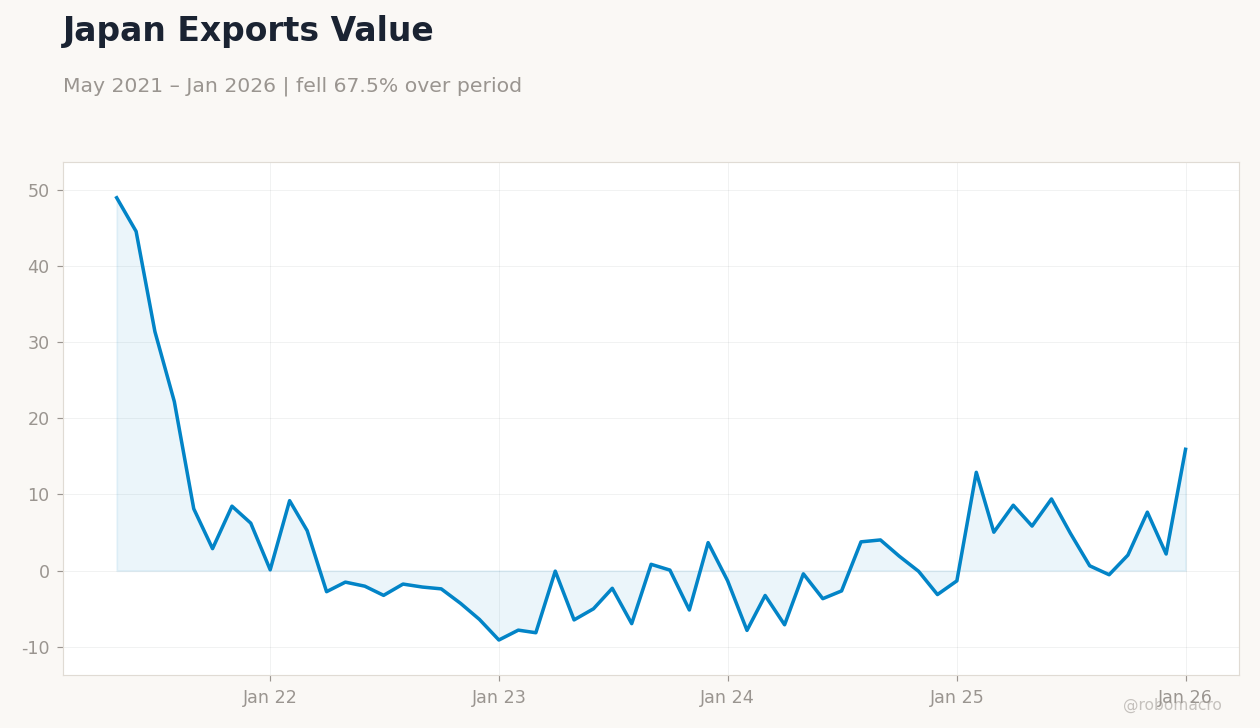
- US-Iran conflict boosts energy costs, straining Japan's imports and pressuring yen crosses.
Yesterday's Recap
Japan's household spending data underperformed, with month-over-month growth at 1.5% versus consensus 2.6%, indicating ongoing consumer restraint amid economic pressures. Year-over-year, spending fell 1.8%, below the expected -0.7%, intensifying yen depreciation as markets monitored potential intervention around USD/JPY 160. The Nikkei 225 advanced 0.55% to 53,413.68, aided by exporter benefits from a weaker currency despite volatility.
USD/JPY eased 0.16% to 159.53, but reports noted post-data declines with the pair nearing key thresholds. JGB 10-year yields decreased to 2.11% with a -5.80% change, signaling safe-haven demand amid uncertainties, while the 2-year yield remained at 0.73% with no change. EUR/JPY climbed 0.61% to 185.02 and GBP/JPY rose 0.70% to 212.15, fueled by rising oil prices from US-Iran tensions.
Markets absorbed the weak data alongside BoJ's unchanged rates, tempering equity gains.
The Day Ahead
Today's highlight is Japan's current account balance at 15:50 ET, with consensus at ¥3.549 trillion against prior ¥0.942 trillion, which could bolster yen sentiment if surpluses expand. Tomorrow has no events listed, but focus turns to the consumer confidence index on April 8 at 21:00 ET, forecasted at 38 from prior 40, a high-impact measure of household sentiment. Traders will watch for impacts from global developments, including US-Iran escalations affecting energy markets.
Attention remains on BoJ cues amid yen fluctuations. Expect movements in Nikkei, JGBs, and currency pairs linked to these releases and broader dynamics, with potential for subdued trading absent surprises.
Other Economic Notes
Japan faces persistent deflationary challenges, with verified CPI YoY at -0.50%, complicating efforts toward stable inflation and policy shifts. Rising Brent crude at $105.47 (-3.92% change) heightens import vulnerabilities due to Middle East disruptions, pressuring trade balances. Yen weakness near multi-decade lows erodes exporter edges, spurring talks of fiscal support.
Gold at $4,733.30 (+1.64%) and Bitcoin at $69,884.92 (+1.49%) show safe-haven trends, offering indirect yen backing but countered by depreciation.