Japan Macro Daily(Beta Mode)
Yen Surges on US-Japan Intervention
Market Snapshot
| Asset | Level | Change |
|---|---|---|
| Nikkei 225 | 64,362.02 | +4.03% |
| USD/JPY | 157.16 | -1.89% |
| EUR/JPY | 181.44 | -1.70% |
| GBP/JPY | 212.06 | -1.65% |
| Gold | 4,107.00 | +0.17% |
| Brent Crude | 90.12 | +1.22% |
| Bitcoin | 63,415.95 | +1.04% |
| Japan 2Y Govt Yield | 0.84% | +15.68% |
| Japan 10Y Govt Yield | 2.67% | +0.75% |
Prior Economic Events
| Data | Prior | Cons | Actual |
|---|---|---|---|
| No events available | |||
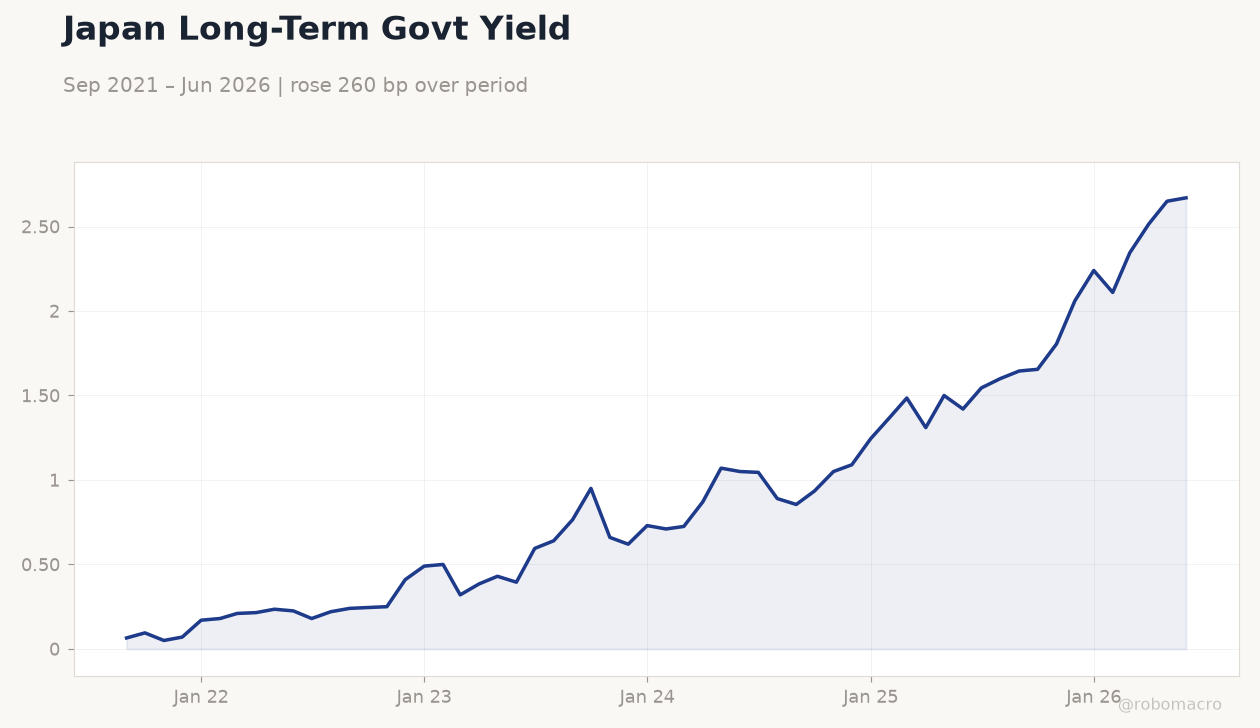 Japan Long-Term Govt Yield | Type: macro_line | %: 2.67 (2026-06-01) | Range: 0.05–2.67 | Trend(6pt): 0.065,0.25,0.73,1.485,2.65,2.67
Today's Economic Events
| Data | Prior | Cons | Time |
|---|---|---|---|
| Tuesday (2026-08-04) | |||
| BoJ Monetary Policy Meeting Minutes | - | - | 19:50 |
| Thursday (2026-08-06) | |||
| Household Spending Month-over-Month | 3.70 | - | 19:30 |
| Household Spending Year-over-Year | -0.40 | 0.90 | 19:30 |
| Sunday (2026-08-09) | |||
| BoJ Summary of Opinions Level | - | - | 19:50 |
| Current Account Balance | 3,968,000m | - | 19:50 |
- Coordinated US-Japan action lifts yen to 157.16
- Nikkei jumps 4.03% as currency volatility eases
- BoJ minutes and household spending data due this week
Yesterday's Recap
Japanese authorities and US Treasury Secretary Bessent executed joint yen purchases estimated at $5-10 billion, driving USD/JPY down 1.89% to 157.16. The intervention reversed months of yen depreciation and triggered a broad rally across Japanese assets. The Nikkei 225 surged 4.03% to 64,362.02 while the 2-year JGB yield climbed 15.68% to 0.84% and the 10-year yield rose 0.75% to 2.67%.
EUR/JPY and GBP/JPY also fell more than 1.6% as the move spilled into cross rates. Market participants interpreted the action as confirmation that Tokyo and Washington view the yen as substantially undervalued. Gold and Brent crude posted modest gains while Bitcoin rose 1.04%, reflecting broader risk-on sentiment after the currency stabilization.
No major domestic data releases occurred on 1 August, leaving the intervention as the dominant driver of price action.
The Day Ahead
Attention turns to the Bank of Japan Monetary Policy Meeting Minutes scheduled for release on 4 August at 19:50 ET. Those minutes will provide fresh detail on the committee’s assessment of inflation risks tied to the weak yen. On 6 August, household spending figures for June are due, with consensus expecting a 0.9% year-over-year increase after the prior -0.4% print.
The current account balance and BoJ Summary of Opinions follow on 9 August. Markets will also monitor any follow-through statements from US Treasury officials on further yen support. Volatility in USD/JPY is expected to remain elevated until the next policy signals emerge.
Other Economic Notes
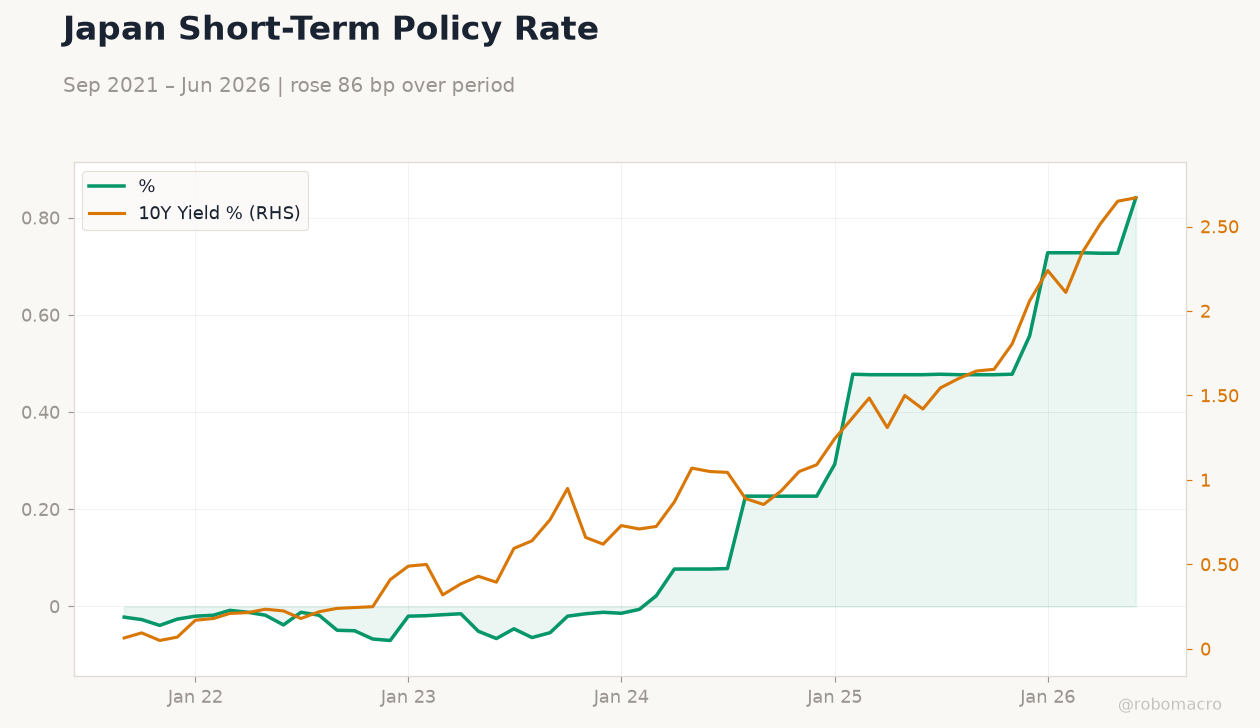
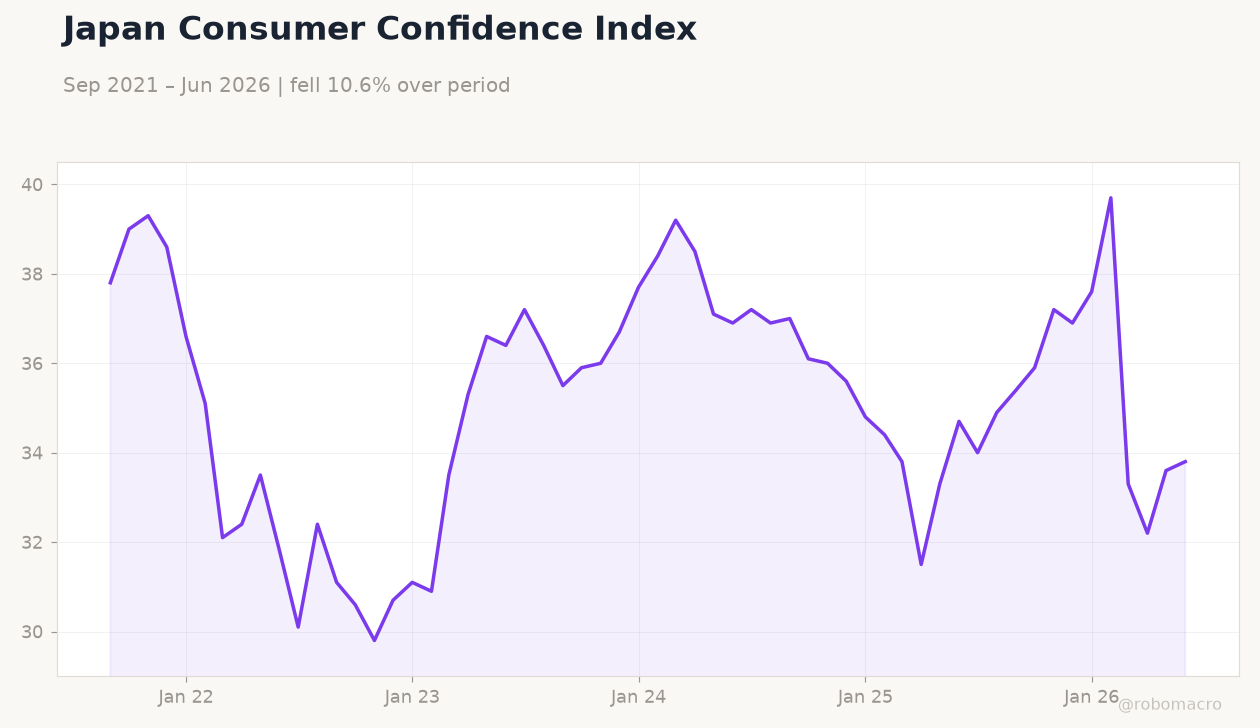
Japan’s CPI rose 1.70% year-over-year through June, keeping real yields negative despite the recent lift in nominal JGB yields. The BoJ policy rate stands at 0.84%, leaving ample room for further normalization if wage and price pressures persist. Household spending data will test whether currency stabilization translates into improved consumer confidence.
Export-oriented sectors should benefit from reduced imported inflation, yet importers face margin pressure until the yen settles. Policymakers continue to flag the weak yen as a key upside risk to the inflation outlook.