Korea Macro Daily(Beta Mode)
Kospi Tanks on Oil Surge
Market Snapshot
| Asset | Level | Change |
|---|---|---|
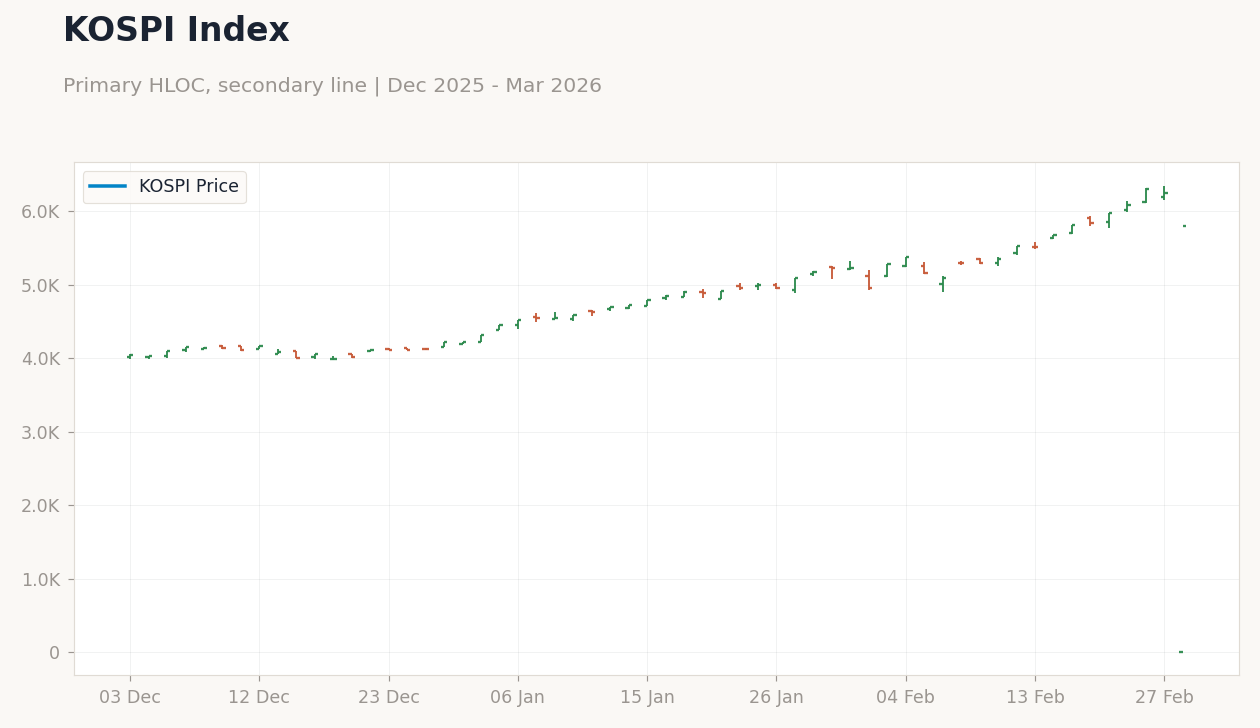
| KOSPI | 5,791.91 | -7.24% |
| KOSDAQ | 1,137.70 | -4.62% |
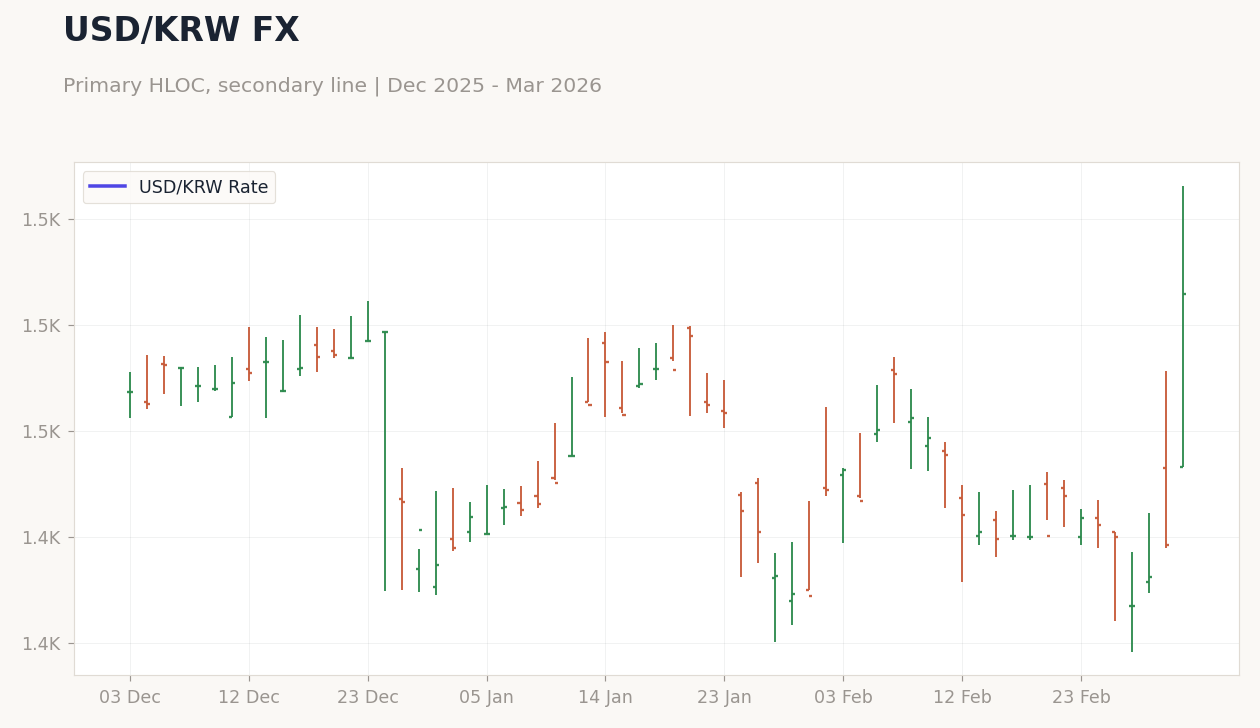
| USD/KRW | 1,480.12 | +2.89% |
| Samsung | 204,000.00 | -5.77% |
| SK Hynix | 996,000.00 | -6.13% |
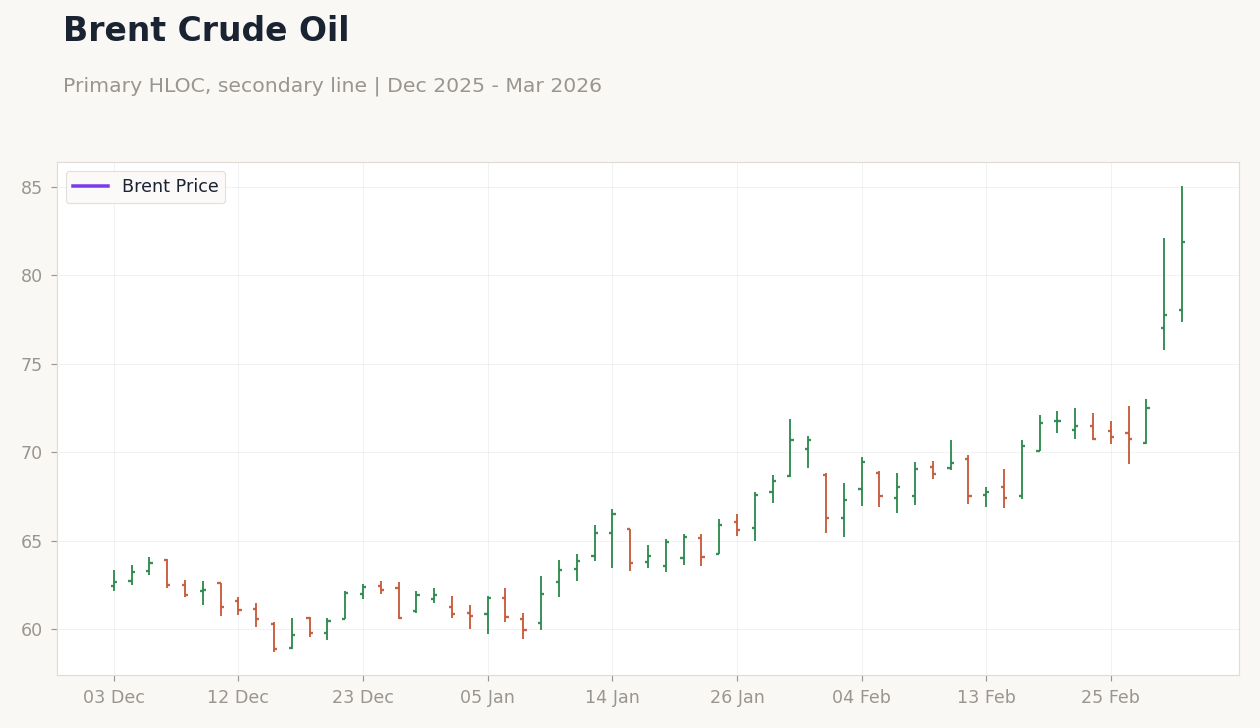
| Brent Crude | 81.93 | +5.39% |
| Gold | 5,102.00 | -3.63% |
| Bitcoin | 68,502.47 | -0.40% |
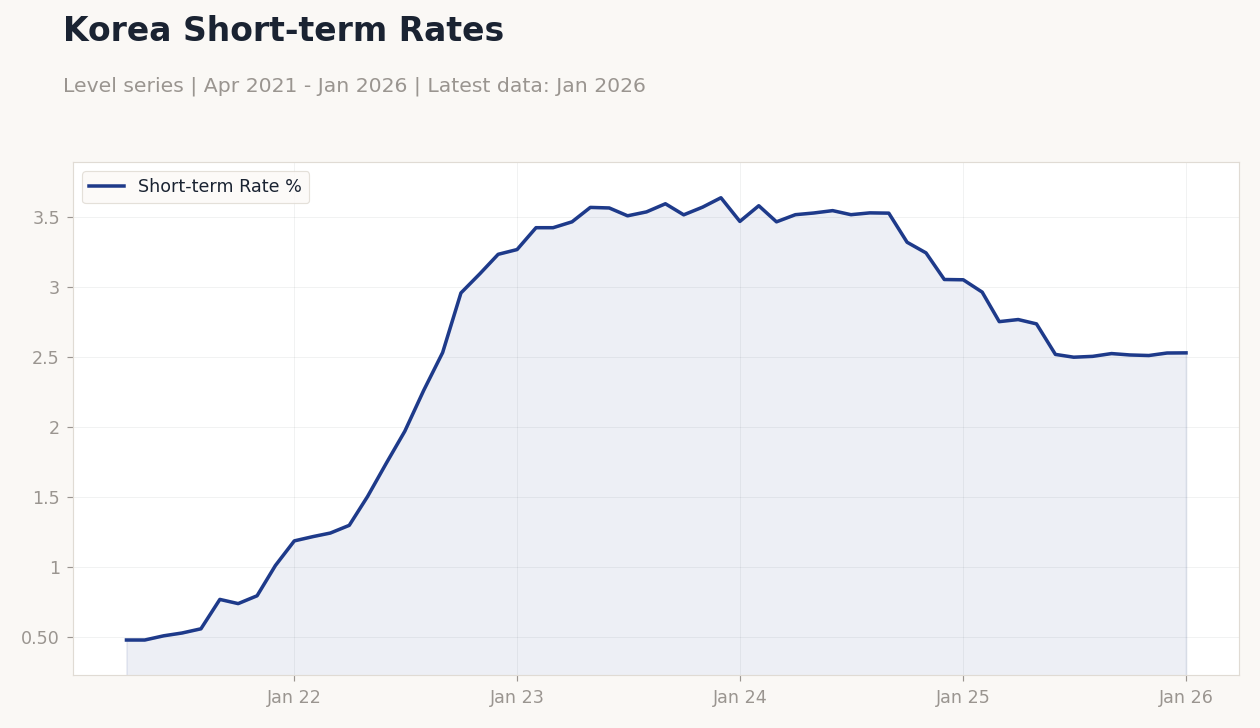
| Korea Short-term Rate | 2.53% | +0.04% |
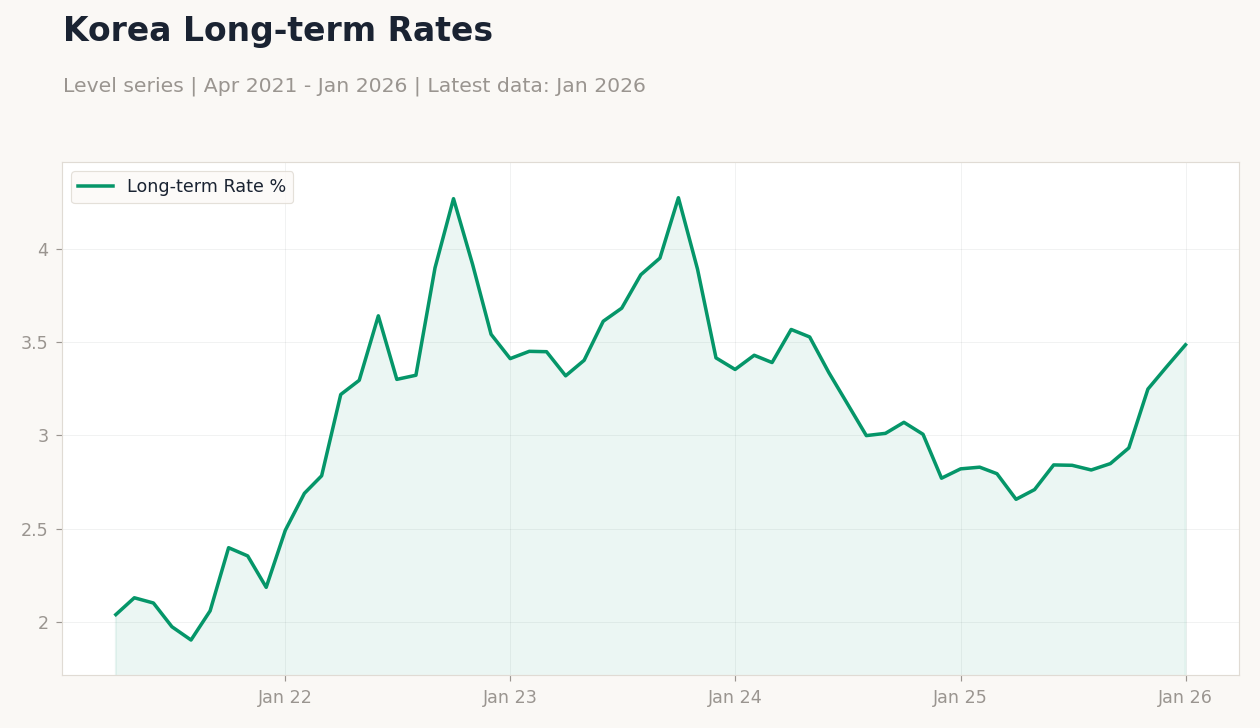
| Korea Long-term Rate | 3.48% | +3.54% |
Prior Economic Events
| Data | Prior | Cons | Actual |
|---|---|---|---|
| S&P Global Manufacturing PMI Index | 51.20 | - | 51.10 |
Today's Economic Events
| Data | Prior | Cons | Time |
|---|---|---|---|
| Thursday (2026-03-05) | |||
| Inflation Rate Year-over-Year | 2 | 2.10 | 13:00 |
- Kospi plunged 7.24% amid oil shock from Iran tensions, dragging Samsung and SK Hynix lower.
- Manufacturing PMI edged down to 51.1, signaling modest slowdown in factory activity.
- Won weakened sharply with USD/KRW up 2.89%, pressured by global risk-off sentiment.
Yesterday's Recap
South Korea's S&P Global Manufacturing PMI dipped slightly to 51.1 in February from 51.2 prior, indicating a marginal softening in industrial momentum amid export uncertainties. The Kospi index suffered its worst day in 19 months, closing down 7.24% at 5,791.91, as geopolitical tensions in the Middle East fueled risk aversion and hit export-heavy sectors. Kosdaq fell 4.62% to 1,137.70, with tech and biotech names leading the decline.
Samsung Electronics dropped 5.77% to 204,000 won, while SK Hynix slid 6.13% to 996,000 won, reflecting broader semiconductor weakness tied to global demand fears. USD/KRW rose 2.89% to 1,480.12, as safe-haven dollar buying intensified amid oil price volatility. Defense stocks bucked the trend, with Hanwha Aerospace surging 20% on heightened regional security concerns.
Korea's long-term rate climbed 3.54% to 3.48%, mirroring bets on sustained policy tightness.
The Day Ahead
Markets eye a quiet session today with no major Korean data releases scheduled. Attention shifts to Thursday's inflation report, where year-over-year CPI is expected at 2.1%, up from 2.0% prior, potentially influencing Bank of Korea rate expectations. Any upside surprise could pressure the won further and weigh on equities, given export sensitivity to currency moves.
Broader focus remains on global oil dynamics, which may drive intraday volatility in energy-linked stocks. Semiconductor firms like Samsung could see continued scrutiny amid AI demand reports from regional peers.
Other Economic Notes
South Korea's economy benefits from AI-driven semiconductor demand, fueling rebounds in exports despite global headwinds. However, rising oil prices from Middle East conflicts threaten import costs and inflation passthrough, challenging export-led growth. Defense sector gains highlight diversification amid geopolitical risks, potentially offsetting tech sector drags.