Mexico Macro Daily(Beta Mode)
Peso Slides, Bonds Rally
Market Snapshot
| Asset | Level | Change |
|---|---|---|
| IPC Bolsa | 65,199.40 | -0.88% |
| USD/MXN | 17.84 | +1.08% |
| EUR/MXN | 20.47 | +0.48% |
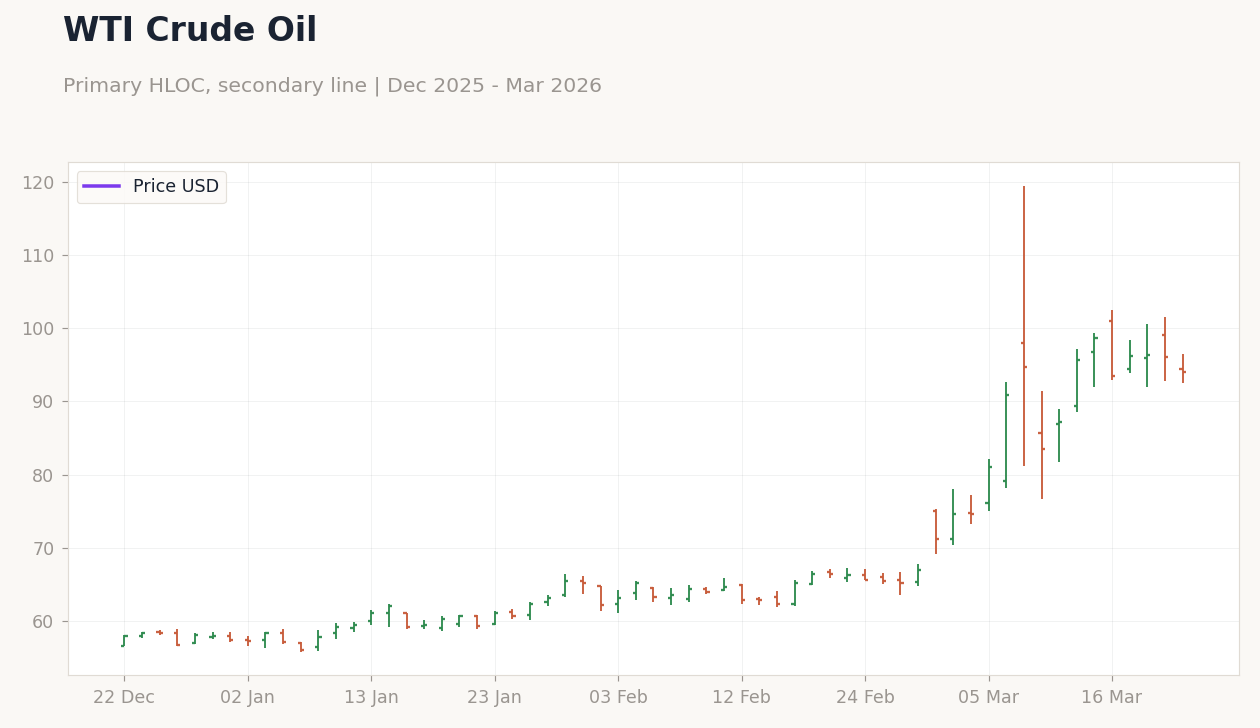
| WTI Crude | 94.41 | -1.80% |
| Silver | 72.08 | +1.67% |
| Gold | 4,666.60 | +1.43% |
| Brent Crude | 103.65 | -4.60% |
| Bitcoin | 70,456.89 | +0.78% |
| Mexico Short-term Rate | 5.56% | -1.24% |
| Mexico Long-term Rate | 8.74% | -5.10% |
Prior Economic Events
| Data | Prior | Cons | Actual |
|---|---|---|---|
| No events available | |||
 Mexico Short-term Rates | Type: macro_line | Short Rate %: 5.56 (2026-02-01) | Range: 3.05–8.79 | Trend(6pt): 3.11,4.89,8.35,8.25,5.7,5.56
Today's Economic Events
| Data | Prior | Cons | Time |
|---|---|---|---|
| No events available | |||
- Mexican peso weakened against the dollar amid global risk aversion, with USD/MXN up 1.08% to 17.84.
- IPC Bolsa index declined 0.88% to 65,199.40, weighed by falling oil prices and commodity shifts.
- Bond yields fell, with short-term rates down 1.24% to 5.56% and long-term rates dropping 5.10% to 8.74%, signaling easing bets.
Yesterday's Recap
Mexican markets showed mixed results on March 19, as the IPC Bolsa index dropped 0.88% to 65,199.40, hit by weakness in energy stocks from declining crude prices. USD/MXN rose 1.08% to 17.84, driven by emerging market outflows and a firmer U.S. dollar.
EUR/MXN increased 0.48% to 20.47, aided by euro resilience amid tensions. Bonds rallied, with the short-term rate falling 1.24% to 5.56% and long-term rate declining 5.10% to 8.74%, reflecting investor expectations for monetary easing on inflation trends. Commodities pressured sentiment, with WTI crude down 1.80% to 94.41 and Brent crude off 4.60% to 103.65, affecting oil sectors.
Precious metals countered somewhat, silver up 1.67% to 72.08 and gold rising 1.43% to 4,666.60, supporting mining shares. Bitcoin edged 0.78% higher to 70,456.89. No key economic data was released, leaving markets responsive to global and commodity cues.
The Day Ahead
March 20's calendar is empty for Mexican data or events, shifting focus to external factors. Traders will watch U.S. indicators and Fed remarks for USMCA trade implications.
Nearshoring could draw attention, potentially aiding peso if investment rises. Commodity trends in oil and metals will impact exports. Banxico may signal if volatility spikes.
Expect consolidation in IPC Bolsa and currency pairs unless geopolitics intensifies.
Other Economic Notes
Nearshoring drives manufacturing inflows from the U.S. and Asia, boosting northern industrial activity and jobs despite global slowdowns. USMCA supports automotive and electronics exports, aiding GDP amid stable tariffs.
However, energy cost hikes and commodity swings challenge inflation and budgets. Remittances, key for peso, face risks from U.S. job softening.