Mexico Macro Daily(Beta Mode)
Confidence Dips, Stocks Rally
Market Snapshot
| Asset | Level | Change |
|---|---|---|
| IPC Bolsa | 69,702.02 | +1.59% |
| USD/MXN | 17.85 | +0.15% |
| EUR/MXN | 20.61 | -0.23% |
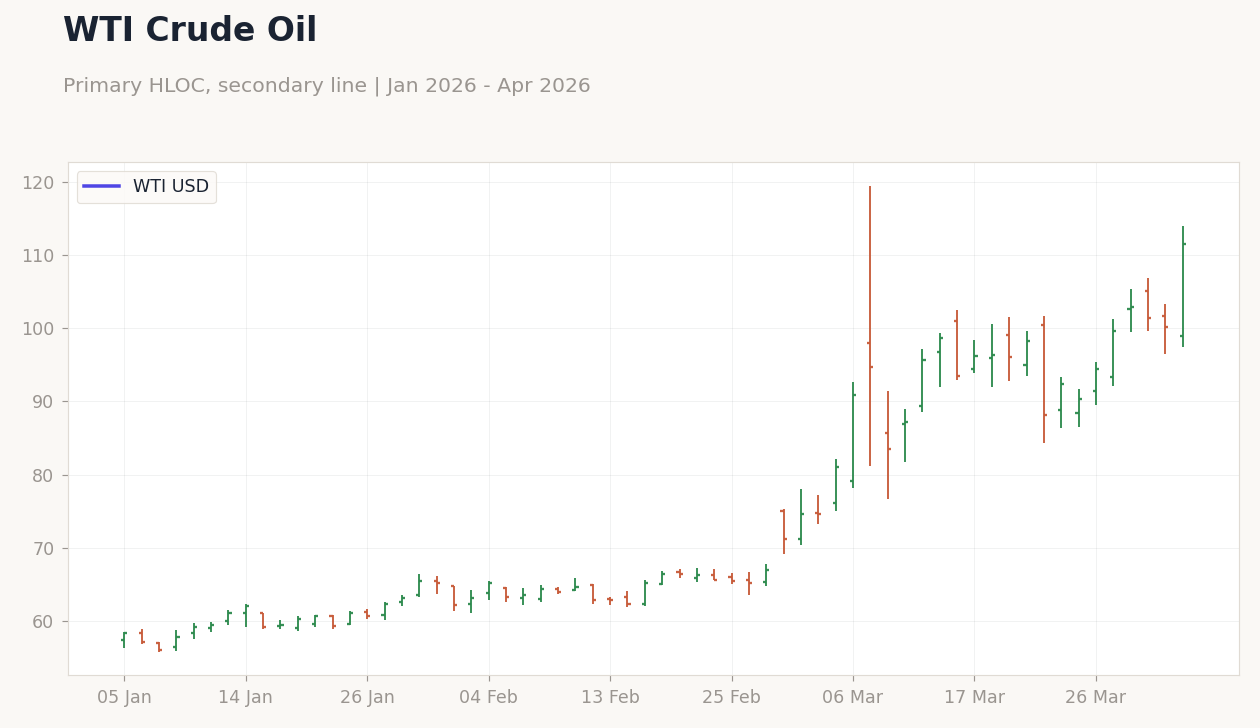
| WTI Crude | 111.54 | +11.41% |
| Silver | 72.74 | -4.13% |
| Gold | 4,651.50 | -2.75% |
| Brent Crude | 109.03 | +7.78% |
| Bitcoin | 67,001.47 | +0.17% |
| Mexico Short-term Rate | 5.56% | -1.24% |
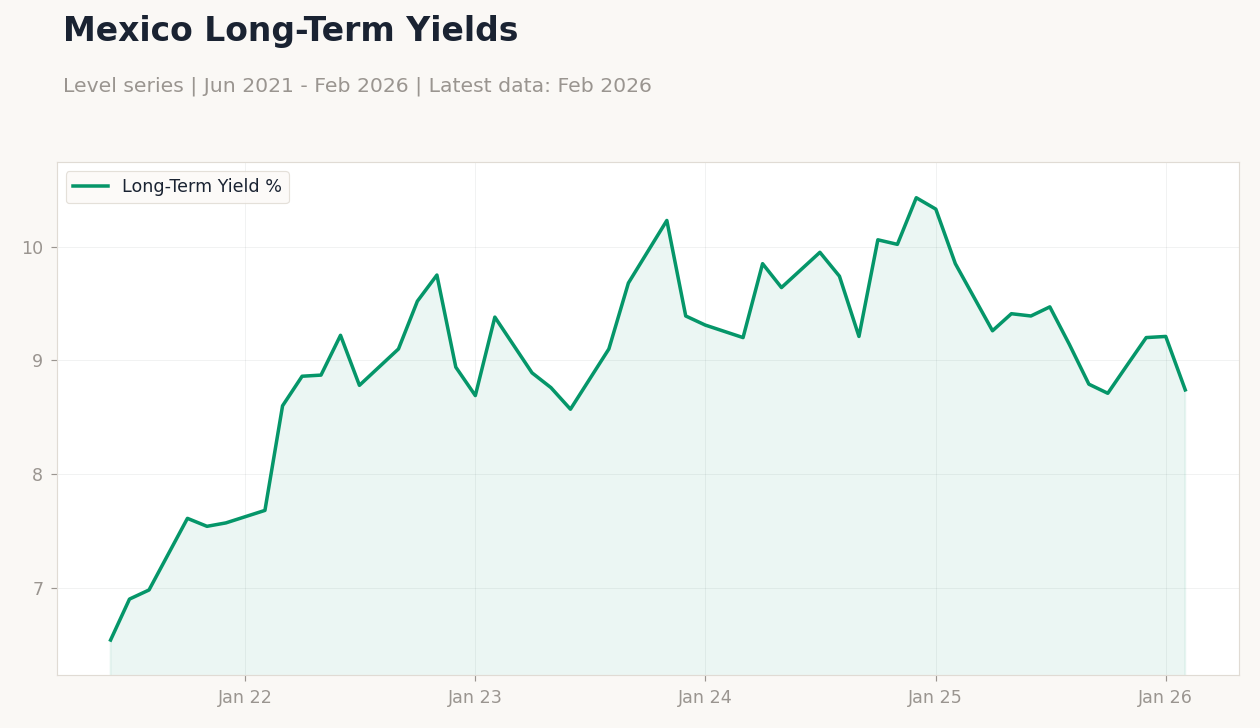
| Mexico Long-term Rate | 8.74% | -5.10% |
Prior Economic Events
| Data | Prior | Cons | Actual |
|---|---|---|---|
| Business Confidence Index | 48.30 | - | 47.80 |
 Mexico Short-Term Rates | Type: macro_line | Short-Term Rate %: 5.56 (2026-02-01) | Range: 3.05–8.79 | Trend(6pt): 3.08,5.18,8.45,8.1,5.63,5.56
Today's Economic Events
| Data | Prior | Cons | Time |
|---|---|---|---|
| No events available | |||
- Business Confidence Index fell to 47.8, signaling caution amid high rates.
- IPC Bolsa climbed 1.59% to 69,702.02 on nearshoring and energy gains.
- Mexico eyes narrower 2027 deficit despite spending push.
Yesterday's Recap
Mexico's Business Confidence Index declined to 47.8 from 48.3 prior, reflecting softer sentiment due to persistent inflation and borrowing costs. The IPC Bolsa index rose 1.59% to 69,702.02, fueled by industrial and energy sectors amid nearshoring momentum and oil price surges. USD/MXN increased 0.15% to 17.85, driven by modest dollar gains against emerging peers.
EUR/MXN slipped 0.23% to 20.61 on euro softness. Mexico's short-term rate decreased 1.24% to 5.56%, and the long-term rate fell 5.10% to 8.74%, suggesting bets on future easing. Gains were supported by rising oil, with WTI Crude up 11.41% to 111.54 and Brent Crude gaining 7.78% to 109.03, aiding energy stocks but raising import pressures.
The Day Ahead
No significant Mexican economic releases today, directing attention to global factors like U.S. indicators that may affect USD/MXN. Watch for developments in USMCA talks following reports of a widening U.S.
trade gap with Mexico. Tomorrow also lacks key events, though oil volatility from geopolitical risks could influence sentiment. Nearshoring updates, such as potential manufacturing expansions, remain in focus for industrial outlook.
Other Economic Notes
Mexico's government projects a smaller 2027 fiscal deficit and stronger growth, navigating higher spending under President Sheinbaum while preserving fiscal discipline to attract investors. Nearshoring boosts FDI in manufacturing, potentially countering domestic confidence dips. U.S.-Mexico trade shows an expanding U.S.
deficit, enhancing Mexico's export role under USMCA but risking tariff tensions. Energy reforms advance with Pemex partnerships, aligning with oil gains to support revenues.
Global Macro News
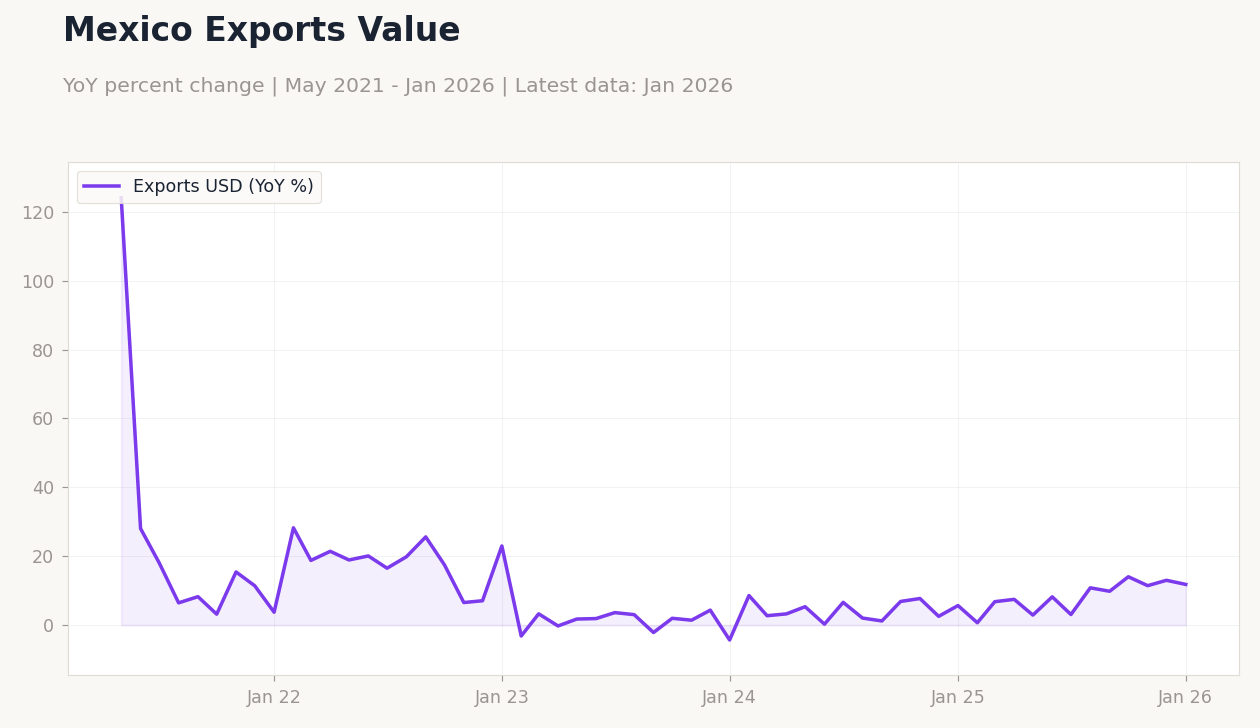
Oil prices jumped sharply, with WTI Crude rising 11.41% to 111.54 and Brent Crude up 7.78% to 109.03, straining Mexico's imports but bolstering Pemex amid private partnership approvals. The U.S. trade deficit expanded less than anticipated in February, with the Mexico gap widening, highlighting strong bilateral trade that aids peso stability.
(cont...)