Mexico Macro Daily(Beta Mode)
IPC Dips, Rates Plunge on Global Risk-Off
Market Snapshot
| Asset | Level | Change |
|---|---|---|
| IPC Bolsa | 68,941.46 | -0.94% |
| USD/MXN | 17.29 | +0.09% |
| EUR/MXN | 20.38 | +0.16% |
| WTI Crude | 91.63 | +0.38% |
| Silver | 78.97 | -0.53% |
| Gold | 4,831.70 | +0.14% |
| Brent Crude | 95.57 | +0.82% |
| Bitcoin | 74,236.33 | +0.07% |
| Mexico Short-term Rate | 5.56% | -1.24% |
| Mexico Long-term Rate | 8.74% | -5.10% |
Prior Economic Events
| Data | Prior | Cons | Actual |
|---|---|---|---|
| No events available | |||
 Mexico Short-term Rates | Type: macro_line | Short-term Rate %: 5.56 (2026-02-01) | Range: 3.05–8.79 | Trend(6pt): 3.08,5.18,8.45,8.1,5.63,5.56
Today's Economic Events
| Data | Prior | Cons | Time |
|---|---|---|---|
| No events available | |||
- IPC Bolsa fell 0.94% to 68,941.46 on risk aversion.
- USD/MXN rose 0.09% to 17.29; rates dropped sharply.
- Movistar Mexico acquisition boosts nearshoring appeal.
Yesterday's Recap
Mexican markets showed mixed results yesterday, with the IPC Bolsa index declining 0.94% to close at 68,941.46, driven by global risk-off sentiment. The peso weakened modestly against major currencies, as USD/MXN increased 0.09% to 17.29 and EUR/MXN rose 0.16% to 20.38. Interest rates experienced significant drops, with the short-term rate falling 1.24% to 5.56% and the long-term rate decreasing 5.10% to 8.74%, suggesting reduced monetary tightness.
Commodities provided varied support: WTI Crude gained 0.38% to 91.63, Brent Crude advanced 0.82% to 95.57, benefiting energy exports. Precious metals were split, with silver down 0.53% to 78.97 and gold up 0.14% to 4,831.70 as a safe haven. Bitcoin edged higher by 0.07% to 74,236.33.
No economic data releases were scheduled, shifting focus to market movements and international headlines.
The Day Ahead
Today's calendar is empty, with no Mexican economic indicators or events planned. Markets may react to global cues, such as U.S. Treasury statements on rates amid Iran tensions, potentially affecting USD/MXN.
Tomorrow's schedule is also clear, giving room for digestion of trade and geopolitical updates. Watch for any ad-hoc news on USMCA ties or commodity shifts, especially oil, which underpins Mexico's exports. Without Banxico activity, peso movements could tie to foreign rate expectations and risk appetite.
Other Economic Notes
Nearshoring momentum strengthened with Pericles Capital advising a U.S.-led consortium, including OXIO Inc. and Newfoundland Capital Management, in acquiring Movistar Mexico. This deal highlights growing investment under USMCA, supporting infrastructure and jobs.
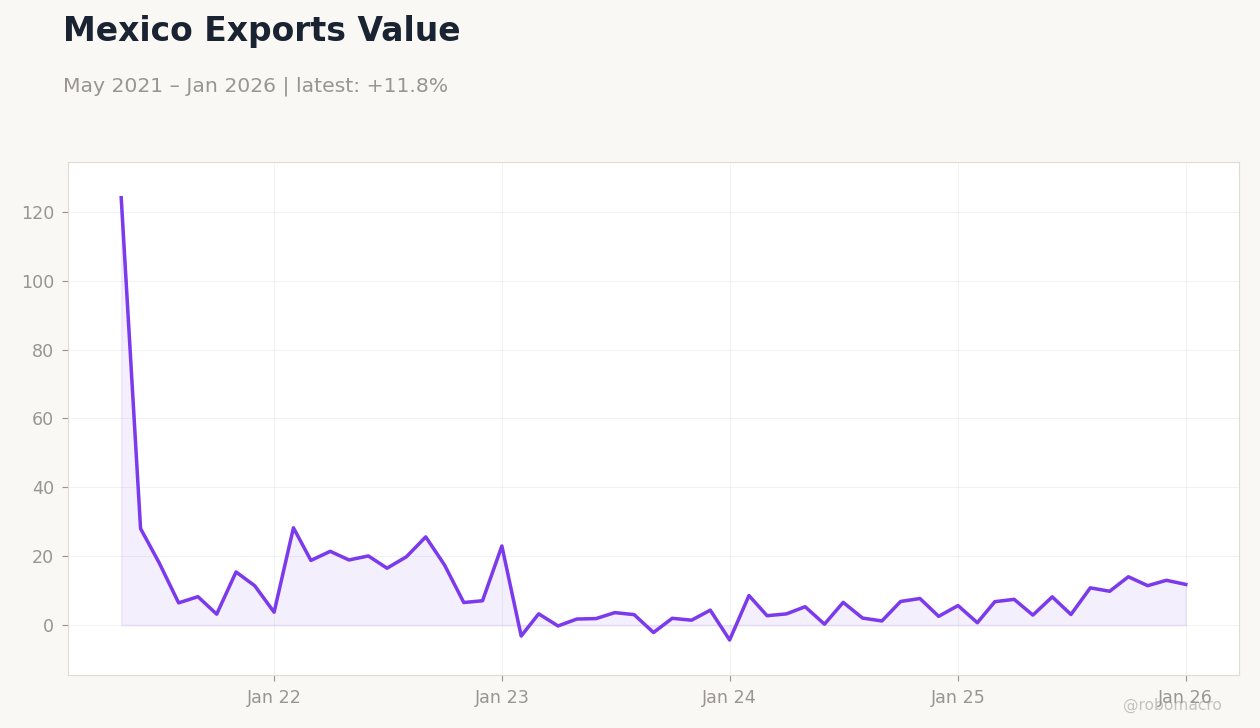
Remittances and energy exports bolster fiscal resilience despite external uncertainties. Mexico's trade position remains stable, navigating U.S.-China dynamics and potential policy changes.
Global Macro News
Interest rate narratives diverged globally. U.S. Treasury Secretary Bessent advised the Federal Reserve to hold rates steady amid Iran war risks, which could aid emerging market currencies like the peso.
(cont...)