| Asset | Level | Change |
|---|---|---|
| S&P 500 | 6,946.13 | +0.81% |
| Nasdaq 100 | 25,329.04 | +1.41% |
| Dow Jones | 49,482.15 | +0.63% |
| Russell 2000 | 2,663.33 | +0.41% |
| USD/JPY | 156.02 | +0.09% |
| EUR/USD | 1.18 | +0.25% |
| GBP/USD | 1.35 | +0.32% |
| Gold | 5,191.00 | -0.30% |
| WTI Crude | 64.38 | -1.59% |
| Bitcoin | 68,228.45 | +0.39% |
| US 2Y Treasury | 3.43% | +0.00% |
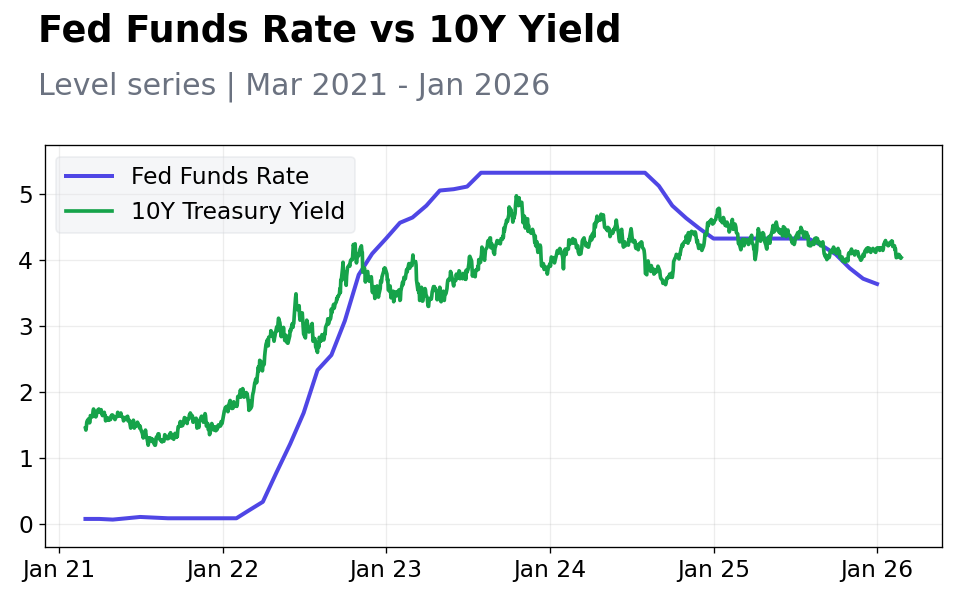
| US 10Y Treasury | 4.04% | +0.25% |
| Data | Prior | Cons | Actual |
|---|---|---|---|
| Speech by Fed's Waller | - | - | - |
| Chicago Fed National Activity Index | -0.21 | - | 0.18 |
| Chicago Fed National Activity Index | -0.15 | - | -0.21 |
| Factory Orders Month-over-Month | 2.70 | -0.50 | -0.70 |
| Dallas Fed Manufacturing Index | -1.20 | - | 0.20 |
| Fed Golsbee Speech | - | - | - |
| ADP Employment Change Weekly | 11,500 | - | 12,750 |
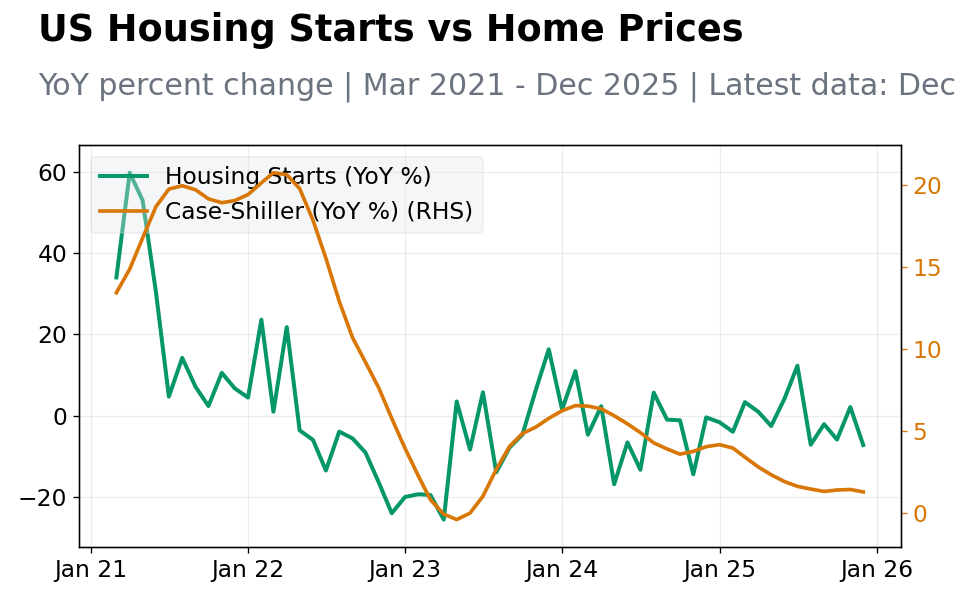
| S&P/Case-Shiller Home Price Year-over-Year | 1.40 | 1.40 | 1.40 |
| Speech by Fed's Bostic | - | - | - |
| Speech by Fed's Collins | - | - | - |
| Data | Prior | Cons | Time |
|---|---|---|---|
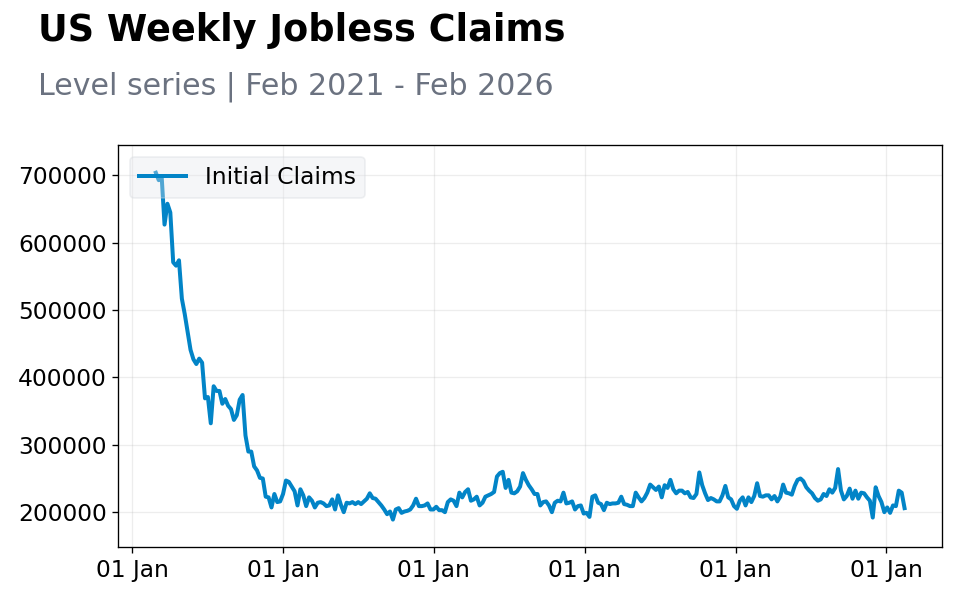
| Weekly Jobless Claims | 206,000 | 215,000 | 03:30 |
| Speech by Fed's Bowman | - | - | 05:00 |
| Friday (2026-02-27) | |||
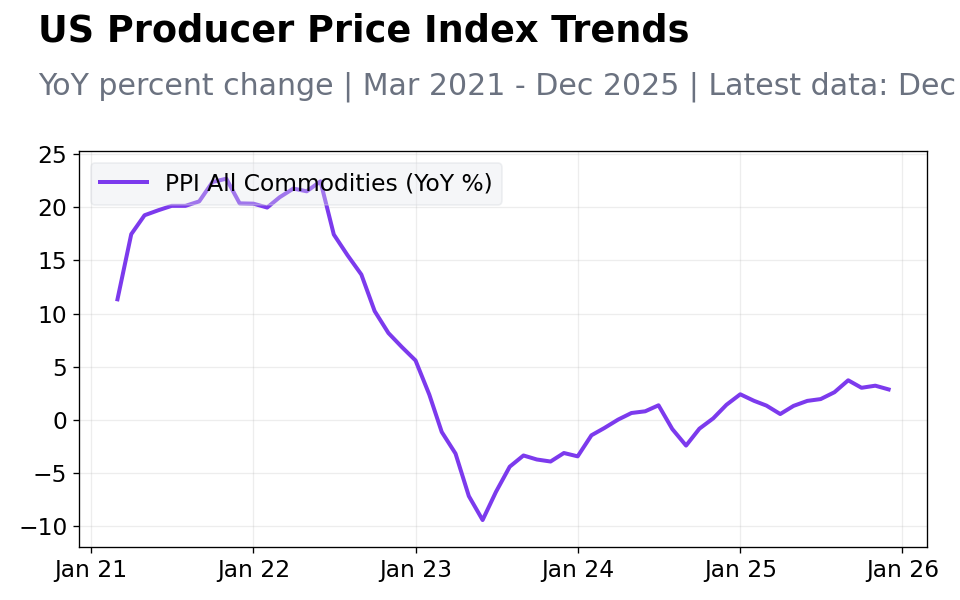
| Producer Price Index Month-over-Month | 0.50 | 0.30 | 03:30 |
| Core PPI Month-over-Month | 0.70 | 0.30 | 03:30 |
| Chicago PMI | 54 | 52.80 | 04:45 |
US markets closed higher on February 25, with the S&P 500 rising 0.81% to 6,946.13, driven by gains in technology and consumer sectors despite softer manufacturing data. The Nasdaq 100 surged 1.41% to 25,329.04, buoyed by AI-related enthusiasm, while the Dow Jones added 0.63% to 49,482.15 and the Russell 2000 gained 0.41% to 2,663.33. Treasury yields ticked up modestly, with the 10-year note climbing 0.25% to 4.04%, reflecting ongoing inflation concerns from recent Fed commentary.
Factory orders fell 0.7% month-over-month, missing the consensus of -0.5%, pressured by transportation weakness, though the Chicago Fed National Activity Index improved to 0.18 from -0.21. Consumer confidence edged up to 91.2 from 89.0, supported by stable labor market views, while the Dallas Fed Manufacturing Index rose to 0.2 from -1.2, indicating modest regional recovery. ADP employment change showed a slight uptick to 12,750 from 11,500, but currency markets remained subdued with USD/JPY up 0.09% to 156.02 and EUR/USD gaining 0.25% to 1.18.
Overall, equities shrugged off commodity declines, with WTI crude dropping 1.59% to 64.38 and gold slipping 0.30% to 5,191.00, as investors focused on Fed speeches hinting at cautious easing.
Weekly jobless claims data, due at 8:30 ET on February 26, will provide fresh insights into labor market health, with consensus expecting 215,000 initial claims amid ongoing hiring stagnation. The advance goods trade balance and wholesale inventories releases at 8:30 ET could influence GDP revisions, potentially highlighting export weakness from tariff uncertainties. Pending home sales for January, out at 10:00 ET, may reflect housing sector pressures from elevated mortgage rates, with forecasts pointing to a 1.0% monthly increase.
A speech by Fed's Bowman is scheduled, which could offer further policy clues, allowing markets to digest prior commentary, though any surprises in data could shift Treasury yield trajectories. Attention will also turn to corporate earnings from key retailers, which might underscore consumer spending trends.
Subscribe to US Macro Daily and get each new issue delivered to your inbox.
Already a member? Visit robomacro.com to log in and manage subscriptions, or use Forgot Password to set a password.
The US economy expanded 2.2% in 2025 despite near-zero net job growth, exacerbating income inequality in a K-shaped recovery where high earners benefited from asset gains while others faced stagnant wages. President Trump's State of the Union address highlighted economic strength but drew fact-checks for overstating job creation and growth metrics, potentially fueling market skepticism. Broader themes include rising speculation decoupling markets from fundamentals, as warned by economists, setting the stage for possible corrections if hiring doesn't rebound.
European markets showed resilience with the Euro Stoxx 50 up 0.5%, supported by ECB signals of gradual easing, though this pressured the euro against the dollar, impacting US export competitiveness. In Asia, Japan's Nikkei rose 1.2% on yen weakness, boosting multinational earnings for US firms exposed to the region. Geopolitical tensions in the Middle East drove oil volatility, with WTI declines pressuring US energy stocks despite robust domestic demand.
China's stimulus measures lifted commodity prices marginally, aiding US miners but raising inflation risks for imported goods. Emerging market currencies weakened against the USD, reflecting capital flows toward US assets amid global policy divergence. The potential dollar rebound, as noted in analyses, could stem from US economic outperformance and easing policy fears, affecting multinational corporate profits.
Overall, these dynamics reinforce a cautious outlook for US growth, with tariff threats adding uncertainty to trade balances.
Recent speeches by Fed officials, including Waller, Goolsbee, Bostic, Collins, Cook, and Barkin, underscored a data-dependent approach, with emphasis on monitoring inflation and labor data before further rate adjustments. Waller's comments highlighted risks of premature cuts if price pressures persist, aligning with the dot plot's projection of gradual easing through 2026. The FOMC's latest decision maintained rates steady, with forward guidance signaling potential 25 basis point reductions if disinflation continues, though hotter data has reduced March cut probabilities.
Quantitative tightening proceeds at a measured pace, supporting higher Treasury yields as balance sheet runoff influences liquidity. These communications suggest markets should prepare for prolonged higher rates, bolstering the dollar and pressuring risk assets if economic resilience fades. Investors interpret this as a pivot from aggressive easing, fostering volatility in equity and bond markets.