ANZ Macro Daily(Beta Mode)
RBNZ Hikes to 2.50%, RBA Flags Supply Shocks
Market Snapshot
| Asset | Level | Change |
|---|---|---|
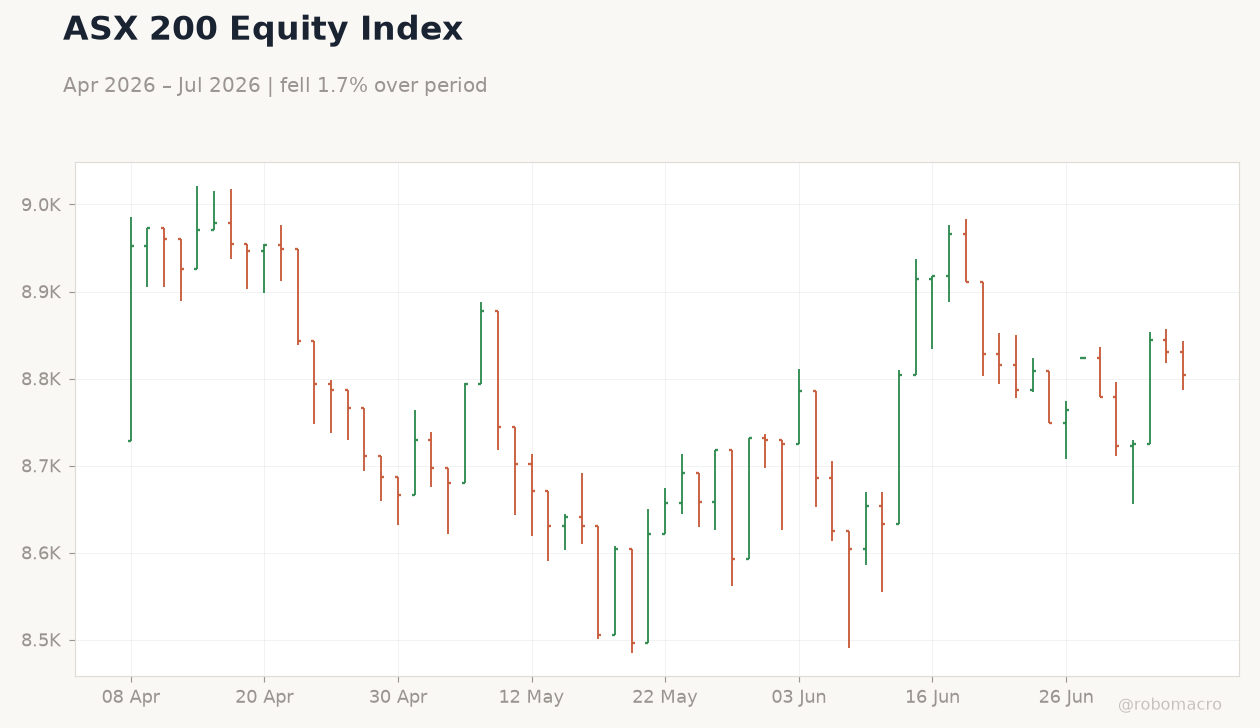
| ASX 200 | 8,803.90 | -0.31% |
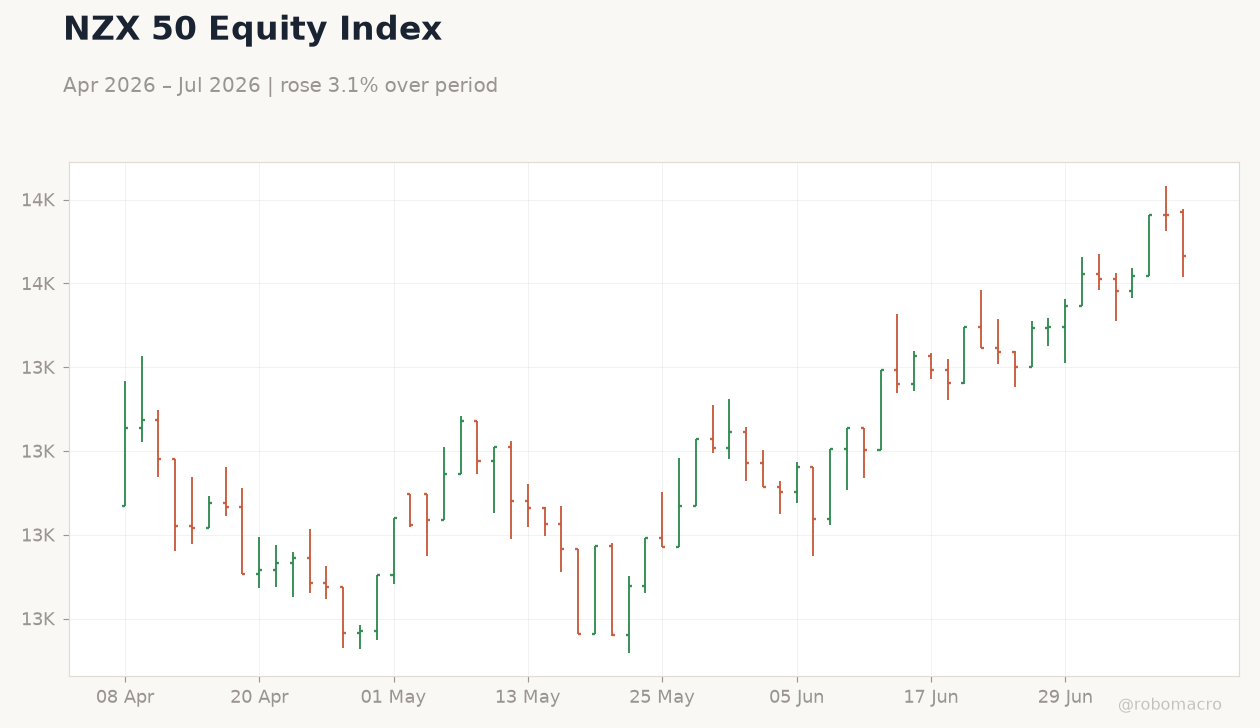
| NZX 50 | 13,665.18 | -0.71% |
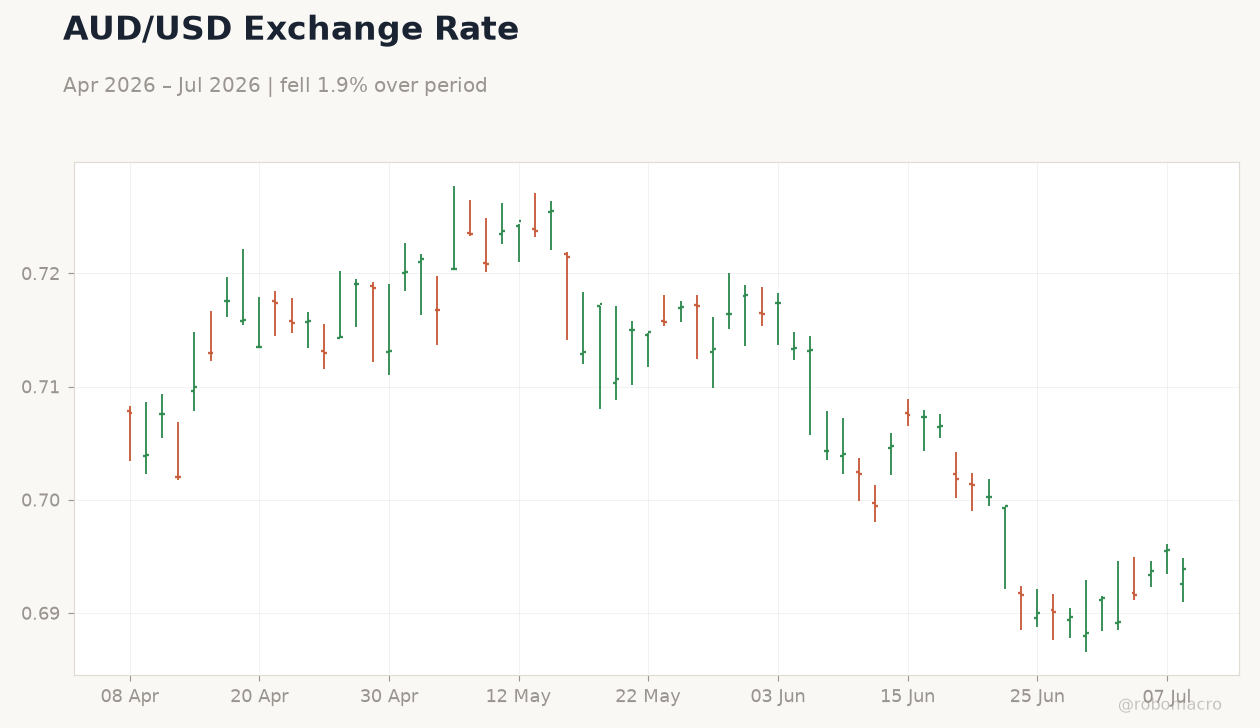
| AUD/USD | 0.69 | -0.23% |
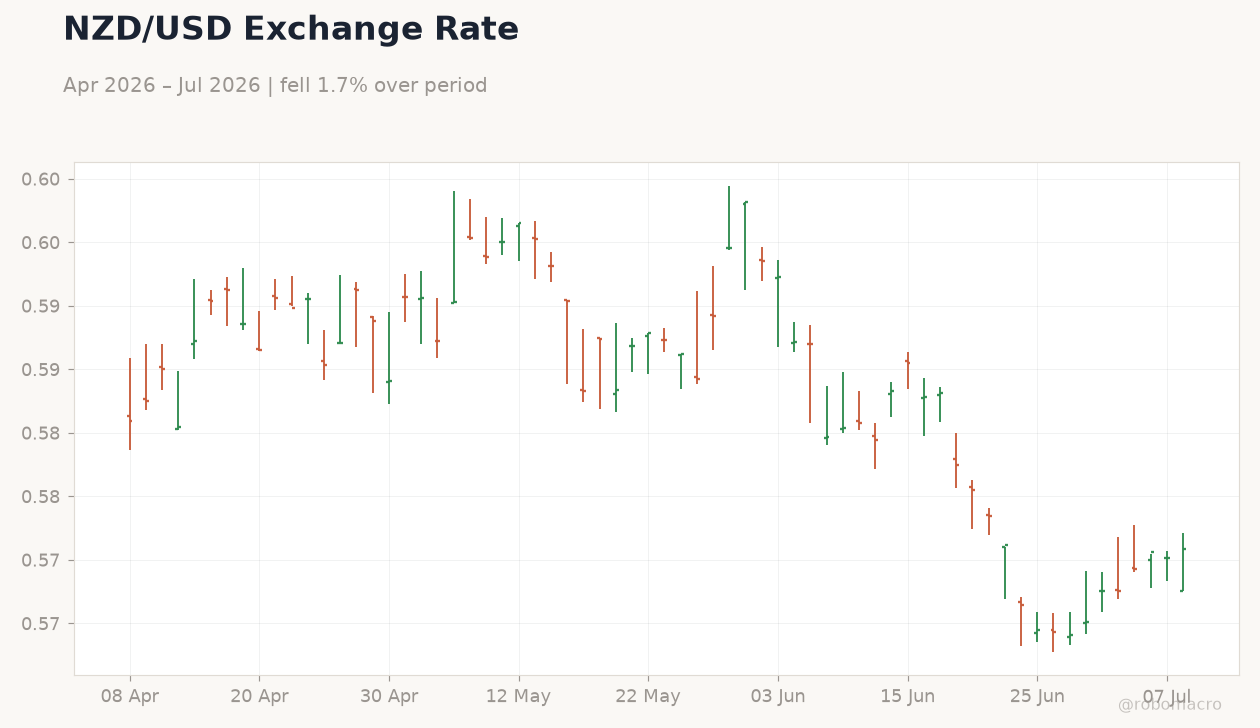
| NZD/USD | 0.57 | +0.13% |
| AUD/NZD | 1.22 | -0.37% |
| BHP | 57.51 | -2.31% |
| Gold | 4,090.80 | -1.31% |
| Brent Crude | 78.62 | +6.01% |
| Bitcoin | 62,152.40 | -1.81% |
| Australia 10Y Govt Yield | 4.99% | +0.42% |
| NZ Short-term Rate | 4.33% | -9.60% |
Prior Economic Events
| Data | Prior | Cons | Actual |
|---|---|---|---|
| RBA Hunter Speech | - | - | - |
| RBNZ Interest Rate Decision | 2.25 | 2.50 | 2.50 |
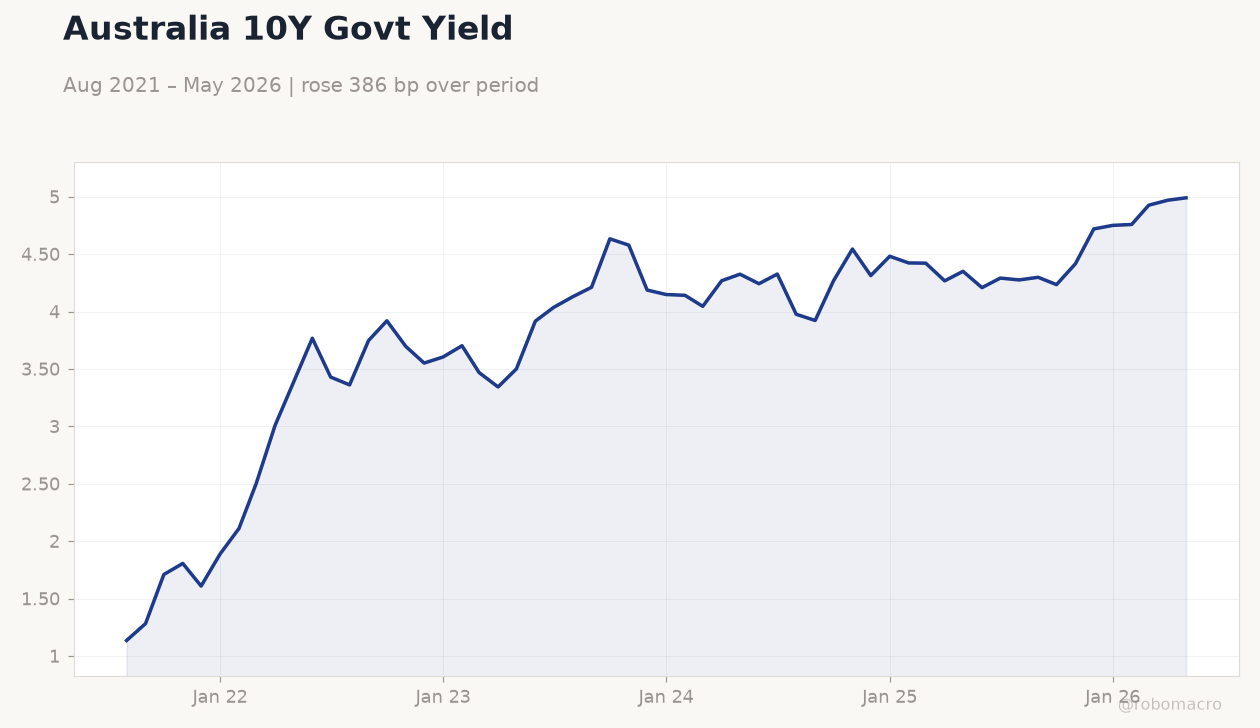 Australia 10Y Govt Yield | Type: macro_line | Percent: 4.99 (2026-05-01) | Range: 1.135–4.99 | Trend(6pt): 1.135,3.919,4.187,4.423,4.969,4.99
Today's Economic Events
| Data | Prior | Cons | Time |
|---|---|---|---|
| Business NZ PMI | 49.90 | - | 14:30 |
- RBNZ lifted the cash rate 25bp to 2.50% as expected, while RBA signals further tightening risks from persistent supply shocks.
- ASX 200 fell 0.31% and NZX 50 dropped 0.71% amid commodity volatility and higher yields.
- AUD/USD eased to 0.69 and NZD/USD rose to 0.57 on divergent central bank paths.
Yesterday's Recap
RBNZ delivered the widely anticipated 25bp hike to 2.50%, citing inflation pressures and supporting NZD/USD which closed at 0.57. RBA economist Hunter highlighted risks of more frequent supply shocks and potential rate rises to anchor inflation near target. ASX 200 declined 0.31% to 8,803.90 with BHP falling 2.31% to 57.51.
NZX 50 slipped 0.71% to 13,665.18. Australia 10Y yield rose 0.42% to 4.99% while NZ short-term rate fell 9.60% to 4.33%. Brent crude surged 6.01% to 78.62.
AUD/NZD eased 0.37% to 1.22 as policy divergence widened. Gold fell 1.31% to 4,090.80 and Bitcoin slipped 1.81% to 62,152.40.
The Day Ahead
Business NZ PMI releases at 14:30 ET today, offering the first post-hike read on manufacturing momentum. No major Australian data prints are scheduled, leaving focus on RBA commentary and China trade signals. Markets will monitor NZD reaction to the hawkish RBNZ stance and any follow-through from yesterday’s supply-shock warnings.
Commodity flows remain key, with iron-ore and dairy prices likely to influence AUD and NZD intraday. Equity futures point to cautious opening after yesterday’s commodity-led declines.
Other Economic Notes
Australia’s commodity export base continues to tie growth tightly to China steel output and bulk-commodity prices. New Zealand’s dairy and tourism sectors provide a narrower but still China-sensitive growth channel. Housing markets in both countries remain sensitive to rate paths, with higher-for-longer policy likely to extend affordability pressures.
Supply shocks flagged by the RBA add upside risk to Australia CPI, currently running at 3.96% YoY.
Global Macro News
Global risk appetite softened on geopolitical tensions around Iran, pushing Brent higher and supporting safe-haven flows into gold. China’s steel production data will be watched closely for implications on Australian iron-ore exports and BHP earnings. US yields remain elevated, capping AUD/USD gains despite commodity support.
<i>↓ p.2</i>