ANZ Macro Daily(Beta Mode)
RBA Focus as AU Confidence Surges
Market Snapshot
| Asset | Level | Change |
|---|---|---|
| ASX 200 | 8,841.10 | +0.37% |
| NZX 50 | 13,614.78 | -0.15% |
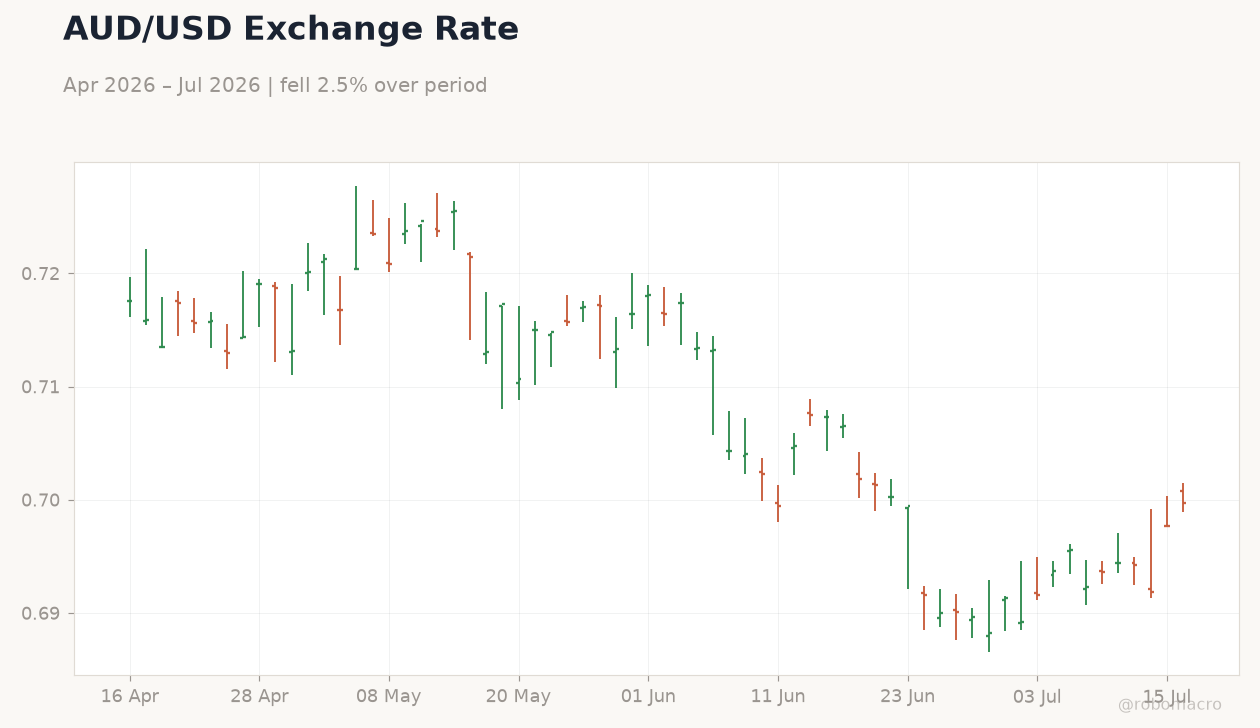
| AUD/USD | 0.70 | +0.30% |
| NZD/USD | 0.58 | +0.52% |
| AUD/NZD | 1.20 | -0.22% |
| BHP | 59.14 | -2.34% |
| Gold | 3,980.70 | -1.57% |
| Brent Crude | 84.37 | -0.68% |
| Bitcoin | 64,212.63 | -0.77% |
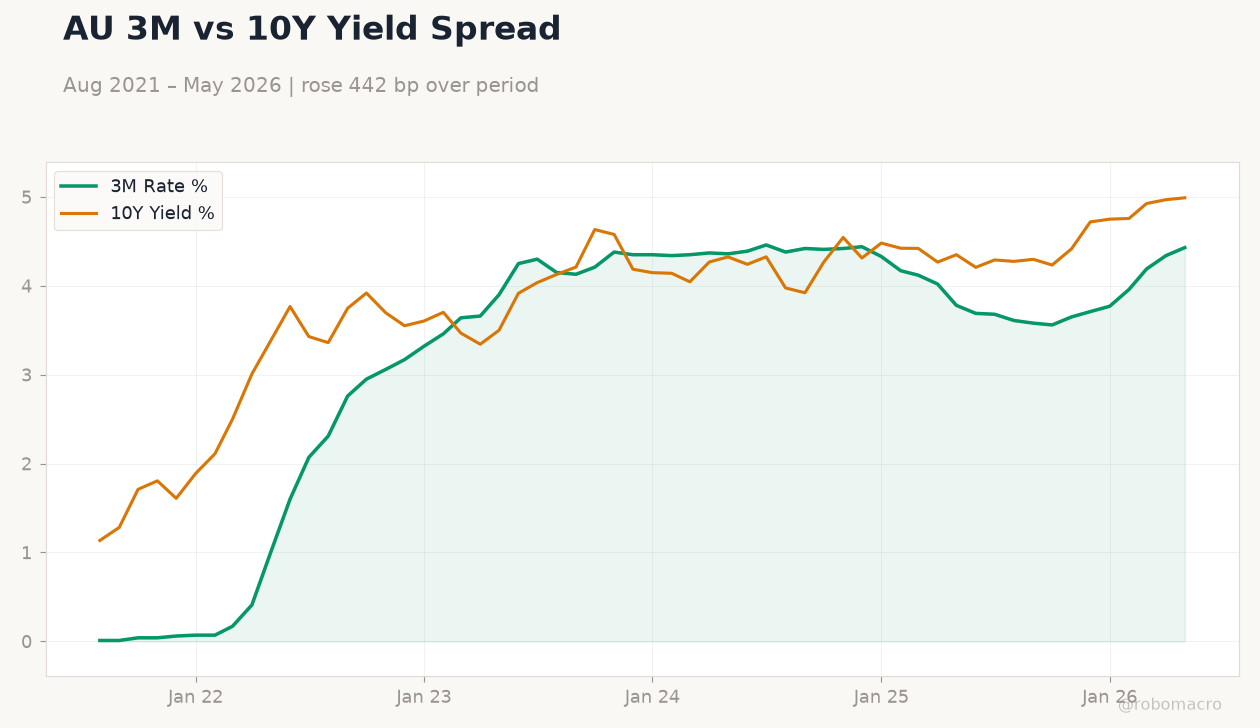
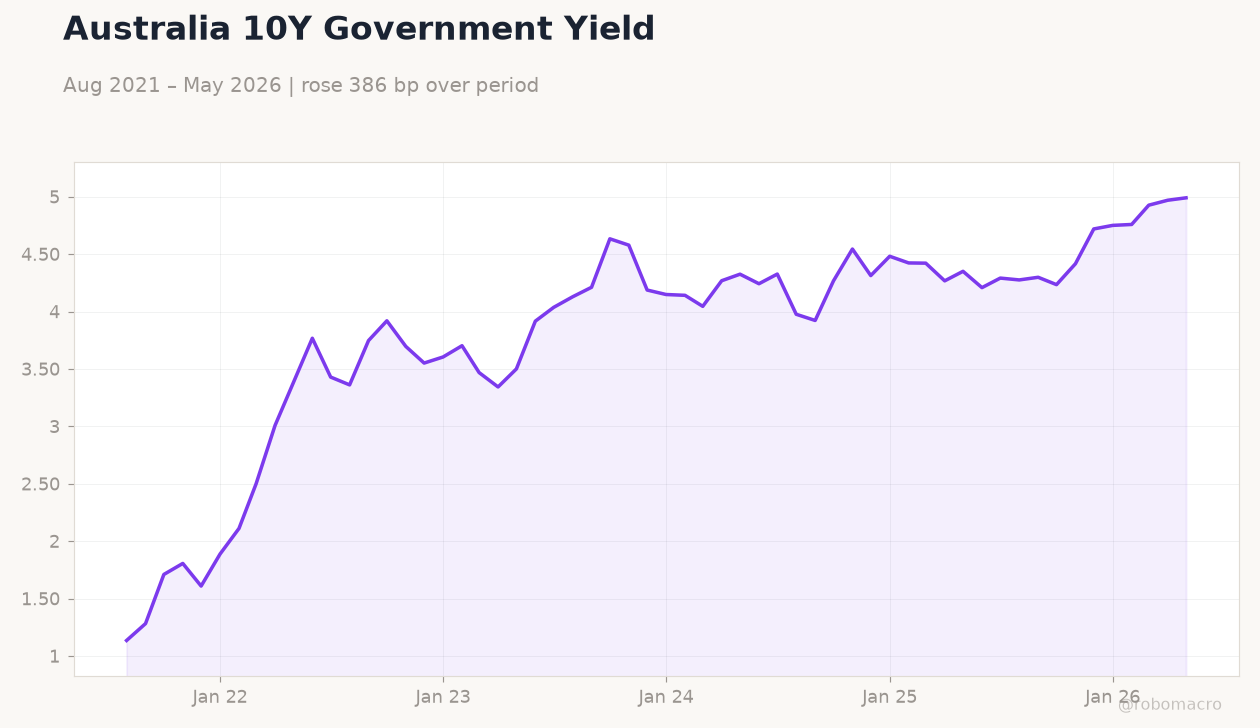
| Australia 10Y Govt Yield | 4.99% | +0.42% |
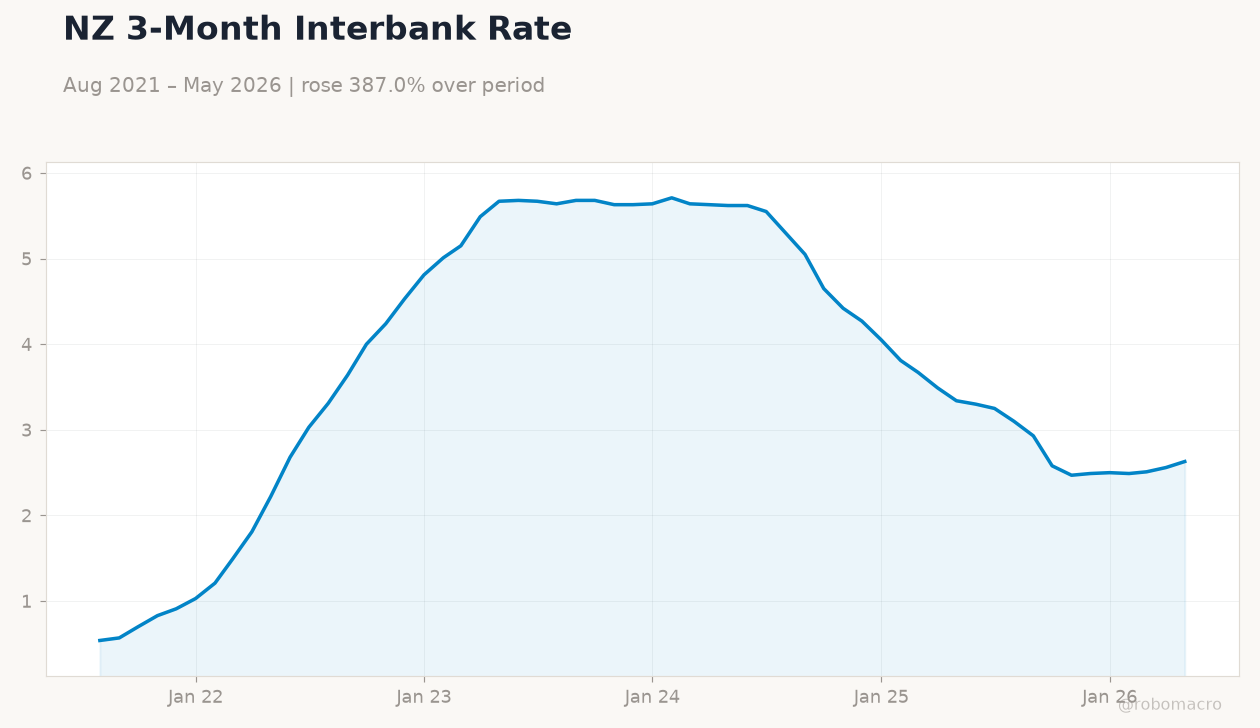
| NZ Short-term Rate | 4.33% | -9.60% |
Prior Economic Events
| Data | Prior | Cons | Actual |
|---|---|---|---|
| Westpac Consumer Confidence Change | -2.90 | - | 4.10 |
| Westpac Consumer Confidence Index | 80.60 | - | 83.90 |
| NAB Business Confidence Index | -14 | - | -5 |
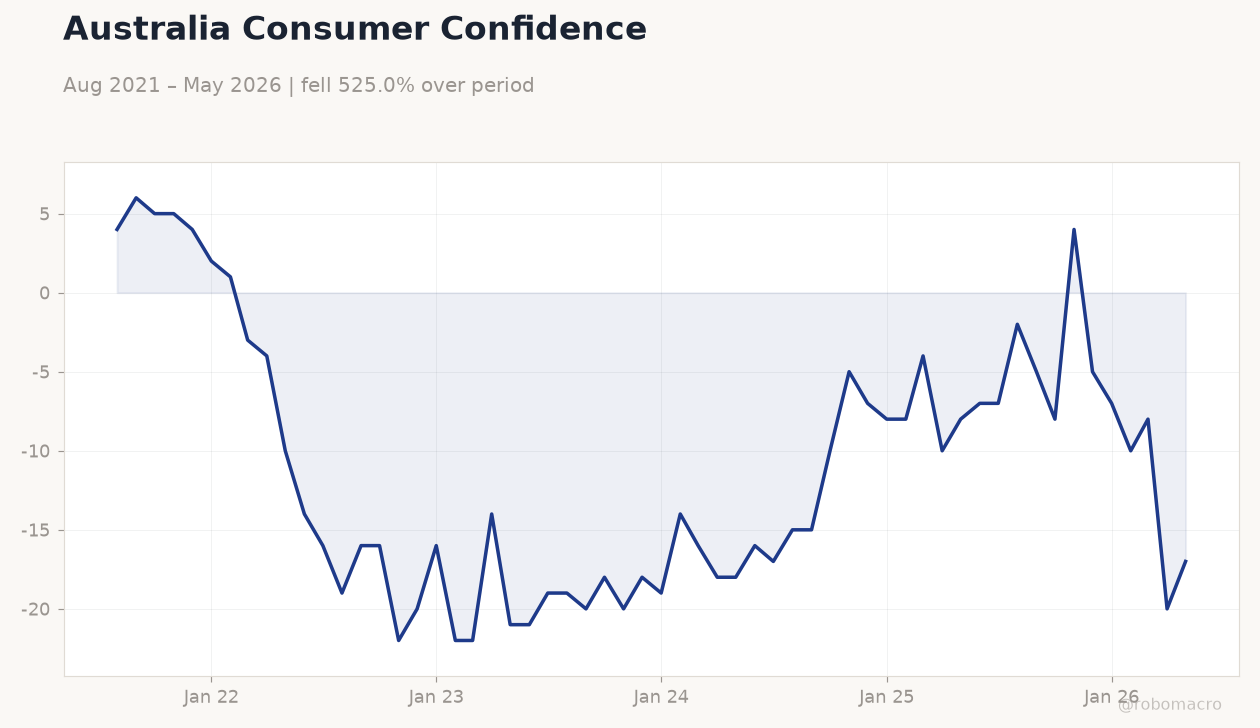 Australia Consumer Confidence | Type: macro_line | Index: -17 (2026-05-01) | Range: -22–6 | Trend(6pt): 4,-16,-18,-8,-20,-17
Today's Economic Events
| Data | Prior | Cons | Time |
|---|---|---|---|
| Trade Balance | 800m | - | 14:45 |
- Australian consumer and business confidence rebounded sharply in July, signalling resilient domestic demand.
- ASX 200 gained 0.37% while NZX 50 slipped 0.15%; AUD/USD rose to 0.70 amid firmer commodity sentiment.
- RBA minutes and New Zealand trade balance headline today’s calendar, keeping rate-path divergence in focus.
Yesterday's Recap
Australian Westpac consumer confidence rose 4.1 points to 83.9 in July, reversing the prior 2.9-point decline and lifting the index above 80 for the first time since April. NAB business confidence improved to -5 from -14, indicating easing pessimism among firms. The ASX 200 advanced 0.37% to 8,841.10, supported by broader risk appetite, while the NZX 50 fell 0.15% to 13,614.78.
AUD/USD climbed 0.30% to 0.70 and NZD/USD gained 0.52% to 0.58, narrowing AUD/NZD by 0.22% to 1.20. BHP shares dropped 2.34% to 59.14 despite iron-ore strength, and the Australian 10-year yield rose 0.42% to 4.99%. NZ short-term rates fell 9.60% to 4.33%, reflecting ongoing policy-easing expectations.
Gold fell 1.57% to 3,980.70 while Brent Crude eased 0.68% to 84.37, tempering some commodity support for the AUD.
The Day Ahead
New Zealand releases its June trade balance at 14:45 ET, with the prior NZ$800 million surplus likely to narrow on softer dairy export values. Markets will parse today’s RBA minutes for any fresh signals on labour-market risks and the timing of the next easing step. China’s June industrial production and fixed-asset investment data, due overnight, remain critical for Australian commodity exporters.
Bond desks will monitor the NZ$500 million 2029 inflation-linked auction for clues on term-premium dynamics. No major Australian data prints are scheduled, leaving global risk sentiment and China headlines as the dominant drivers. The absence of domestic releases keeps attention on external factors shaping AUD and NZD direction.
Other Economic Notes
Australia’s AI-related data-centre spending is inflating headline investment figures while masking weaker underlying capex across other sectors. The immediate closure of the Liberty Bell Bay manganese smelter removes the country’s only domestic source, raising import dependence and regional employment concerns. BHP’s Port Hedland strike highlights tightening labour conditions in the resources sector, which could lift wage costs and feed into domestic inflation.
These developments underscore the uneven nature of Australia’s post-pandemic recovery and the continued importance of China demand for bulk commodities. The manganese closure adds supply-chain vulnerability for steel and battery industries.