ANZ Macro Daily(Beta Mode)
AU Jobs Surge Keeps RBA Hike Bets Alive
Market Snapshot
| Asset | Level | Change |
|---|---|---|
| ASX 200 | 8,823.00 | +0.34% |
| NZX 50 | 13,795.31 | +0.23% |
| AUD/USD | 0.70 | -0.45% |
| NZD/USD | 0.58 | -0.87% |
| AUD/NZD | 1.21 | +0.43% |
| BHP | 60.63 | +1.46% |
| Gold | 4,049.40 | -2.35% |
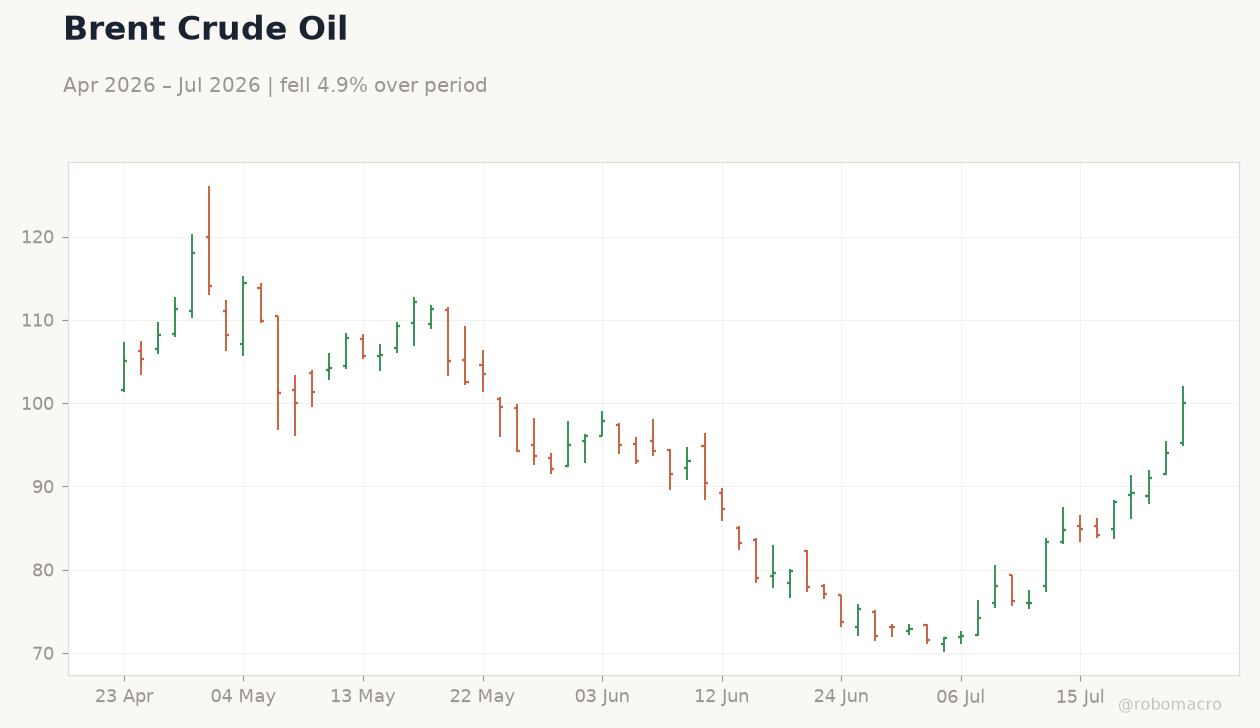
| Brent Crude | 100.19 | +6.51% |
| Bitcoin | 64,829.82 | -1.92% |
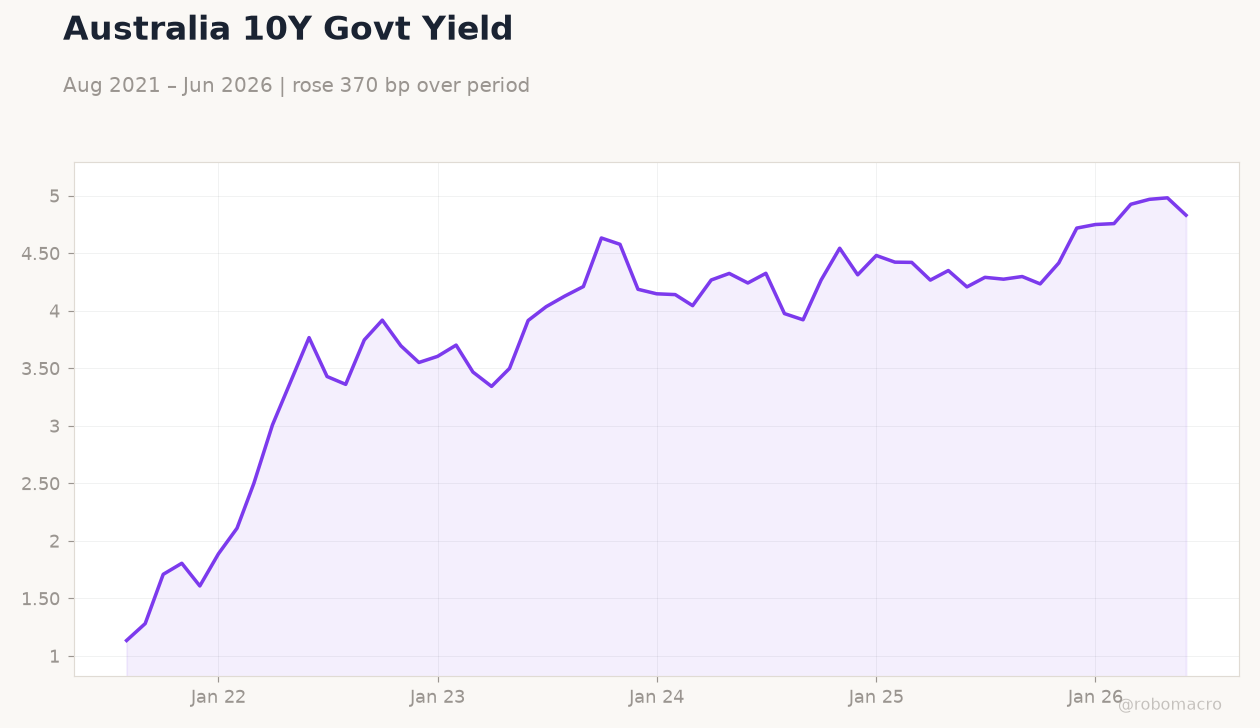
| Australia 10Y Govt Yield | 4.83% | -3.03% |
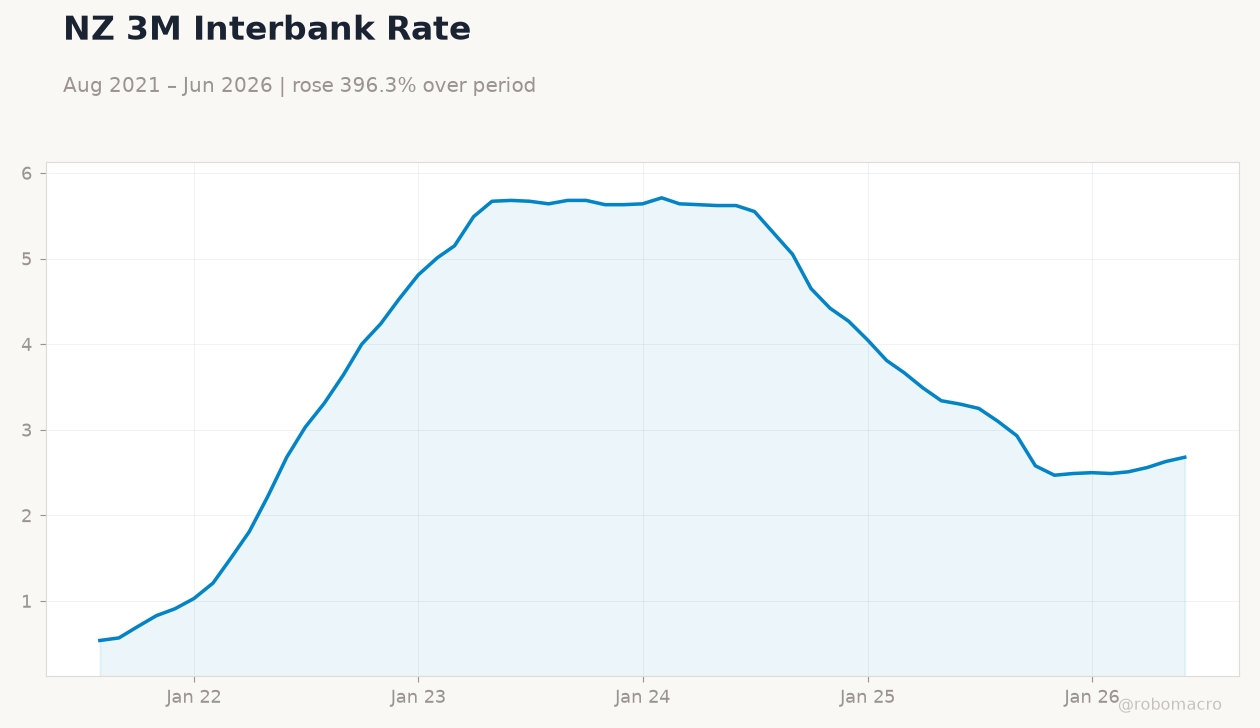
| NZ Short-term Rate | 4.33% | -9.60% |
Prior Economic Events
| Data | Prior | Cons | Actual |
|---|---|---|---|
| Inflation Rate Quarter-over-Quarter | 0.90 | 1.40 | 1.50 |
| Employment Change | 43,900 | 15,000 | 76,300 |
| Full-Time Employment Change | 7,200 | - | 29,300 |
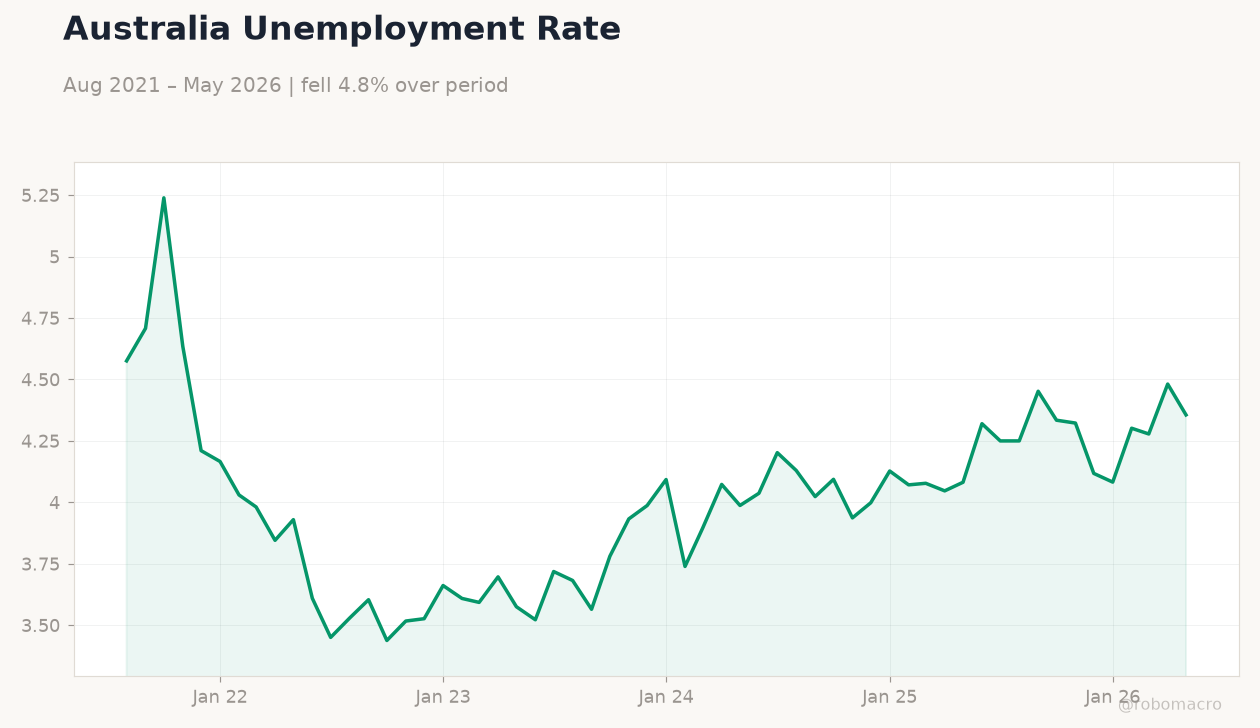
| Headline Unemployment Rate | 4.40 | 4.40 | 4.40 |
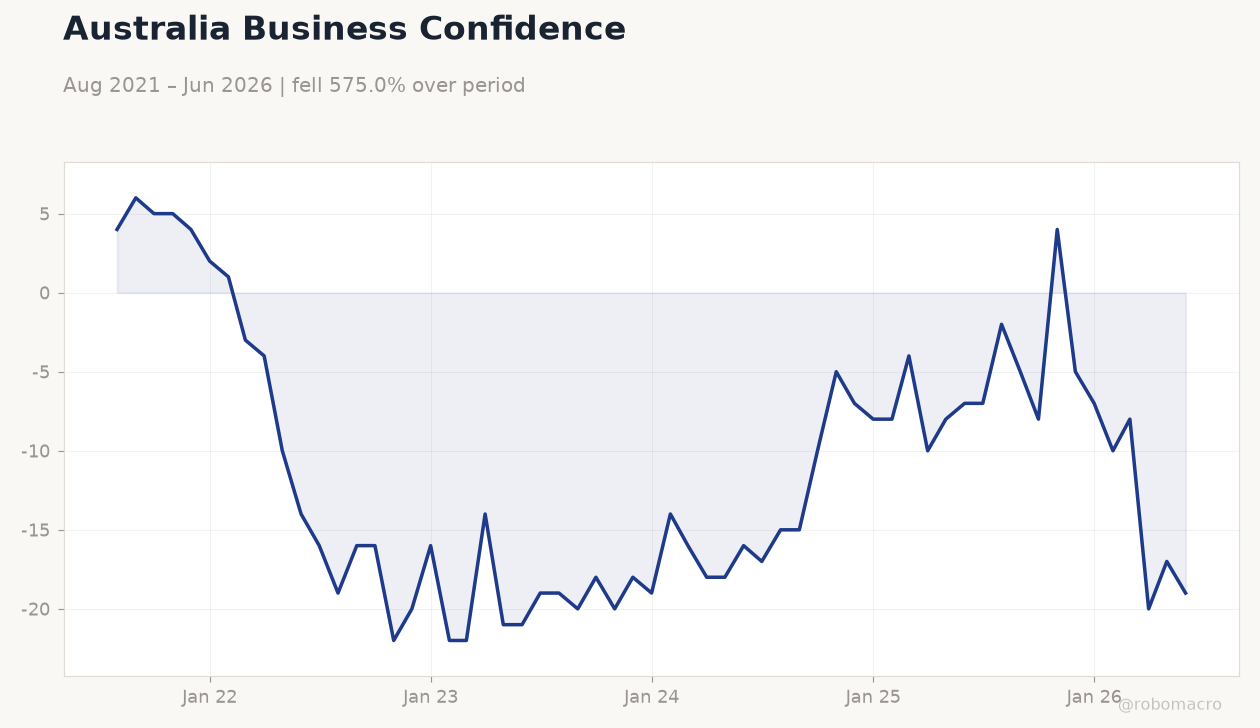 Australia Business Confidence | Type: macro_line | Confidence Index: -19 (2026-06-01) | Range: -22–6 | Trend(6pt): 4,-16,-18,-8,-20,-19
Today's Economic Events
| Data | Prior | Cons | Time |
|---|---|---|---|
| S&P Global Manufacturing PMI Flash | - | - | 15:00 |
| S&P Global Services PMI Flash | - | - | 15:00 |
- Australian employment jumped 76,300 in June, far above consensus, keeping RBA rate-hike risks in focus.
- New Zealand Q2 inflation rose 1.5% quarter-over-quarter, exceeding expectations and reinforcing RBNZ hawkishness.
- AUD/USD held at 0.70 despite broad dollar strength, while NZD/USD fell 0.87% on global risk aversion.
Yesterday's Recap
Australian labour data surprised sharply higher on 22 July, with employment rising 76,300 against a 15,000 consensus and full-time jobs adding 29,300. The unemployment rate stayed at 4.4%, matching forecasts. New Zealand inflation printed 1.5% quarter-over-quarter, above the 1.4% consensus, adding to price pressures.
The ASX 200 rose 0.34% to 8,823, led by BHP’s 1.46% gain on firmer iron-ore prices. The NZX 50 advanced 0.23% to 13,795.31. AUD/USD eased 0.45% to 0.70 while NZD/USD dropped 0.87% to 0.58 amid US-Iran tensions.
Australian 10-year yields fell 3.03% to 4.83% as markets digested the mixed inflation and jobs signals. Brent crude rose 6.51% to 100.19 on supply concerns, supporting Australian energy-linked revenues while adding imported inflation risks for New Zealand.
The Day Ahead
Australia releases S&P Global Manufacturing and Services PMI flashes at 15:00 ET, providing the first read on July activity after the strong jobs print. Markets will watch for any softening that could offset June’s employment strength. No scheduled releases appear for New Zealand today.
Traders will monitor commodity flows, especially iron ore and dairy, given China’s influence on both currencies. Any hawkish commentary from RBA officials could further support AUD positioning ahead of the next policy meeting. The US dollar index remained firm near 100.83, continuing to pressure both AUD and NZD despite domestic data strength.
Other Economic Notes
Australia’s commodity-export model remains tightly linked to Chinese steel output and infrastructure demand, with BHP serving as the key sentiment gauge. New Zealand’s dairy and tourism sectors continue to drive external balances, though construction activity shows signs of cooling. Both economies face persistent inflation above target, with Australia at 3.96% and New Zealand at 4.06% year-over-year, limiting near-term easing room.
Housing markets in both countries remain sensitive to rate expectations, with mortgage-rate pass-through still incomplete. <i>↓ p.2</i>