ANZ Macro Daily(Beta Mode)
NZ Unemployment Climbs, AU Trade Surplus Surges
Market Snapshot
| Asset | Level | Change |
|---|---|---|
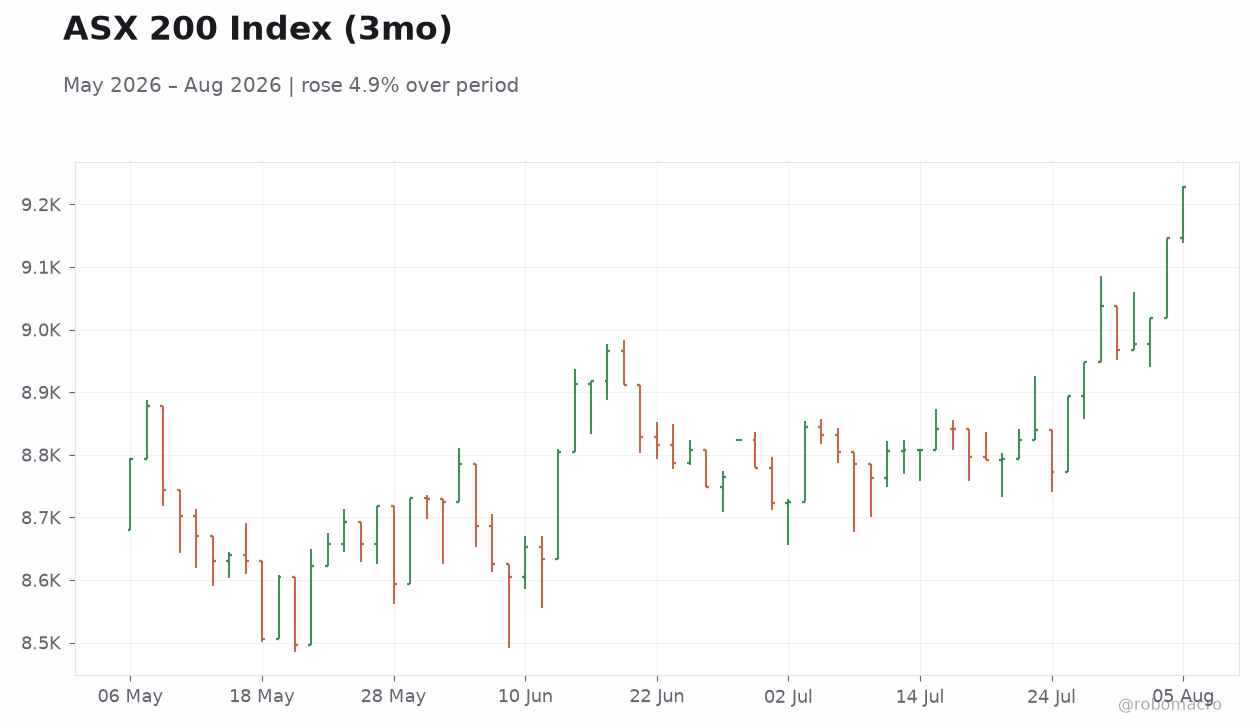
| ASX 200 | 9,227.80 | +0.90% |
| NZX 50 | 13,958.06 | -0.28% |
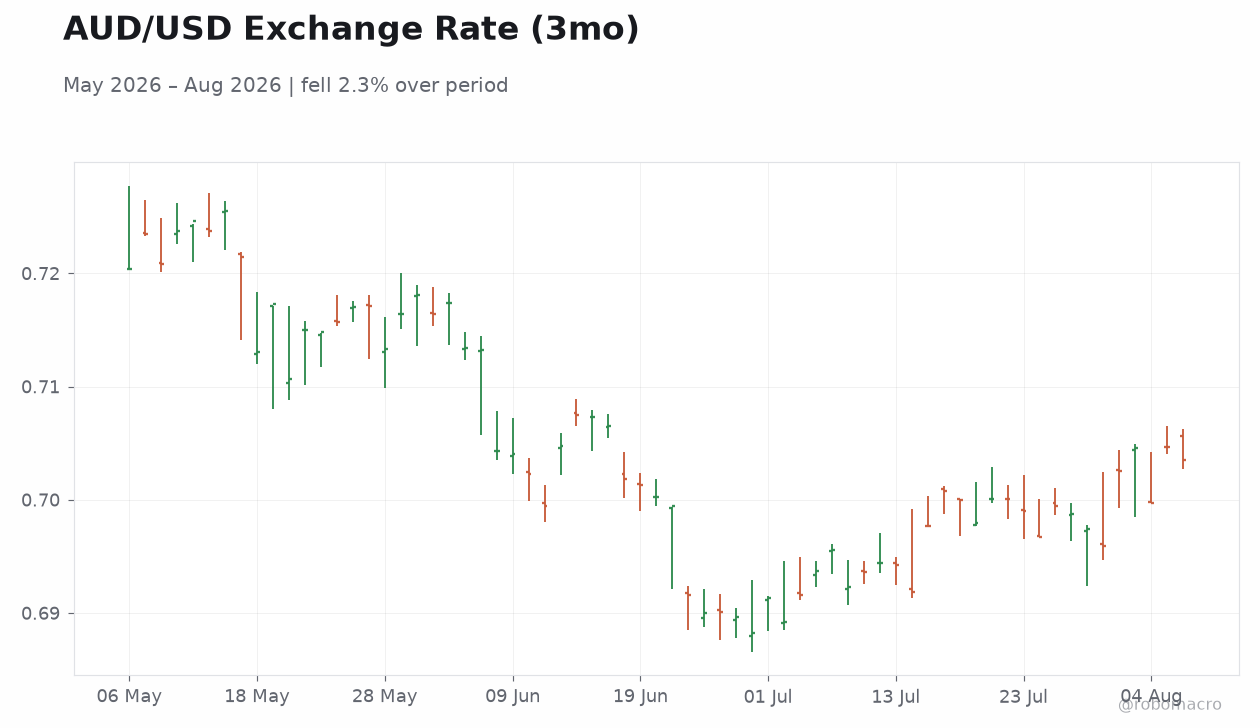
| AUD/USD | 0.70 | -0.15% |
| NZD/USD | 0.59 | -0.06% |
| AUD/NZD | 1.20 | -0.10% |
| BHP | 62.82 | +0.45% |
| Gold | 4,297.80 | +1.22% |
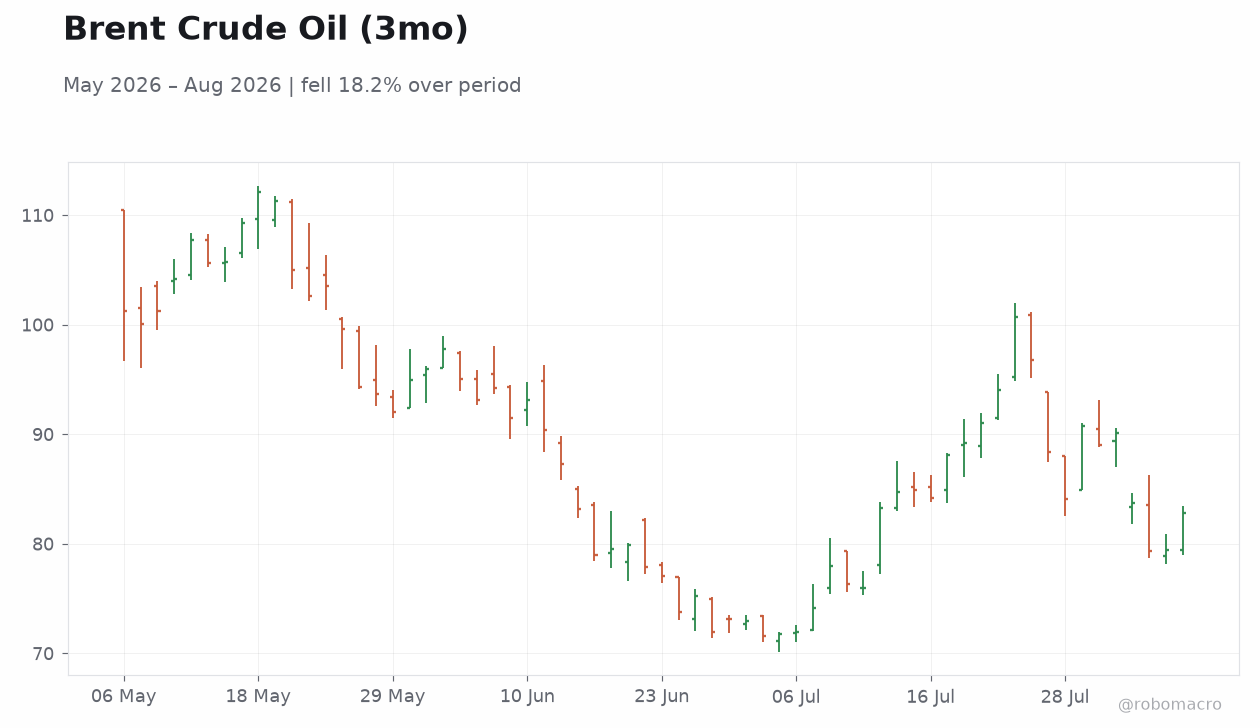
| Brent Crude | 83.22 | +4.75% |
| Bitcoin | 64,445.91 | -0.23% |
| Australia 10Y Govt Yield | 4.83% | -3.03% |
| NZ Short-term Rate | 4.33% | -9.60% |
Prior Economic Events
| Data | Prior | Cons | Actual |
|---|---|---|---|
| Employment Change Quarter-over-Quarter | 0.20 | 0.20 | 0.50 |
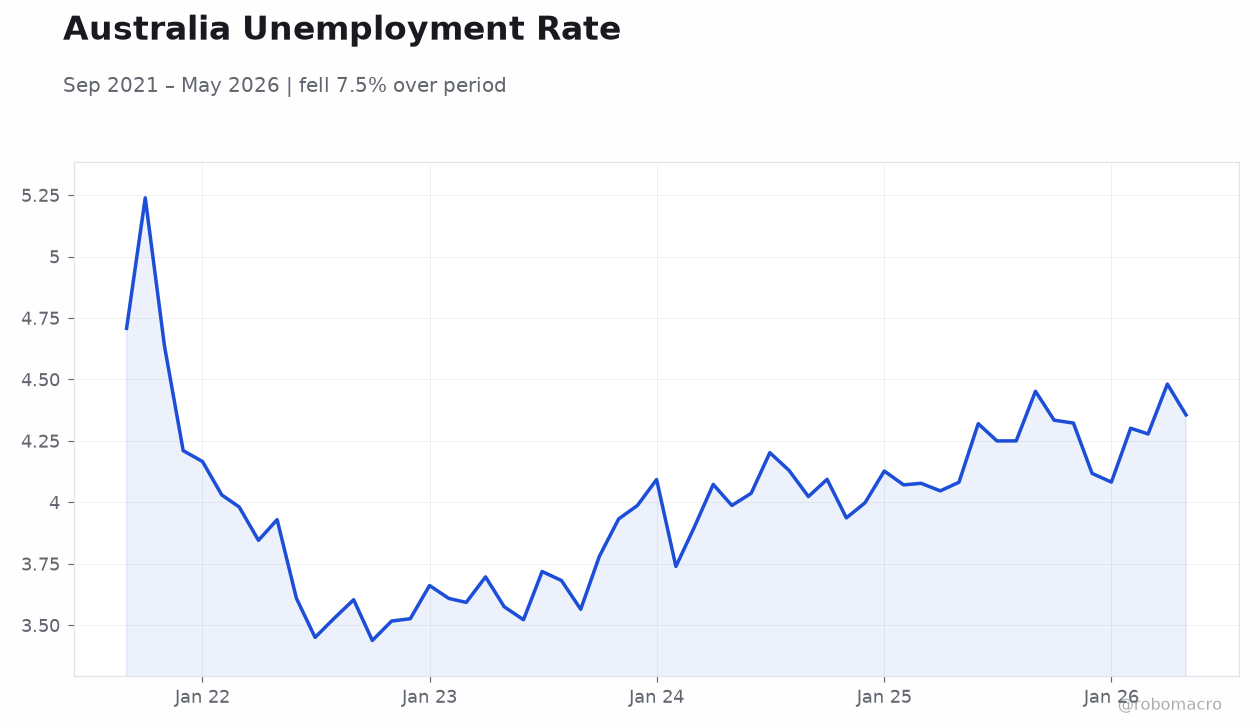
| Unemployment Rate | 5.40 | 5.40 | 5.60 |
| Ai Group Industry Index | -30 | - | -29.90 |
| Trade Balance | -2,367m | -1,100m | 1,929m |
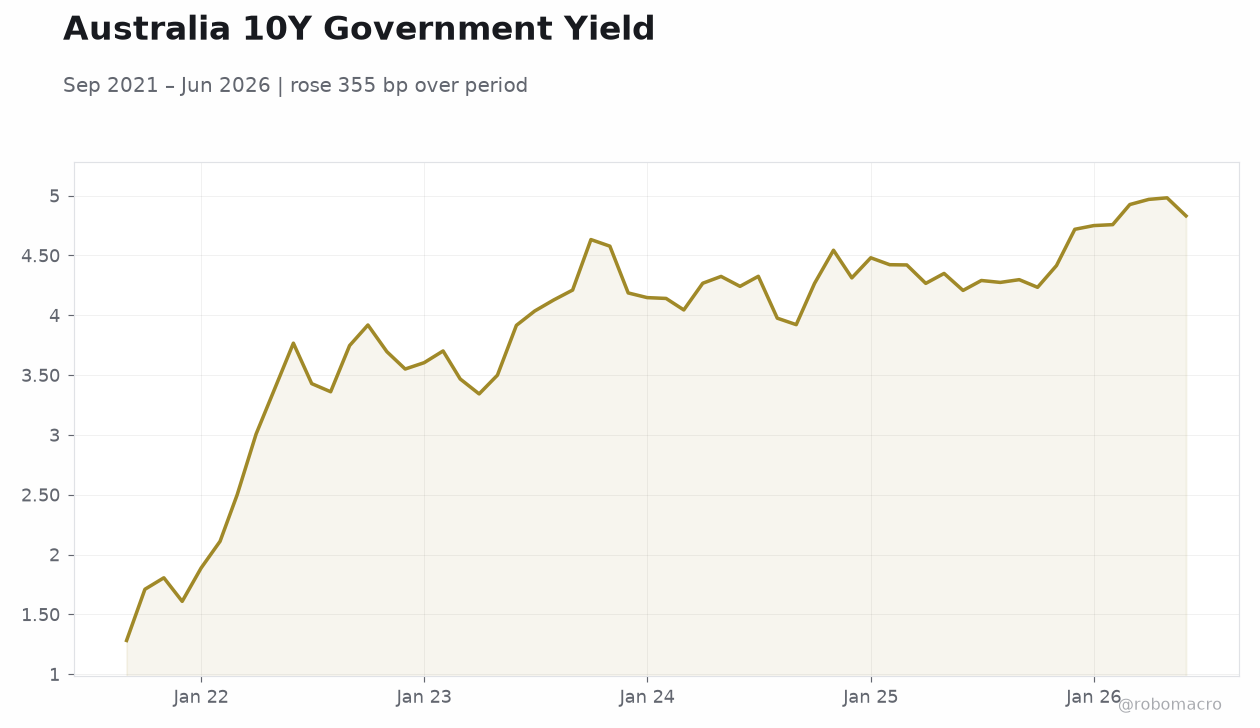 Australia 10Y Government Yield | Type: macro_line | Yield (%): 4.831 (2026-06-01) | Range: 1.282–4.982 | Trend(6pt): 1.282,3.696,4.148,4.421,4.982,4.831
Today's Economic Events
| Data | Prior | Cons | Time |
|---|---|---|---|
| No events available | |||
- NZ unemployment rate rises to 5.6%, highest since 2015, despite stronger employment growth
- Australia records A$1.93 billion trade surplus, beating forecasts by wide margin
- ASX 200 advances 0.9% on commodity strength while NZX 50 falls 0.3%
Yesterday's Recap
New Zealand employment rose 0.5% quarter-over-quarter, exceeding the 0.2% consensus, yet the unemployment rate increased to 5.6% from 5.4%, marking the highest level since late 2015. Australia’s Ai Group Industry Index improved marginally to -29.9 from -30.0, while the trade balance swung to a A$1.93 billion surplus against expectations of a A$1.1 billion deficit. Equity markets diverged, with the ASX 200 climbing 0.90% to 9,227.80, supported by BHP’s 0.45% gain amid firmer iron ore and energy prices.
The NZX 50 declined 0.28% to 13,958.06. AUD/USD eased 0.15% to 0.70 and NZD/USD slipped 0.06% to 0.59, while the Australia 10-year yield fell 3.03% to 4.83% and NZ short-term rates dropped 9.60% to 4.33%. Gold advanced 1.22% to 4,297.80 and Brent crude surged 4.75% to 83.22.
The NZD weakness below 0.5900 reflected the labour-market surprise, while Australia’s trade print underscored commodity revenue strength.
The Day Ahead
No major ANZ data releases are scheduled for today, leaving markets to digest yesterday’s mixed employment and trade prints. Attention will likely shift to overnight Chinese trade and inflation figures, which remain critical for Australia’s commodity export outlook and New Zealand’s dairy receipts. Traders may also monitor global bond yields and commodity price momentum for directional cues in AUD and NZD.
Housing market data from both countries, due later in the week, could provide further insight into domestic demand resilience. Overall, the quiet local calendar should keep focus on external drivers and central bank signals. Commodity price resilience, including gains in gold and Brent, offers a supportive backdrop for both currencies despite the NZ labour data.
Other Economic Notes
Australia’s commodity-driven economy continues to benefit from elevated iron ore, coal and LNG prices tied to Chinese steel demand, supporting the recent trade surplus and AUD stability. New Zealand’s dairy and tourism sectors face headwinds from softer global growth and the higher unemployment print, which may weigh on household spending. Both economies remain sensitive to China policy easing, which could lift bulk commodity revenues and ease current-account pressures.
<i>↓ p.2</i>