ANZ Macro Daily(Beta Mode)
RBA Holds at 4.35%, Flags Further Hike Risk
Market Snapshot
| Asset | Level | Change |
|---|---|---|
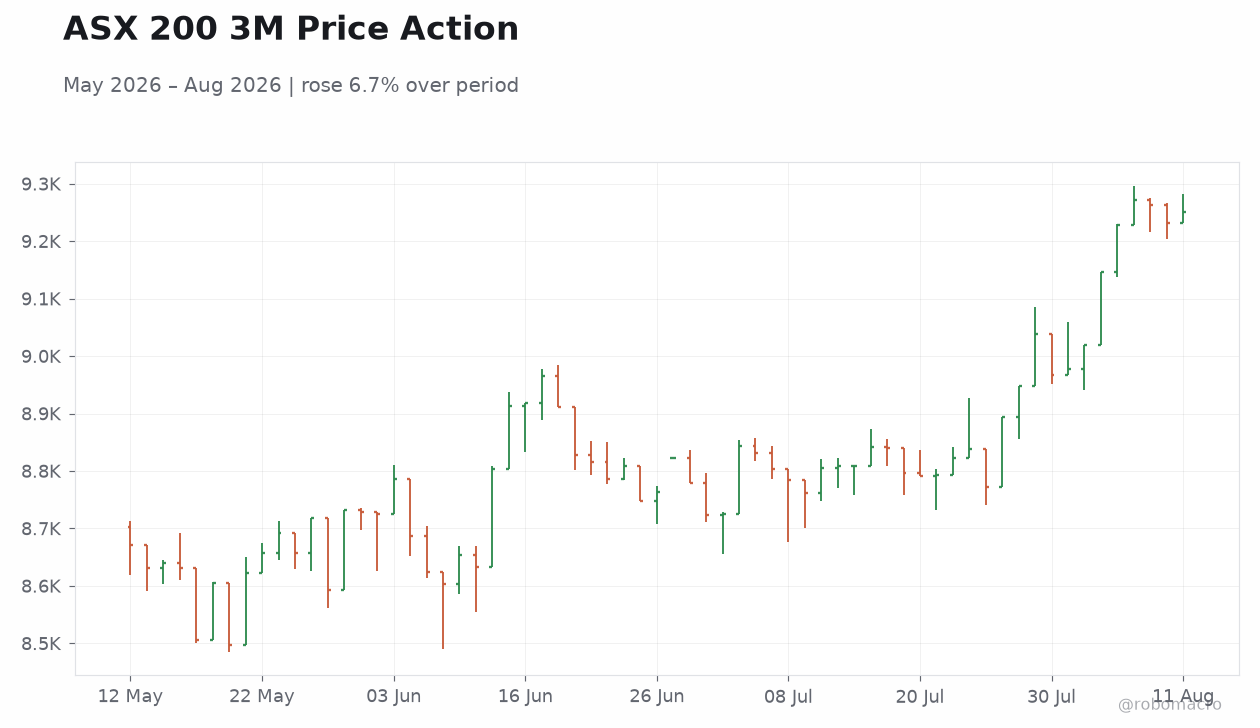
| ASX 200 | 9,250.60 | +0.19% |
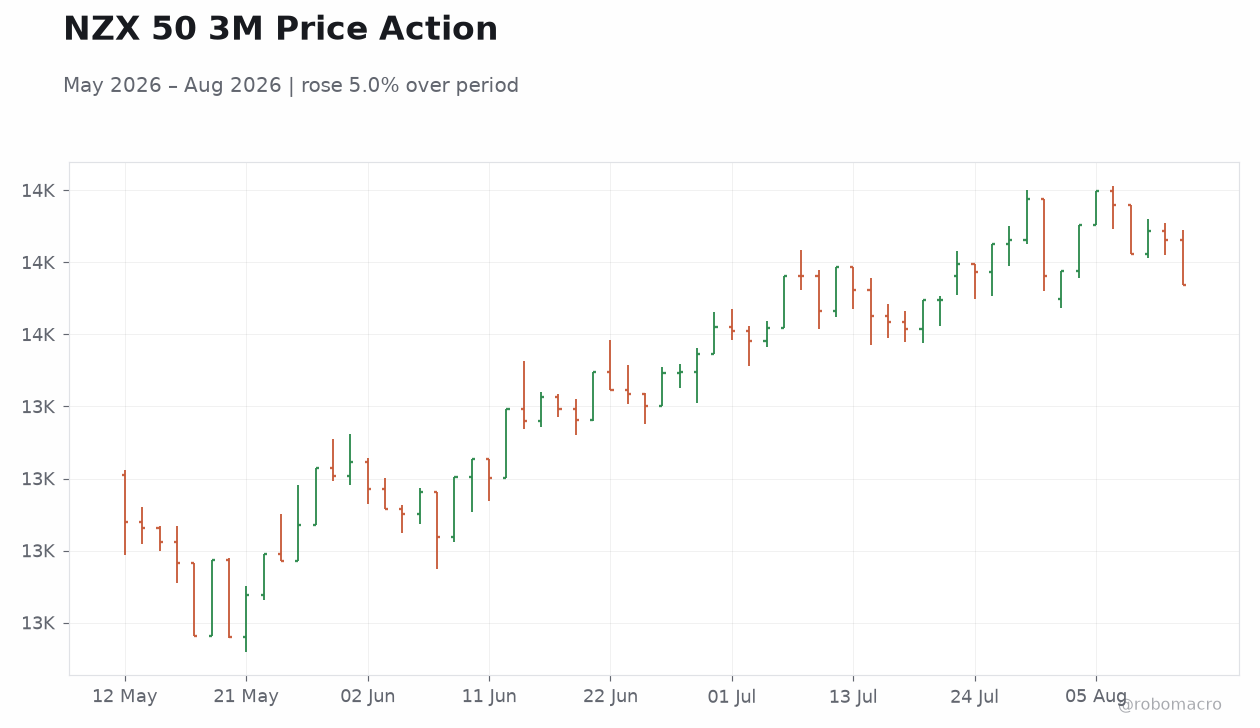
| NZX 50 | 13,737.66 | -0.89% |
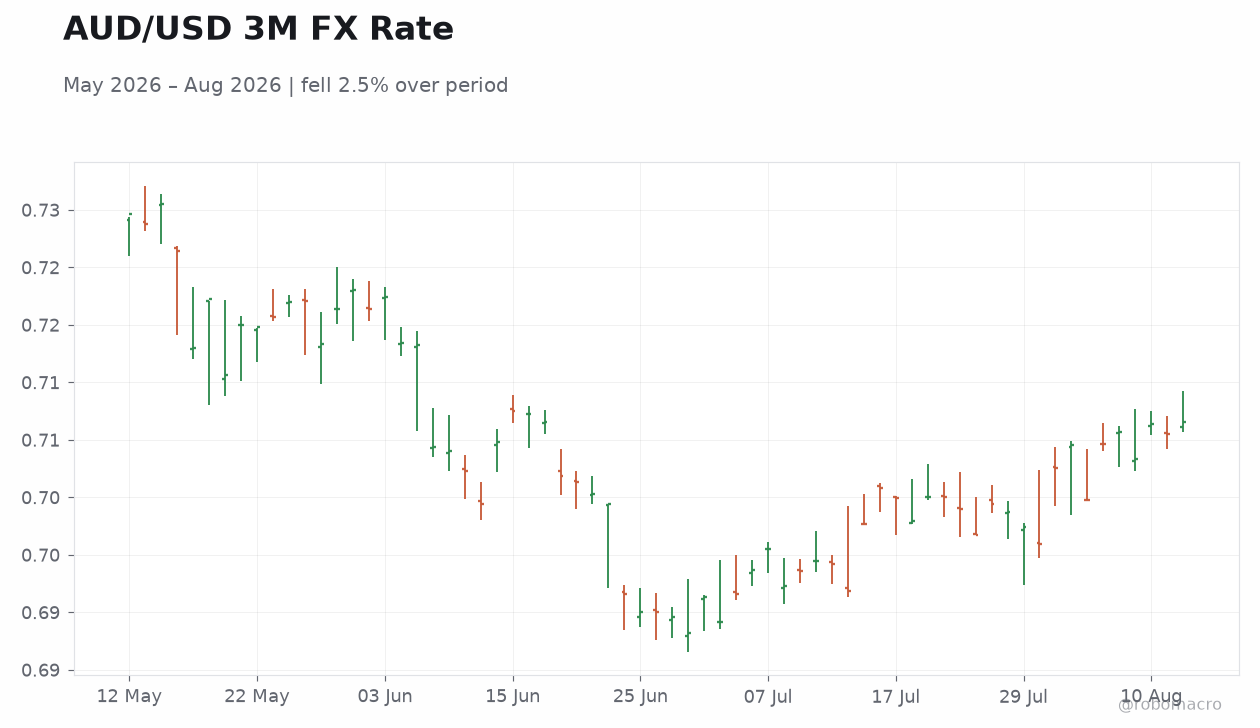
| AUD/USD | 0.71 | +0.15% |
| NZD/USD | 0.59 | -0.49% |
| AUD/NZD | 1.21 | +0.62% |
| BHP | 63.45 | -0.75% |
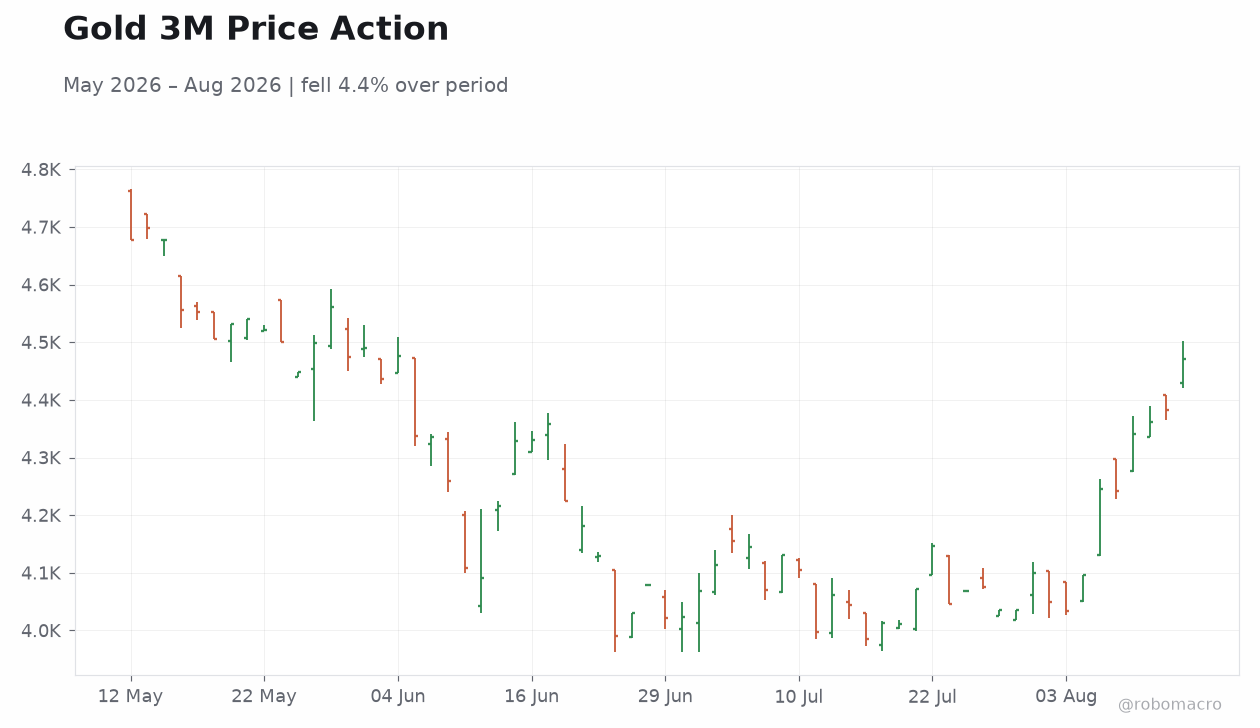
| Gold | 4,471.20 | +2.01% |
| Brent Crude | 88.66 | -0.28% |
| Bitcoin | 63,396.01 | -0.25% |
| Australia 10Y Govt Yield | 4.83% | -3.03% |
| NZ Short-term Rate | 4.33% | -9.60% |
Prior Economic Events
| Data | Prior | Cons | Actual |
|---|---|---|---|
| NAB Business Confidence Index | -6 | - | -6 |
| RBA Interest Rate Decision | 4.35 | 4.35 | 4.35 |
| Press Conference by RBA | - | - | - |
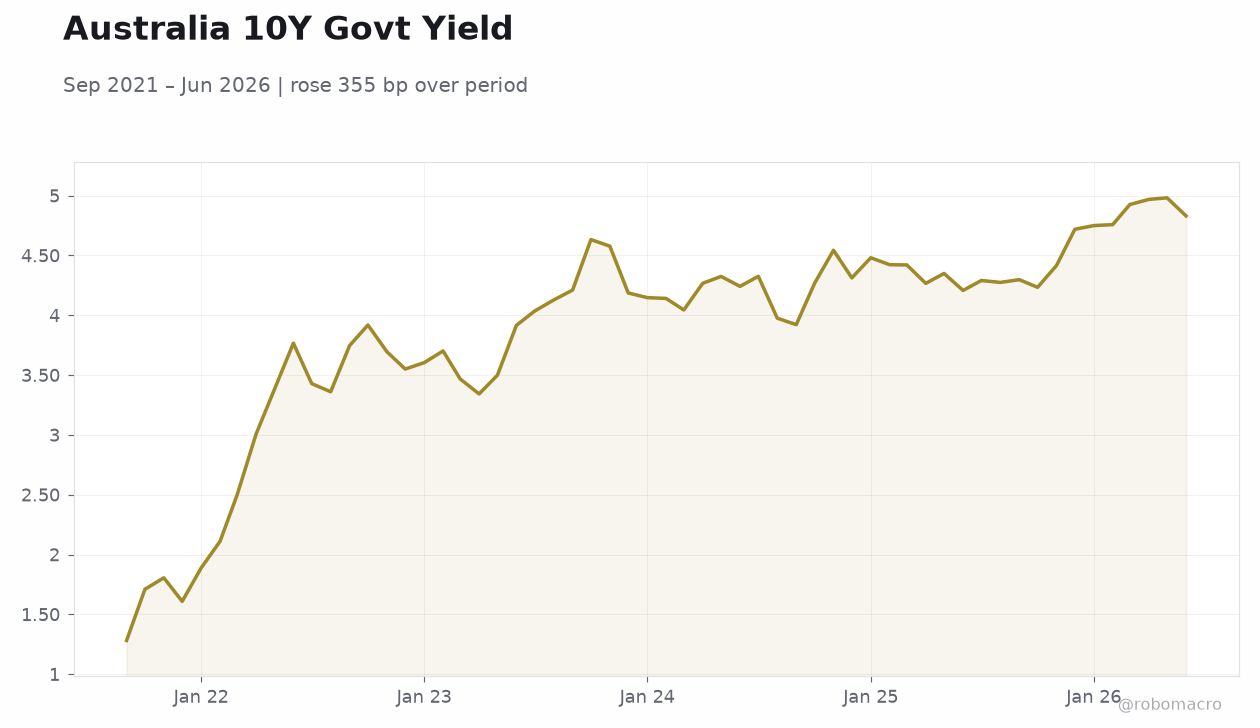 Australia 10Y Govt Yield | Type: macro_line | Yield %: 4.831 (2026-06-01) | Range: 1.282–4.982 | Trend(6pt): 1.282,3.696,4.148,4.421,4.982,4.831
Today's Economic Events
| Data | Prior | Cons | Time |
|---|---|---|---|
| Speech by RBA's Kent | - | - | 16:15 |
| Business NZ PMI Index | 59.70 | - | 14:30 |
| Speech by RBA's Gov Bullock | - | - | 15:30 |
| Home Loans Quarter-over-Quarter | -4.30 | - | 17:30 |
| Investment Lending for Homes | -3 | - | 17:30 |
- RBA kept cash rate at 4.35% and signalled further tightening remains possible after steady inflation.
- ASX 200 rose 0.19% while NZX 50 fell 0.89% amid diverging commodity and dairy flows.
- AUD/USD gained 0.15% to 0.71 as gold surged 2.01%, lifting Australian terms of trade.
Yesterday's Recap
The RBA held the cash rate at 4.35% for a second consecutive meeting, with the committee noting that a further hike remains quite possible if inflation does not moderate. NAB Business Confidence printed at -6, unchanged from the prior reading and signalling persistent weakness in Australian business sentiment. Australian 10-year government yields fell 3.03% to 4.83% as markets priced a lower probability of near-term tightening.
The ASX 200 advanced 0.19% to 9,250.60, supported by resource names, while the NZX 50 declined 0.89% to 13,737.66 on softer dairy-linked equities. AUD/USD rose 0.15% to 0.71 and AUD/NZD climbed 0.62% to 1.21 as gold jumped 2.01% to 4,471.20 on safe-haven demand. NZD/USD fell 0.49% to 0.59 amid Middle East uncertainty boosting the US dollar.
Brent crude eased 0.28% to 88.66 while Bitcoin slipped 0.25% to 63,396.01. BHP fell 0.75% to 63.45 despite firmer iron-ore indications, reflecting rotation within resources.
The Day Ahead
RBA Assistant Governor Kent is scheduled to speak at 16:15 ET, likely reiterating the board’s cautious stance on inflation. New Zealand’s Business NZ PMI is due at 14:30 ET, with markets watching for any softening in manufacturing momentum after the prior 59.7 print. RBA Governor Bullock will address the Australian Conference of Economists at 15:30 ET, providing fresh guidance on the policy outlook.
Australian home loans and investment lending data for the quarter are released at 17:30 ET, offering early signals on housing credit demand. These releases will inform expectations ahead of next week’s Australian employment and CPI prints. NZ short-term rates eased 9.60% to 4.33%, highlighting divergent yield paths between the two economies.
Other Economic Notes
Australia’s commodity export base continues to benefit from elevated gold and iron-ore prices, supporting the trade balance and AUD. New Zealand’s economy remains more exposed to dairy price cycles and tourism flows, with the NZD under additional pressure from safe-haven USD demand. Housing credit data due tomorrow will test whether recent rate stability is translating into renewed borrowing in both countries.
<i>↓ p.2</i>