ANZ Macro Daily(Beta Mode)
RBA Minutes, CPI Data Set to Guide Policy Path
Market Snapshot
| Asset | Level | Change |
|---|---|---|
| ASX 200 | 9,058.90 | -0.27% |
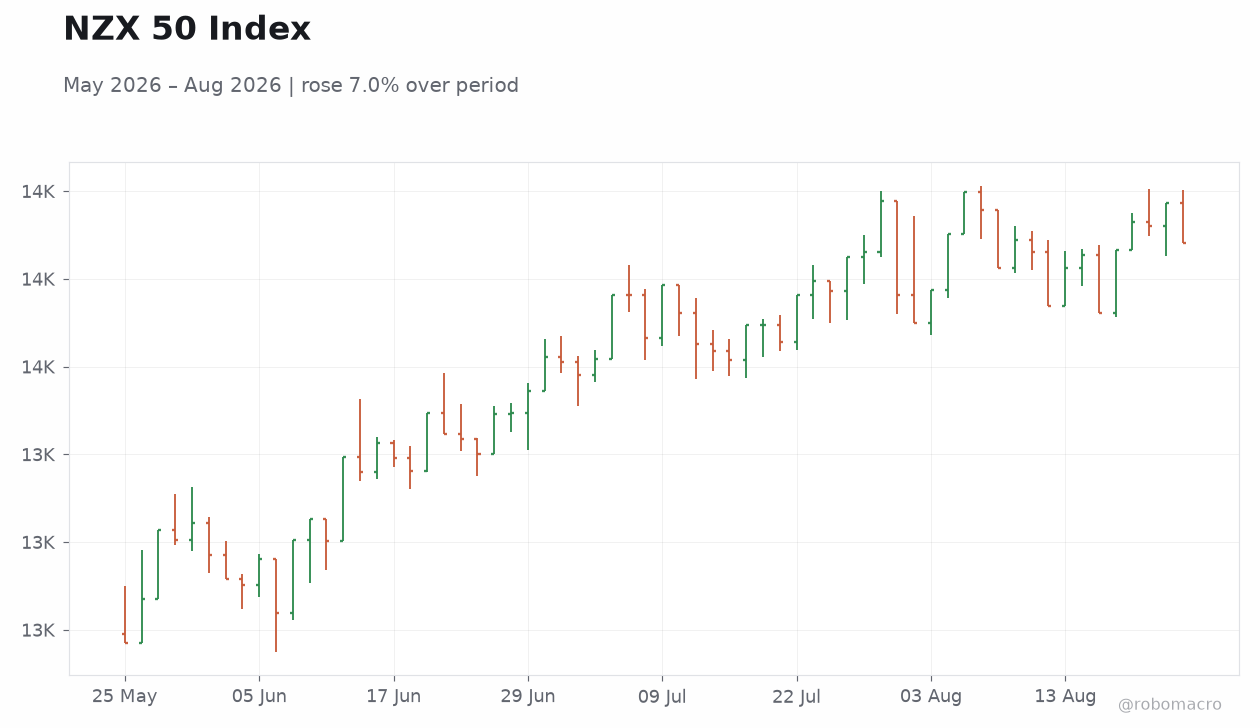
| NZX 50 | 13,881.88 | -0.65% |
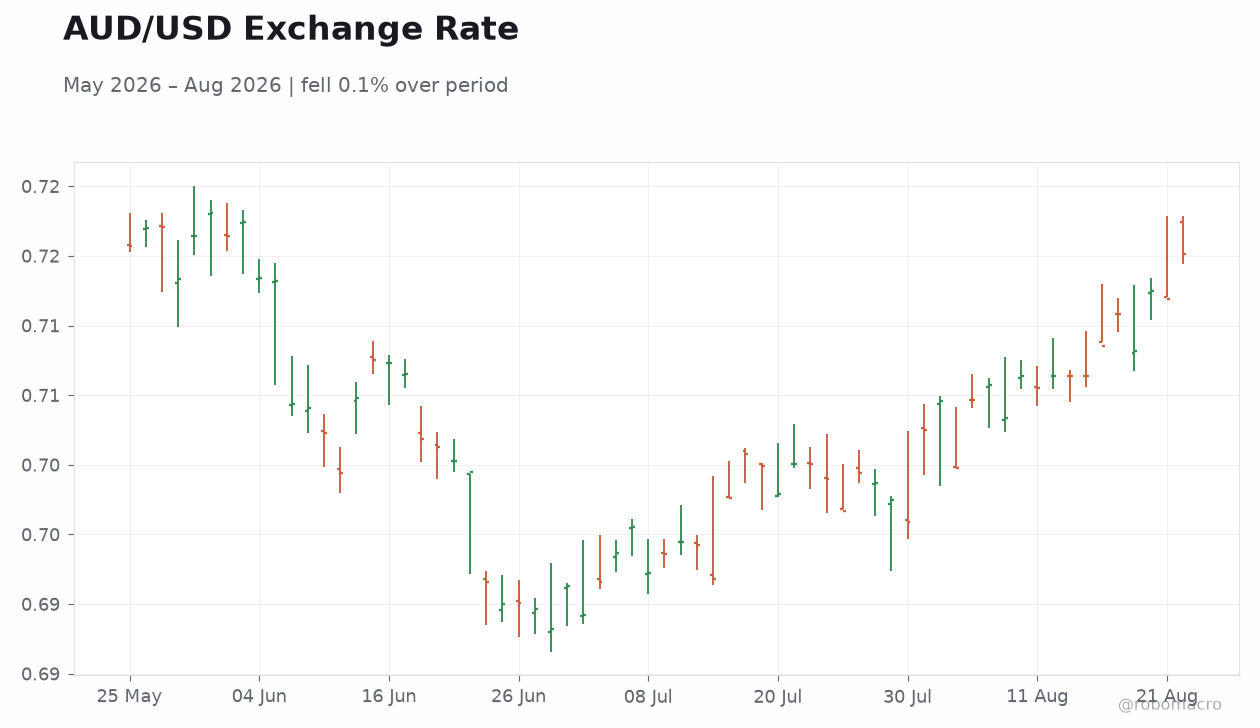
| AUD/USD | 0.72 | +0.43% |
| NZD/USD | 0.60 | +0.08% |
| AUD/NZD | 1.20 | +0.34% |
| BHP | 65.16 | -0.90% |
| Gold | 4,708.30 | +1.82% |
| Brent Crude | 92.06 | -2.47% |
| Bitcoin | 78,725.11 | +1.25% |
| Australia 10Y Govt Yield | 4.83% | -3.03% |
| NZ Short-term Rate | 4.33% | -9.60% |
Prior Economic Events
| Data | Prior | Cons | Actual |
|---|---|---|---|
| No events available | |||
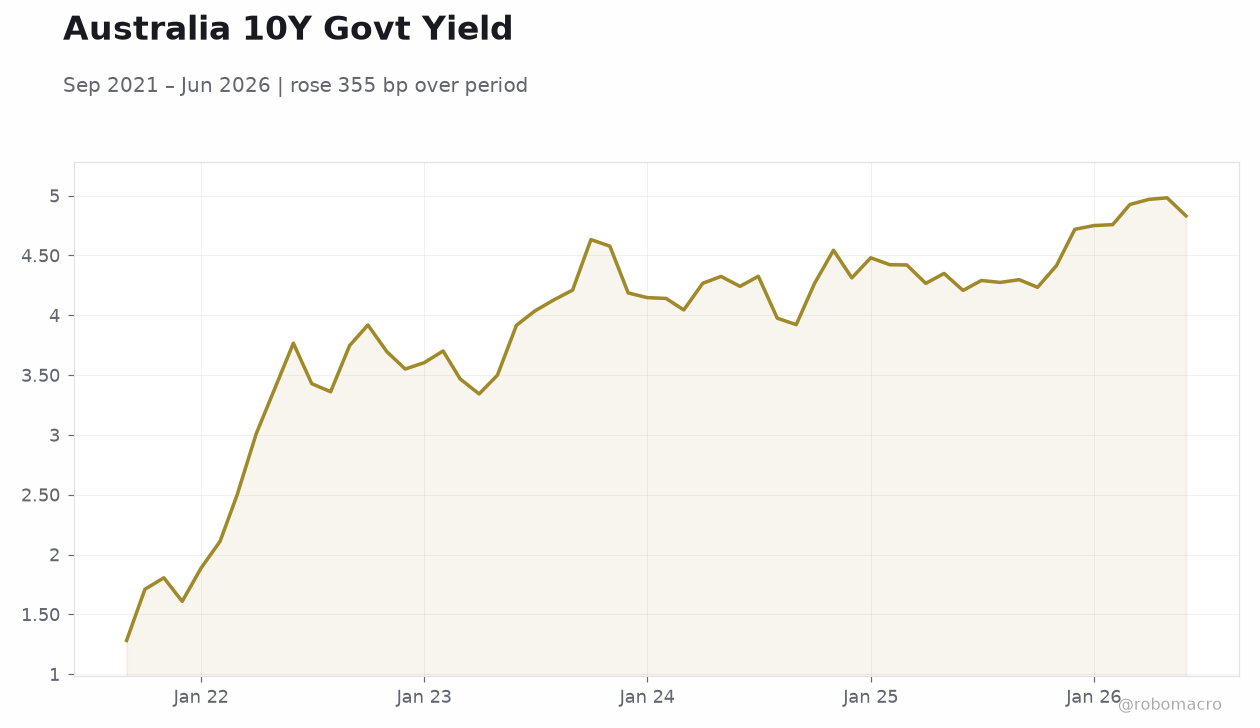 Australia 10Y Govt Yield | Type: macro_line | Yield %: 4.831 (2026-06-01) | Range: 1.282–4.982 | Trend(6pt): 1.282,3.696,4.148,4.421,4.982,4.831
Today's Economic Events
| Data | Prior | Cons | Time |
|---|---|---|---|
| RBA Meeting Minutes | - | - | 21:30 |
| Speech by RBA's Jacobs | - | - | 00:00 |
| Construction Work Done Quarter-over-Quarter | 3.40 | 0.50 | 21:30 |
| Inflation Rate Month-over-Month | -0.10 | 0.80 | 21:30 |
| Inflation Rate Year-over-Year | 3.80 | 3.20 | 21:30 |
| RBA Trimmed Mean Consumer Price Index Month-over-Month | 0.30 | 0.30 | 21:30 |
| RBA Trimmed Mean Consumer Price Index Year-over-Year | 3.60 | 3.50 | 21:30 |
| RBA Bulletin | - | - | 21:30 |
| ANZ Business Confidence | 56.10 | - | 21:00 |
| Company Gross Profits Quarter-over-Quarter | -1.30 | - | 21:30 |
- RBA minutes and Australian inflation data due tonight will clarify policy path amid sticky CPI.
- ASX 200 and NZX 50 declined while AUD strengthened on commodity support and rate-cut repricing.
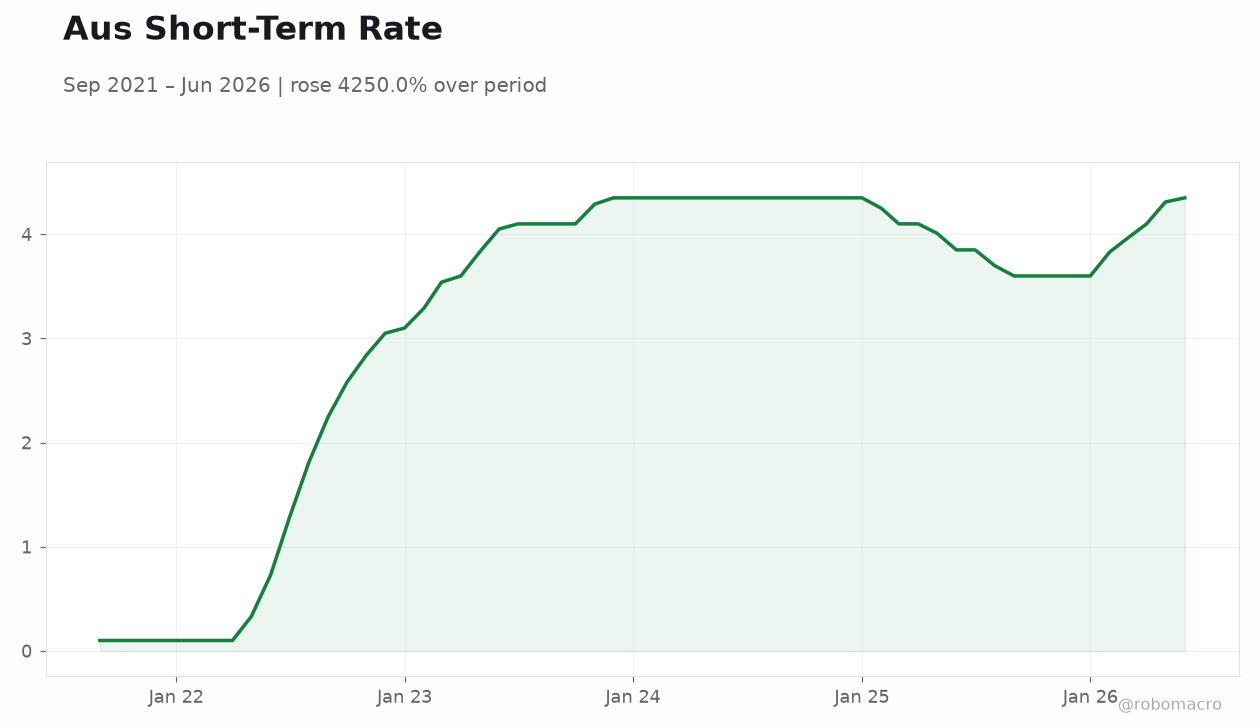
- RBNZ OCR at 2.50% contrasts with RBA cash rate at 4.35%, highlighting divergent inflation trajectories.
Yesterday's Recap
Australian and New Zealand equity markets closed lower with the ASX 200 falling 0.27% to 9,058.90 and the NZX 50 dropping 0.65% to 13,881.88. The Australian dollar rose 0.43% to 0.72 against the US dollar while the New Zealand dollar gained 0.08% to 0.60, narrowing AUD/NZD by 0.34%. Ten-year Australian government yields fell 3.03% to 4.83% as investors positioned ahead of tonight’s RBA minutes.
New Zealand short-term rates declined 9.60% to 4.33%. BHP shares slipped 0.90% to 65.16 despite gold rising 1.82% to 4,708.30, underscoring mixed commodity signals for Australian exporters. Brent crude fell 2.47% to 92.06, easing imported inflation pressures for both economies.
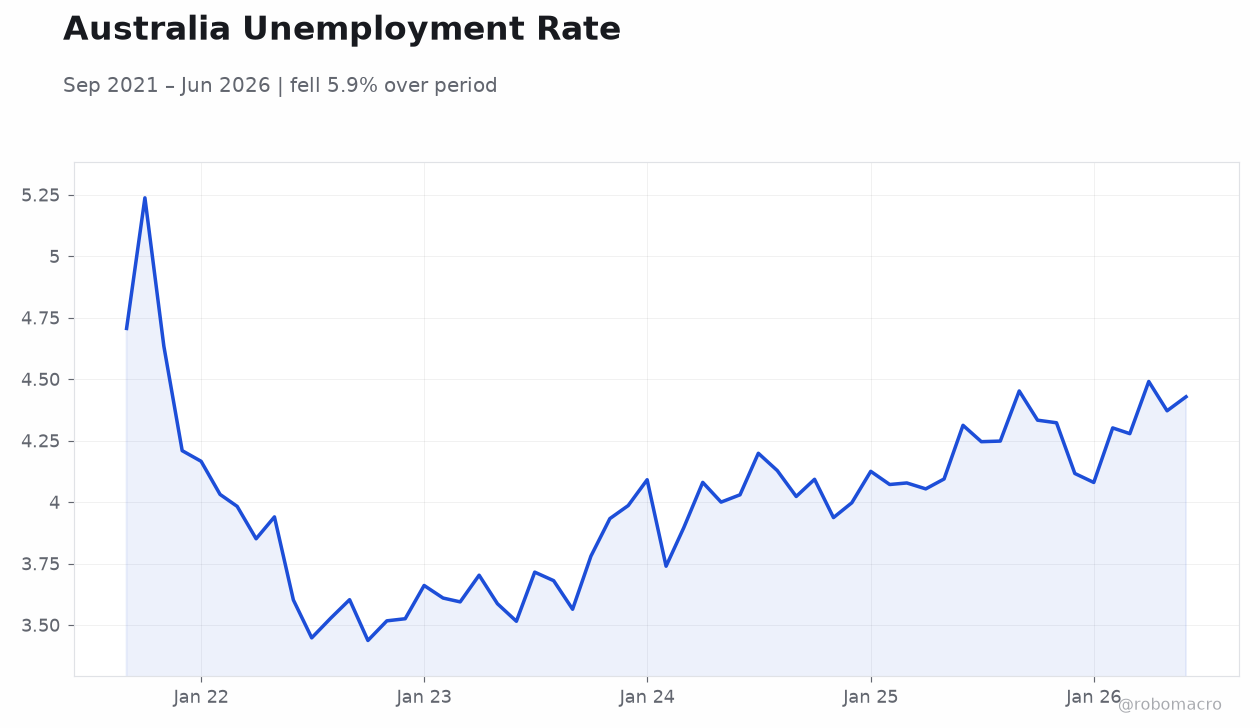
No major data releases occurred in either Australia or New Zealand yesterday, leaving markets to digest prior weak employment prints and upcoming inflation prints. Bitcoin rose 1.25% to 78,725.11 amid broader risk appetite.
The Day Ahead
Tonight’s RBA meeting minutes will provide fresh insight into the board’s assessment of Australian inflation at 3.75% year-over-year. A speech by RBA’s Jacobs tomorrow morning could reinforce guidance ahead of the September decision. Australian construction work done, CPI month-over-month, and trimmed-mean measures are scheduled for release at 21:30, with consensus pointing to a 0.8% monthly inflation rise and trimmed-mean CPI at 3.5% year-over-year.
The RBA bulletin on Wednesday will offer additional analytical context on Australian growth and housing dynamics. In New Zealand, ANZ business confidence on 30 August will test sentiment after inflation expectations cooled. These releases will dominate Australian and New Zealand market focus through mid-week, alongside company gross profits data.
Other Economic Notes
Australian inflation remains elevated at 3.75% year-over-year, keeping the RBA cash rate at 4.35% and sustaining pressure on household disposable income. New Zealand’s higher 4.06% CPI year-over-year has allowed the RBNZ to hold the OCR at 2.50%, yet easing inflation expectations are supporting equity gains. Housing markets in both countries remain sensitive to rate paths, with Australian rents and fuel costs adding upside risks to the next CPI print.
<i>↓ p.2</i>