ANZ Macro Daily(Beta Mode)
RBA Hawkish on Oil, AUD Outperforms NZD
Market Snapshot
| Asset | Level | Change |
|---|---|---|
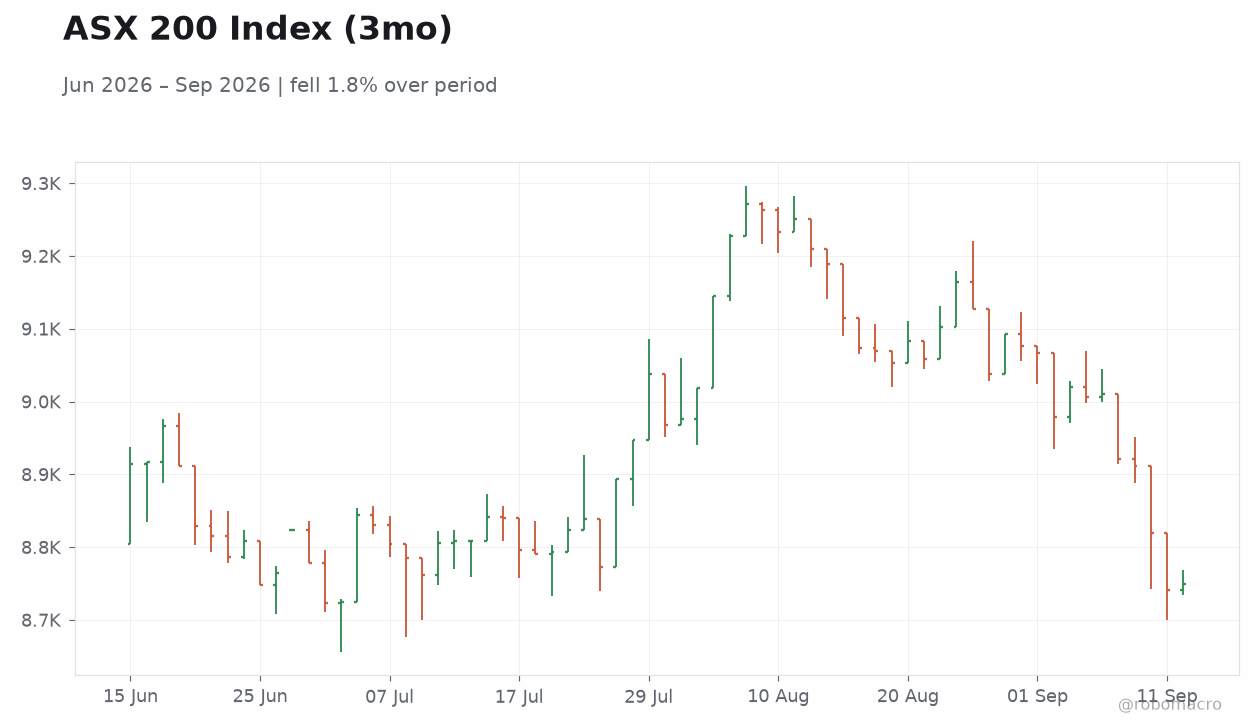
| ASX 200 | 8,749.90 | +0.10% |
| NZX 50 | 13,484.22 | -0.56% |
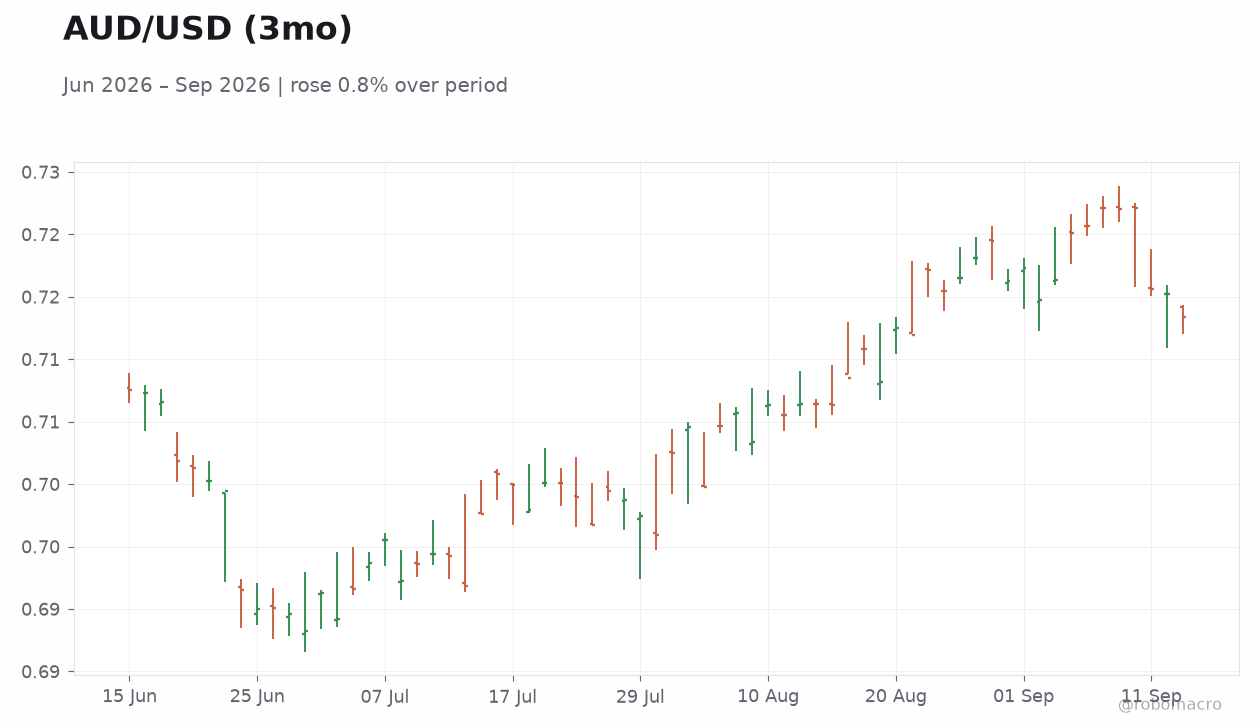
| AUD/USD | 0.71 | -0.26% |
| NZD/USD | 0.58 | -0.90% |
| AUD/NZD | 1.24 | +0.63% |
| BHP | 59.25 | -2.21% |
| Gold | 4,338.40 | -0.31% |
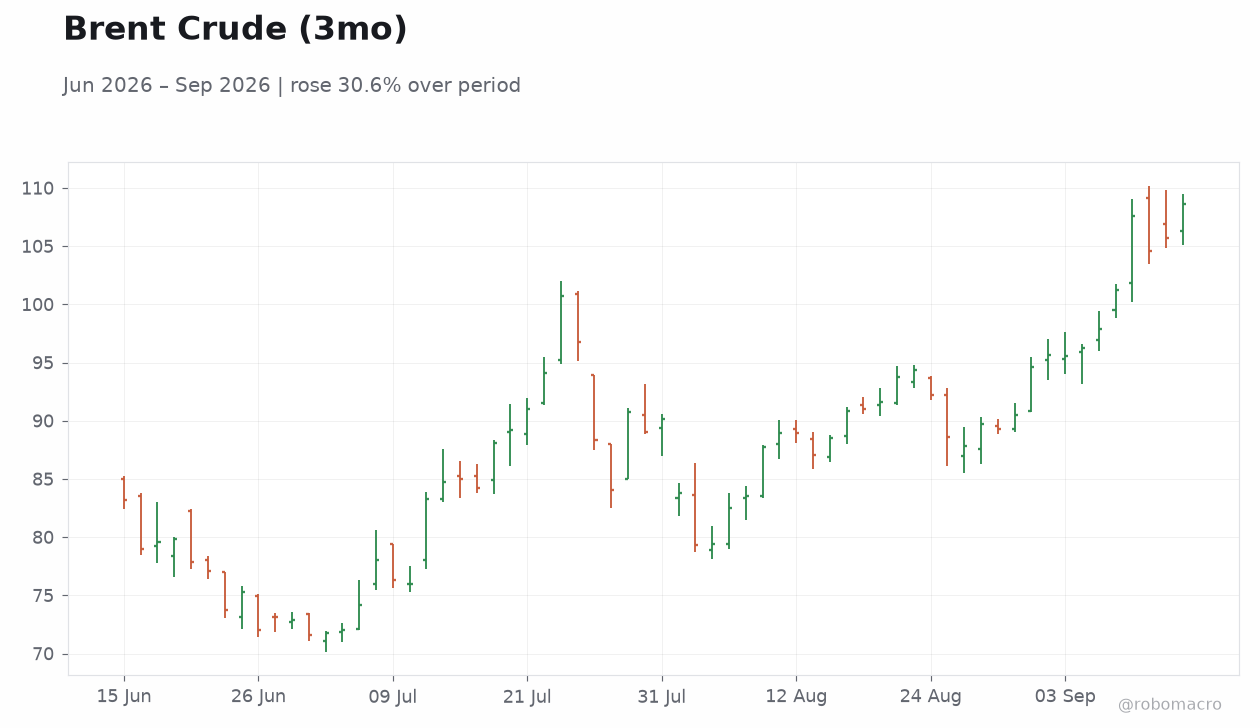
| Brent Crude | 108.66 | +2.82% |
| Bitcoin | 76,166.37 | -2.55% |
| Australia 2Y Govt Yield | 4.83% | +3 bp |
| Australia 10Y Govt Yield | 5.20% | +2 bp |
Prior Economic Events
| Data | Prior | Cons | Actual |
|---|---|---|---|
| Speech by RBA's Hunter | - | - | - |
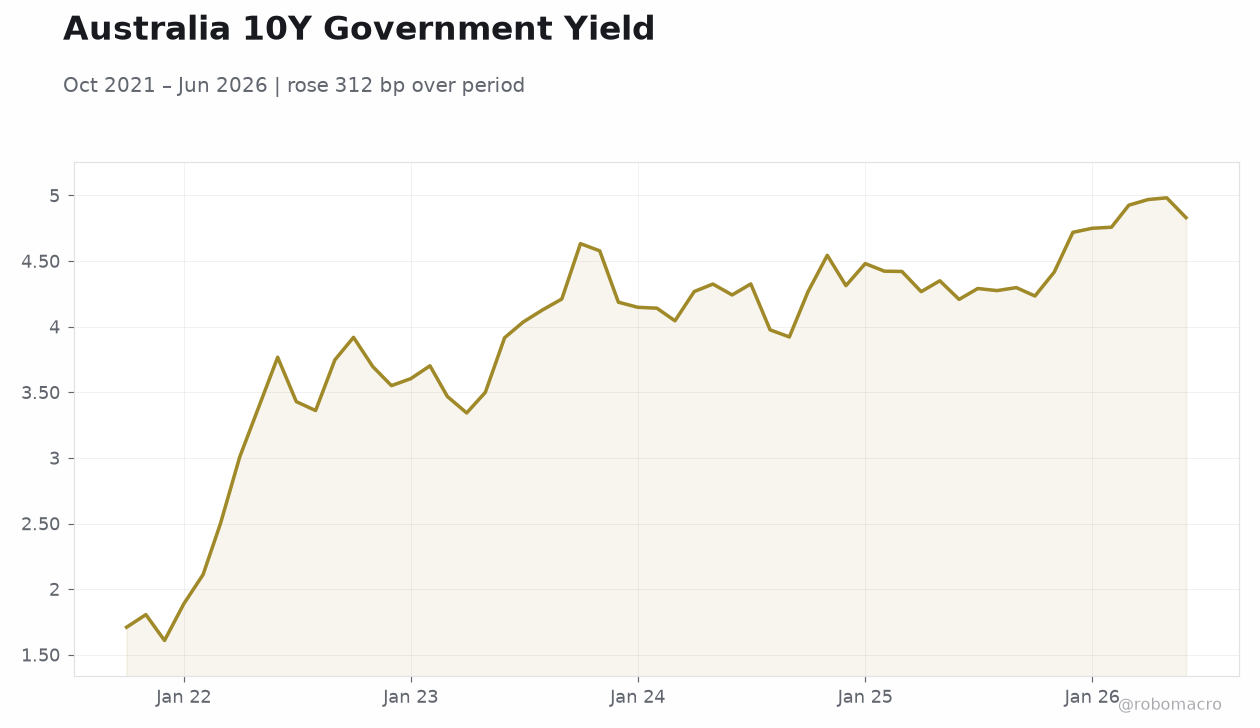 Australia 10Y Government Yield | Type: macro_line | Yield %: 4.831 (2026-06-01) | Range: 1.609–4.982 | Trend(5pt): 1.71,3.551,4.141,4.267,4.831
Today's Economic Events
| Data | Prior | Cons | Time |
|---|---|---|---|
| Current Account Balance | -1,010m | -2,570m | 18:45 |
| GDP Growth Quarter-over-Quarter | 0.80 | 0.10 | 18:45 |
| GDP Growth Year-over-Year | 1.50 | 2.30 | 18:45 |
| Trade Balance | -1,950m | -1,275m | 18:45 |
| Speech by RBA's Hunter | - | - | 15:00 |
| S&P Global Manufacturing PMI Flash | 52 | - | 19:00 |
| S&P Global Services PMI Flash | 53.20 | - | 19:00 |
- RBA officials flag oil prices and consumer goods as inflation risks, keeping rate-hike bets alive.
- ASX 200 edges higher while NZX 50 falls; AUD/USD holds near 0.71 as NZD/USD drops below 0.58.
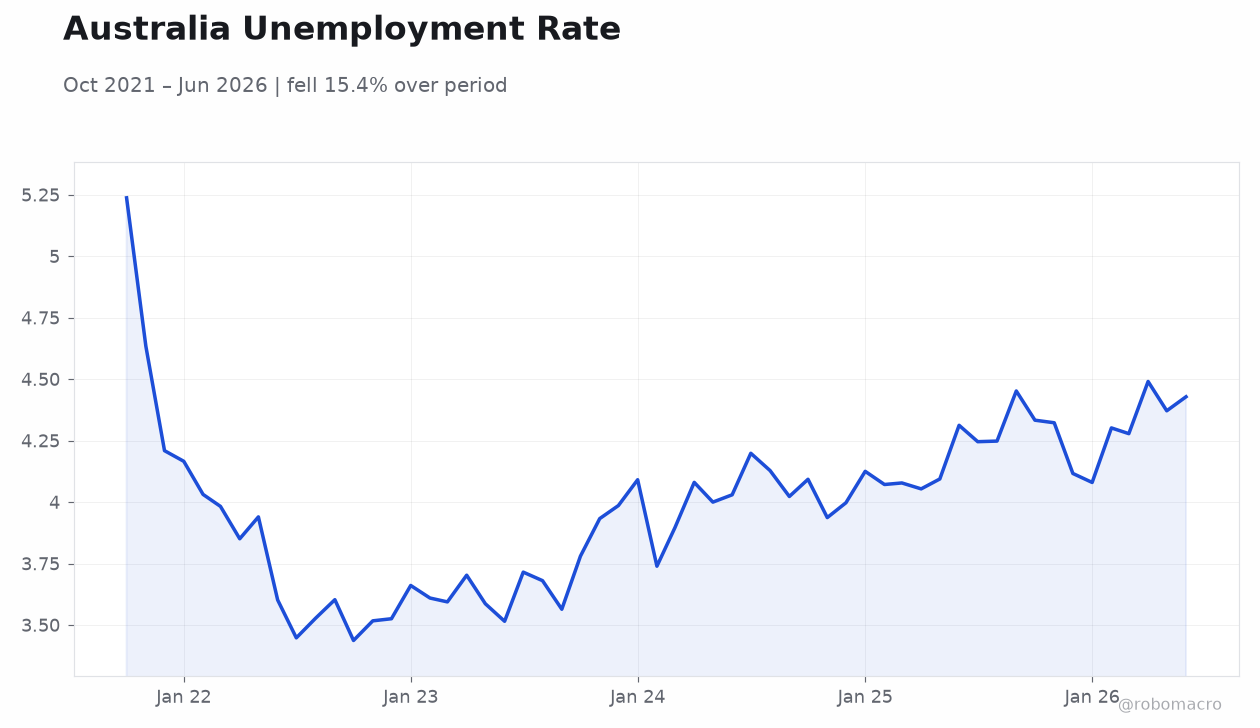
- Australia CPI at 3.45% and New Zealand CPI at 4.10% frame divergent central-bank paths ahead of NZ GDP.
Yesterday's Recap
The ASX 200 rose 0.10% to 8,749.90 while the NZX 50 declined 0.56% to 13,484.22. BHP fell 2.21% to 59.25 even as Brent crude climbed 2.82% to 108.66. AUD/USD slipped 0.26% to 0.71 and NZD/USD dropped 0.90% to 0.58, lifting AUD/NZD 0.63% to 1.24.
Australian 2-year yields rose 3 bp to 4.83% and 10-year yields added 2 bp to 5.20%. A speech by RBA’s Hunter reinforced concerns that higher crude prices threaten the 3.45% inflation rate. No major Australian or New Zealand data prints occurred, leaving markets focused on RBA commentary and the NZD’s underperformance.
Gold eased 0.31% to 4,338.40 and Bitcoin fell 2.55% to 76,166.37 amid broader risk-off flows.
The Day Ahead
New Zealand releases its Current Account Balance at 18:45 today, with consensus pointing to a wider deficit of NZ$2.57 bn. GDP figures follow tomorrow, expected to show QoQ growth slowing to 0.1% from 0.8% and YoY rising to 2.3%. Trade Balance data arrive on 17 September.
RBA’s Hunter speaks again on 21 September. S&P Global Manufacturing and Services PMI flashes for Australia are due 22 September. No policy meetings or auctions are scheduled in the immediate window.
Markets will watch whether softer NZ growth data widen the policy divergence already priced between the two central banks.
Other Economic Notes
Australia’s commodity-export model benefits from elevated oil and iron-ore prices, supporting terms of trade and the AUD. New Zealand’s dairy and tourism sectors remain sensitive to global risk sentiment and currency weakness. Housing markets in both countries continue to influence household spending, with higher rates curbing credit demand.
China’s growth trajectory remains the dominant external driver for Australian mining revenues and New Zealand export volumes. BHP’s share-price moves serve as a timely gauge of mining-sector sentiment. Elevated Brent levels flagged by RBA officials as an inflation risk may further support AUD via improved export revenues while pressuring NZD through risk-off channels.