ANZ Macro Daily(Beta Mode)
RBA Warns Inflation Risks Are Materializing
Market Snapshot
| Asset | Level | Change |
|---|---|---|
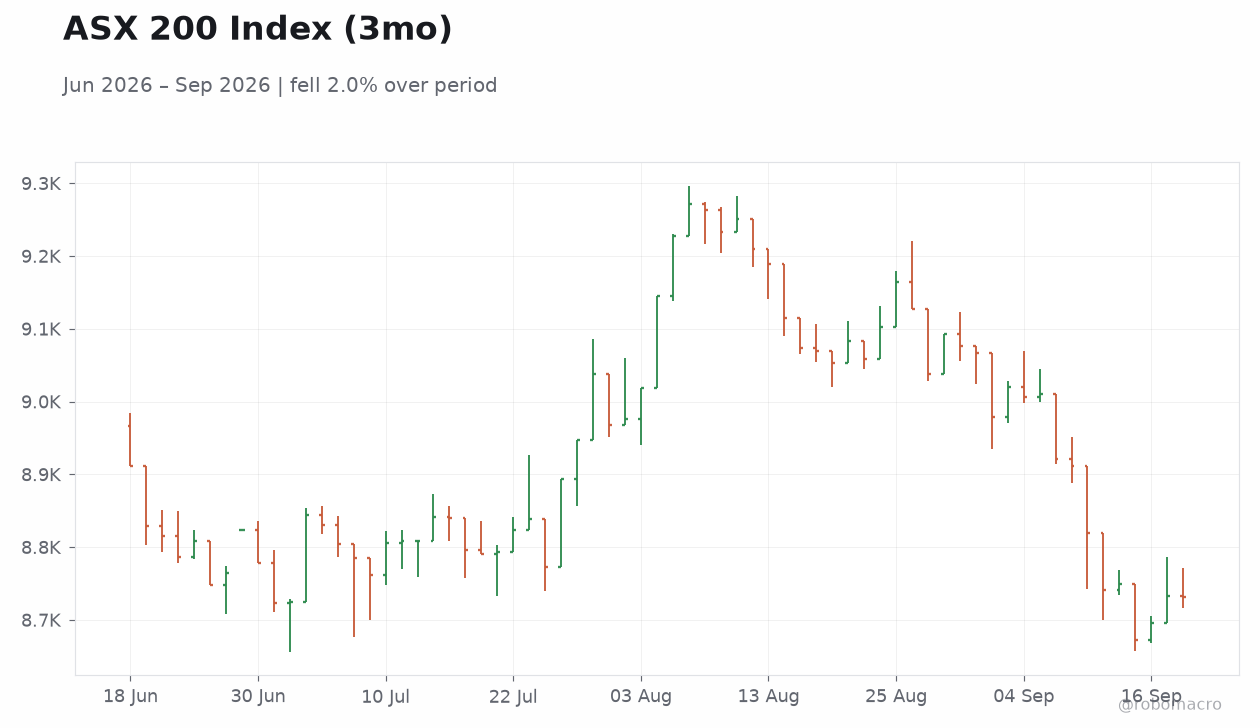
| ASX 200 | 8,731.20 | -0.01% |
| NZX 50 | 13,739.14 | -0.13% |
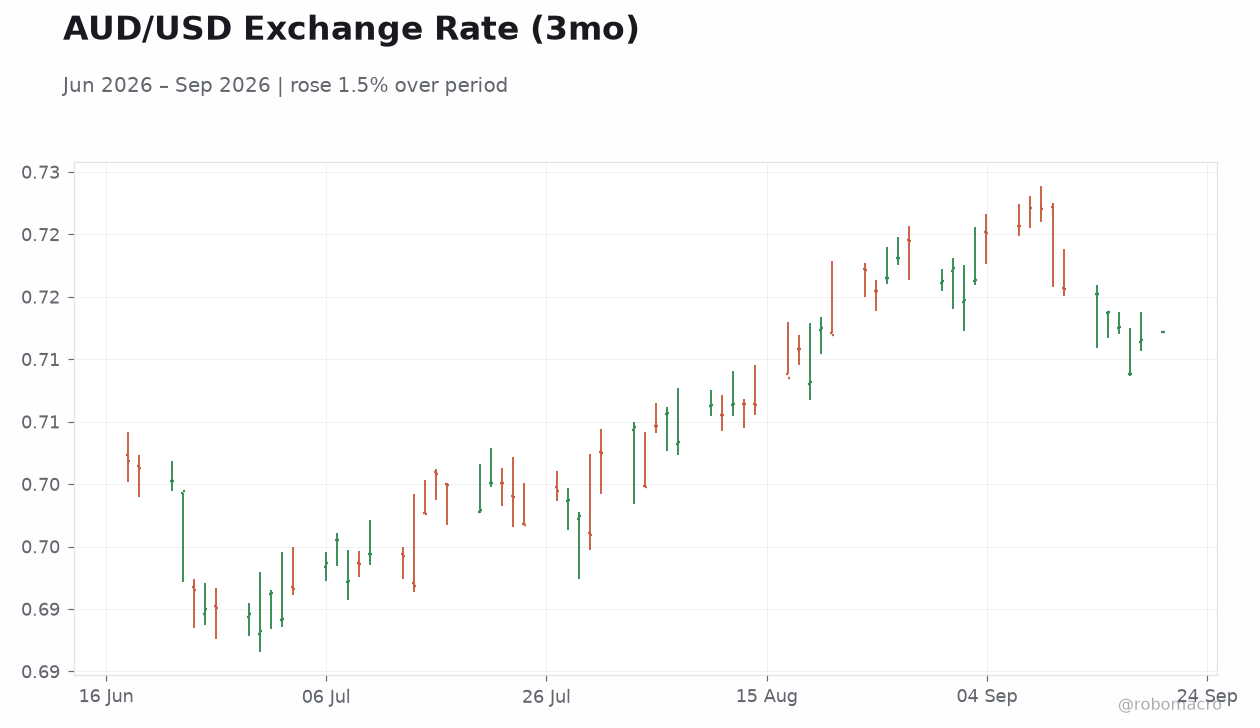
| AUD/USD | 0.71 | +0.08% |
| NZD/USD | 0.57 | -0.07% |
| AUD/NZD | 1.24 | +0.06% |
| BHP | 61.05 | +1.40% |
| Gold | 4,424.90 | +0.57% |
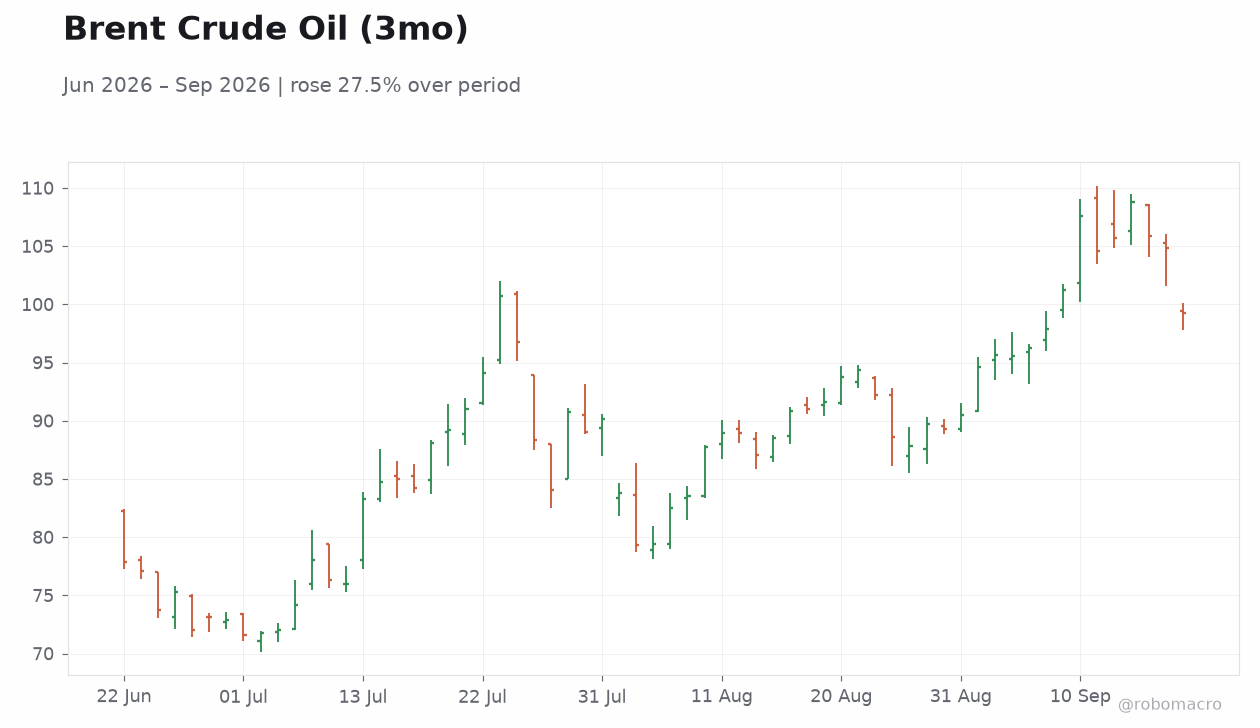
| Brent Crude | 99.29 | -5.28% |
| Bitcoin | 81,179.13 | -0.07% |
| Australia 2Y Govt Yield | 5.00% | -5 bp |
| Australia 10Y Govt Yield | 5.35% | -6 bp |
Prior Economic Events
| Data | Prior | Cons | Actual |
|---|---|---|---|
| No events available | |||
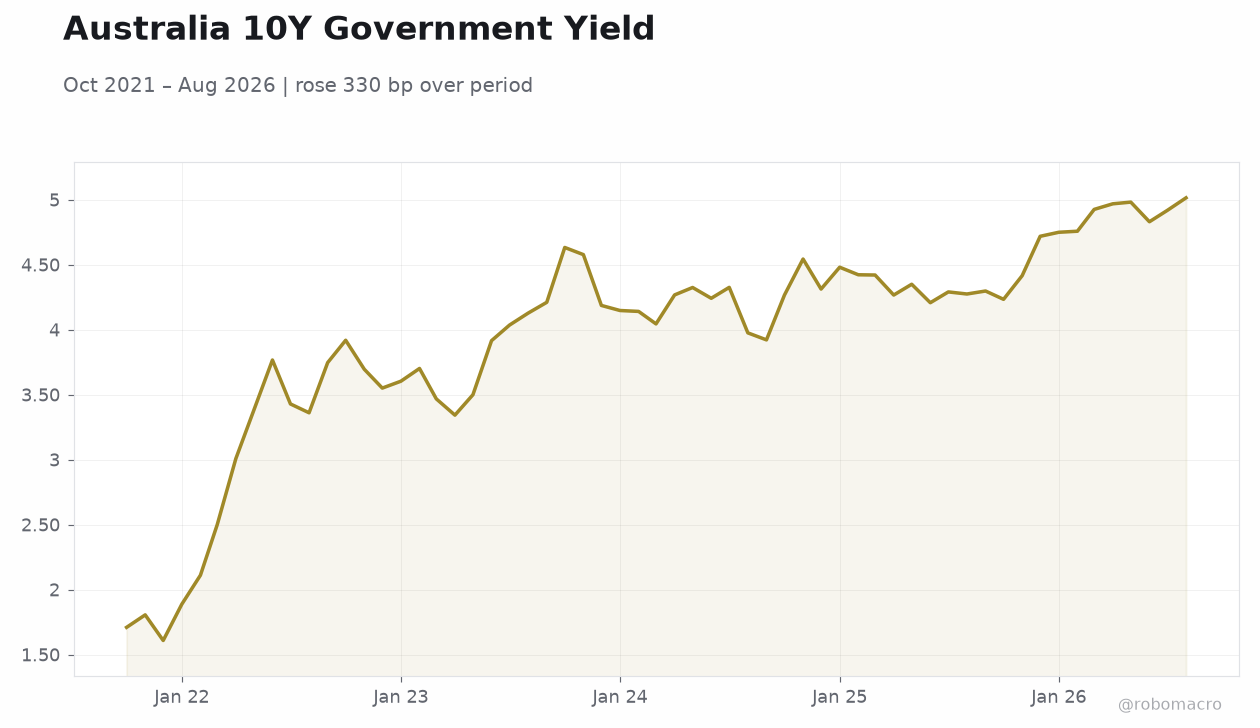 Australia 10Y Government Yield | Type: macro_line | Yield (%): 5.015 (2026-08-01) | Range: 1.609–5.015 | Trend(6pt): 1.71,3.551,4.141,4.267,4.831,5.015
Today's Economic Events
| Data | Prior | Cons | Time |
|---|---|---|---|
| Speech by RBA's Hunter | - | - | 15:00 |
| S&P Global Manufacturing PMI Flash | 52 | - | 19:00 |
| S&P Global Services PMI Flash | 53.20 | - | 19:00 |
| Employment Change | -15,800 | 20,000 | 21:30 |
| Full-Time Employment Change | 16,300 | - | 21:30 |
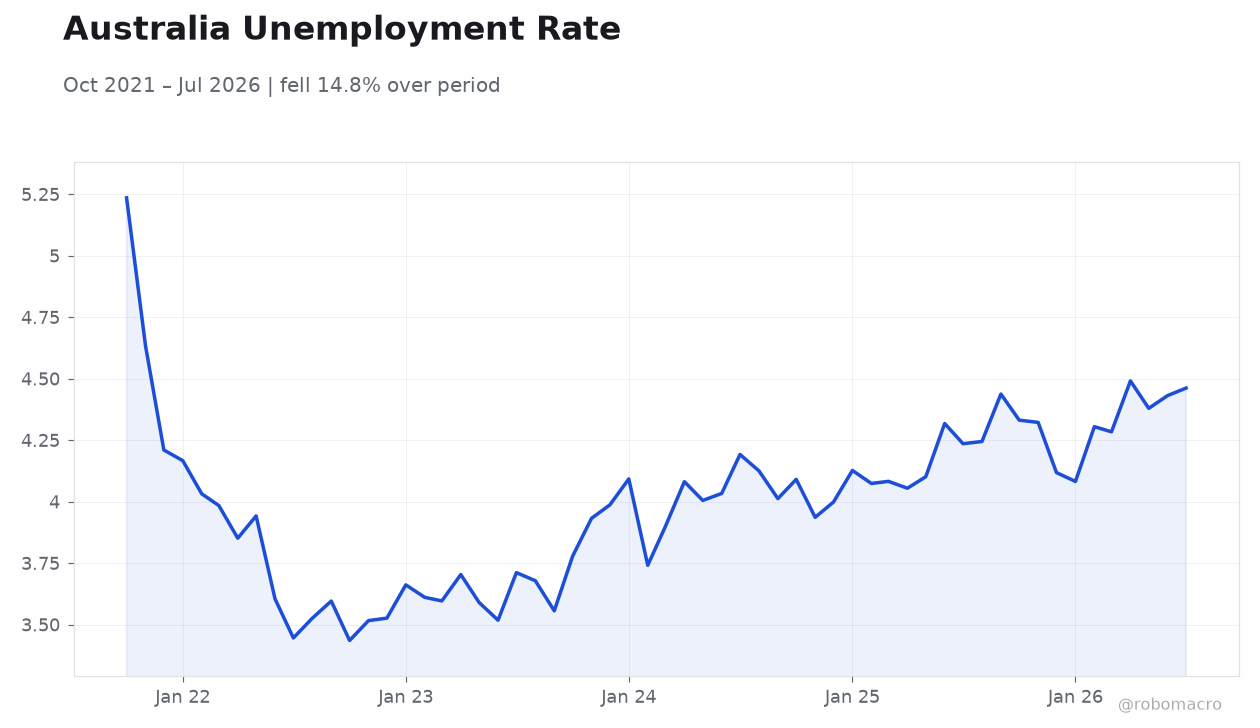
| Unemployment Rate | 4.50 | 4.50 | 21:30 |
- RBA Governor Bullock signals further rate hikes likely as inflation fears materialise amid global oil pressures, shifting policy priority away from employment.
- Australian yields eased with the 10-year falling 6 bp to 5.35% while ASX 200 closed almost flat at 8,731.20 after initial gains were erased.
- Brent crude plunged 5.28% to 99.29, potentially easing imported inflation, while AUD/USD edged 0.08% higher to 0.71 ahead of key employment data.
Yesterday's Recap
Australian and New Zealand equity markets closed marginally lower with the ASX 200 slipping 0.01% to 8,731.20 and the NZX 50 declining 0.13% to 13,739.14. BHP rose 1.40% to 61.05, providing support amid commodity price swings. Australian government bond yields declined across the curve, with the 2-year yield falling 5 bp to 5.00% and the 10-year yield easing 6 bp to 5.35%.
RBA Governor Michele Bullock’s comments on materialising inflation risks and the global oil-price threat erased earlier market gains and reinforced expectations of additional tightening. AUD/USD advanced 0.08% to 0.71 while NZD/USD fell 0.07% to 0.57, leaving AUD/NZD 0.06% higher at 1.24. Gold advanced 0.57% to 4,424.90, offering some support to the Australian dollar.
No macroeconomic data releases occurred in either Australia or New Zealand on 19 September.
The Day Ahead
Attention turns to RBA Assistant Governor Hunter’s speech at 15:00 ET on 21 September, which markets will scrutinise for further signals on the inflation outlook. Australian S&P Global Manufacturing and Services PMI flashes are due on 22 September and will provide early readings on September activity. The critical 23 September employment report is expected to show a 20,000 rise in total employment after last month’s 15,800 decline, with the unemployment rate forecast to hold at 4.5%.
Full-time employment change will also be released. No RBNZ events or policy meetings are scheduled in the immediate window. Markets will continue to monitor US CPI for any spillover effects on RBA rate expectations.
Other Economic Notes
Persistent inflation has prompted the RBA to de-emphasise the previous “narrow path” balancing act, with Governor Bullock explicitly prioritising price stability even if it means higher unemployment. Australian home prices have fallen while affordability has deteriorated further under the weight of prospective rate hikes, adding pressure on household balance sheets. ↓ p.2