ANZ Macro Daily(Beta Mode)
RBA Flags Inflation Risks, Neutral on Housing
Market Snapshot
| Asset | Level | Change |
|---|---|---|
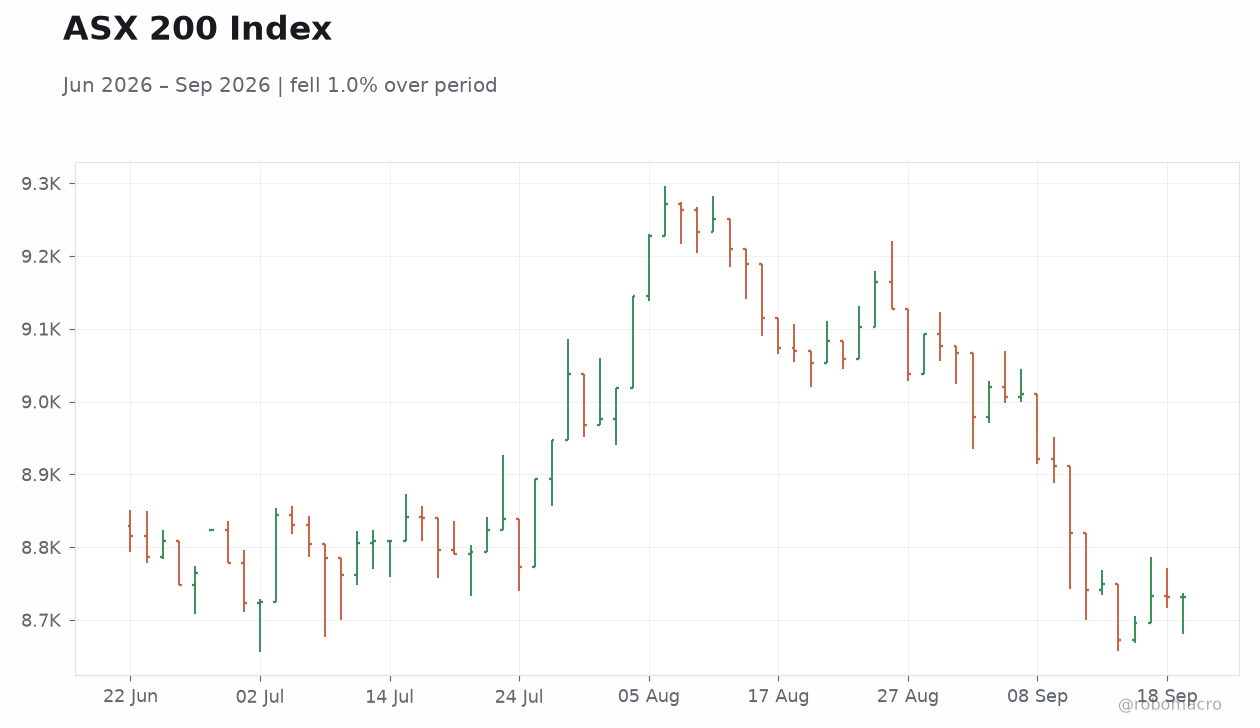
| ASX 200 | 8,731.90 | +0.01% |
| NZX 50 | 13,875.48 | +0.39% |
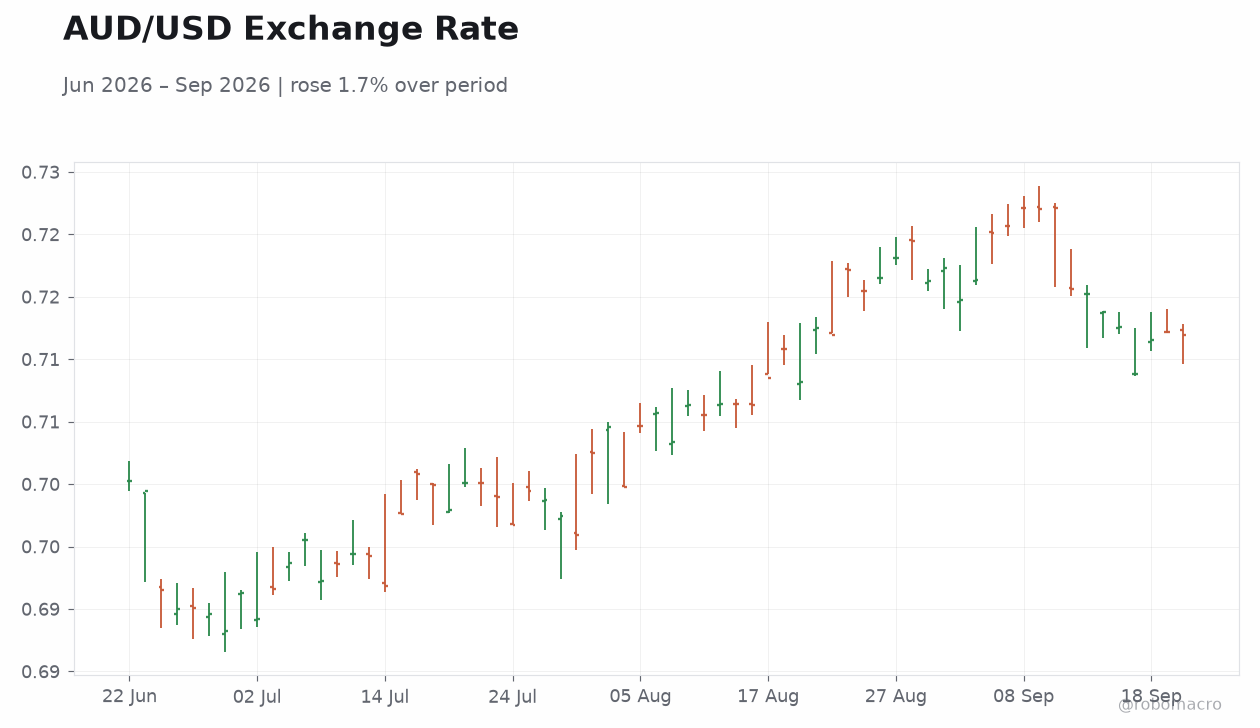
| AUD/USD | 0.71 | -0.04% |
| NZD/USD | 0.57 | +0.13% |
| AUD/NZD | 1.24 | -0.24% |
| BHP | 61.22 | +0.72% |
| Gold | 4,406.90 | +0.52% |
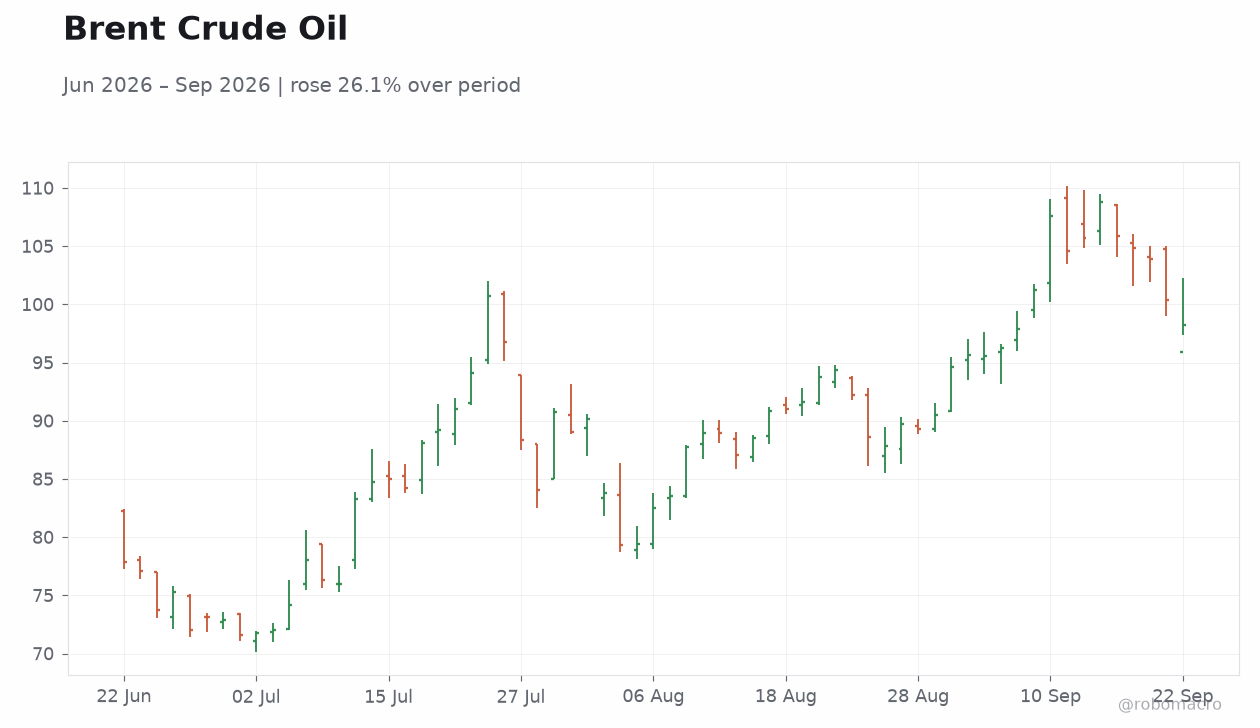
| Brent Crude | 98.13 | -2.20% |
| Bitcoin | 86,224.91 | -0.44% |
| Australia 2Y Govt Yield | 5.00% | -5 bp |
| Australia 10Y Govt Yield | 5.35% | -6 bp |
Prior Economic Events
| Data | Prior | Cons | Actual |
|---|---|---|---|
| No events available | |||
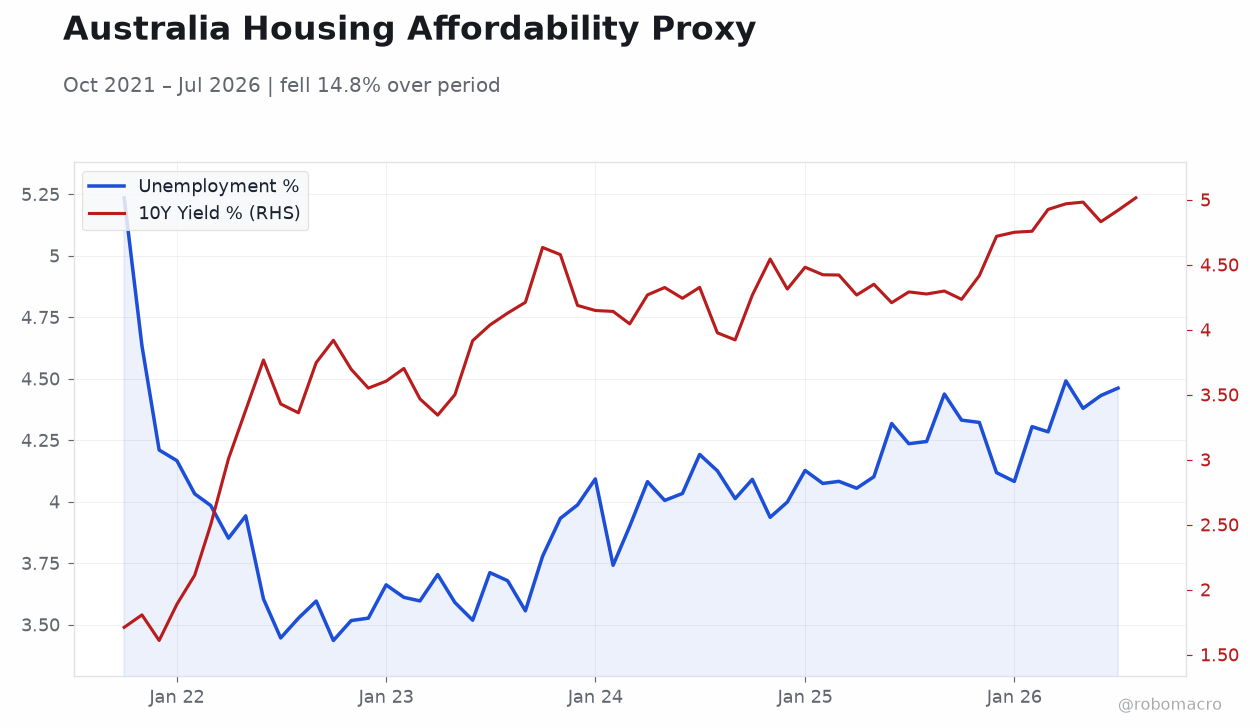
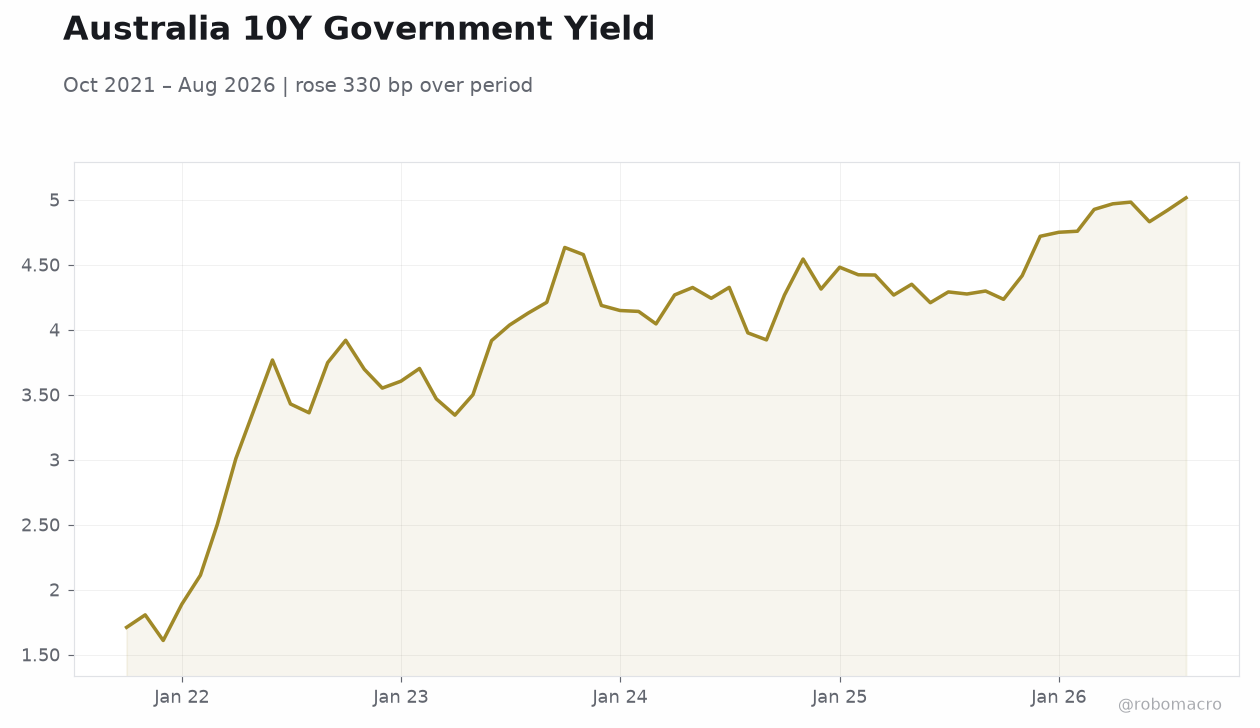 Australia 10Y Government Yield | Type: macro_line | Yield %: 5.015 (2026-08-01) | Range: 1.609–5.015 | Trend(6pt): 1.71,3.551,4.141,4.267,4.831,5.015
Today's Economic Events
| Data | Prior | Cons | Time |
|---|---|---|---|
| No events available | |||
- Australian bonds rallied as 10-year yields eased 6 bp to 5.35% on subdued data flow.
- RBA Governor Bullock flagged materialising inflation risks while ruling out support for house prices.
- NZD gained modestly against USD amid gradual RBNZ tightening expectations.
Yesterday's Recap
Equity markets posted modest gains with the ASX 200 rising 0.01% to 8,731.90 and the NZX 50 advancing 0.39% to 13,875.48. BHP lifted 0.72% to 61.22 amid firmer commodity sentiment. Australian government bonds rallied, with the 2-year yield easing 5 bp to 5.00% and the 10-year yield declining 6 bp to 5.35%.
AUD/USD slipped 0.04% to 0.71 while NZD/USD rose 0.13% to 0.57, narrowing AUD/NZD by 0.24% to 1.24. Gold advanced 0.52% to 4,406.90 and Brent crude fell 2.20% to 98.13. No economic data releases occurred in Australia or New Zealand.
News flow centred on RBA Governor Bullock’s remarks highlighting inflation risks and reiterating the bank’s neutral stance on house prices. The RBA cash rate stands at 4.35% while Australia’s CPI YoY printed 3.45%. In New Zealand the RBNZ OCR sits at 2.75% with CPI YoY at 4.10%.
The Day Ahead
No macroeconomic releases or central bank events are scheduled for Australia or New Zealand. Markets will monitor global commodity prices and any China-related trade signals given Australia’s export linkages. Fixed-rate hikes by major banks ahead of the next RBA meeting may influence mortgage sentiment.
Geopolitical developments could affect NZD flows through risk sentiment. Investors await further commentary on AI and productivity themes raised by RBA officials.
Other Economic Notes
Australia’s CPI at 3.45% and New Zealand’s at 4.10% underscore persistent price pressures in both economies. Commodity exporters face mixed signals from softer Brent crude offset by firmer gold prices. Housing markets remain sensitive to policy signals, with RBA statements explicitly distancing the bank from price support.
Broader fiscal calls from the RBA highlight the need for government action on productivity and emerging risks such as AI bubbles. A New Zealand review criticised the RBNZ for pivoting too slowly while noting oil prices could keep inflation elevated.