Confidence Slips, RBA Hike Odds Build
-4.70 Westpac Consumer80.40 Westpac Consumer-24.20 Ai Group Industry
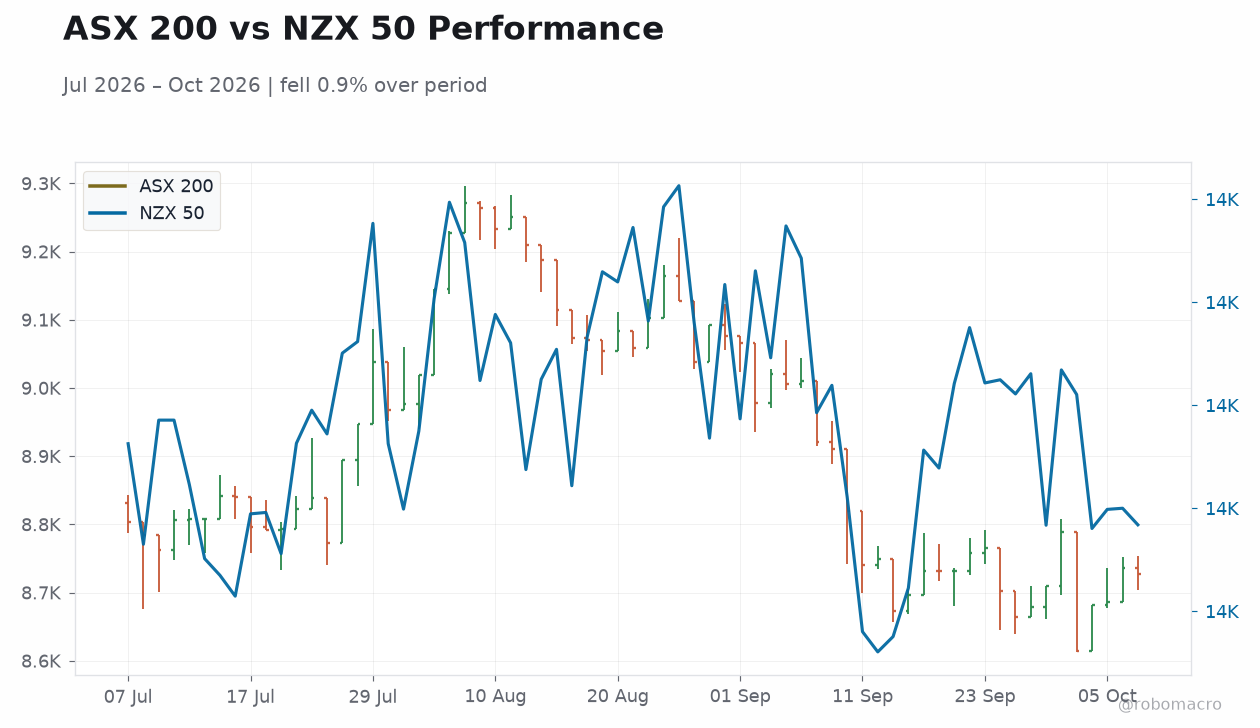
ASX 2008,727.70-0.09%
NZX 5013,684.04-0.12%
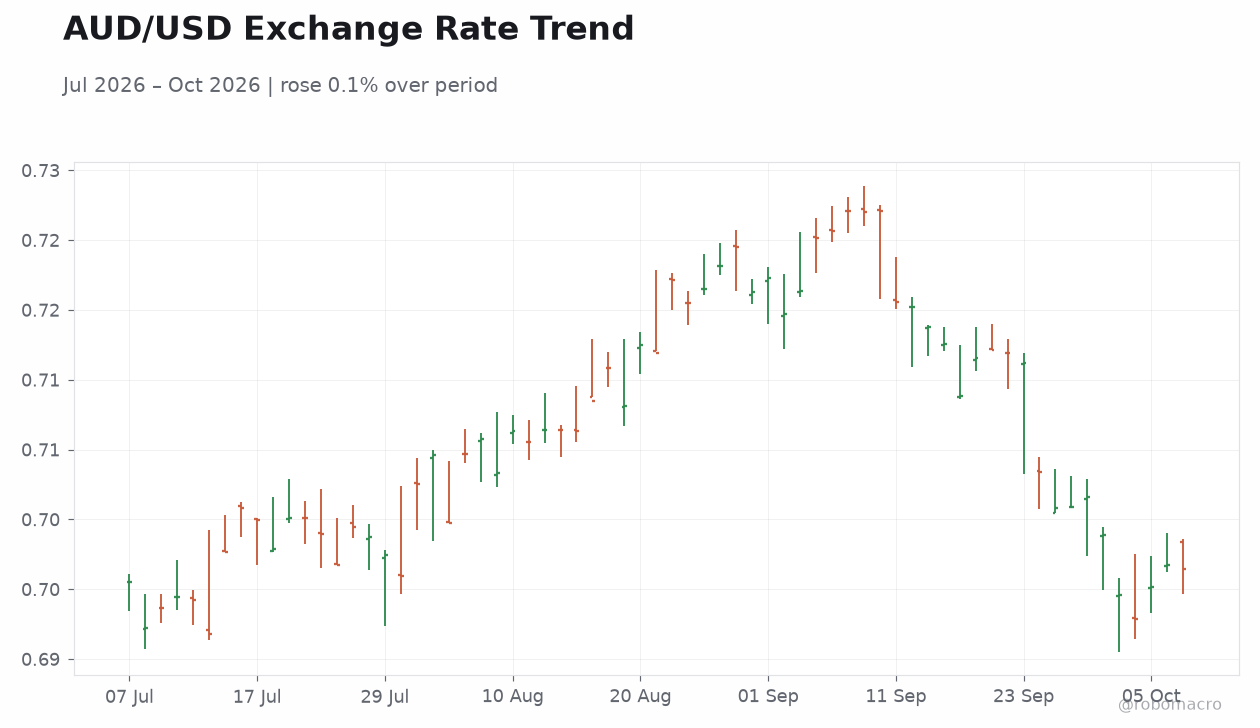
AUD/USD0.70-0.02%
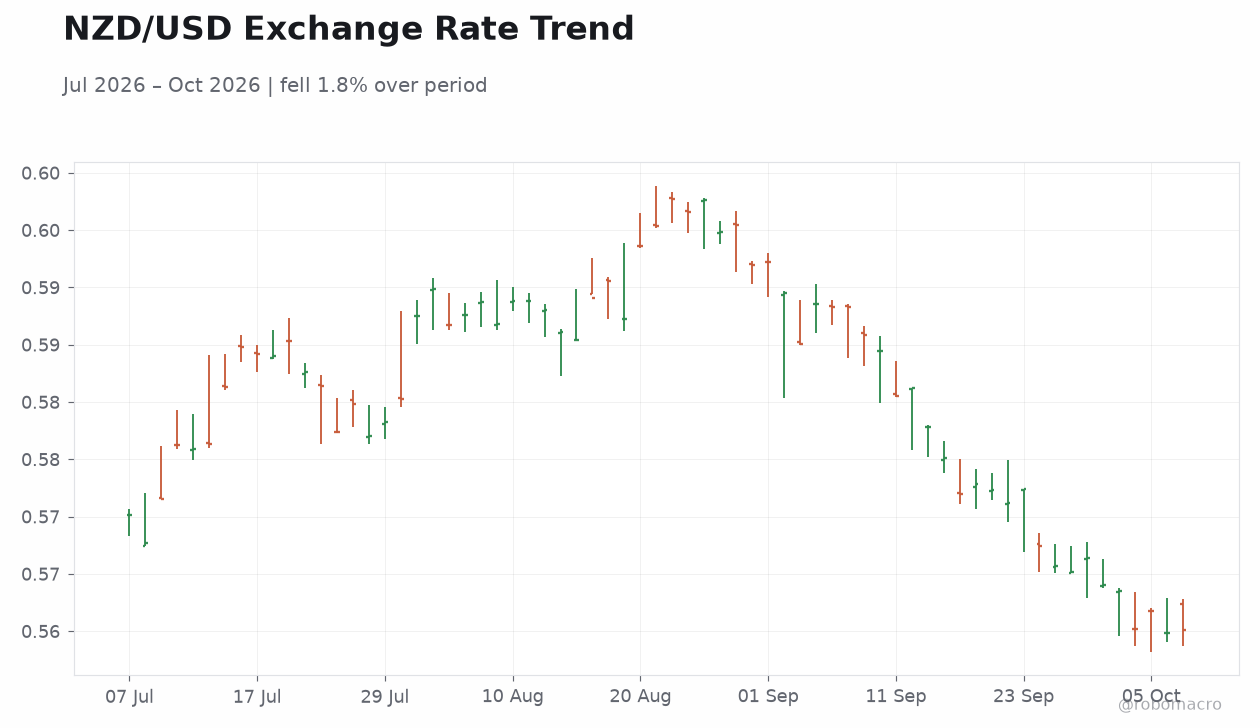
NZD/USD0.56+0.06%
Market Snapshot
| Asset | Level | Change |
|---|
| ASX 200 | 8,727.70 | -0.09% |
| NZX 50 | 13,684.04 | -0.12% |
| AUD/USD | 0.70 | -0.02% |
| NZD/USD | 0.56 | +0.06% |
| AUD/NZD | 1.24 | -0.11% |
| BHP | 62.45 | -0.65% |
| Gold | 4,128.90 | -1.39% |
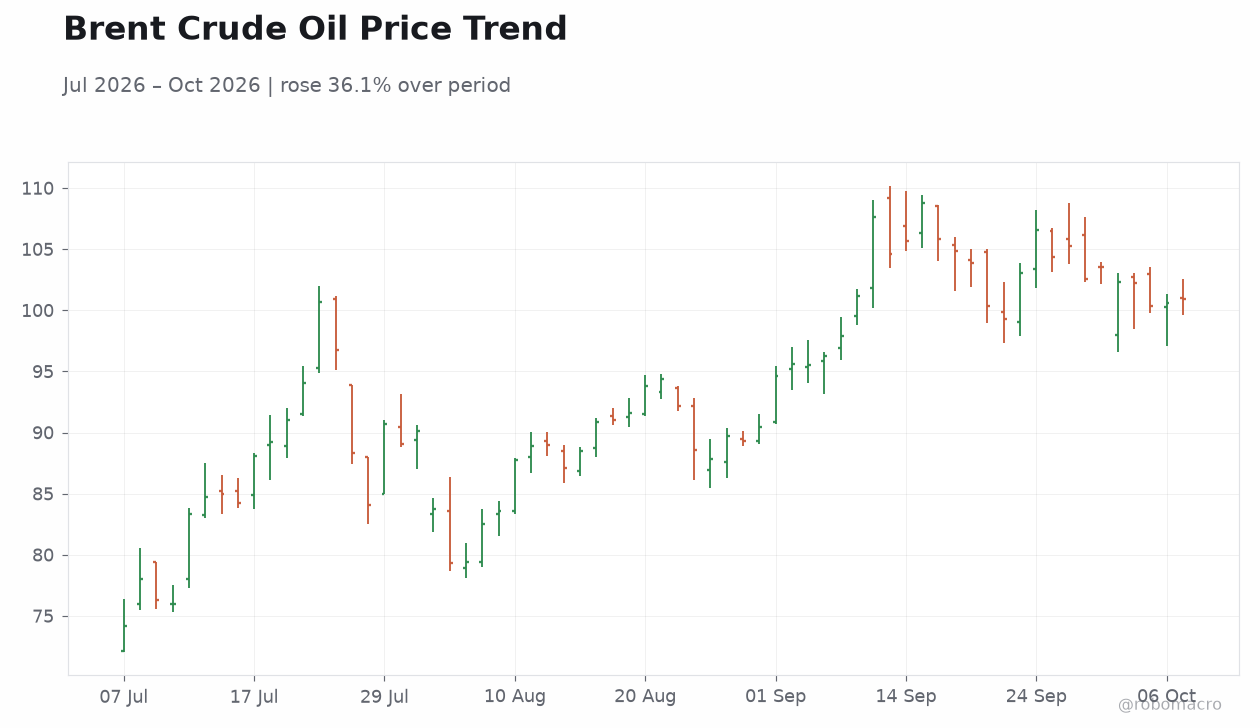
| Brent Crude | 100.98 | +0.40% |
| Bitcoin | 83,404.06 | -2.52% |
| Australia 2Y Govt Yield | - | - |
| Australia 10Y Govt Yield | - | - |
Prior Economic Events
| Data |
Prior |
Cons |
Actual |
| Westpac Consumer Confidence Change | -5.20 | - | -4.70 |
| Westpac Consumer Confidence Index | 84.40 | - | 80.40 |
| Ai Group Industry Index | -1.60 | - | -24.20 |
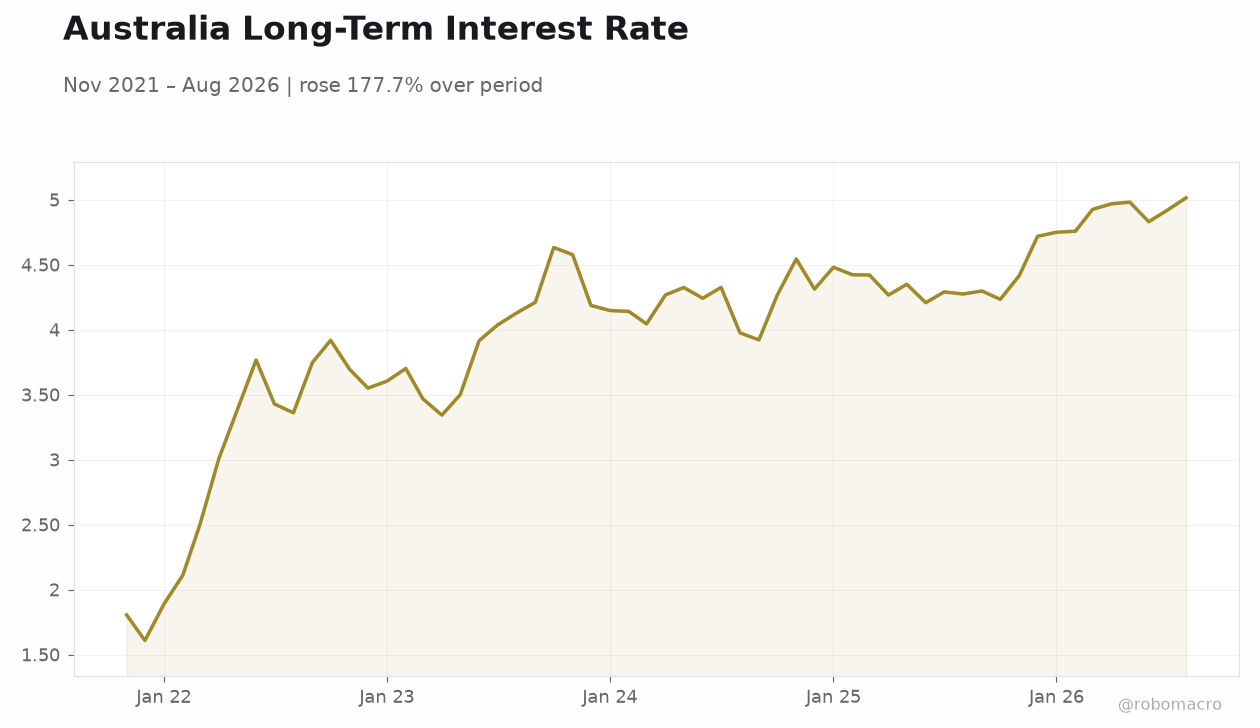 Australia Long-Term Interest Rate | Type: macro_line | 10Y Yield %: 5.015 (2026-08-01) | Range: 1.609–5.015 | Trend(6pt): 1.806,3.604,4.045,4.35,4.919,5.015
Today's Economic Events
| Data |
Prior |
Cons |
Time |
| No events available |
- Australian Westpac consumer confidence fell 4.7% to 80.4, deepening pessimism as markets weigh a further RBA hike.
- The Ai Group industry index slumped to -24.2, signalling broad-based weakness across the industrial economy.
- AUD held near 0.70 while NZD edged higher; ASX 200 and NZX 50 slipped modestly as risk appetite cooled.
Yesterday's Recap
Australian data dominated the ANZ tape. Westpac consumer confidence fell 4.7% in October, with the index dropping to 80.4 from 84.4 — a level that leaves sentiment deeply depressed and consistent with households absorbing the cumulative weight of higher borrowing costs. The decline leaves confidence well below its long-run average, a worrying signal for discretionary consumption heading into the holiday quarter.
The Ai Group industry index collapsed to -24.2 from -1.6, a dramatic deterioration that points to contraction across manufacturing, construction and services activity. The breadth of the slump suggests the industrial side of the Australian economy is losing momentum faster than the household sector, with the mining and energy complex also facing softer terms-of-trade questions. In markets, the ASX 200 closed marginally lower at 8,727.70, down 0.09%, with BHP down 0.65% at 62.45 reflecting caution toward the mining complex.
The NZX 50 slipped 0.12% to 13,684.04. On currency, AUD/USD was essentially flat at 0.70, while NZD/USD firmed 0.06% to 0.56, leaving AUD/NZD 0.11% weaker at 1.24. Gold fell 1.39% to 4,128.90 and Brent crude added 0.40% to 100.98, a supportive backdrop for Australia's resource exporters.
Bitcoin dropped 2.52% to 83,404 as speculative appetite cooled.
The Day Ahead
The Australian calendar is quiet today, offering markets a window to consolidate after yesterday's confidence shock. Attention shifts to the remainder of the week, where Australian activity and labour-market indicators will shape expectations for the RBA's next move. With consumer sentiment deteriorating and the industrial sector contracting, any further weakness in upcoming data would sharpen the debate over whether the RBA has more tightening to deliver or whether the economy is already slowing sufficiently.
New Zealand has no scheduled releases, leaving the NZD to trade on global risk dynamics and dairy auction expectations. Regional equity markets will take their cue from offshore moves, particularly US rate expectations and Chinese stimulus signals. Australian bond yields will be watched for confirmation of the repricing in the rate path implied by hawkish RBA commentary.
Page 1
Never miss an issue
Subscribe to ANZ Macro Daily and get each new issue delivered to your inbox.
Already a member? Visit robomacro.com
to log in and manage subscriptions, or use Forgot Password to set a password.