ANZ Macro Daily(Beta Mode)
RBA Hike Looms as Housing Slump Deepens
Market Snapshot
| Asset | Level | Change |
|---|---|---|
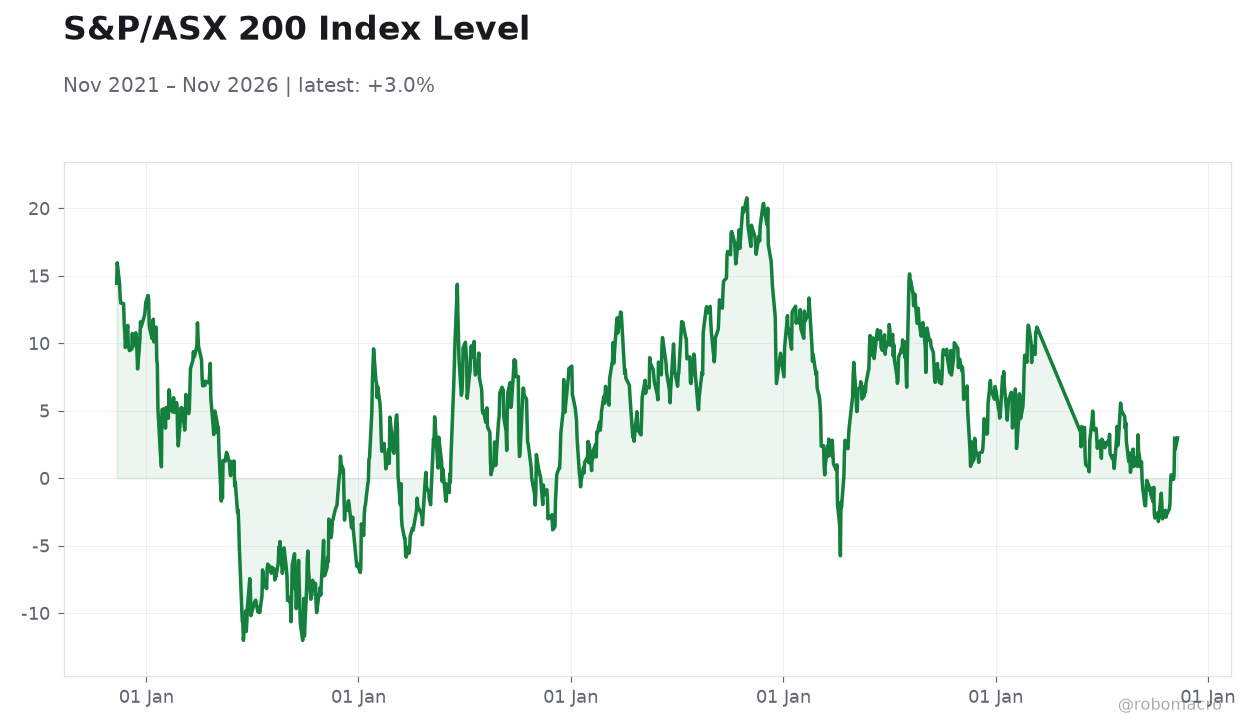
| ASX 200 | 9,129.00 | +1.10% |
| NZX 50 | 14,167.41 | +1.30% |
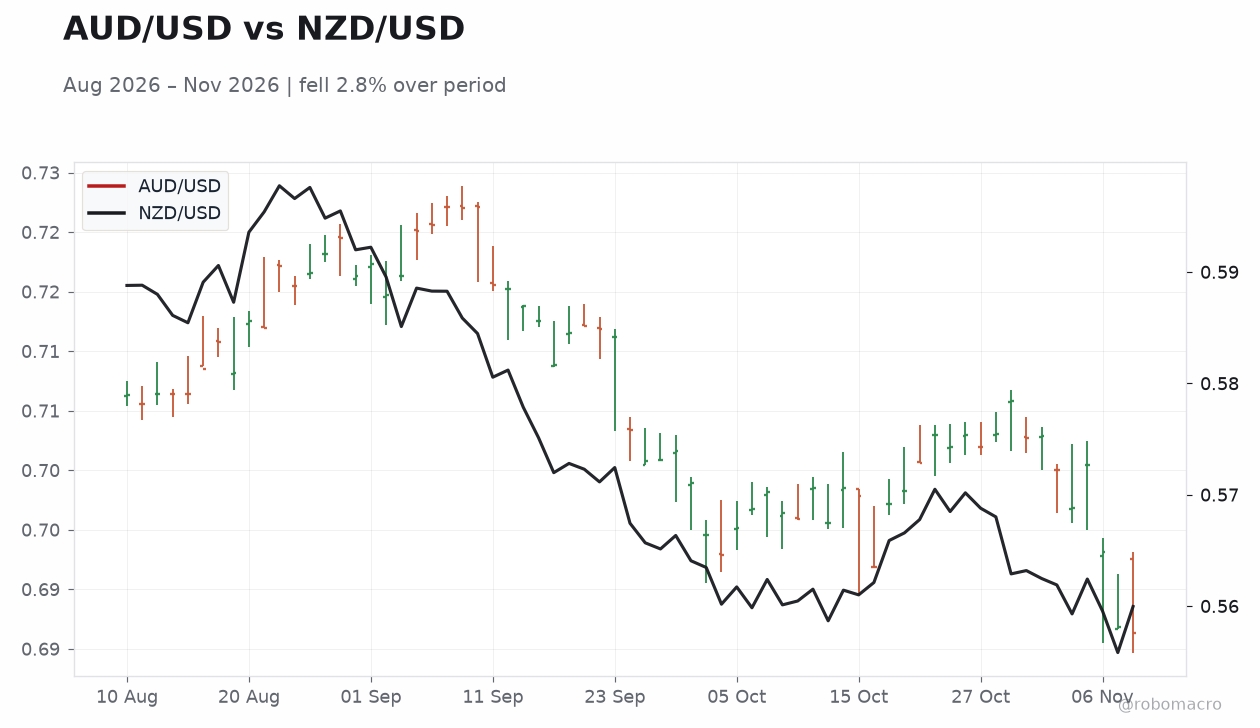
| AUD/USD | 0.69 | -0.08% |
| NZD/USD | 0.56 | +0.73% |
| AUD/NZD | 1.23 | -0.82% |
| BHP | 59.87 | +1.13% |
| Gold | 4,037.10 | -1.88% |
| Brent Crude | 91.51 | -1.15% |
| Bitcoin | 73,311.11 | -2.54% |
| Australia 2Y Govt Yield | 4.83% | 0 bp |
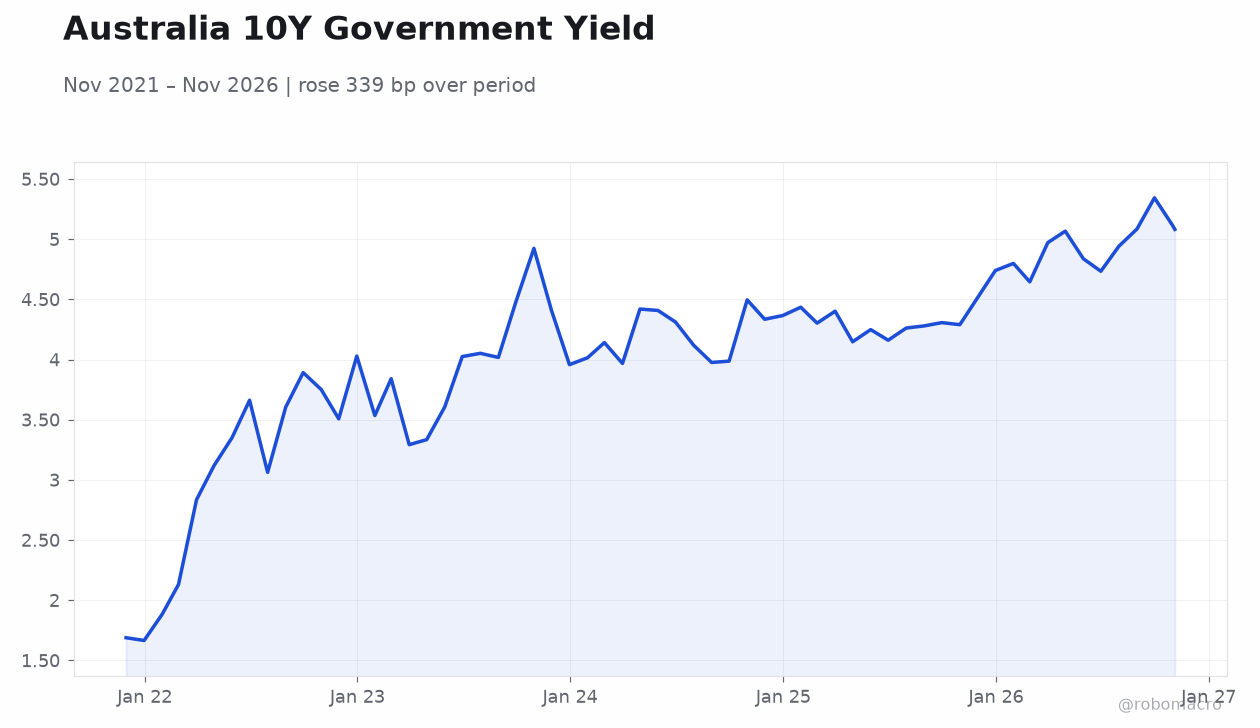
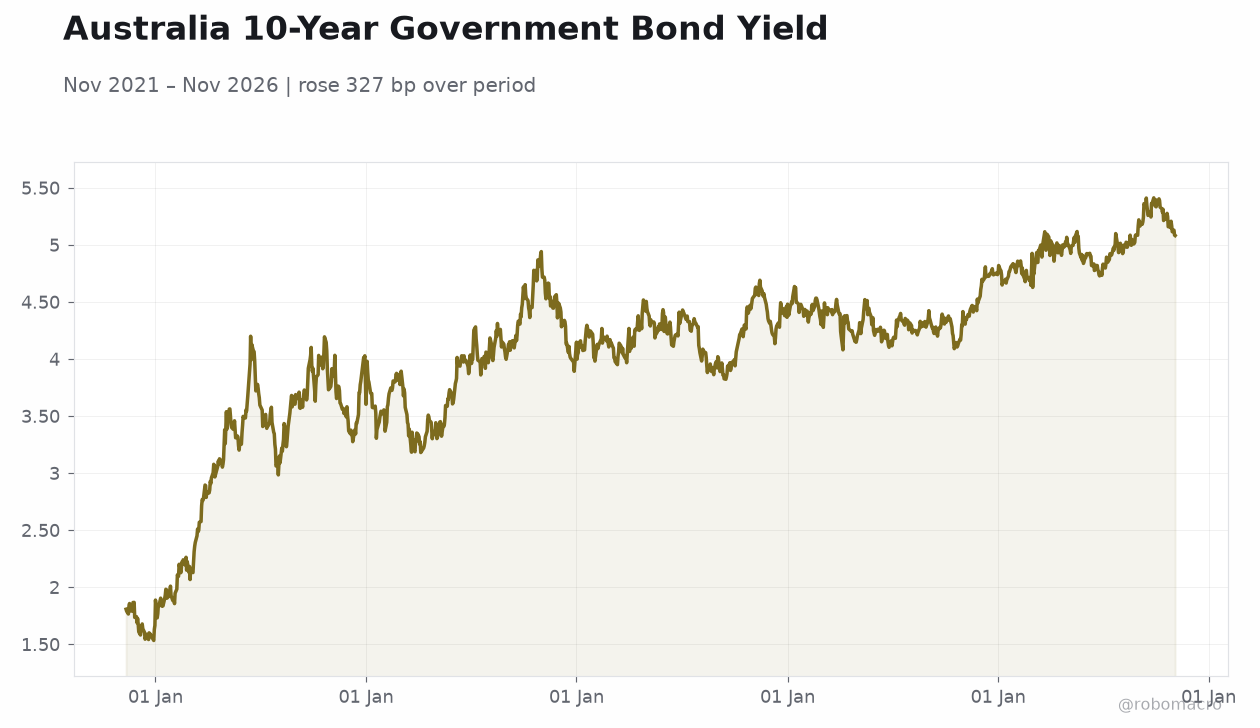
| Australia 10Y Govt Yield | 5.08% | -1 bp |
Prior Economic Events
| Data | Prior | Cons | Actual |
|---|---|---|---|
| Westpac Consumer Confidence Change | -4.70 | - | 2.70 |
| Westpac Consumer Confidence Index | 80.40 | - | 82.60 |
| NAB Business Confidence Index | -14 | - | -15 |
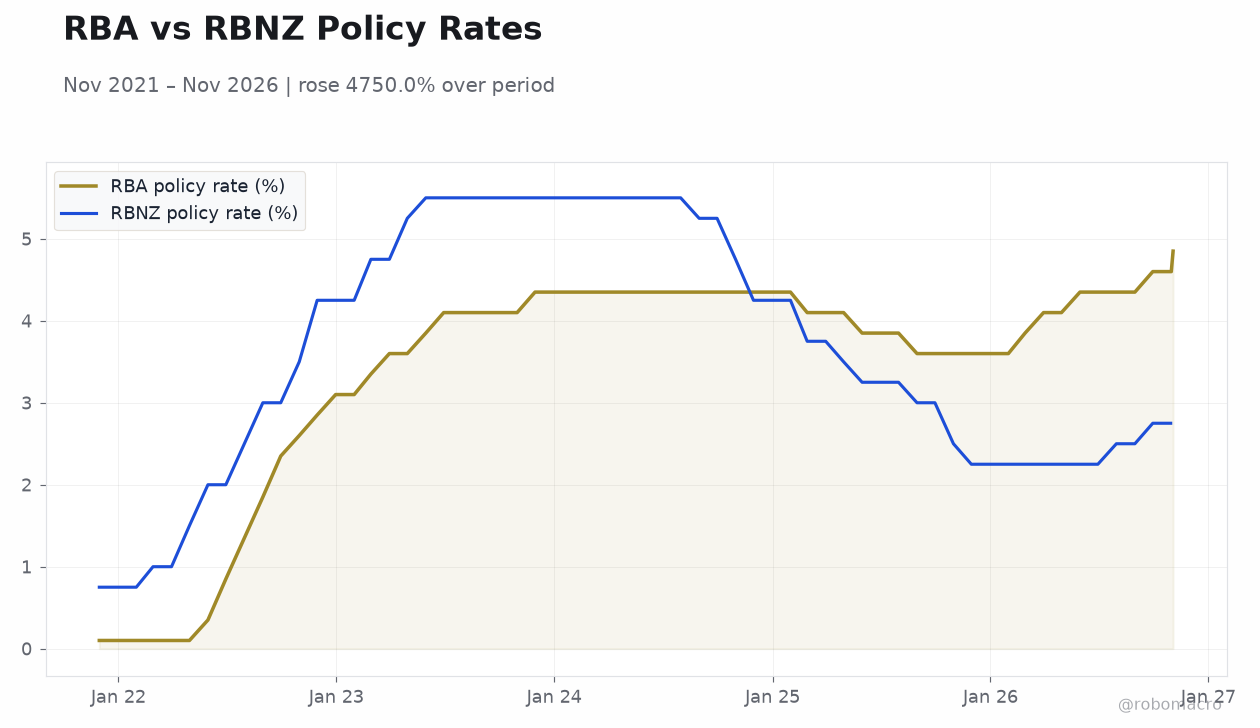 RBA vs RBNZ Policy Rates | Type: macro_line | RBA policy rate (%): 4.85 (2026-11-03) | Range: 0.1–4.85 | Trend(5pt): 0.1,3.35,4.35,3.6,4.85 | RBNZ policy rate (%): 2.75 (2026-10-30) | Range: 0.75–5.5 | Trend(5pt): 0.75,4.75,5.5,3,2.75
Today's Economic Events
| Data | Prior | Cons | Time |
|---|---|---|---|
| RBNZ Financial Stability Report | - | - | 15:00 |
| RBNZ Press Conference | - | - | 19:00 |
| Home Loans Quarter-over-Quarter | -1.90 | - | 19:30 |
| Investment Lending for Homes | -10.20 | - | 19:30 |
- Australia Westpac Consumer Confidence rose 2.7% m/m in November to 82.6, though NAB Business Confidence slipped to -15, underscoring fragile sentiment as the RBA's November hike to 4.85% feeds through.
- RBNZ releases its Financial Stability Report and holds a press conference today, with Conway flagging worrying inflation expectations; NZD/USD gained 0.73% while AUD/NZD fell 0.82%.
- ASX 200 and NZX 50 both rallied over 1%, led by mining and energy, even as gold fell 1.88% and Brent crude eased 1.15%; Australian 10Y yields held near 5.08%.
Yesterday's Recap
Australian data dominated Monday's ANZ calendar. Westpac Consumer Confidence rose 2.7% m/m in November, lifting the index to 82.6 from 80.4 previously — a modest rebound but still deep in pessimistic territory as rate hikes bite. Separately, the NAB Business Confidence Index deteriorated to -15 from -14, confirming that firms remain downbeat amid elevated borrowing costs and soft demand.
Markets shrugged off the weak sentiment: the ASX 200 climbed 1.10% to 9,129.00, with BHP up 1.13% to 59.87 as mining and energy names led a broad recovery from an early slump. The NZX 50 rose 1.30% to 14,167.41. In FX, AUD/USD slipped 0.08% to 0.69 while NZD/USD advanced 0.73% to 0.56, pushing AUD/NZD down 0.82% to 1.23.
Australian rates were steady, with the 2Y yield unchanged at 4.83% and the 10Y easing 1 bp to 5.08%.
The Day Ahead
New Zealand takes the spotlight today with the RBNZ Financial Stability Report at 15:00 ET, followed by a high-impact RBNZ Press Conference at 19:00 ET — both will be scrutinised for signals on housing leverage, bank resilience and the inflation outlook. Australia then releases Q3 housing finance data at 19:30 ET, with Home Loans previously -1.9% q/q and Investment Lending for Homes previously -10.2%, likely to reinforce the deepening housing slump narrative. Tomorrow, RBA Baker delivers a high-impact speech at 18:30 ET, a venue to gauge the RBA's reaction function after the November hike.
With no Australian top-tier data today beyond housing finance, NZ event risk dominates the session.
Other Economic Notes
Australia's housing downturn is intensifying just as the RBA prepares for its December meeting, with the WSJ noting the slump deepening as another rate rise is priced. Consumer confidence at 82.6 remains well below the neutral 100 level, and business confidence at -15 signals firms are retrenching on hiring and investment. The RBA has publicly flagged that an AI-driven investment boom could keep inflation elevated before it lowers costs, a structural theme worth monitoring.
↓ p.2