ANZ Macro Daily(Beta Mode)
AUD Slides as Fed-RBA Gap Widens
Market Snapshot
| Asset | Level | Change |
|---|---|---|
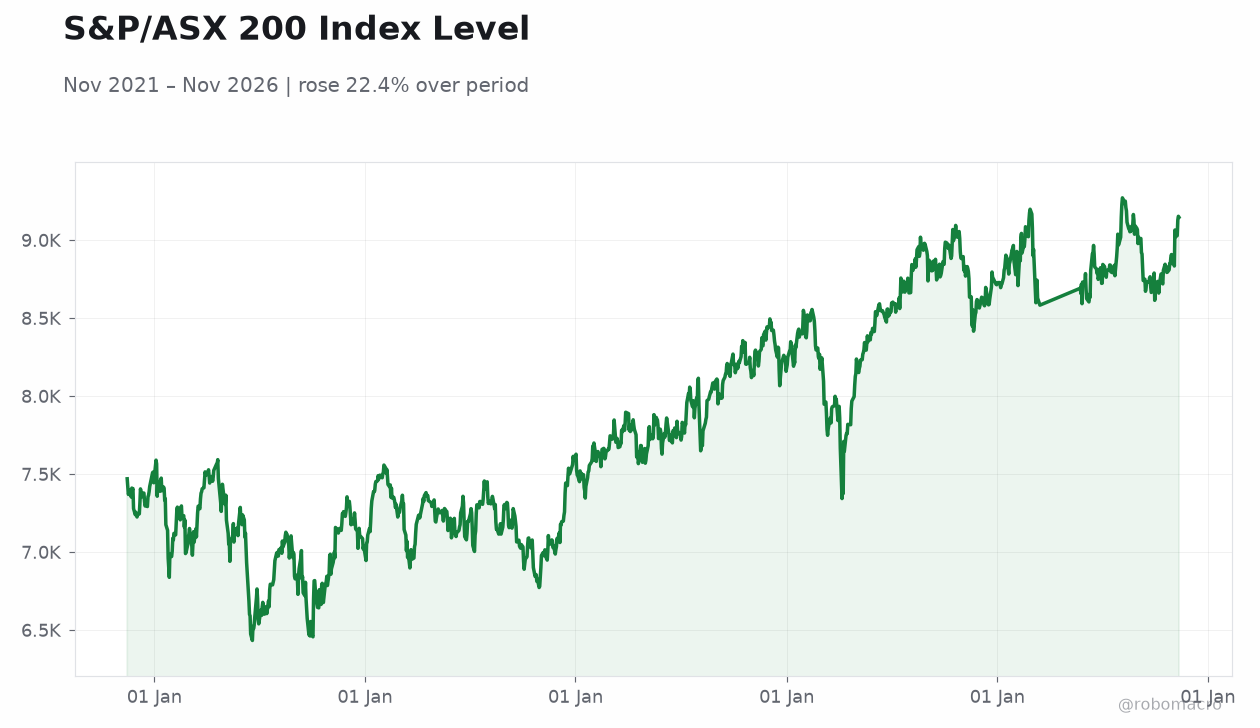
| ASX 200 | 9,146.80 | -0.07% |
| NZX 50 | 14,259.23 | -0.03% |
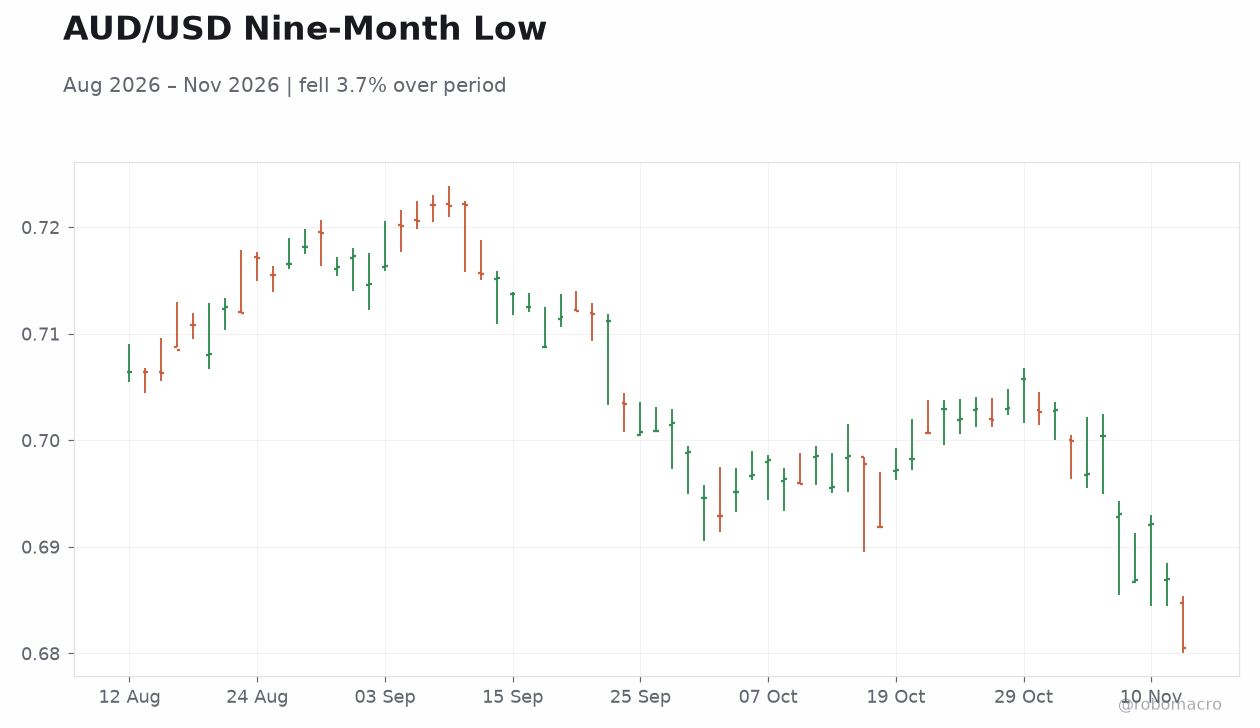
| AUD/USD | 0.68 | -0.94% |
| NZD/USD | 0.55 | -1.13% |
| AUD/NZD | 1.23 | +0.17% |
| BHP | 59.61 | -1.29% |
| Gold | 3,885.60 | -2.87% |
| Brent Crude | 95.18 | +2.61% |
| Bitcoin | 71,602.91 | -3.19% |
| Australia 2Y Govt Yield | 4.83% | 0 bp |
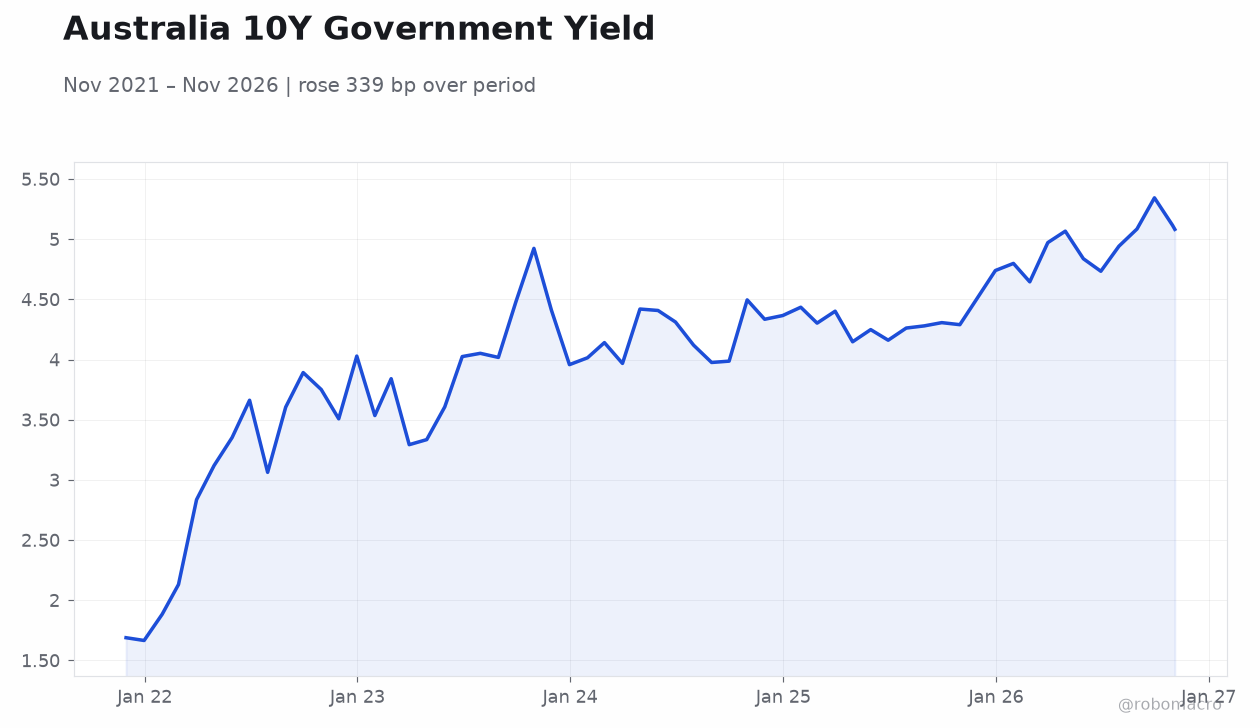
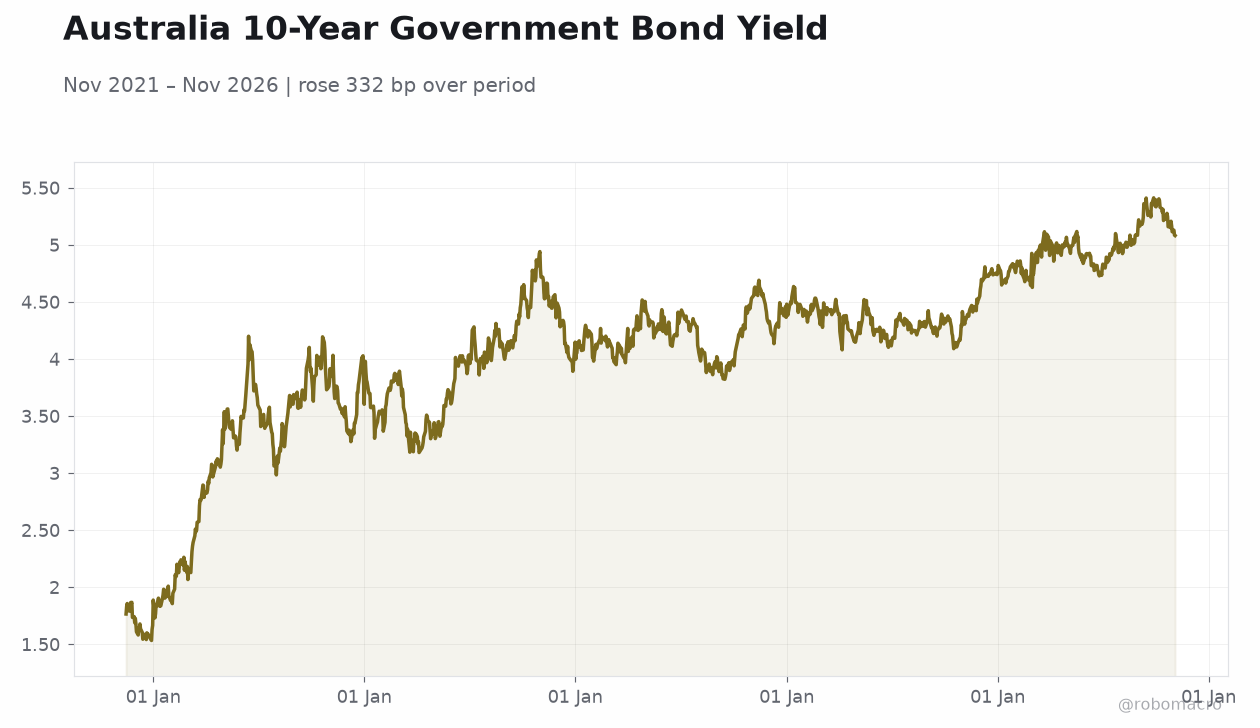
| Australia 10Y Govt Yield | 5.08% | -1 bp |
Prior Economic Events
| Data | Prior | Cons | Actual |
|---|---|---|---|
| Westpac Consumer Confidence Change | -4.70 | - | -2.70 |
| Westpac Consumer Confidence Index | 80.40 | - | 78.20 |
| NAB Business Confidence Index | -14 | - | -15 |
| RBNZ Financial Stability Report | - | - | - |
| RBNZ Press Conference | - | - | - |
| Home Loans Quarter-over-Quarter | -2 | - | -5.30 |
| Investment Lending for Homes | -11.20 | - | -32.30 |
| RBA Baker Speech | - | - | - |
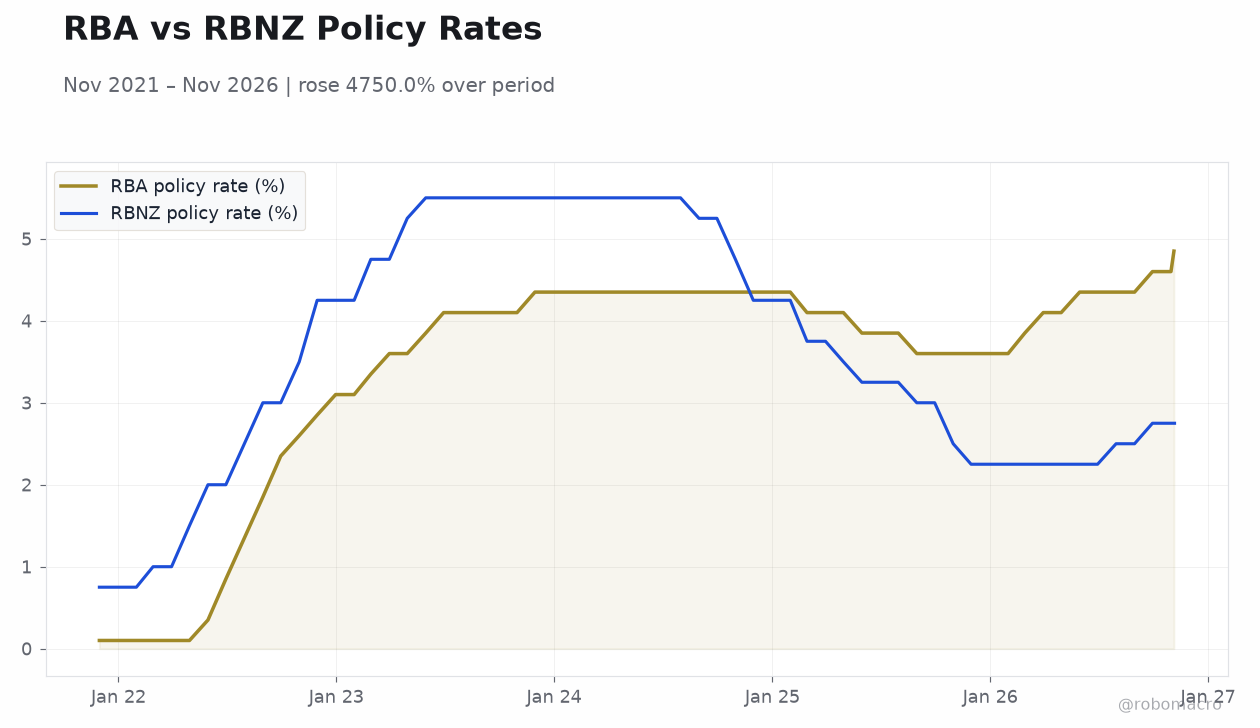 RBA vs RBNZ Policy Rates | Type: macro_line | RBA policy rate (%): 4.85 (2026-11-05) | Range: 0.1–4.85 | Trend(5pt): 0.1,3.35,4.35,3.6,4.85 | RBNZ policy rate (%): 2.75 (2026-11-06) | Range: 0.75–5.5 | Trend(5pt): 0.75,4.75,5.5,3,2.75
Today's Economic Events
| Data | Prior | Cons | Time |
|---|---|---|---|
| Business NZ PMI | 56.50 | - | 16:30 |
- AUD/USD fell 0.94% to 0.68 and NZD/USD dropped 1.13% to 0.55 as hawkish Fed repricing lifted the greenback; AUD/NZD edged up 0.17% to 1.23.
- Australian consumer confidence slumped to 78.2 (change -2.7%) and NAB business confidence fell to -15, while Q3 home loans plunged 5.3% and investment lending collapsed 32.3%.
- The RBNZ released its Financial Stability Report and held a press conference; NZ's Business NZ PMI (prior 56.5) is today's sole scheduled ANZ release.
Yesterday's Recap
Australian data painted a soft picture. Westpac Consumer Confidence fell to 78.2, a change of -2.7%, extending the post-RBA-hike deterioration in household sentiment; NAB Business Confidence slipped to -15 from -14. Housing finance was notably weak: Home Loans fell 5.3% quarter-over-quarter and Investment Lending for Homes plunged 32.3%, pointing to a sharp cooling in property demand after the RBA's November 3 hike to 4.85%.
In New Zealand, the RBNZ released its Financial Stability Report and held a press conference, with insurers reported resilient in central bank stress tests. Markets were mixed: the ASX 200 eased 0.07% to 9,146.80 and the NZX 50 slipped 0.03% to 14,259.23, while BHP fell 1.29% to 59.61. Rates were steady, with the Australia 2Y yield at 4.83% (unchanged) and the 10Y at 5.08% (-1 bp).
Commodities diverged sharply: Brent crude jumped 2.61% to 95.18 while gold tumbled 2.87% to 3,885.60 and bitcoin fell 3.19% to 71,602.91. RBA Baker's speech rounded out the domestic calendar.
The Day Ahead
The only scheduled ANZ release today is New Zealand's Business NZ PMI at 16:30 ET, with the prior reading at 56.5 — a print above 50 would signal continued expansion in NZ manufacturing. No Australian data is due, leaving markets to digest yesterday's weak confidence and housing finance numbers. Attention will stay on the AUD, which has slid to a nine-month low, and on whether the currency weakness begins to feed through to imported inflation.
With the RBA next meeting on December 8 and the RBNZ on December 9, officials are in a quiet pre-meeting window. Offshore, US rate expectations remain the dominant driver for both antipodean currencies.
Other Economic Notes
The collapse in Australian investment lending (-32.3%) is a meaningful signal that the RBA's November hike is biting into housing, a sector the RBA watches closely for transmission. Consumer confidence at 78.2 sits well below the neutral 100 level, suggesting households are retrenching ahead of the holiday period. ↓ p.2