ANZ Macro Daily(Beta Mode)
RBA Minutes Show Rate Split, NZ Trade Weakens
Market Snapshot
| Asset | Level | Change |
|---|---|---|
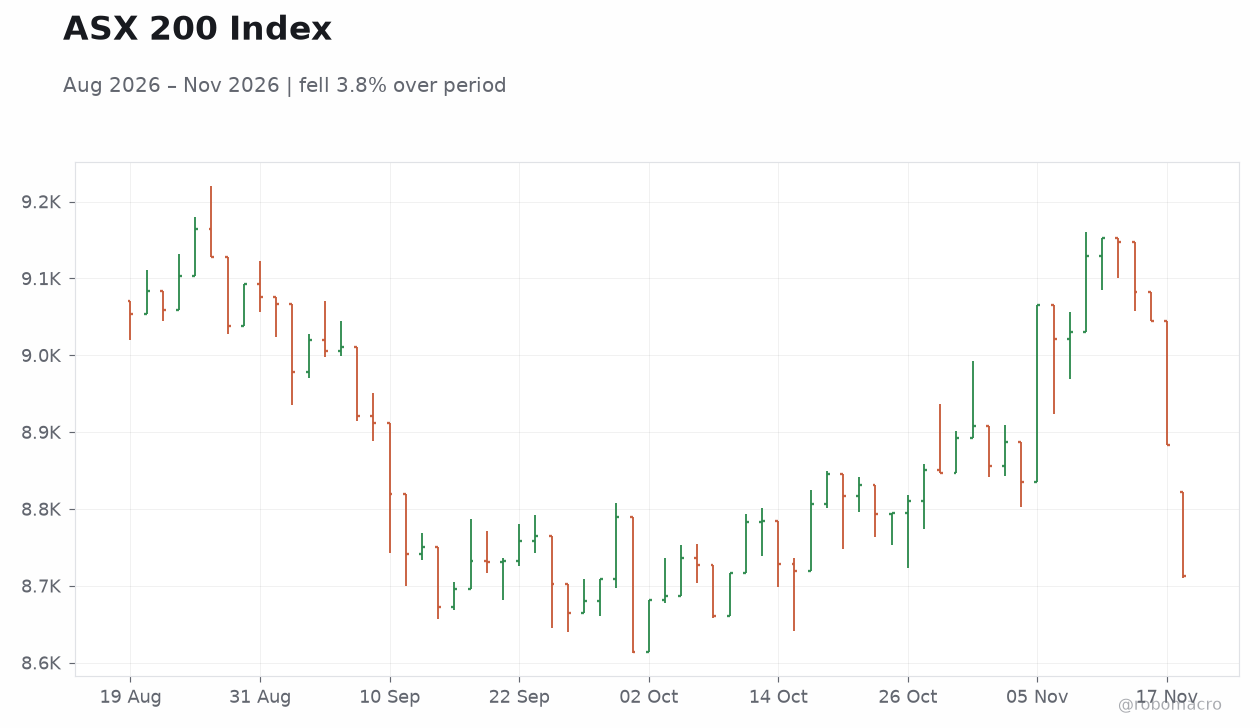
| ASX 200 | 8,716.60 | -1.88% |
| NZX 50 | 14,203.10 | -0.65% |
| AUD/USD | 0.67 | -0.29% |
| NZD/USD | 0.55 | -0.19% |
| AUD/NZD | 1.22 | -0.11% |
| BHP | 54.34 | -0.07% |
| Gold | 3,741.60 | -3.17% |
| Brent Crude | 88.81 | -4.65% |
| Bitcoin | 62,898.18 | -3.08% |
| Australia 2Y Govt Yield | - | - |
| Australia 10Y Govt Yield | - | - |
Prior Economic Events
| Data | Prior | Cons | Actual |
|---|---|---|---|
| RBNZ Financial Stability Report | - | - | - |
| RBNZ Press Conference | - | - | - |
| RBA Meeting Minutes | - | - | - |
| RBA Gov Bullock Speech | - | - | - |
| Trade Balance | -1,971m | -1,650m | -2,772,000m |
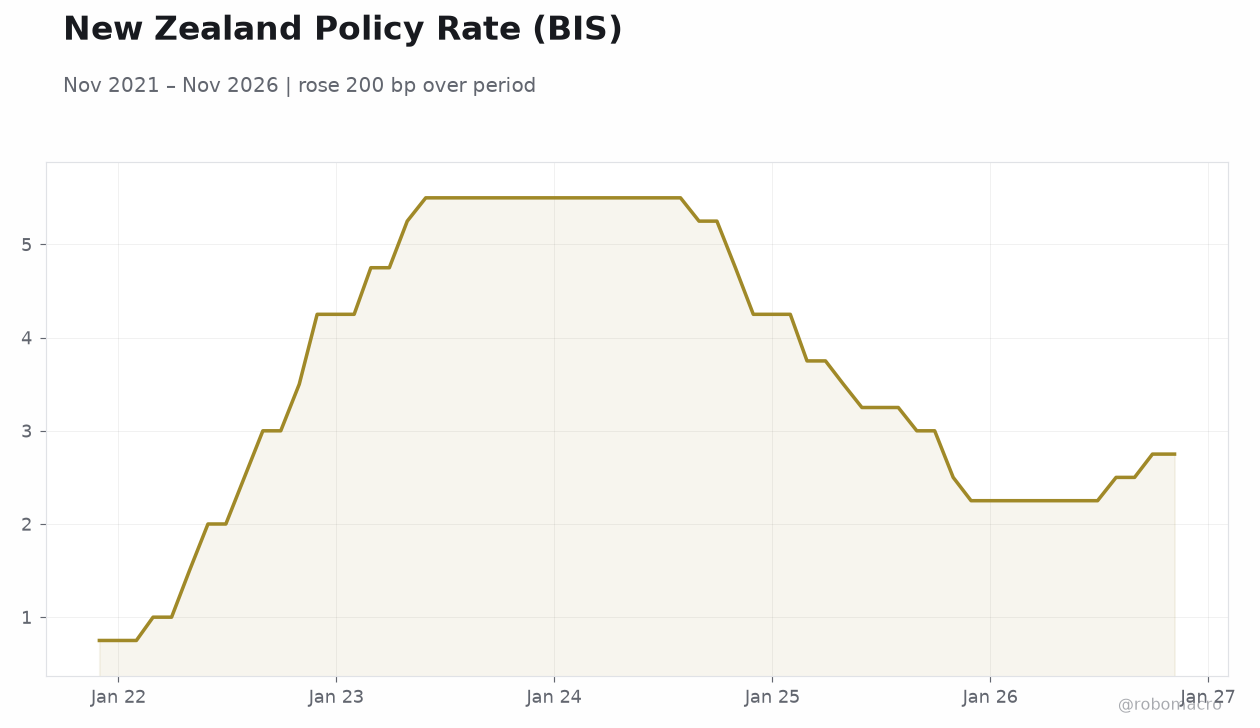 New Zealand Policy Rate (BIS) | Type: macro_line | Policy Rate %: 2.75 (2026-11-06) | Range: 0.75–5.5 | Trend(5pt): 0.75,4.75,5.5,3,2.75
Today's Economic Events
| Data | Prior | Cons | Time |
|---|---|---|---|
| Employment Change | -39,300 | 25,200 | 19:30 |
| Full-Time Employment Change | 34,400 | - | 19:30 |
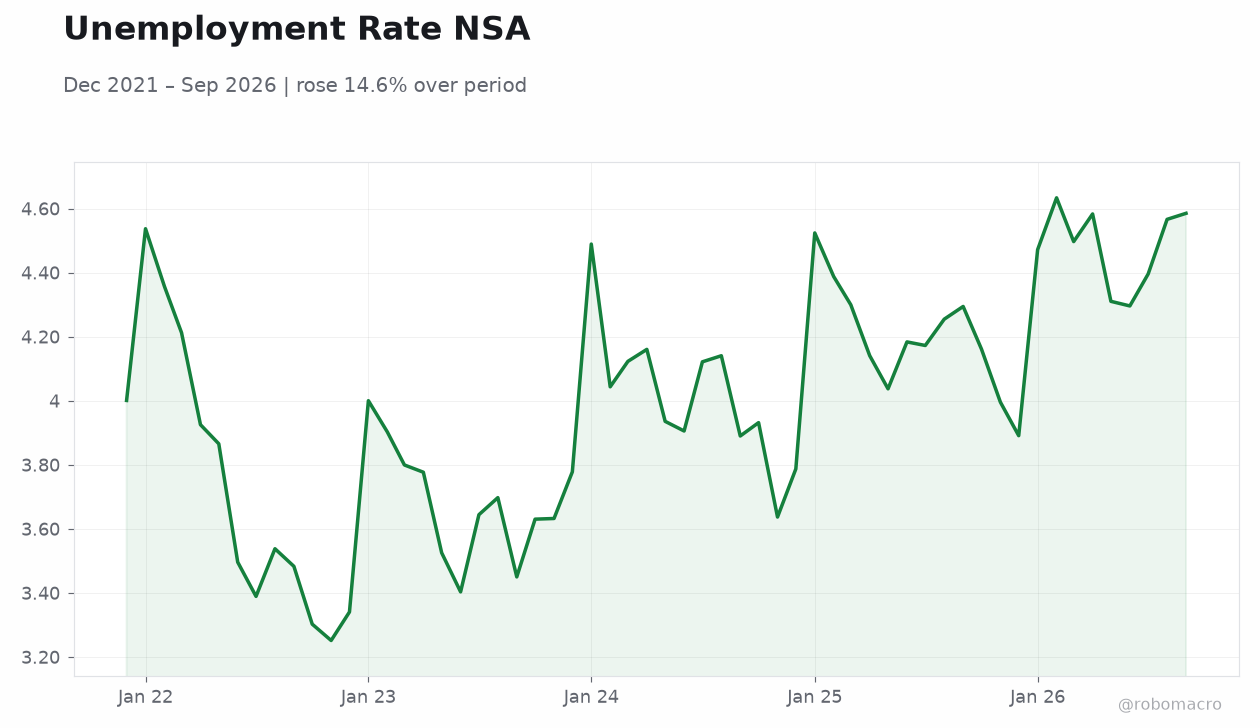
| Headline Unemployment Rate | 4.70 | 4.70 | 19:30 |
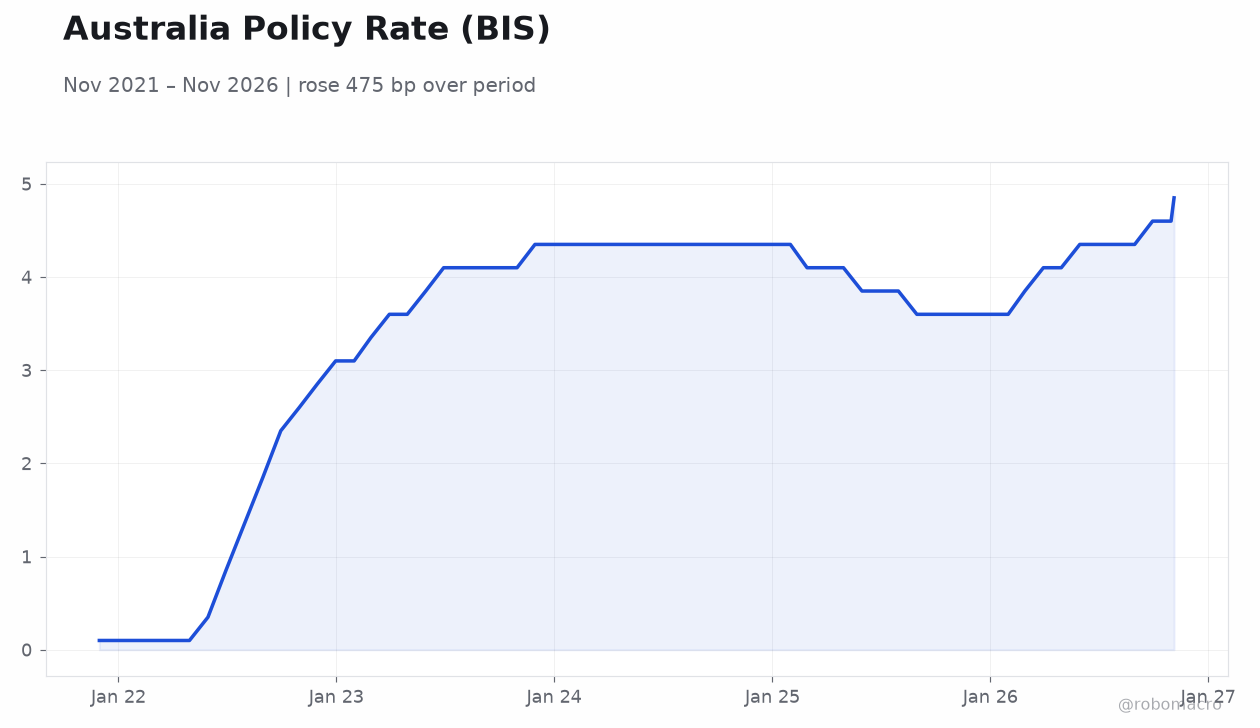
- RBA minutes and Governor Bullock speech highlight board divisions on further tightening amid persistent inflation risks.
- New Zealand trade balance printed sharply weaker at -2.772 trillion NZD while RBNZ released its Financial Stability Report.
- Australian equities fell 1.88% and AUD/USD slipped 0.29% as commodity prices retreated sharply.
Yesterday's Recap
The RBNZ published its Financial Stability Report and held a subsequent press conference, underscoring banking-sector resilience while flagging rising global risks and private-credit exposure. New Zealand’s two-year inflation expectations rose to 2.36% in the latest survey, keeping the NZD under pressure toward multi-year lows. In Australia the RBA released November meeting minutes that revealed a split among board members on whether to lift the cash rate further.
RBA Governor Bullock separately warned that inflation risks remain elevated. The New Zealand trade balance printed at -2.772 trillion NZD, materially worse than consensus. Equity markets reacted negatively, with the ASX 200 declining 1.88% and the NZX 50 falling 0.65%.
Commodity prices also weakened, with Brent crude dropping 4.65% and gold declining 3.17%. Australian wages growth beat forecasts, yet real wages continued to decline as inflation outpaced nominal gains. The Westpac leading index slipped below trend, signalling that earlier rate increases are weighing on domestic demand.
The Day Ahead
Australian labour-market data will dominate today’s calendar, with employment change, full-time employment change and the headline unemployment rate all scheduled for release at 19:30 ET. Markets expect employment to rebound by 25,200 after last month’s 39,300 decline, while the unemployment rate is forecast to hold at 4.7%. Any material beat or miss will influence expectations for the RBA’s December policy decision.
No major New Zealand data releases are due. Attention will also remain on commodity-price movements given Australia’s heavy exposure to iron ore, coal and LNG exports to China. Capital-market regulators in Australia are tightening oversight of complex products while global competition for funding intensifies.
Other Economic Notes
Both economies remain sensitive to China’s growth trajectory, which continues to shape commodity demand and tourism flows. The RBA board split on the November decision to keep the cash rate at 4.85% after the 25 bp hike implemented on 3 November, with some members favouring further tightening given inflation at 3.9% YoY. ↓ p.2