ASEAN Macro Daily(Beta Mode)
Indonesian Assets Slip on Finance Minister Change
Market Snapshot
| Asset | Level | Change |
|---|---|---|
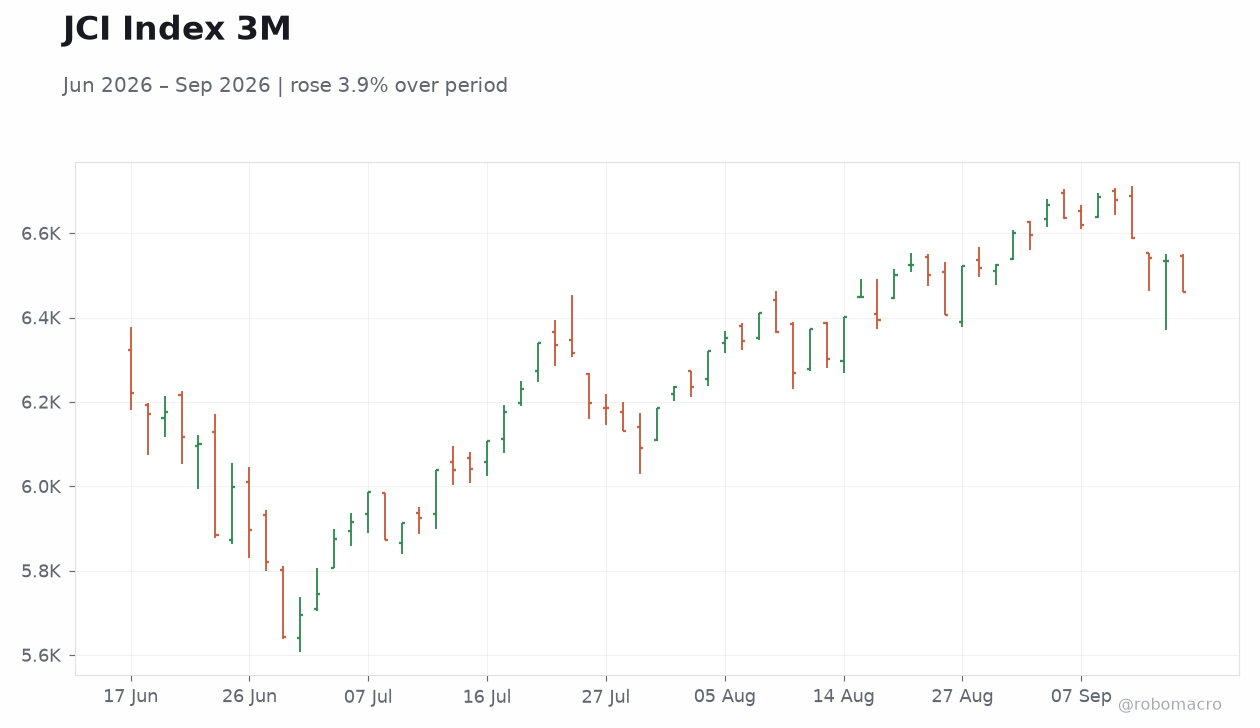
| JCI | 6,461.15 | -1.13% |
| KLCI | 1,679.21 | -1.11% |
| STI | 5,638.64 | -1.39% |
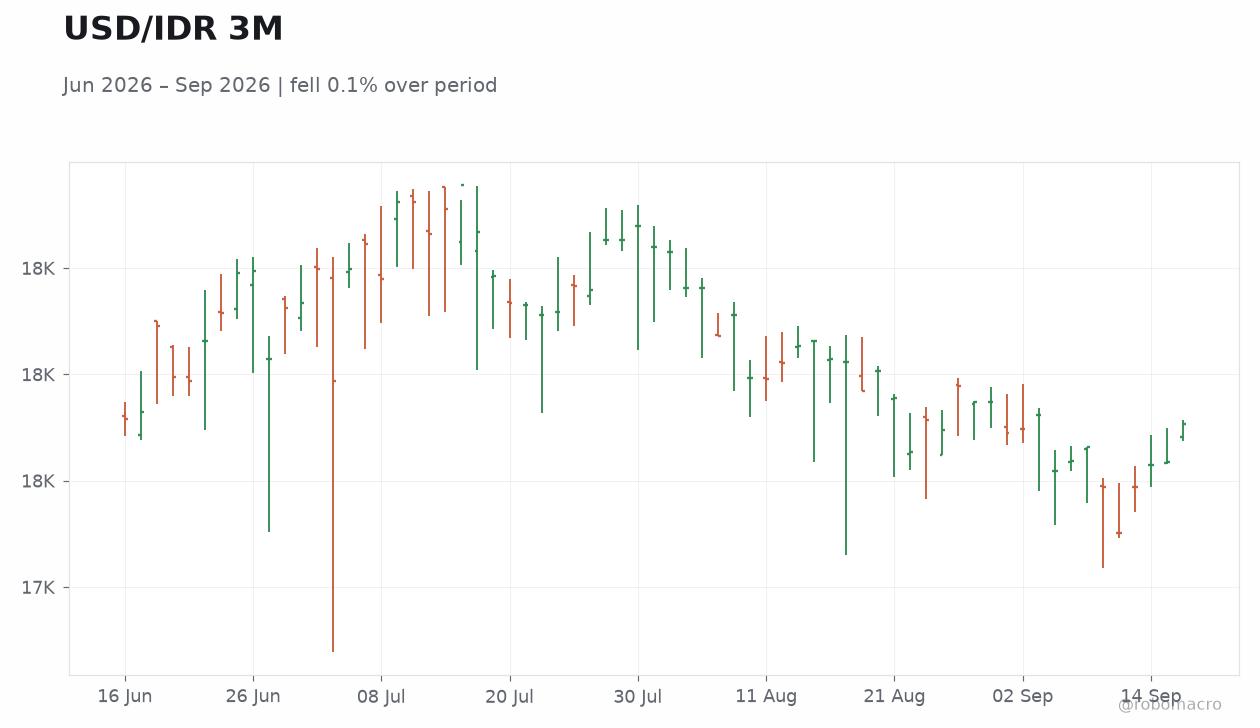
| USD/IDR | 17,707.00 | +0.40% |
| USD/THB | 33.34 | +0.36% |
| USD/MYR | 4.08 | +1.00% |
| USD/PHP | 62.72 | -0.03% |
| USD/SGD | 1.28 | +0.60% |
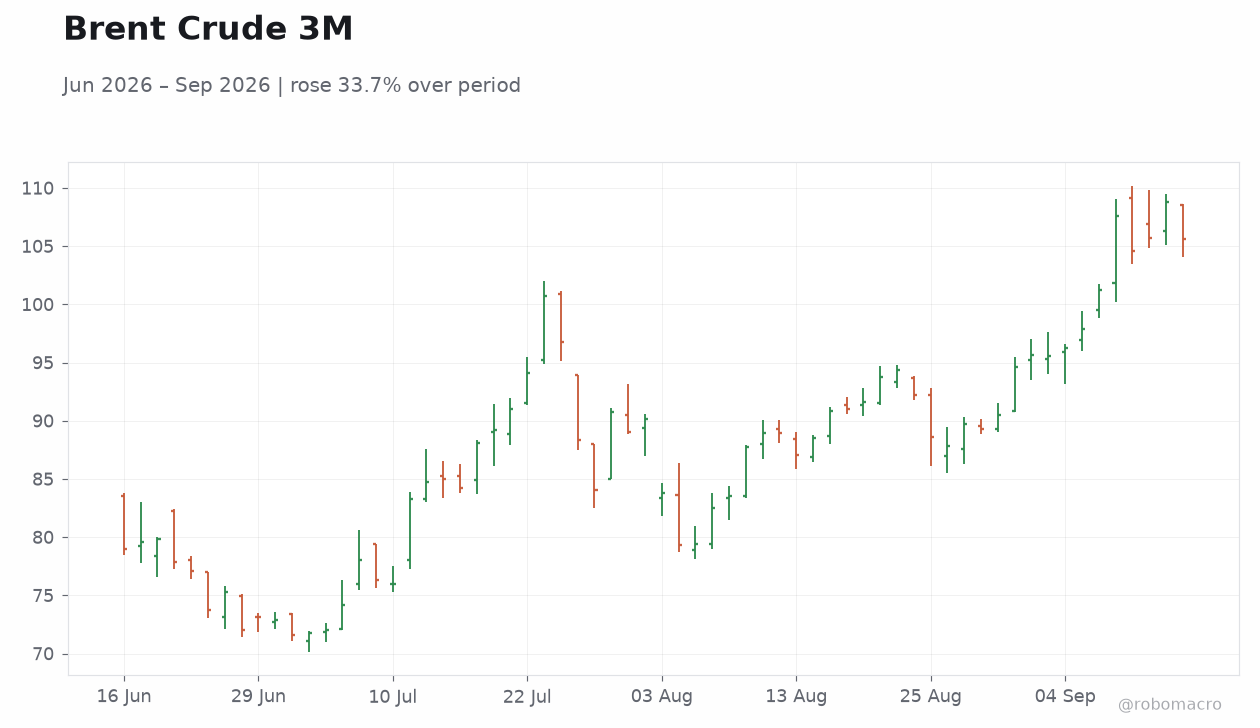
| Brent Crude | 105.60 | -2.90% |
| Gold | 4,302.50 | -0.70% |
| Bitcoin | 75,670.40 | +0.08% |
| Indonesia 10Y Govt Yield | - | - |
| Thailand 10Y Govt Yield | - | - |
Prior Economic Events
| Data | Prior | Cons | Actual |
|---|---|---|---|
| No events available | |||
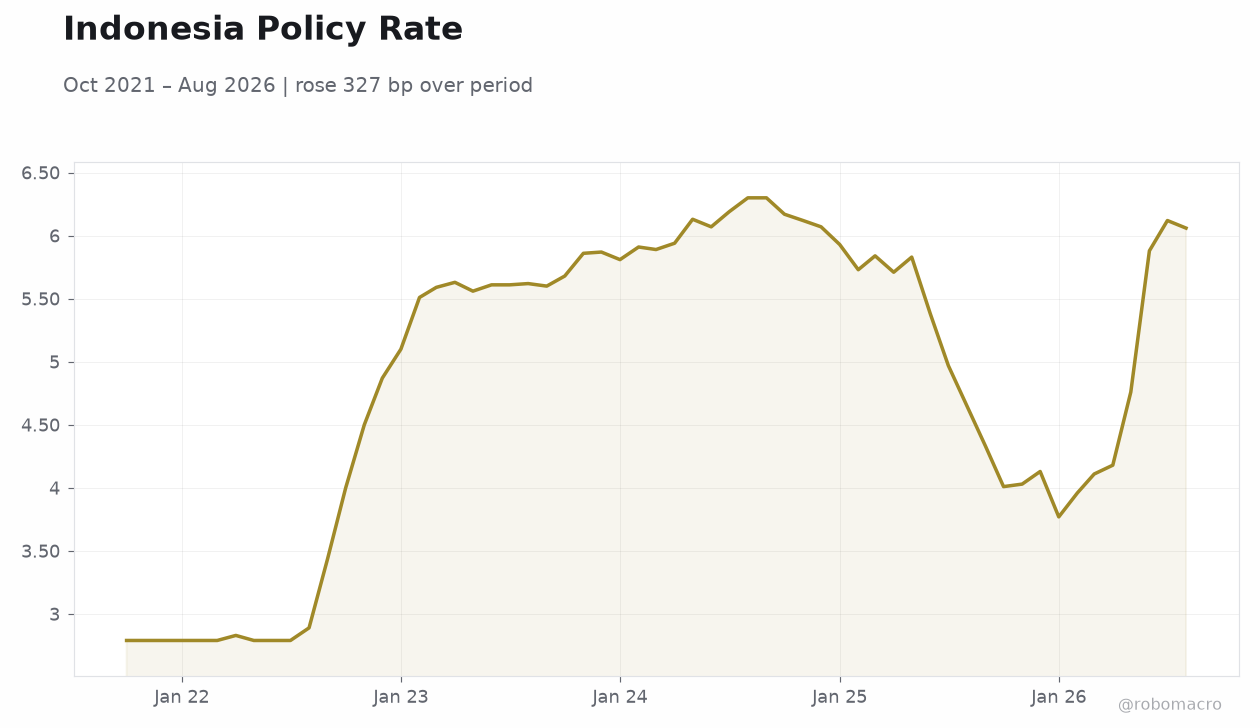 Indonesia Policy Rate | Type: macro_line | Rate %: 6.06 (2026-08-01) | Range: 2.79–6.3 | Trend(6pt): 2.79,4.87,5.91,5.71,5.88,6.06
Today's Economic Events
| Data | Prior | Cons | Time |
|---|---|---|---|
| Inflation Rate Month-over-Month | 0 | - | 20:00 |
| Inflation Rate Year-over-Year | 1.80 | 1.80 | 20:00 |
| Central Bank Interest Rate Decision | 5.75 | - | 03:30 |
- ASEAN equities fell across the board with JCI down 1.13% and STI off 1.39% as regional currencies weakened versus the USD.
- Indonesia’s new finance minister appointment drew positive investor reaction while external debt reached US$454.8 billion in July.
- Malaysia’s upcoming inflation print and Thailand’s upgraded 2.5% growth forecast set the near-term agenda for the region.
Yesterday's Recap
Equity markets across ASEAN closed lower on 15 September with no major data releases in any of the six economies. JCI fell 1.13% to 6,461.15 amid continued pressure on Indonesian assets after the finance minister change. KLCI declined 1.11% to 1,679.21 while STI dropped 1.39% to 5,638.64.
Currencies traded mostly weaker against the dollar, with USD/IDR rising 0.40% to 17,707, USD/MYR climbing 1.00% to 4.08 and USD/SGD gaining 0.60% to 1.28. Indonesia’s external debt stood at US$454.8 billion in July while Bank Indonesia released its latest Financial Stability Review. Thailand advanced plans for a new US submarine cable and signed a global minimum tax information exchange agreement.
Brent crude fell 2.90% to 105.60, adding to the risk-off tone across commodity-linked ASEAN economies. Wildfires threatened Indonesia’s output and carbon market, while Malaysia tested ringgit stablecoins and renewed its Japan swap line.
The Day Ahead
Malaysia will release August inflation data on 17 September at 20:00 ET, with the year-over-year rate expected to hold at 1.8%. Indonesia’s Bank Indonesia rate decision is scheduled for 23 September. Thailand’s stronger export and investment momentum supports the revised 2.5% 2026 growth forecast.
No bond auctions or major corporate earnings are flagged in the immediate calendar. Singapore and Vietnam remain quiet on the data front while the Philippines continues to monitor remittance inflows. Regional FX desks will watch the upcoming Fed decision for further direction on USD strength.
Thailand’s private equity trust will channel 1 billion baht into new-economy firms, complementing the submarine-cable study.
Other Economic Notes
Indonesia’s appointment of Suahasil Nazara as finance minister is viewed as a move that could ease investor concerns over fiscal credibility. Wildfires continue to threaten both economic output and the nascent carbon market in the world’s largest archipelago economy. Thailand’s private equity trust launch aims to channel 1 billion baht into new-economy firms, complementing the submarine-cable feasibility study with the US.
↓ p.2