Argentina Macro Daily(Beta Mode)
MERVAL Slides as Peso Weakens on Labor Risks
Market Snapshot
| Asset | Level | Change |
|---|---|---|
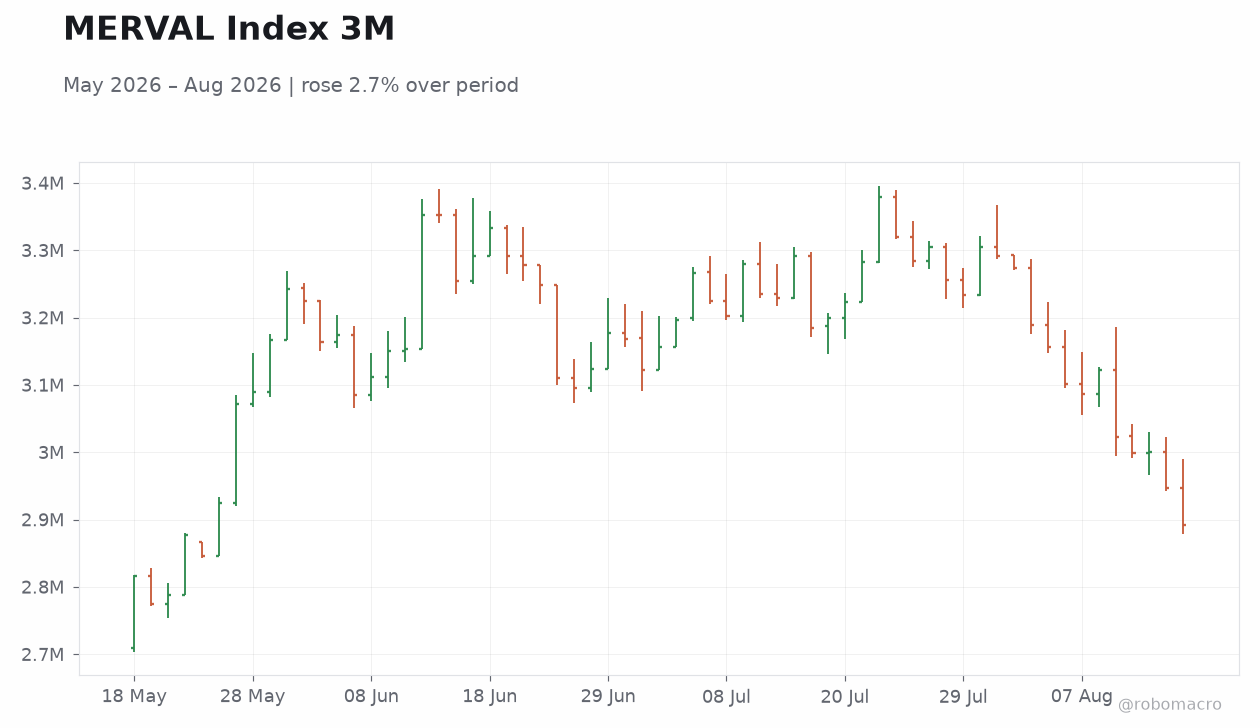
| MERVAL | 2,891,651.00 | -1.89% |
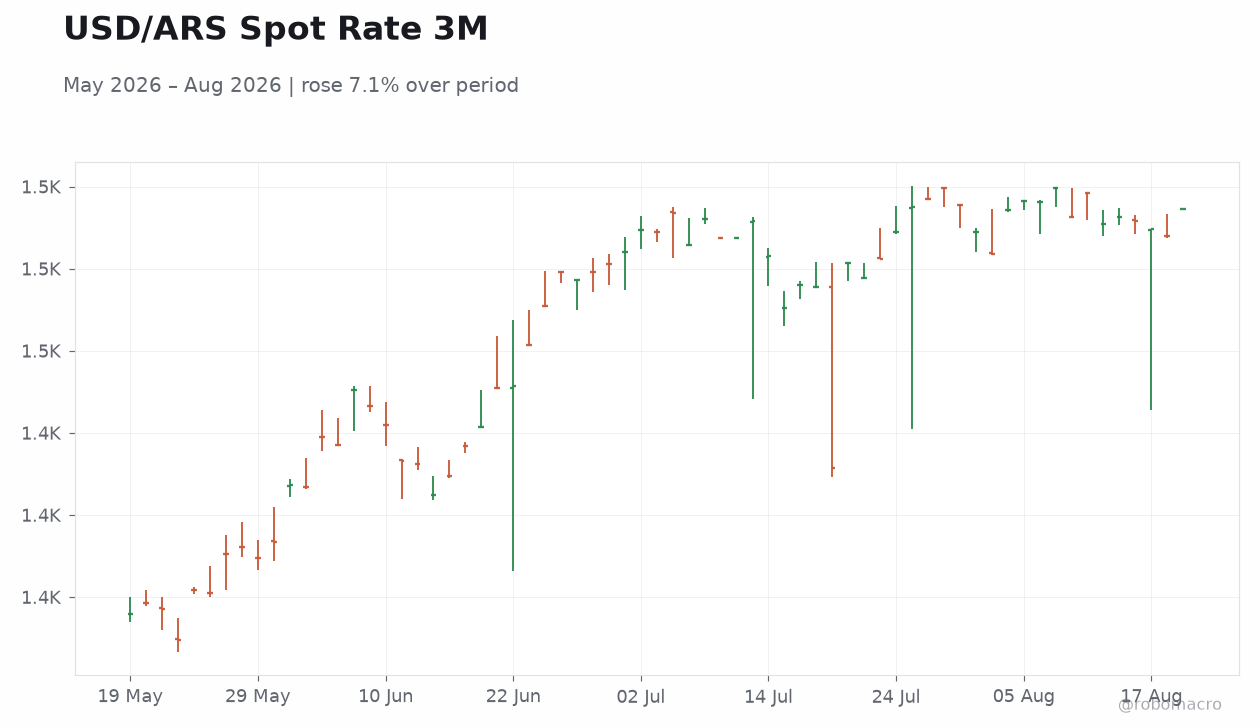
| USD/ARS | 1,494.50 | +0.45% |
| EUR/ARS | 1,730.85 | +0.44% |
| Gold | 4,409.40 | +0.99% |
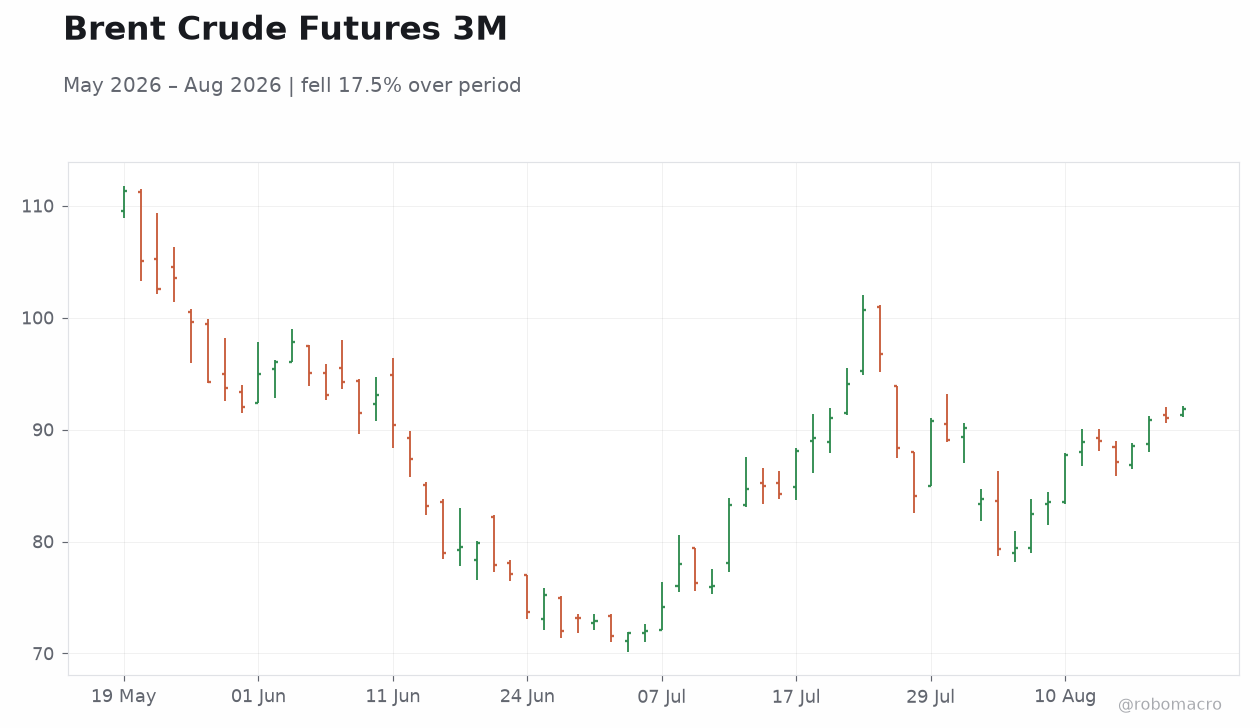
| Brent Crude | 92.00 | +1.08% |
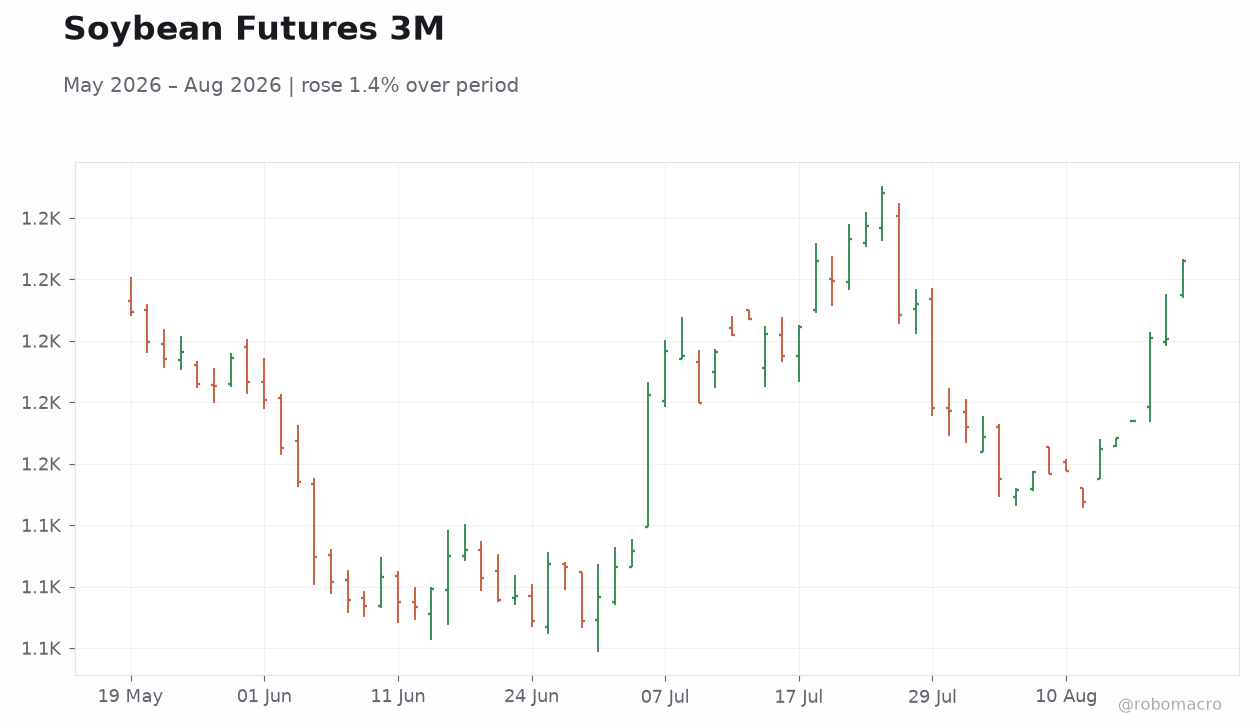
| Soybean | 1,225.25 | +2.04% |
| Bitcoin | 64,383.48 | -0.46% |
| Argentina 10Y | - | - |
Prior Economic Events
| Data | Prior | Cons | Actual |
|---|---|---|---|
| No events available | |||
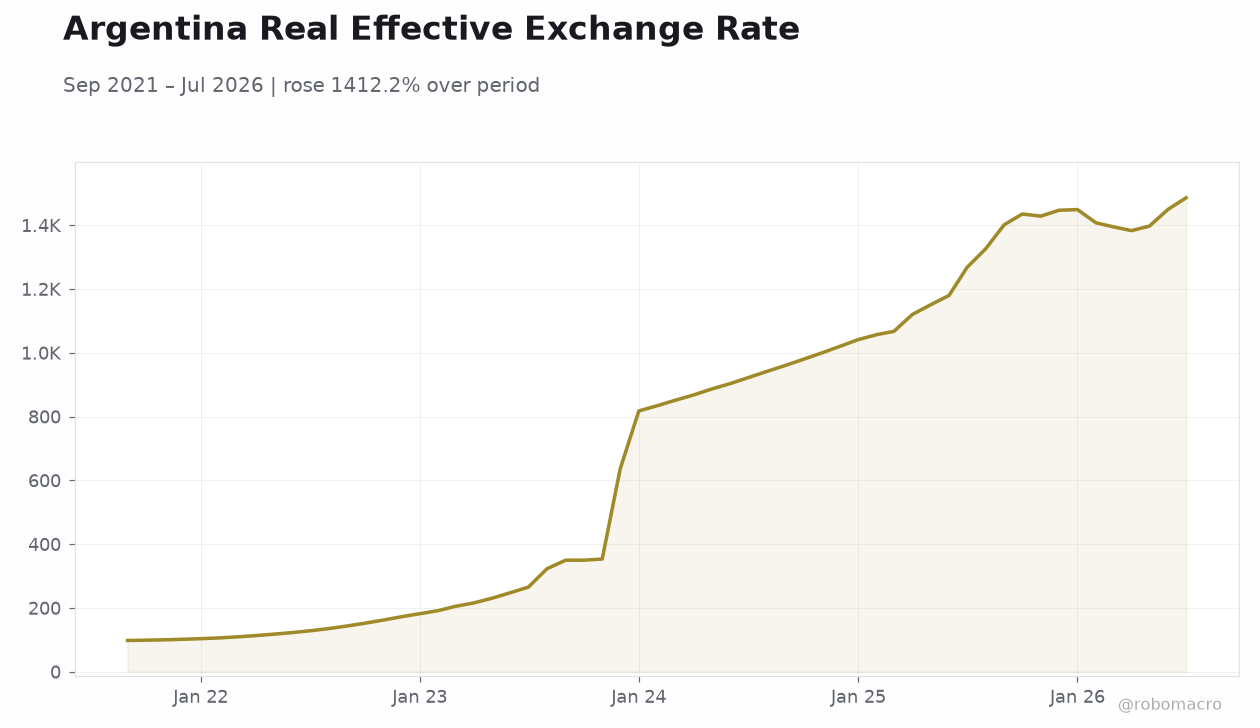 Argentina Real Effective Exchange Rate | Type: macro_line | REER Index: 1486 (2026-07-01) | Range: 98.28–1486 | Trend(6pt): 98.28,162.2,817.9,1068,1398,1486
Today's Economic Events
| Data | Prior | Cons | Time |
|---|---|---|---|
| No events available | |||
- MERVAL drops 1.89% to 2,891,651 amid Milei labor concerns
- USD/ARS climbs 0.45% to 1,494.50, pressuring reserves
- Soybean futures jump 2.04% to 1,225.25, bolstering exports
Yesterday's Recap
Argentine equities closed lower with the MERVAL index falling 1.89 percent to 2,891,651 as investors reacted to persistent job losses under President Milei. The official USD/ARS rate advanced 0.45 percent to 1,494.50 while the euro pair rose 0.44 percent to 1,730.85, reflecting ongoing peso depreciation pressure. Soybean prices gained 2.04 percent to 1,225.25, offering support to export revenues and reserve accumulation.
Gold rose 0.99 percent to 4,409.40 and Brent crude added 1.08 percent to 92.00, providing a modest tailwind for commodity-linked assets. Bitcoin slipped 0.46 percent to 64,383.48 with limited direct impact on local markets. Bloomberg Economics highlighted that unemployment remains Milei’s primary political vulnerability despite earlier success in cutting inflation and achieving fiscal balance.
No major data releases occurred, leaving market moves driven by external flows and domestic political commentary.
The Day Ahead
Trading is expected to remain range-bound with no scheduled INDEC releases or BCRA policy announcements through tomorrow. Focus will stay on soybean export inflows and any updates to IMF program compliance. Global commodity moves, particularly in energy and grains, could influence peso sentiment and reserve dynamics.
Market participants will monitor forward market interventions by the central bank to limit volatility ahead of mid-term elections. Limited corporate earnings or union wage negotiations may also surface as secondary drivers. External signals from Indonesia’s steady policy rate and Japan’s softer GDP print add to caution on commodity demand.
Other Economic Notes
Fiscal consolidation continues to anchor credibility, with the primary surplus beating targets in recent months and supporting the ongoing IMF arrangement. Export tax rebates extended into 2027 aim to sustain manufacturing activity while soybean inflows provide a buffer for reserves. Labor market weakness, however, poses risks to social stability and could pressure wage negotiations in key sectors.
Broader themes center on sustaining disinflation progress alongside reserve rebuilding without reigniting currency pressures. The June activity decline reported in regional data underscores risks to second-quarter GDP momentum.