Argentina Macro Daily(Beta Mode)
MERVAL Slides as Global Rate Pressures Mount
Market Snapshot
| Asset | Level | Change |
|---|---|---|
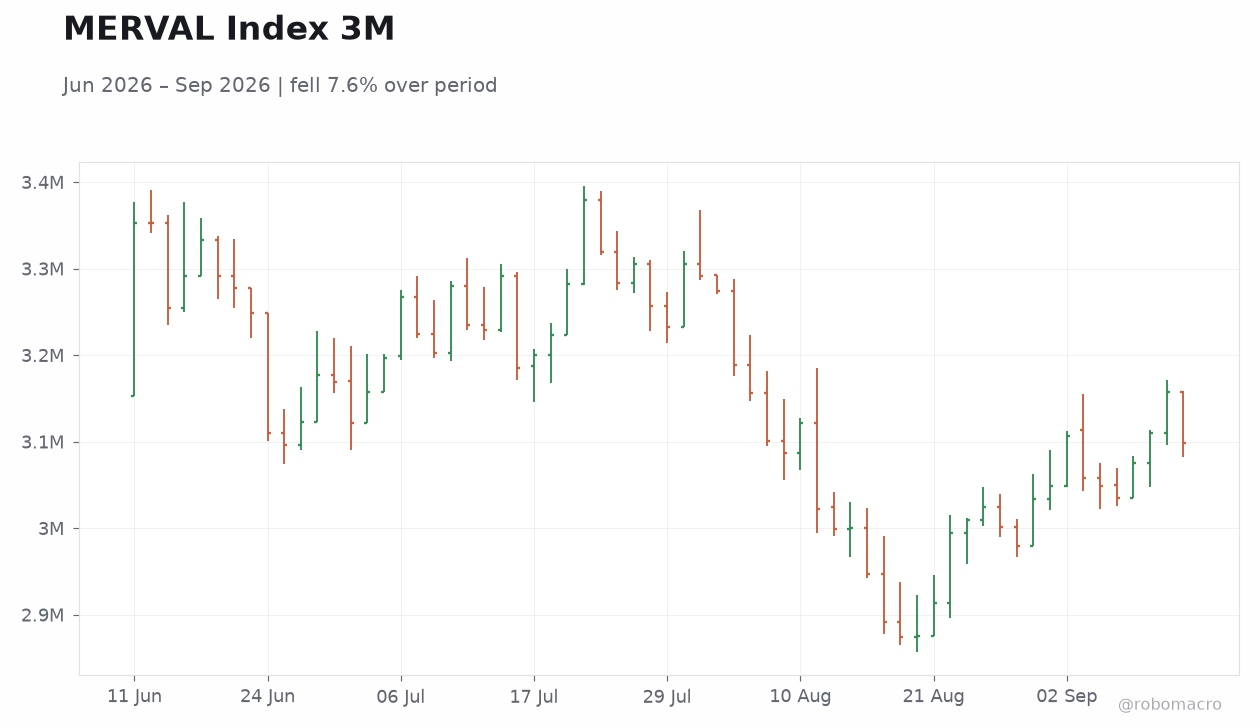
| MERVAL | 3,098,898.00 | -1.87% |
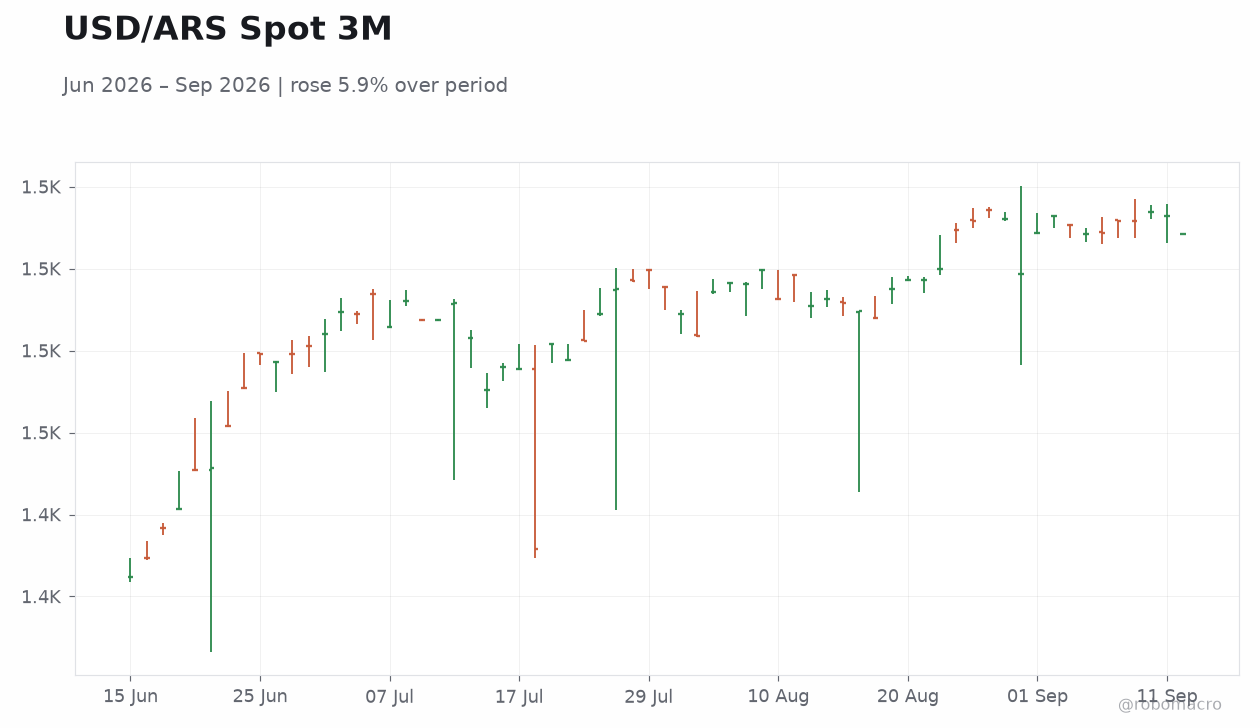
| USD/ARS | 1,508.50 | -0.28% |
| EUR/ARS | 1,745.12 | -0.64% |
| Gold | 4,343.60 | -0.52% |
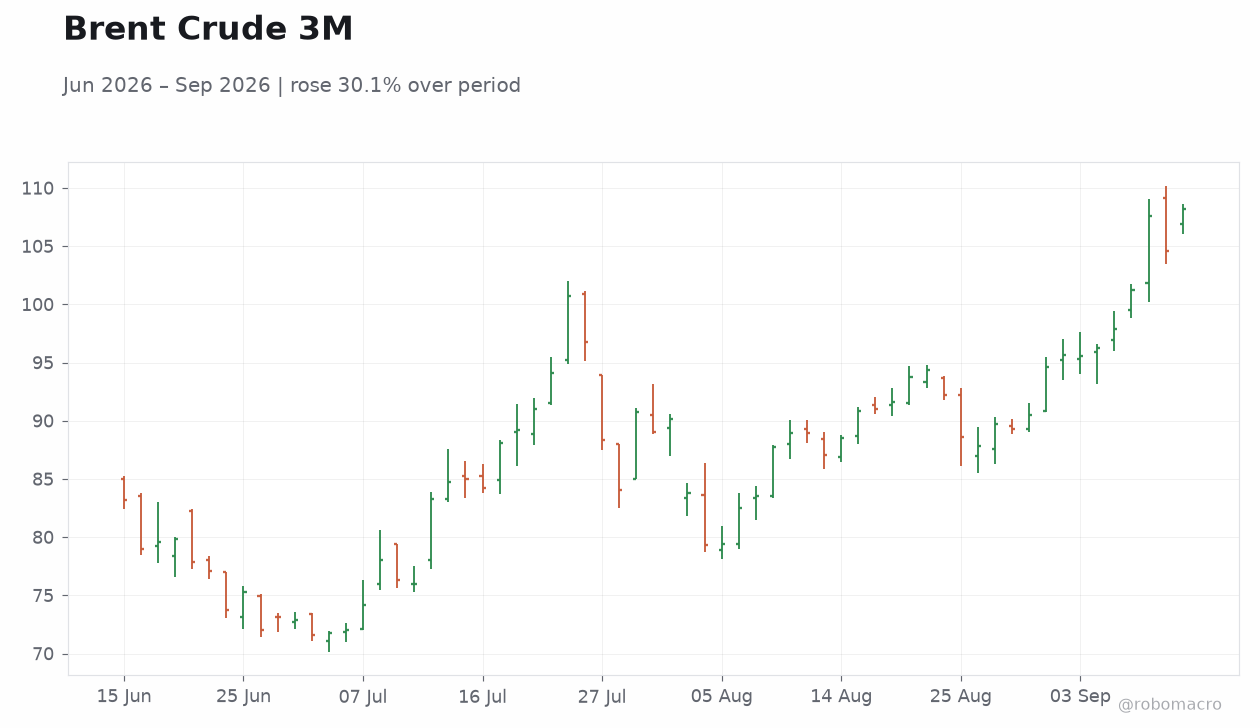
| Brent Crude | 108.31 | +3.54% |
| Soybean | 1,297.50 | +1.35% |
| Bitcoin | 77,691.62 | +1.11% |
| Argentina 10Y | - | - |
Prior Economic Events
| Data | Prior | Cons | Actual |
|---|---|---|---|
| No events available | |||
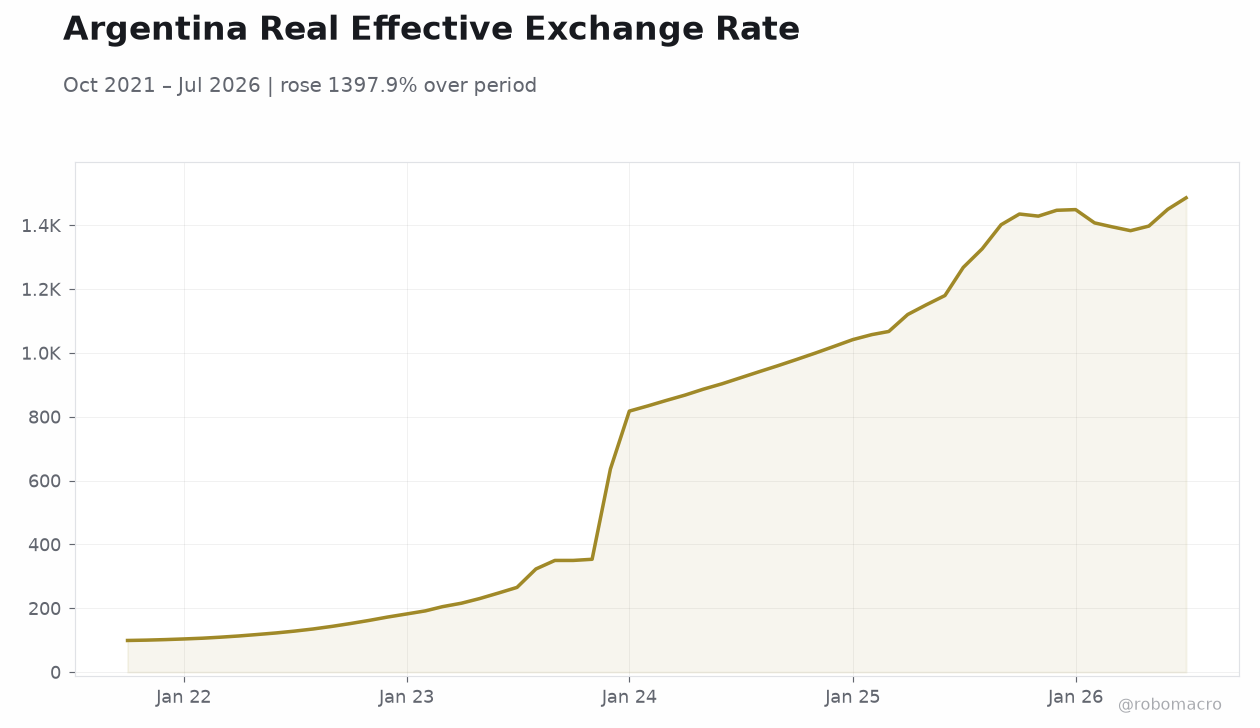 Argentina Real Effective Exchange Rate | Type: macro_line | Index: 1486 (2026-07-01) | Range: 99.22–1486 | Trend(6pt): 99.22,172.6,834.6,1121,1450,1486
Today's Economic Events
| Data | Prior | Cons | Time |
|---|---|---|---|
| No events available | |||
- MERVAL fell 1.87% to 3,098,898 while USD/ARS eased 0.28% to 1,508.50 amid thin local data.
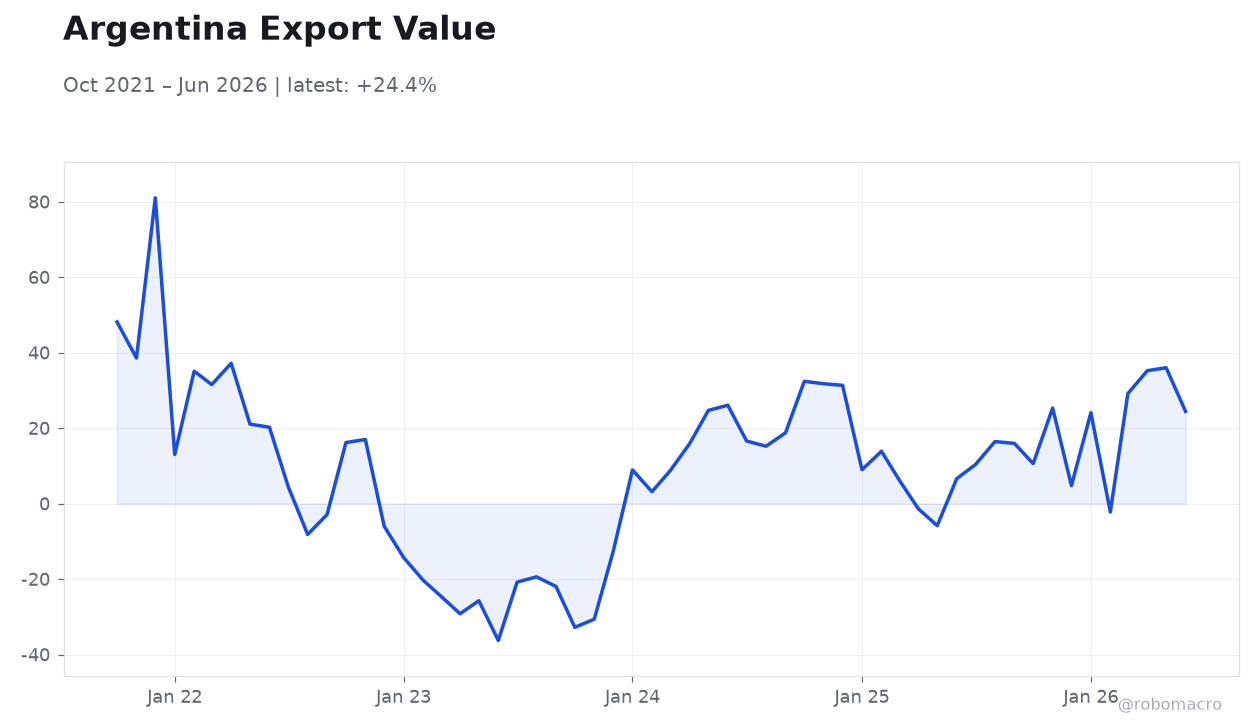
- Brent crude jumped 3.54% to 108.31 and soybeans rose 1.35%, supporting export revenues.
- G7 central banks face fresh inflation tests from surging oil, with limited immediate spillovers to BCRA policy.
Yesterday's Recap
Equity and currency markets closed lower on September 13 with no Argentine data releases to shift expectations. The MERVAL index declined 1.87% to 3,098,898.00 while USD/ARS slipped 0.28% to 1,508.50 and EUR/ARS dropped 0.64% to 1,745.12. Gold eased 0.52% to 4,343.60.
Brent crude advanced 3.54% to 108.31 and soybeans gained 1.35% to 1,297.50, bolstering the outlook for export receipts. The empty calendar left investors focused on peso stability and the absence of fresh inflation prints. Sovereign bonds showed no quoted movement in the 10-year segment.
Overall flows remained light ahead of global central-bank decisions.
The Day Ahead
No economic releases are scheduled for September 14, keeping the domestic calendar empty through mid-week. Traders will monitor external drivers including Brent crude and soybean prices for signals on export earnings. Attention stays on peso liquidity and any BCRA interventions in the spot market.
Fiscal consolidation progress under the IMF programme remains a background theme without new prints. Markets price limited near-term policy shifts from the central bank given the data vacuum.
Other Economic Notes
Argentina continues to rely on soybean export volumes to anchor reserves and support the current account. Fiscal consolidation efforts target primary balance improvement, yet progress hinges on commodity revenues amid volatile global prices. The peso’s gradual nominal decline helps competitiveness but keeps imported inflation risks elevated.
IMF programme reviews focus on reserve accumulation targets that remain sensitive to energy import costs. Broader credit conditions stay tight as domestic banks await clearer BCRA signals on liquidity.
Global Macro News
Central banks across the G7 face renewed pressure to consider rate hikes after inflation readings exceeded forecasts and oil prices surged. The European Central Bank delivered strong hawkish remarks on inflation risks while France’s central bank governor flagged the need to cut the budget deficit despite stable growth. ↓ p.2