Argentina Macro Daily(Beta Mode)
MERVAL Slides as Peso Weakens
Market Snapshot
| Asset | Level | Change |
|---|---|---|
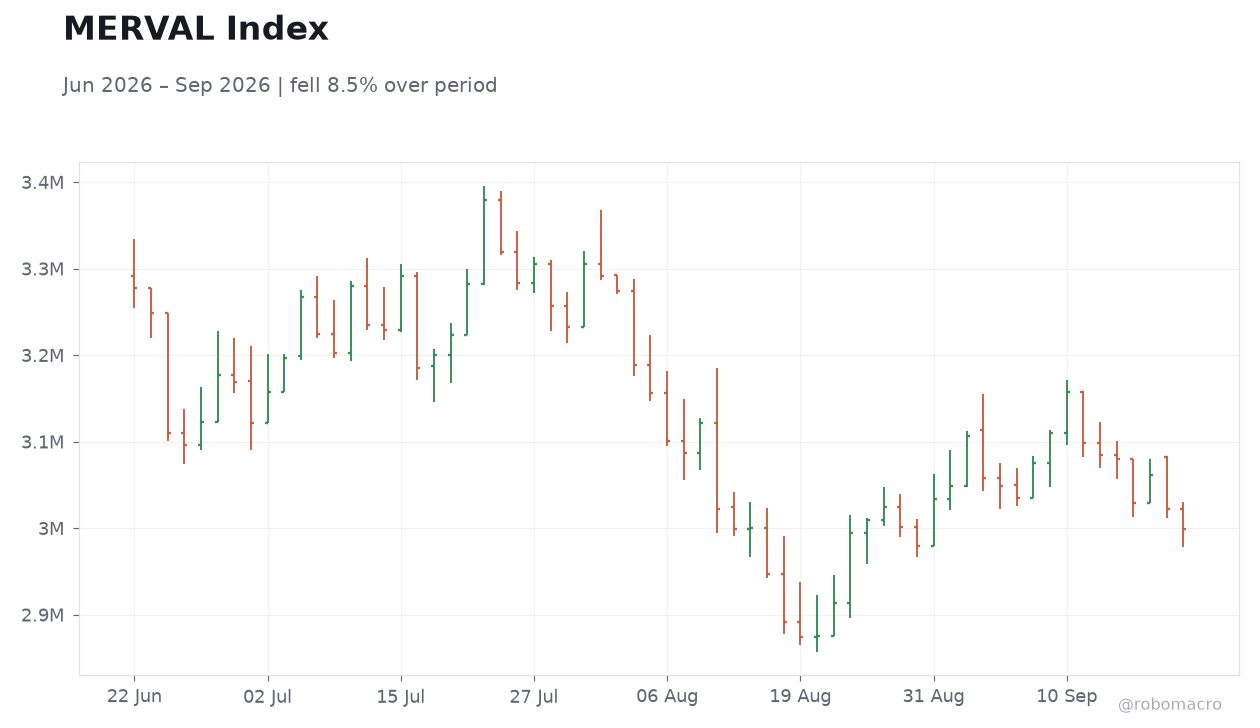
| MERVAL | 2,998,956.00 | -0.76% |
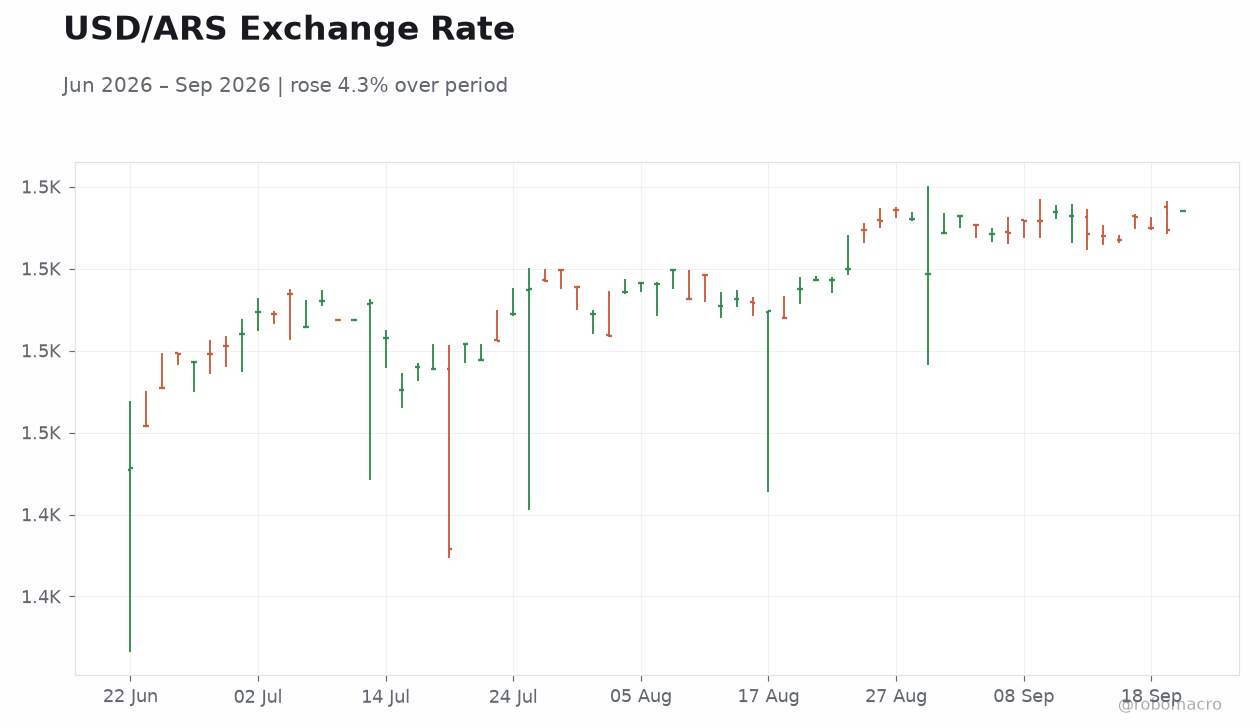
| USD/ARS | 1,514.00 | +0.31% |
| EUR/ARS | 1,736.48 | +3.22% |
| Gold | 4,354.70 | -0.67% |
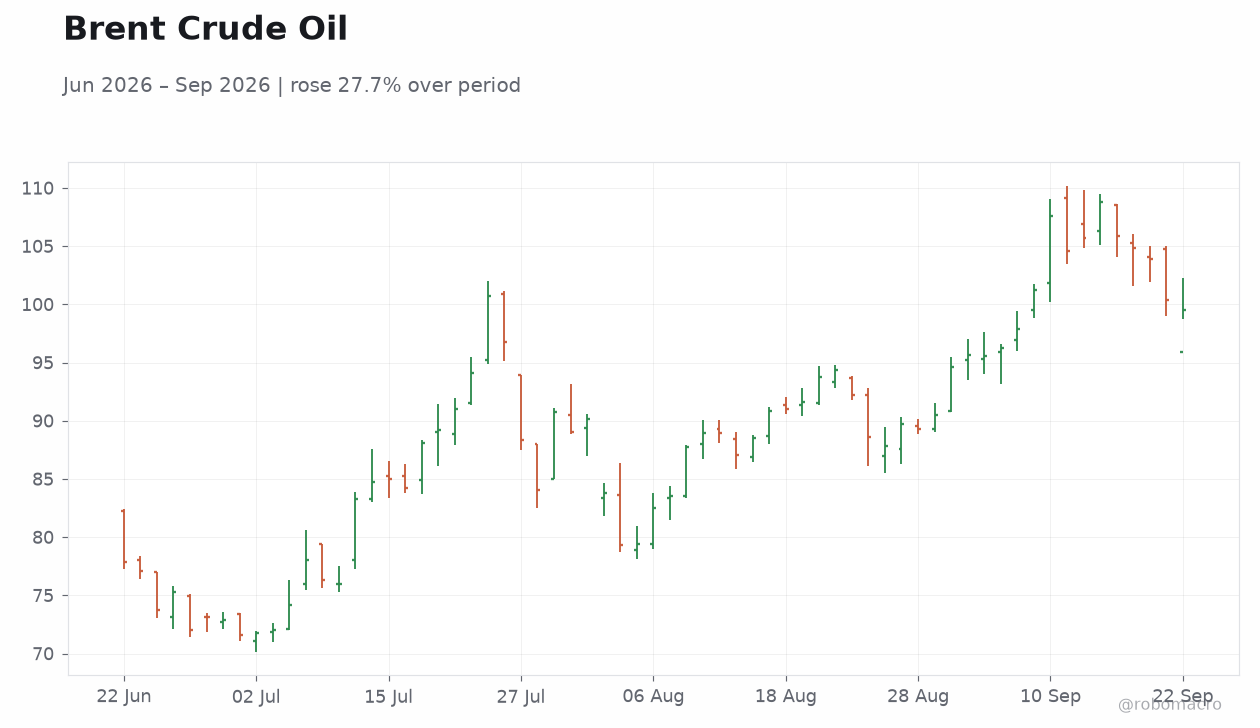
| Brent Crude | 99.59 | -0.75% |
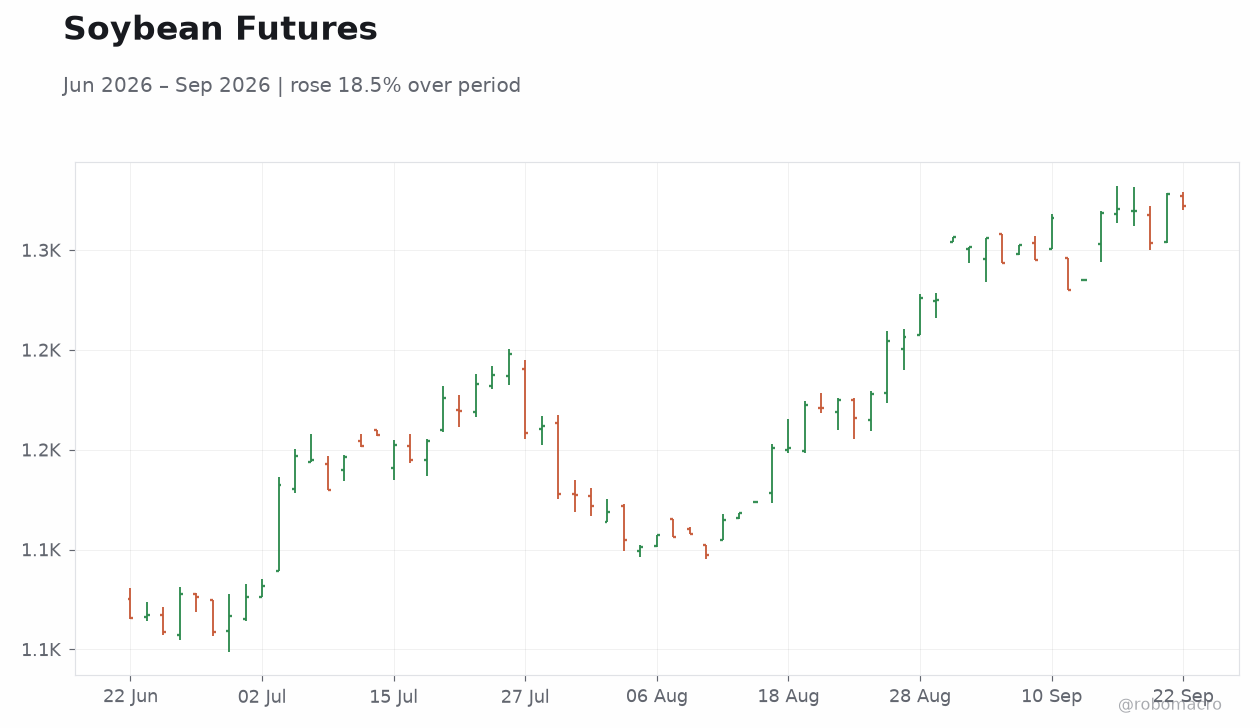
| Soybean | 1,321.75 | -0.47% |
| Bitcoin | 85,879.68 | -0.84% |
| Argentina 10Y | - | - |
Prior Economic Events
| Data | Prior | Cons | Actual |
|---|---|---|---|
| No events available | |||
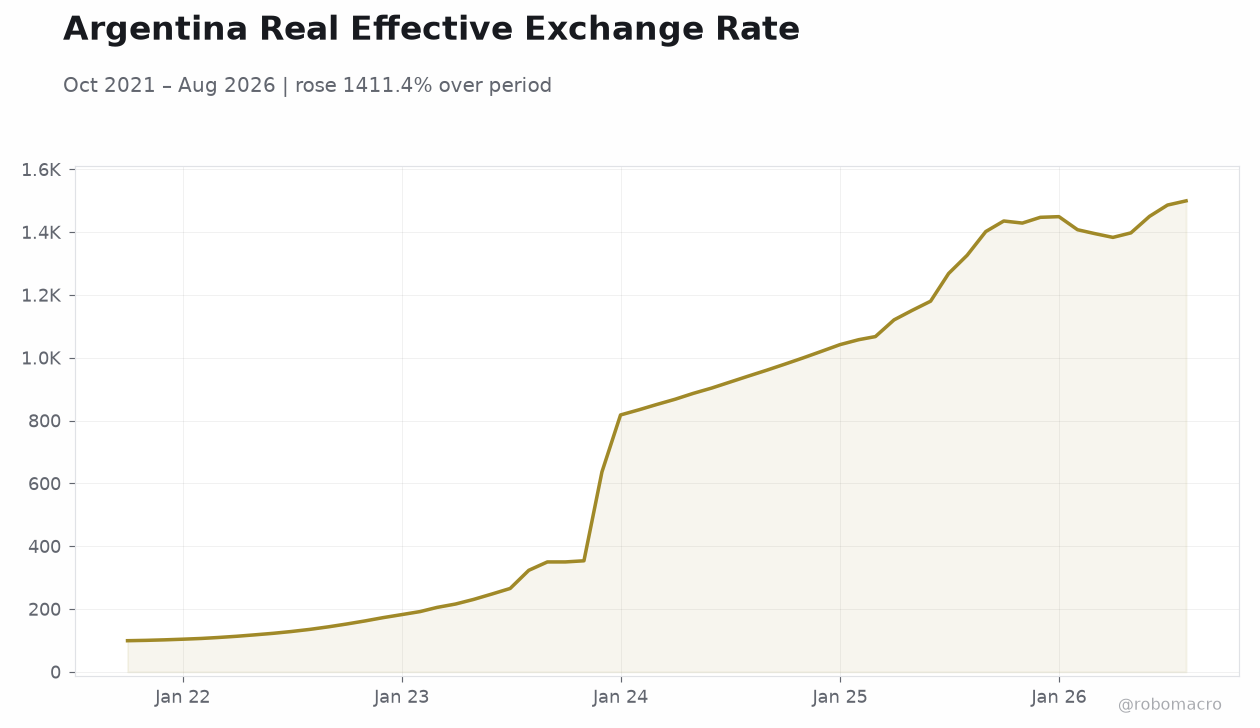 Argentina Real Effective Exchange Rate | Type: macro_line | Index: 1500 (2026-08-01) | Range: 99.22–1500 | Trend(6pt): 99.22,172.6,834.6,1121,1450,1500
Today's Economic Events
| Data | Prior | Cons | Time |
|---|---|---|---|
| No events available | |||
- MERVAL fell 0.76% to 2,998,956 while USD/ARS rose 0.31% to 1,514.00.
- No economic data releases occurred on September 21, leaving policy expectations unchanged.
- Argentina CPI YoY stood at 33.5% as of August 31, underscoring persistent price pressures.
Yesterday's Recap
Argentine equities closed lower as the MERVAL index declined 0.76% to 2,998,956.00. The peso weakened modestly, with USD/ARS advancing 0.31% to 1,514.00 and EUR/ARS surging 3.22% to 1,736.48. Commodity prices relevant to Argentine exports eased, as Brent Crude dropped 0.75% to 99.59 and Soybean futures fell 0.47% to 1,321.75.
No inflation, activity or fiscal prints were released, so markets received no fresh signals on the pace of disinflation or the primary balance. Gold declined 0.67% to 4,354.70 amid broader risk-on sentiment. Bitcoin fell 0.84% to 85,879.68, providing little support to local sentiment.
With the Argentina 10Y yield data unavailable, attention stayed on spot FX moves and the absence of BCRA intervention signals.
The Day Ahead
The calendar remains empty for September 22 and 23, with zero scheduled releases on inflation, trade or fiscal accounts. Traders will therefore focus on external drivers such as soybean and crude prices that directly affect export receipts. Any movement in global risk appetite could influence peso demand through portfolio flows.
Market participants will also watch for any informal BCRA guidance on reserve management ahead of the next IMF review. Soybean export proceeds remain the key near-term source of FX supply. Absence of domestic prints keeps attention on the 33.5% CPI YoY print from August.
Other Economic Notes
Fiscal consolidation continues to anchor policy credibility, yet the 33.5% CPI YoY reading shows that real wage recovery and domestic demand remain constrained. Soybean export volumes will determine the speed of reserve accumulation and the sustainability of the current FX regime. IMF programme compliance hinges on maintaining primary surpluses and limiting monetary financing, limiting room for rate cuts.
External vulnerability stays elevated given the narrow export base and dependence on commodity prices. Any sustained decline in soybean futures would pressure the trade balance and complicate BCRA efforts to stabilise reserves.