Argentina Macro Daily(Beta Mode)
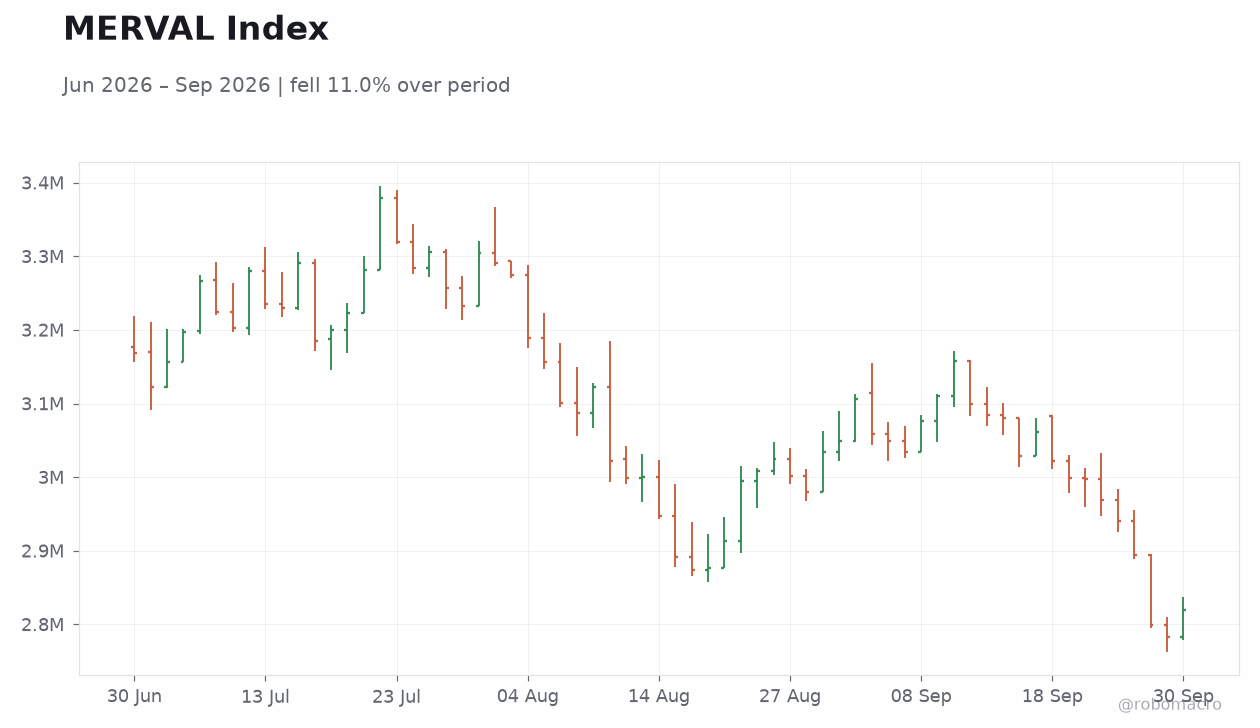
MERVAL Rises as Peso Holds Near 1,524
Market Snapshot
| Asset | Level | Change |
|---|---|---|
| MERVAL | 2,819,323.00 | +1.32% |
| USD/ARS | 1,524.50 | -0.03% |
| EUR/ARS | 1,726.50 | -0.16% |
| Gold | 4,184.00 | -0.06% |
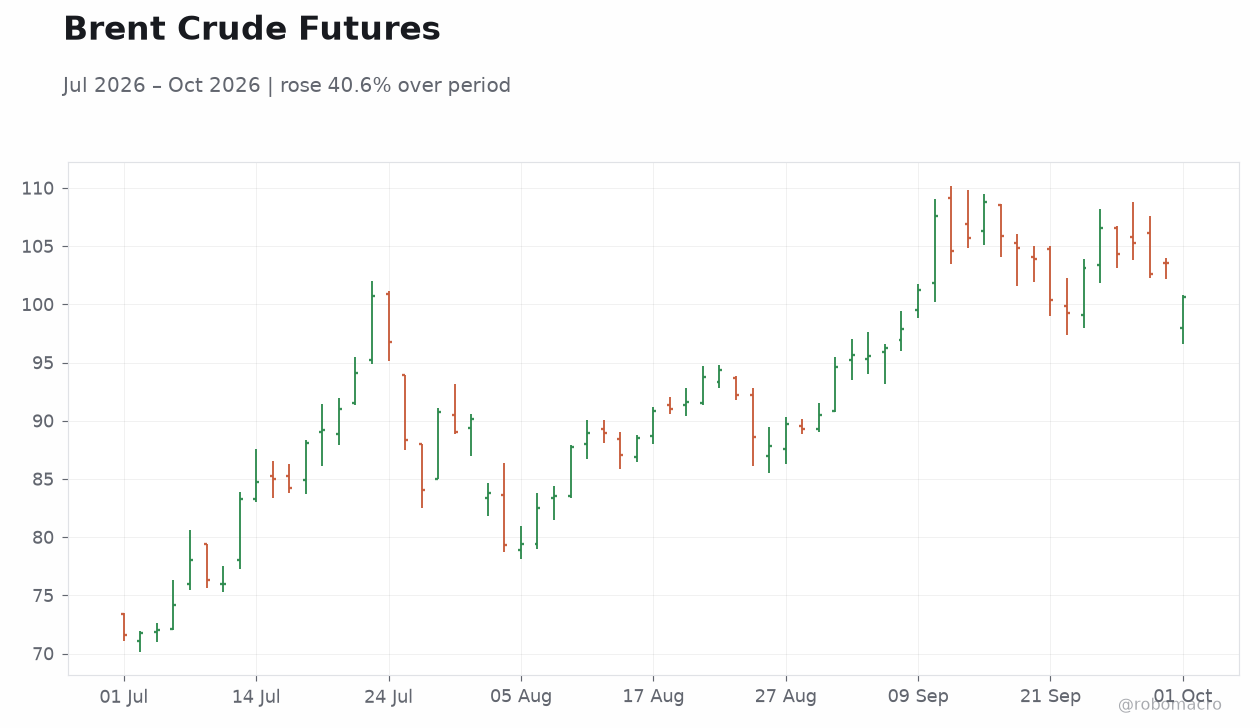
| Brent Crude | 100.74 | -2.69% |
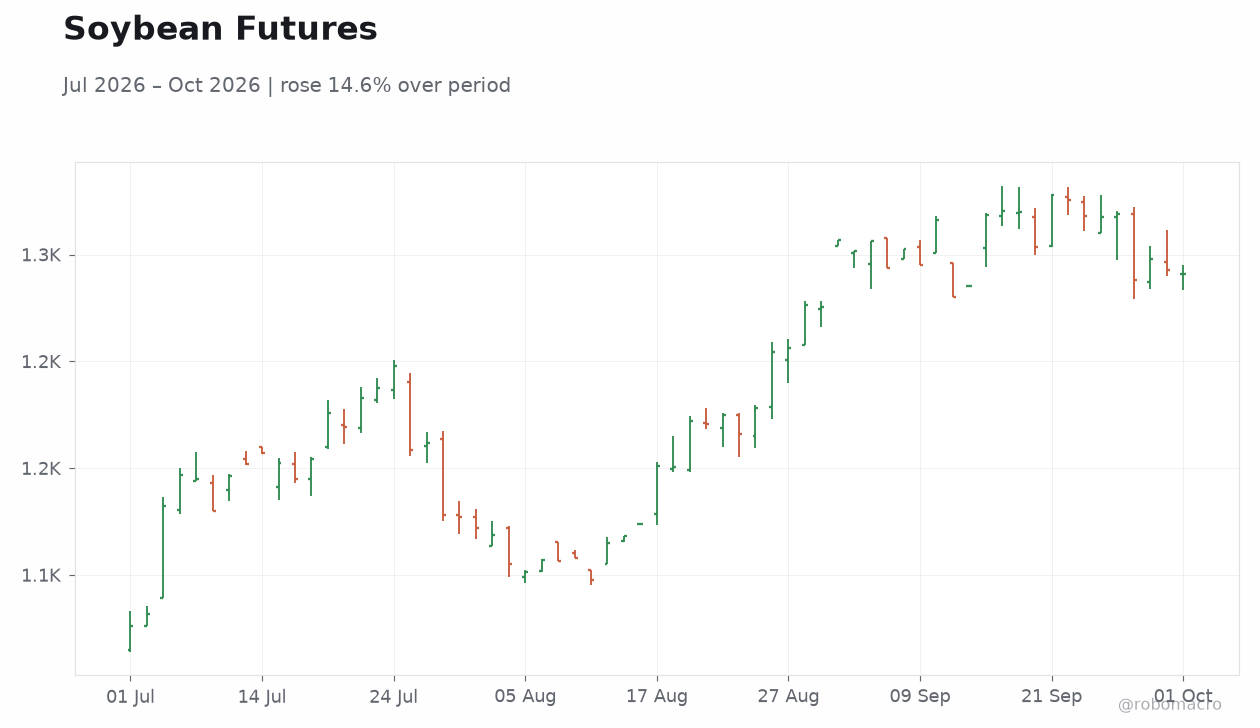
| Soybean | 1,291.25 | -0.14% |
| Bitcoin | 83,630.92 | +0.09% |
| Argentina 10Y | - | - |
Prior Economic Events
| Data | Prior | Cons | Actual |
|---|---|---|---|
| No events available | |||
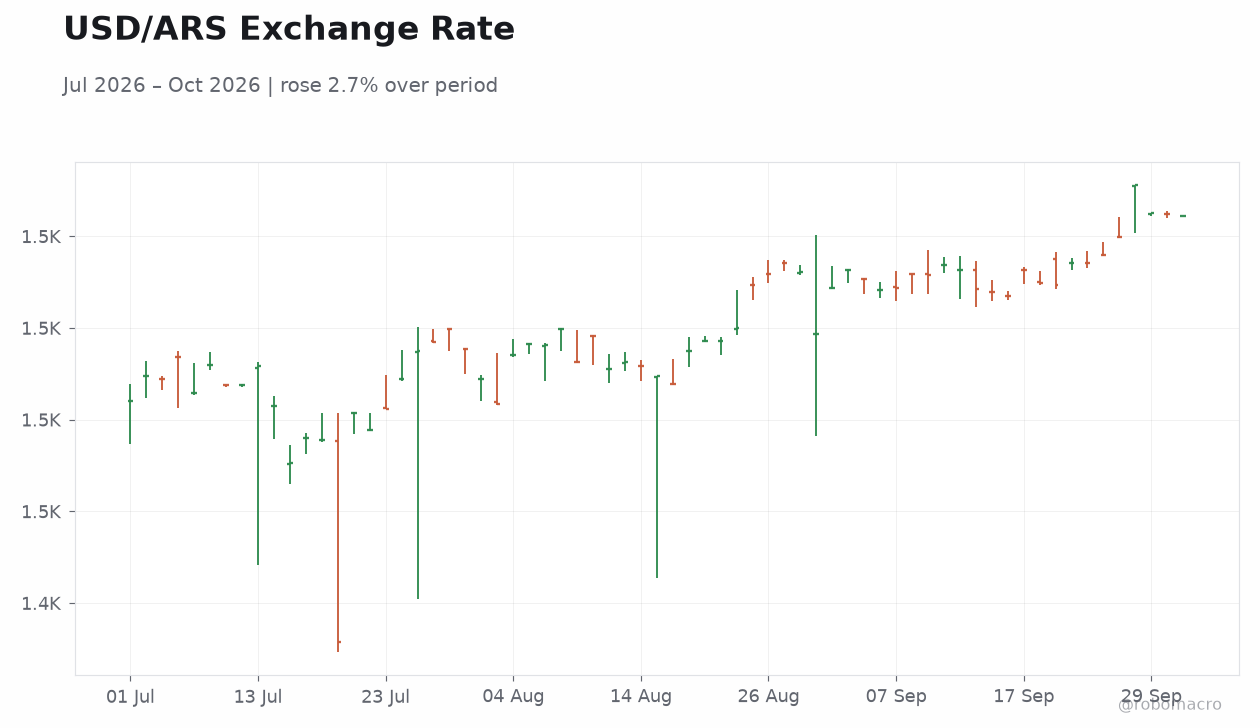 USD/ARS Exchange Rate | Type: market_hloc | ARS per USD: 1524 (2026-10-01) | Range: 1432–1531 | Trend(6pt): 1484,1482,1492,1509,1525,1524
Today's Economic Events
| Data | Prior | Cons | Time |
|---|---|---|---|
| No events available | |||
- MERVAL advances 1.32% to 2,819,323 while USD/ARS eases 0.03% to 1,524.50
- Quiet calendar leaves focus on fiscal consolidation and soybean export flows
- Argentina CPI YoY at 33.5% keeps BCRA on hold amid stable reserves
Yesterday's Recap
Equity and currency markets recorded modest gains on September 30 with no economic data releases. The MERVAL index climbed 1.32% to close at 2,819,323.00. USD/ARS slipped 0.03% to 1,524.50 while EUR/ARS fell 0.16% to 1,726.50.
Brent Crude dropped 2.69% to 100.74 and soybean prices eased 0.14% to 1,291.25. Gold declined 0.06% to 4,184.00. Bitcoin rose 0.09% to 83,630.92.
The absence of inflation or activity prints left markets focused on ongoing fiscal consolidation efforts and soybean export revenues supporting the peso. Broader commodity weakness weighed on sentiment but did not trigger notable ARS volatility.
The Day Ahead
October 1 carries no scheduled Argentina data releases or policy announcements. Traders will monitor any unscheduled BCRA statements on liquidity or reserve management. Soybean export registrations and fiscal cash-flow updates remain the main domestic drivers.
Global risk sentiment tied to US Fed commentary could influence ARS flows. Markets await any IMF mission updates on program compliance. With the calendar empty through October 2, attention stays on external factors such as Brent crude movements and Asian equity performance that often shape EM currency demand.
Other Economic Notes
Argentina continues fiscal consolidation under the IMF program with primary surplus targets guiding spending restraint. Soybean export proceeds provide critical FX inflows that help stabilize reserves and the peso. Inflation at 33.5% YoY as of August keeps real rates restrictive and limits room for policy easing.
External buffers remain adequate but vulnerable to commodity price swings and global risk aversion. Domestic activity indicators show gradual recovery supported by agricultural output. No new high-frequency prints emerged to alter these assessments, leaving the focus on steady reserve accumulation and export-led FX supply.
Global Macro News
The US Fed’s Kashkari stressed the need to lower inflation pressures, reducing near-term rate-cut odds and supporting the dollar. ↓ p.2