Brazil Macro Daily(Beta Mode)
Tariffs and Fiscal Strain Weigh on BRL
Market Snapshot
| Asset | Level | Change |
|---|---|---|
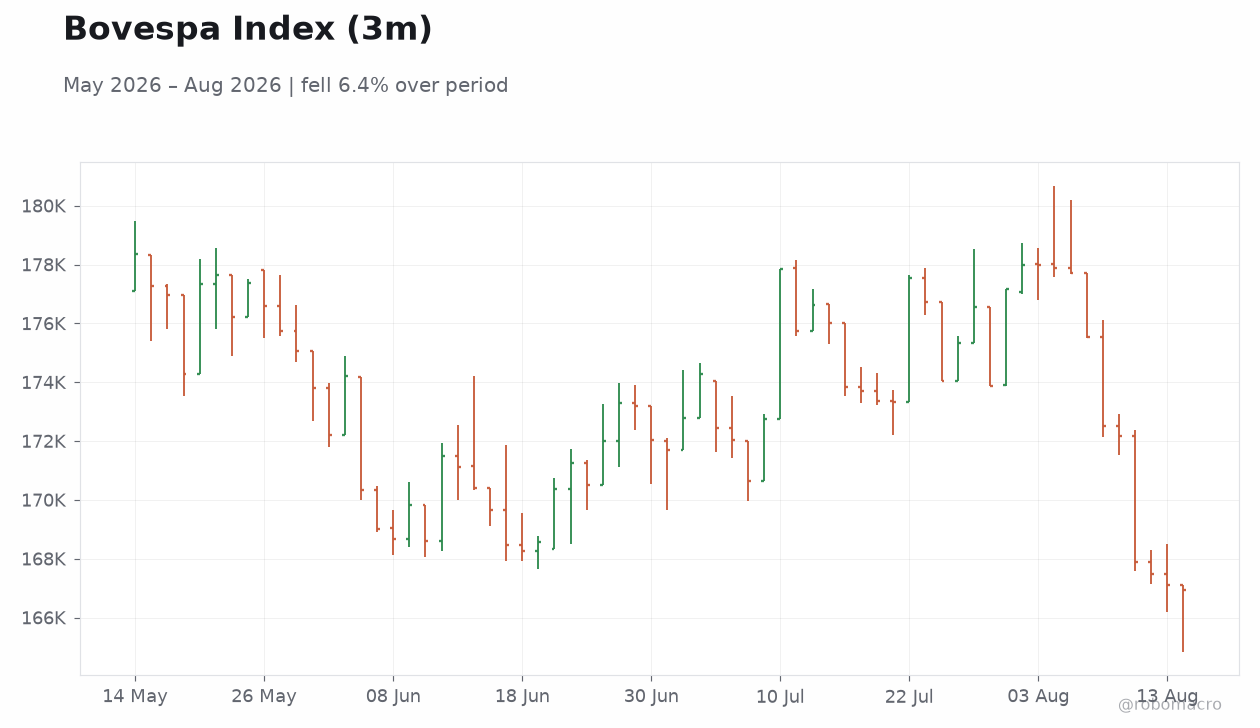
| Bovespa | 166,934.00 | -0.10% |
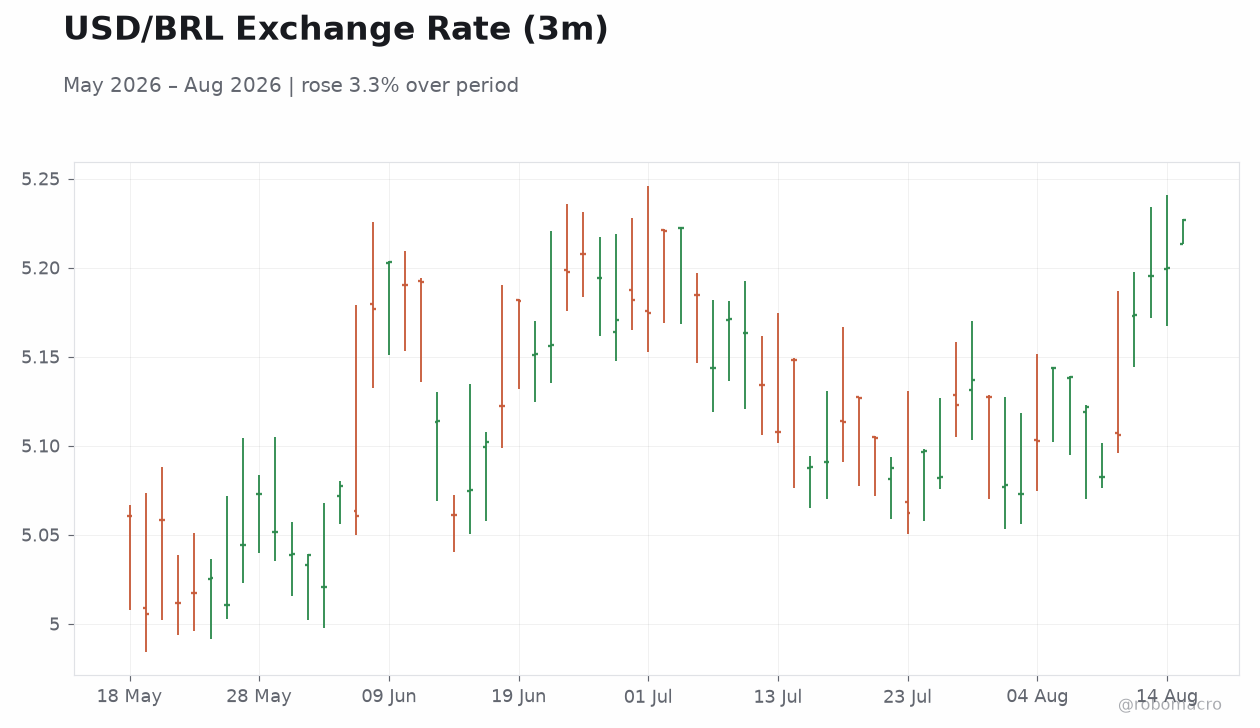
| USD/BRL | 5.23 | +0.60% |
| EUR/BRL | 6.05 | +1.03% |
| Vale | 13.63 | -1.23% |
| Petrobras | 17.88 | -0.06% |
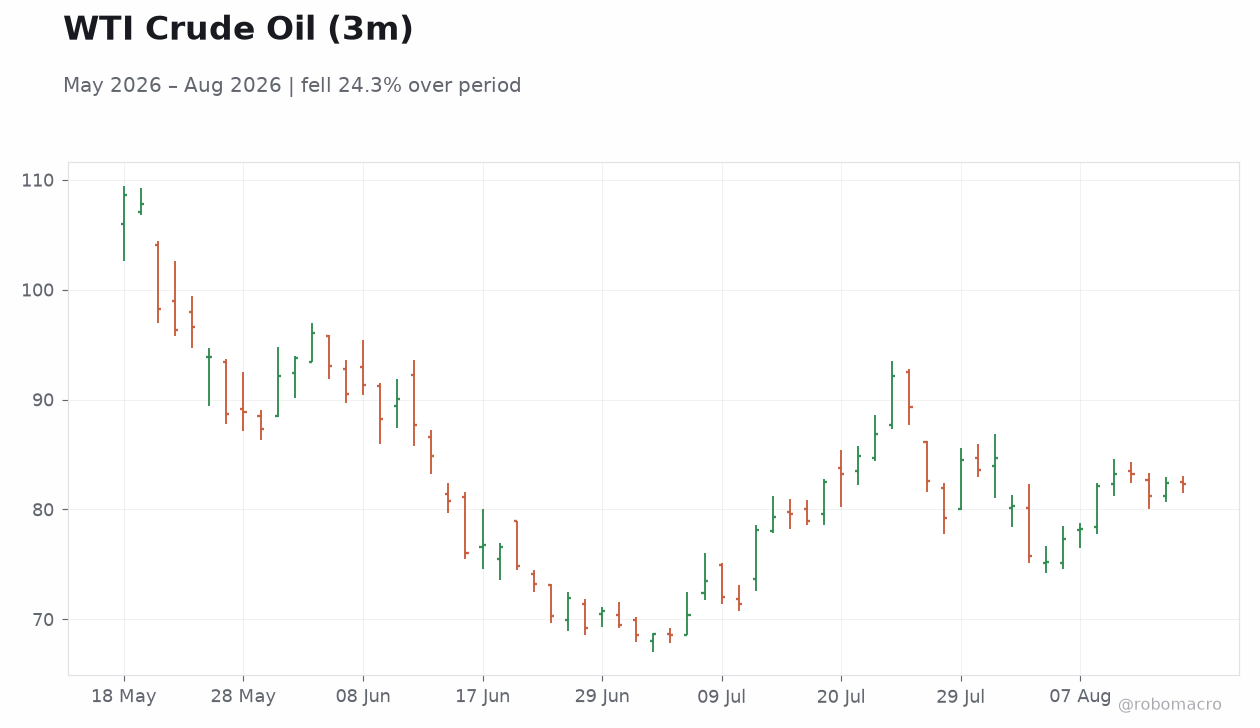
| WTI Crude | 82.27 | -0.16% |
| Gold | 4,450.10 | +1.59% |
| Bitcoin | 63,324.38 | +0.81% |
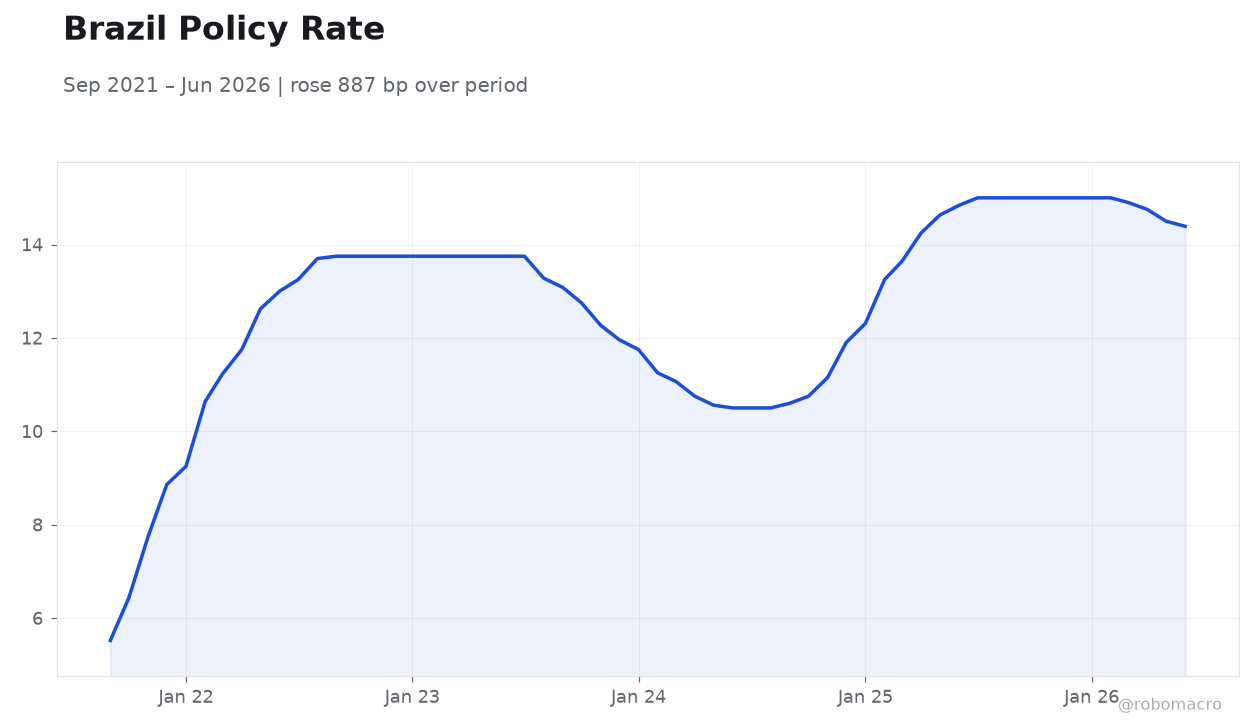
| Brazil Short-term Rate | 14.39% | -0.76% |
| Brazil Long-term Rate | - | - |
Prior Economic Events
| Data | Prior | Cons | Actual |
|---|---|---|---|
| No events available | |||
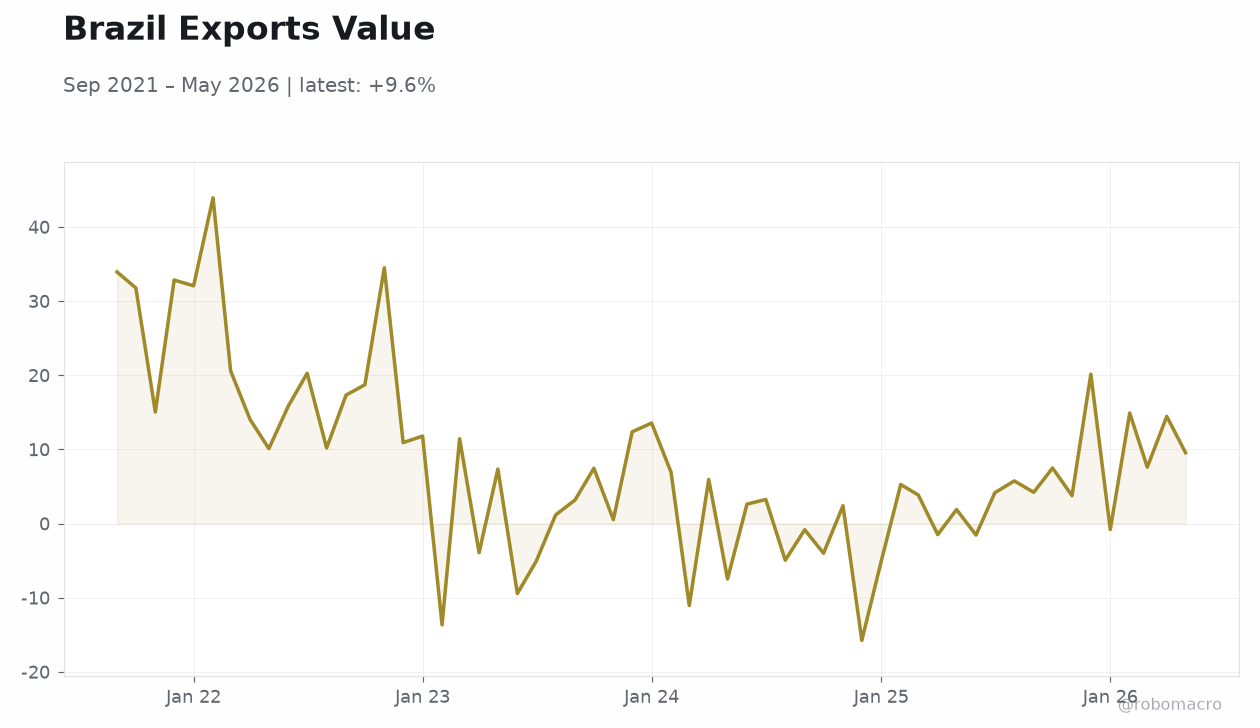 Brazil Exports Value | Type: macro_line | Exports (USD mn): 9.567 (2026-05-01) | Range: -15.76–43.94 | Trend(5pt): 33.95,34.52,13.57,3.87,9.567
Today's Economic Events
| Data | Prior | Cons | Time |
|---|---|---|---|
| No events available | |||
- Banks curb riskier lending as household debt rises
- Lula triggers reciprocity process against new US tariffs
- Former central banker urges rebuild of fiscal credibility
Yesterday's Recap
Bovespa slipped 0.10% to 166,934 while USD/BRL rose 0.60% to 5.23 amid fresh fiscal headlines. Brazil’s large banks pulled back from higher-risk loans as household debt strains intensified, weighing on sentiment. Vale fell 1.23% to 13.63 despite stable iron-ore prices, and Petrobras edged 0.06% lower.
The short-term rate closed at 14.39%, down 0.76%, reflecting modest easing in money-market pricing. News that former central bankers called for restored fiscal anchors added to pressure on the real. Lula’s launch of a reciprocity process against US tariffs reinforced perceptions of heightened trade tensions.
Gold rose 1.59% to 4,450.10, offering some safe-haven support for Brazilian assets. EUR/BRL climbed 1.03% to 6.05 as carry-trade flows adjusted to the mixed signals.
The Day Ahead
Markets will monitor ongoing reactions to Lula’s tariff reciprocity move and any follow-up statements from Brasília. With no scheduled data releases, attention turns to fiscal package details and bank lending trends. Iron-ore and soybean export flows remain key for commodity-linked equities.
Traders will also track global oil prices after WTI settled at 82.27. Any fresh comments from Finance Ministry officials could shift BRL positioning ahead of the weekend. Bitcoin’s modest gain to 63,324.38 may provide limited risk-on color, while long-term rate data gaps leave focus on short-term pricing signals.
Other Economic Notes
Brazil’s push to rebuild fiscal credibility faces renewed scrutiny after the Treasury widened its primary deficit forecast. Household debt pressures are prompting major banks to tighten credit standards, potentially slowing consumption. Lula’s reelection bid coincides with a shifting gig-economy voter base that may demand more targeted social spending.
Stellantis’s expansion of circular-economy operations signals corporate adaptation to tighter credit conditions. Broader trade frictions with the US add downside risks to export-oriented sectors. Agricultural price trends, including coffee, add another layer of volatility for rural producers.