Brazil Macro Daily(Beta Mode)
Real Slumps as Fiscal Fears Build
Market Snapshot
| Asset | Level | Change |
|---|---|---|
| Bovespa | 167,538.00 | -1.34% |
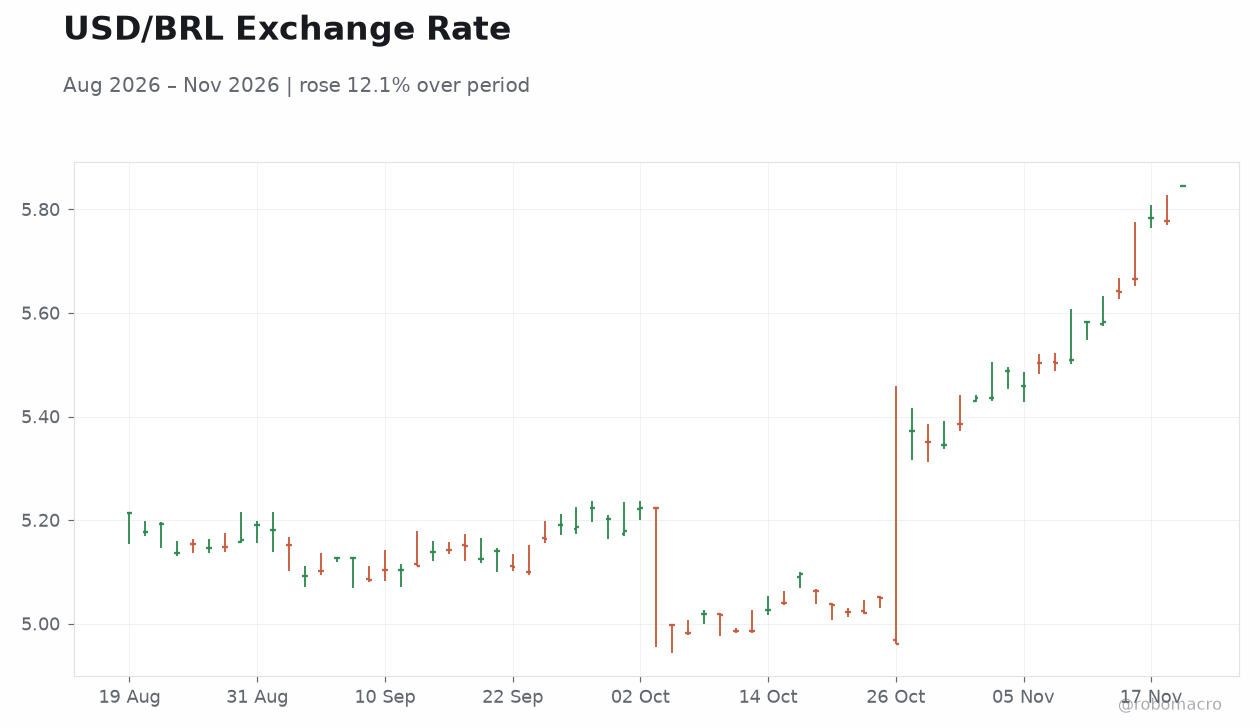
| USD/BRL | 5.85 | +1.19% |
| EUR/BRL | 6.42 | +1.12% |
| Vale | 10.04 | -3.65% |
| Petrobras | 16.73 | -3.91% |
| WTI Crude | 82.55 | -0.85% |
| Gold | 3,738.00 | -0.10% |
| Bitcoin | 63,733.66 | +1.18% |
| Brazil 5Y Govt Yield | 15.26% | +15 bp |
| Brazil 10Y Govt Yield | 15.29% | +8 bp |
Prior Economic Events
| Data | Prior | Cons | Actual |
|---|---|---|---|
| BCB Focus Market Readout | - | - | "" |
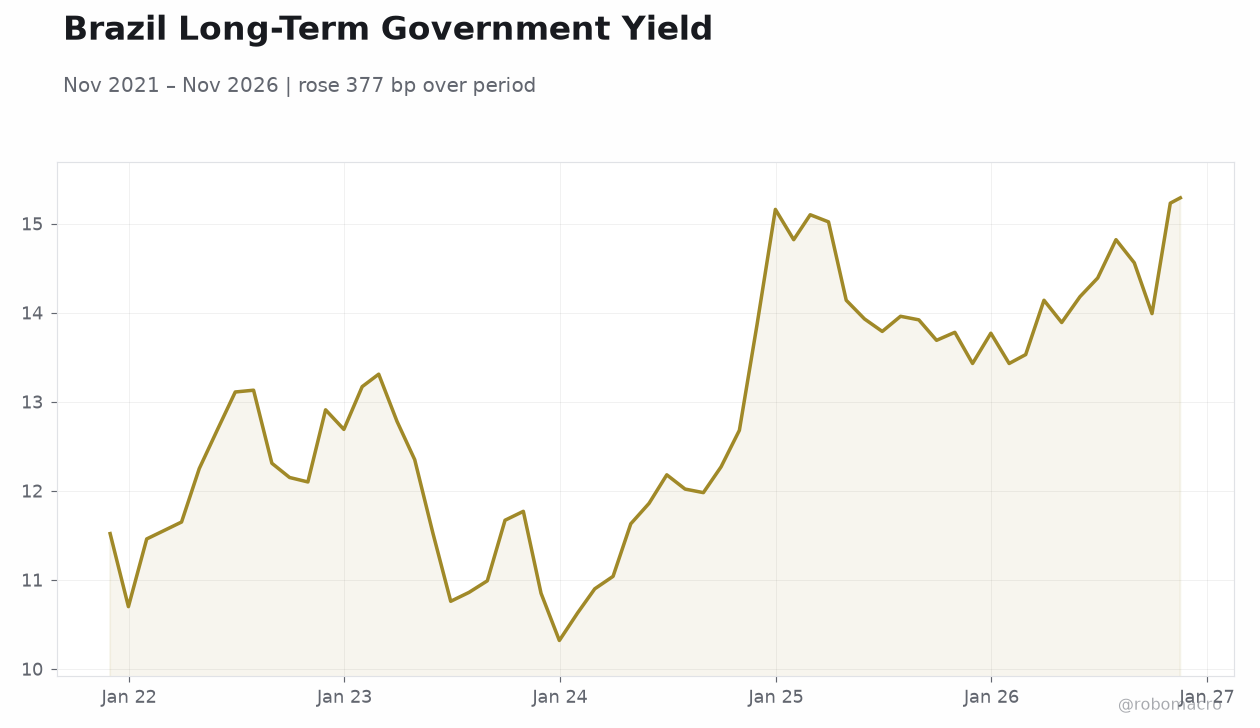 Brazil Long-Term Government Yield | Type: macro_line | 10Y yield (%): 15.29 (2026-11-17) | Range: 10.32–15.29 | Trend(5pt): 11.52,13.31,11.86,13.92,15.29
Today's Economic Events
| Data | Prior | Cons | Time |
|---|---|---|---|
| No events available | |||
- Brazilian assets sold off sharply, with the Bovespa down 1.34% and USD/BRL up 1.19% to 5.85 as fiscal concerns weighed on sentiment.
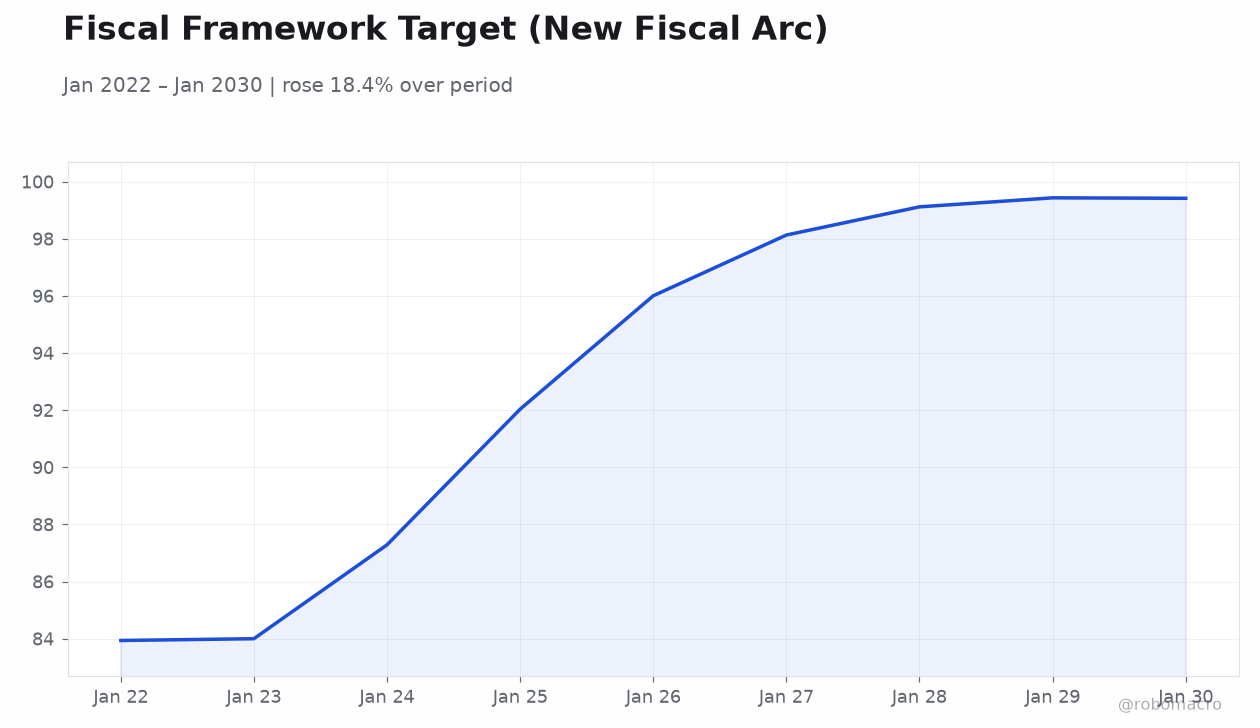
- The Senate approved Lula's $10 billion fiscal package, but pension costs are projected to rise R$379bn without reform, keeping the fiscal trajectory in focus.
- The 5-year yield jumped 15 bp to 15.26% and the 10-year rose 8 bp to 15.29%, reflecting a steeper curve and rising term premium.
Yesterday's Recap
Brazilian markets closed sharply lower on November 18, with the Bovespa falling 1.34% to 167,538 and the real weakening 1.19% to 5.85 per dollar. The selloff was broad-based, with Vale down 3.65% and Petrobras off 3.91% as commodity-linked names bore the brunt of the risk-off tone. The 5-year government yield jumped 15 bp to 15.26% while the 10-year rose 8 bp to 15.29%, steepening the curve and signaling a rising fiscal risk premium.
The BCB Focus Market Readout was released on November 16, though the calendar did not carry a numeric actual. News flow centered on the Senate's approval of Lula's $10 billion fiscal package following costly election spending, alongside a Valor International report warning of a R$379bn rise in pension costs absent reform. The combination of fiscal expansion and unfunded pension liabilities kept investors cautious on the real and local rates.
The Day Ahead
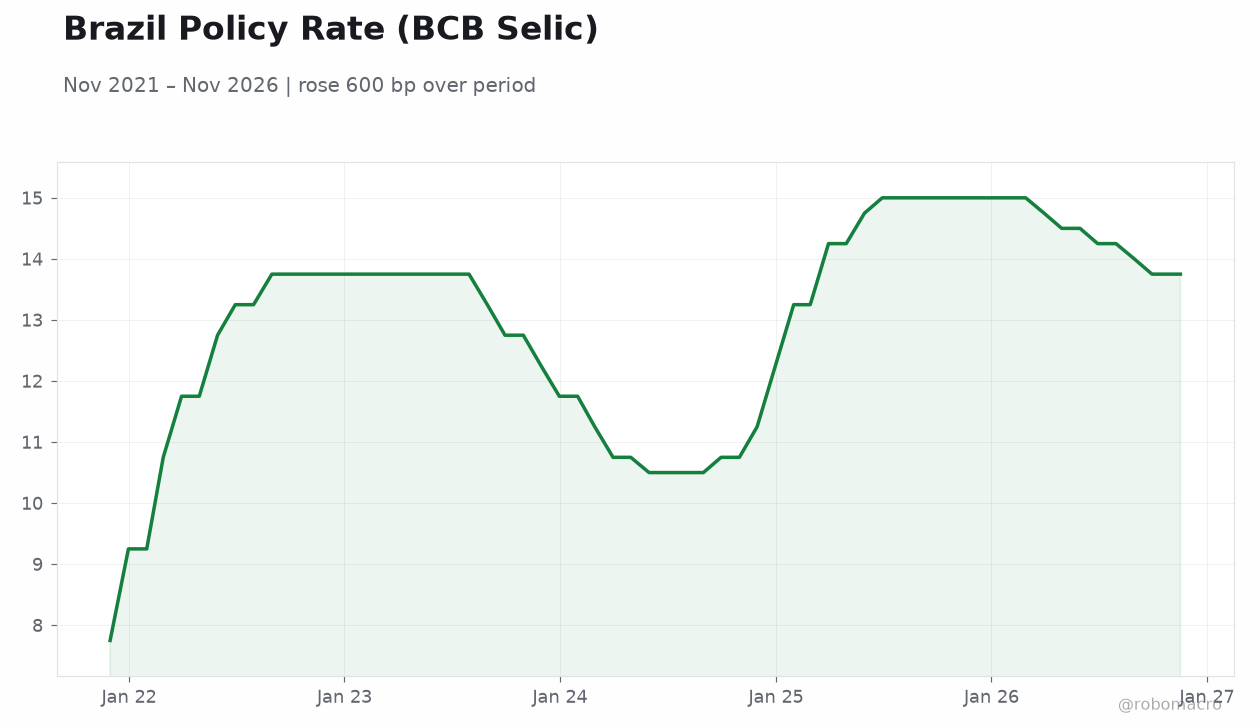
The calendar is empty for November 19, with no scheduled Brazilian data releases, leaving markets to digest yesterday's fiscal developments and the sharp move in local rates. Attention will remain on the real, which has weakened past 5.85, and on whether the BCB signals concern over currency pass-through at its next meeting on December 9. With no domestic catalysts, external drivers — particularly commodity prices and global risk appetite — will likely set the tone for the Bovespa and local yields.
Traders will also watch for any follow-through in the 5-year sector, which led yesterday's steepening.
Other Economic Notes
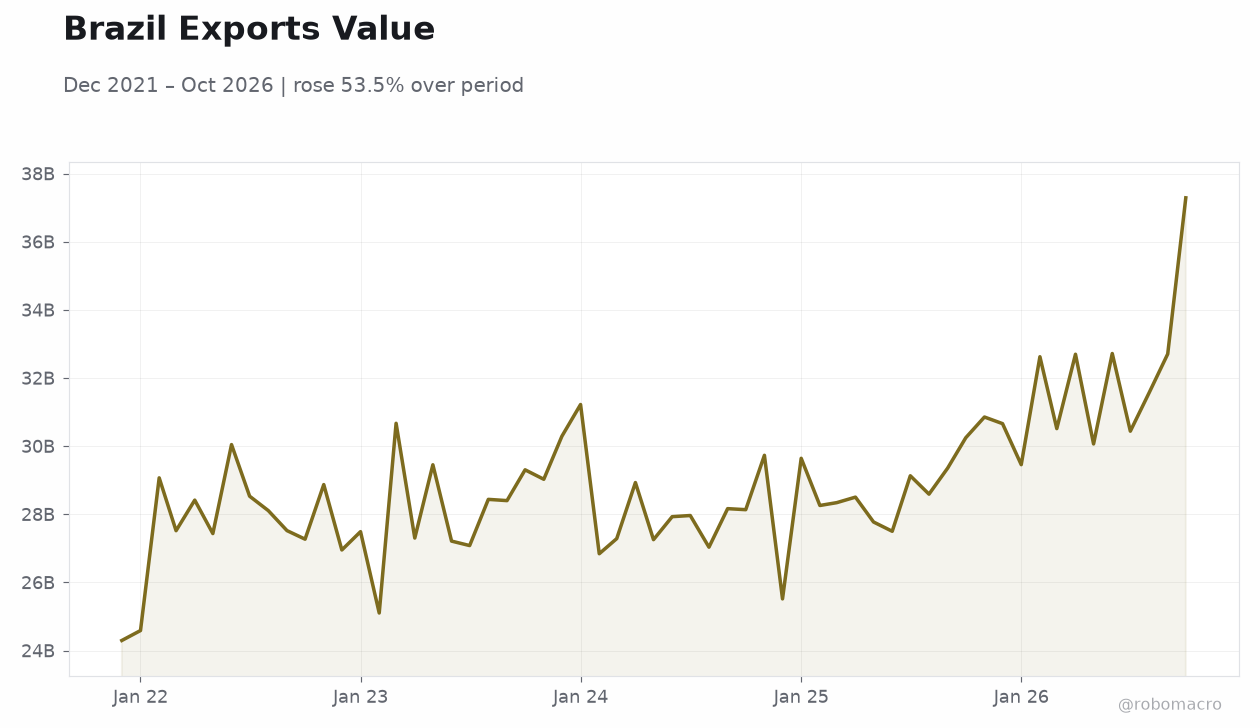
The fiscal picture remains the dominant macro theme, with the Senate's approval of the $10 billion package adding to concerns about the trajectory of public debt. The pension cost projection of R$379bn without reform underscores the structural spending pressures that limit the scope for meaningful consolidation. Brazil's trade agenda saw a modest positive with simplified cosmetics export rules to Latin America, though the macro impact is marginal.
CPI at 4.63% year-over-year remains above the BCB's tolerance midpoint, complicating the disinflation narrative as the real weakens. The combination of elevated inflation and fiscal expansion argues against aggressive easing ahead.