Emerging Europe Macro Daily(Beta Mode)
Hungary Yields Slide, Poland ETF Climbs
Market Snapshot
| Asset | Level | Change |
|---|---|---|
| BIST 100 | 14,092.00 | -1.60% |
| iShares Poland | 40.78 | +1.54% |
| EUR/PLN | 4.32 | -0.13% |
| EUR/HUF | 357.79 | -0.08% |
| EUR/CZK | 24.23 | -0.12% |
| USD/TRY | 47.02 | +0.00% |
| Brent Crude | 85.31 | +0.68% |
| Gold | 4,035.50 | -0.63% |
| Bitcoin | 64,893.12 | +4.26% |
| Poland 10Y Govt Yield | 5.74% | +2.87% |
| Hungary 10Y Govt Yield | 5.65% | -9.89% |
Prior Economic Events
| Data | Prior | Cons | Actual |
|---|---|---|---|
| No events available | |||
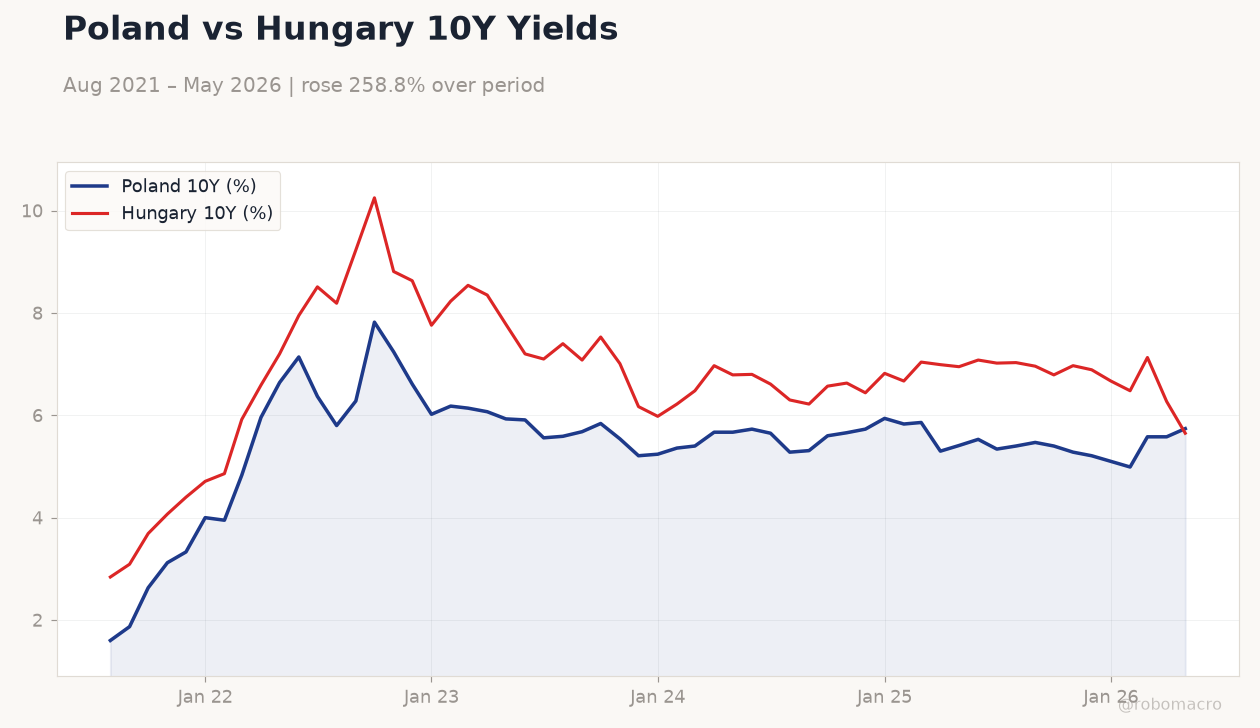 Poland vs Hungary 10Y Yields | Type: macro_line | Poland 10Y (%): 5.74 (2026-05-01) | Range: 1.6–7.82 | Trend(6pt): 1.6,7.82,5.21,5.83,5.58,5.74 | Hungary 10Y (%): 5.65 (2026-05-01) | Range: 2.84–10.25 | Trend(6pt): 2.84,10.25,6.17,6.67,6.27,5.65
Today's Economic Events
| Data | Prior | Cons | Time |
|---|---|---|---|
| No events available | |||
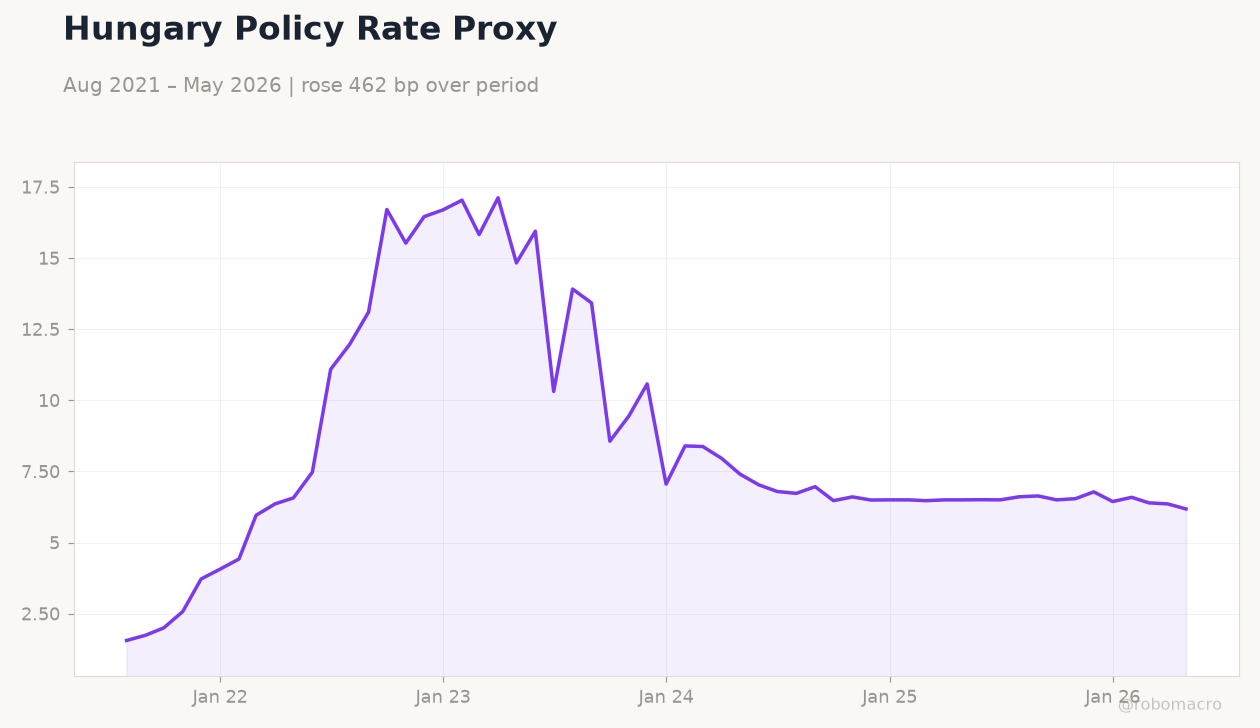
- Hungary 10-year yields fell 9.89% to 5.65% after retail bond rate cuts, easing borrowing costs.
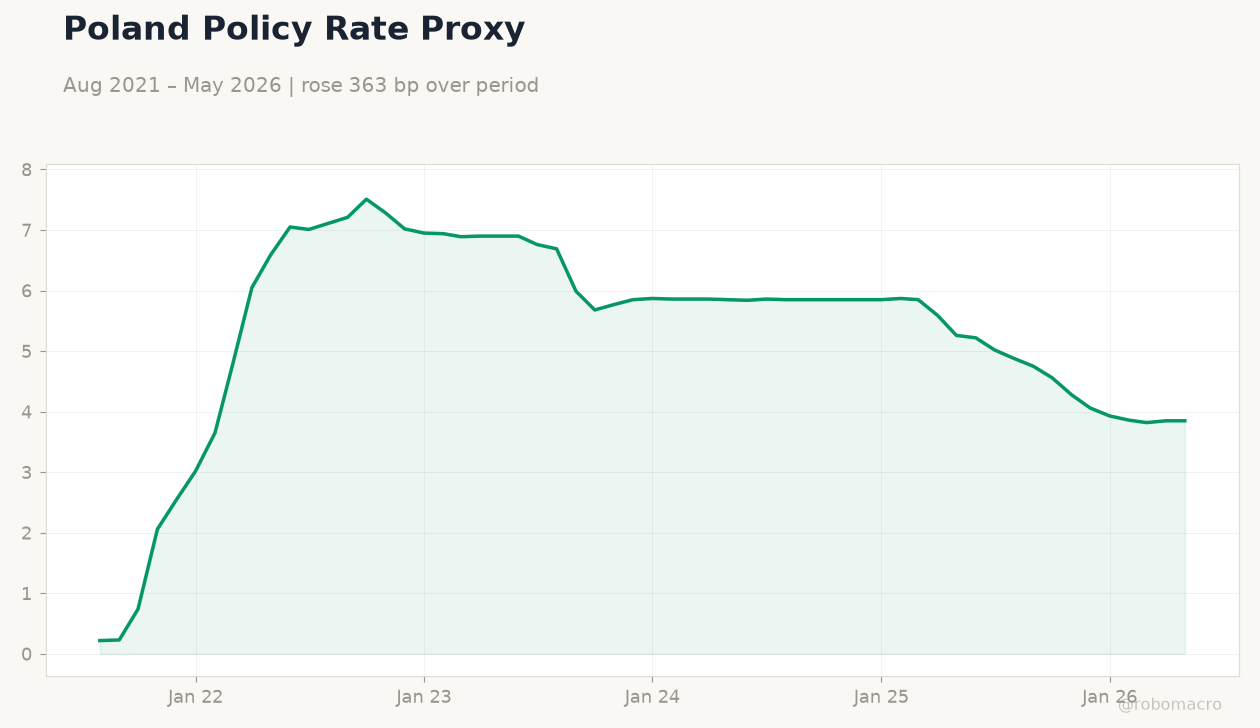
- Poland's iShares ETF rose 1.54% to 40.78 while EUR/PLN eased 0.13% to 4.32 amid stable NBP stance.
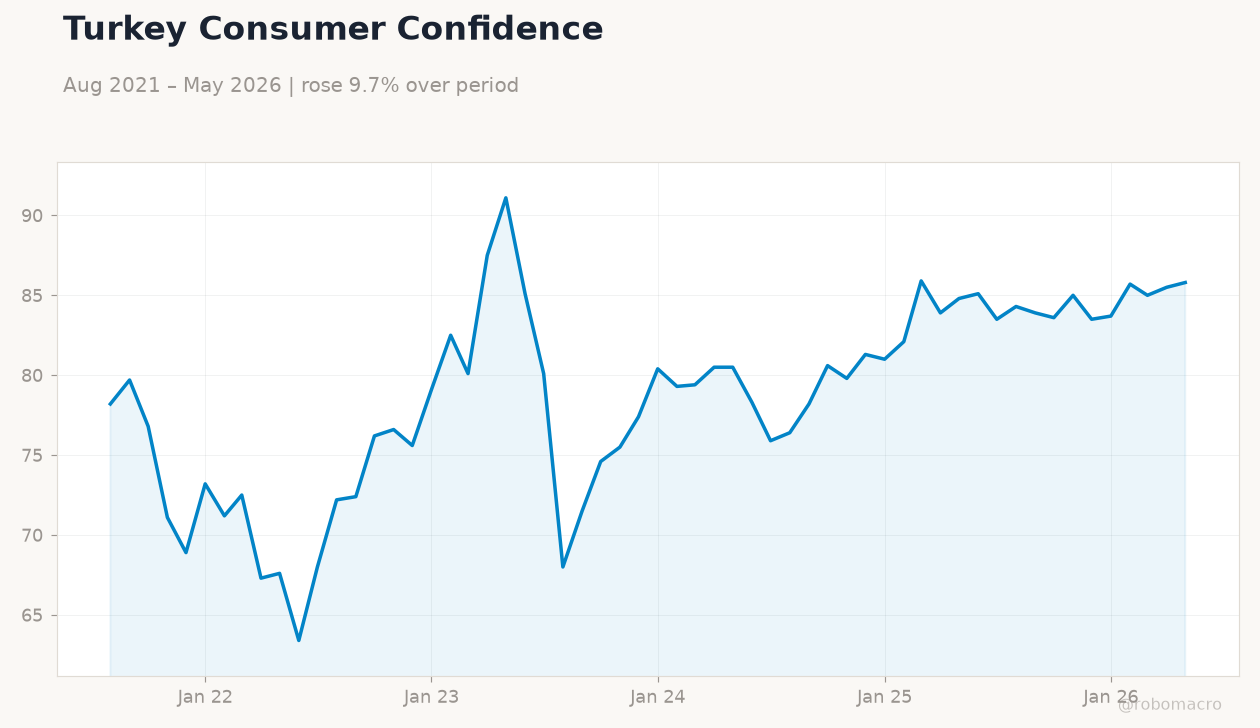
- BIST 100 dropped 1.60% to 14,092 as Turkish assets faced pressure from persistent inflation differentials.
Yesterday's Recap
Regional equity markets showed divergence on July 14. Hungary's 10-year government yield dropped sharply to 5.65% after the debt manager reduced rates on retail bonds, reflecting lower market yields and giving room to contain household borrowing costs without losing attractiveness. Poland's iShares Poland ETF advanced 1.54% to 40.78 while EUR/PLN declined 0.13% to 4.32, supported by steady real wage growth above 8% y/y that keeps the NBP on hold.
The BIST 100 fell 1.60% to 14,092 amid ongoing pressure on Turkish assets from structurally higher inflation. EUR/HUF eased 0.08% to 357.79 and EUR/CZK fell 0.12% to 24.23, showing modest CEE currency resilience against the euro. Brent crude rose 0.68% to 85.31 while gold declined 0.63% to 4,035.50, with Bitcoin gaining 4.26% to 64,893.12.
Hungary's Audi plant froze wages despite record profits as part of Volkswagen group cost-cutting, highlighting labor market constraints without altering MNB policy expectations.
The Day Ahead
Markets face a quiet session with no major data releases scheduled across Poland, Czech Republic, Hungary, Romania or Turkey. Focus will remain on follow-through from Hungary's retail bond adjustments and any ECB signals that could influence CNB and MNB positioning. Poland's 10-year yield at 5.74% and Hungary's at 5.65% will be watched for further compression or reversal.
Regional FX pairs such as EUR/PLN at 4.32 and USD/TRY at 47.02 are expected to trade in narrow ranges absent fresh catalysts. Equity flows into Polish assets may persist if euro-area data remains benign, while Turkish markets continue to price in CBRT's constrained policy path.
Other Economic Notes
Energy import dependence remains a shared vulnerability for the five economies, particularly Russian gas exposure in Poland, Hungary and Romania. EU cohesion funds continue to support Romania's external financing despite a widening trade deficit, while Czech retail sales showed mild positive momentum that aligns with CNB caution. Broader wage pressures in Hungary's manufacturing sector underscore limits to growth without productivity gains.
<i>↓ p.2</i>