Emerging Europe Macro Daily(Beta Mode)
Polish Assets Outperform on Growth Resilience
Market Snapshot
| Asset | Level | Change |
|---|---|---|
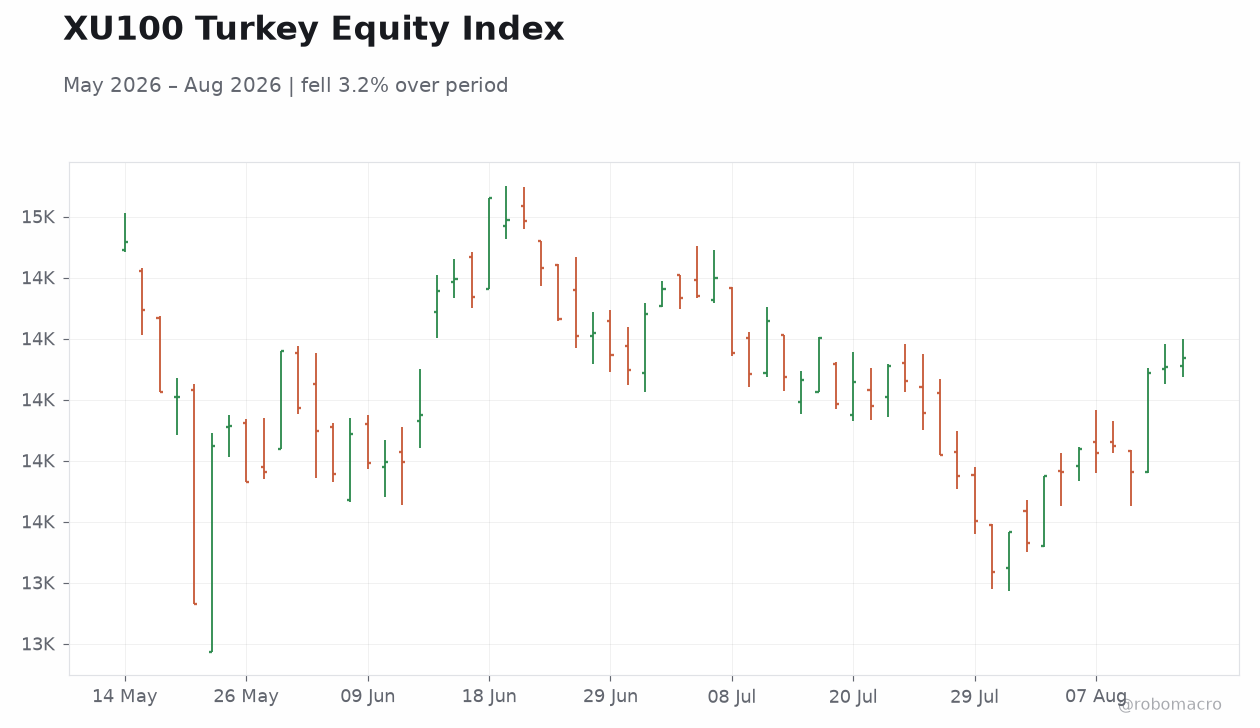
| BIST 100 | 14,172.30 | +0.28% |
| iShares Poland | 44.45 | +1.11% |
| EUR/PLN | 4.31 | +0.05% |
| EUR/HUF | 362.38 | -0.15% |
| EUR/CZK | 24.21 | +0.02% |
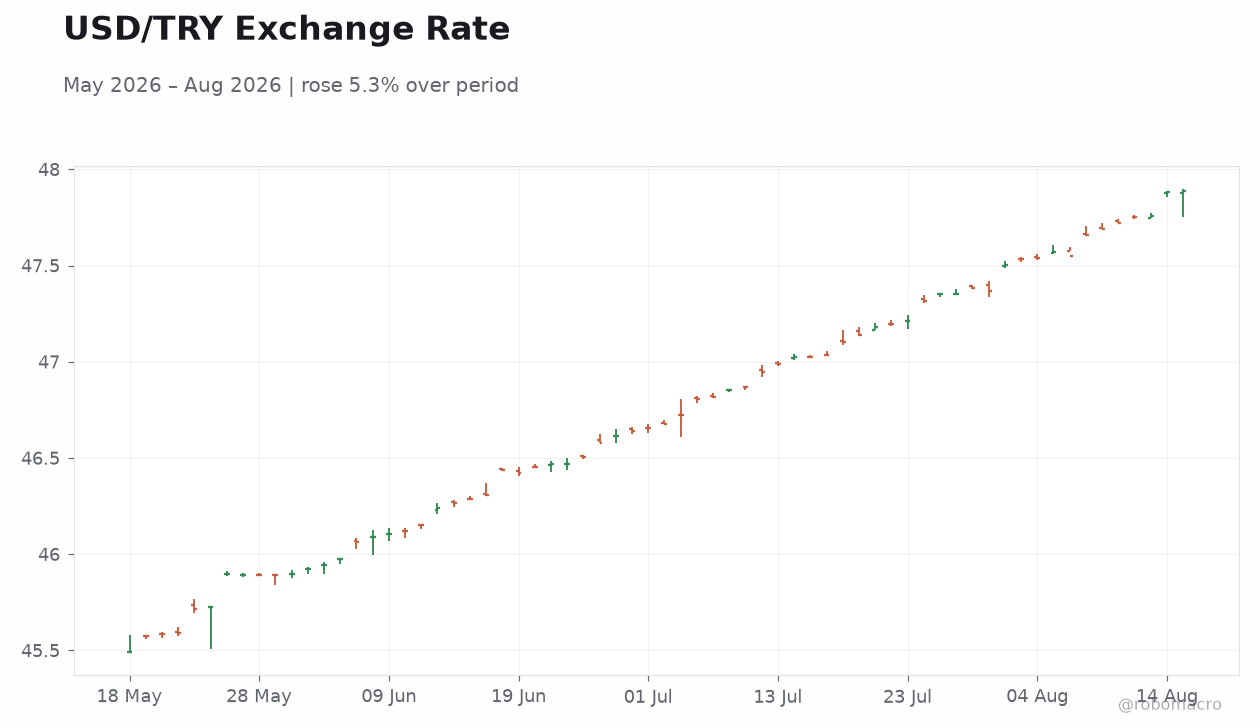
| USD/TRY | 47.88 | +0.25% |
| Brent Crude | 88.30 | -0.25% |
| Gold | 4,450.80 | +1.61% |
| Bitcoin | 63,465.76 | +0.70% |
| Poland 10Y Govt Yield | 5.51% | -4.01% |
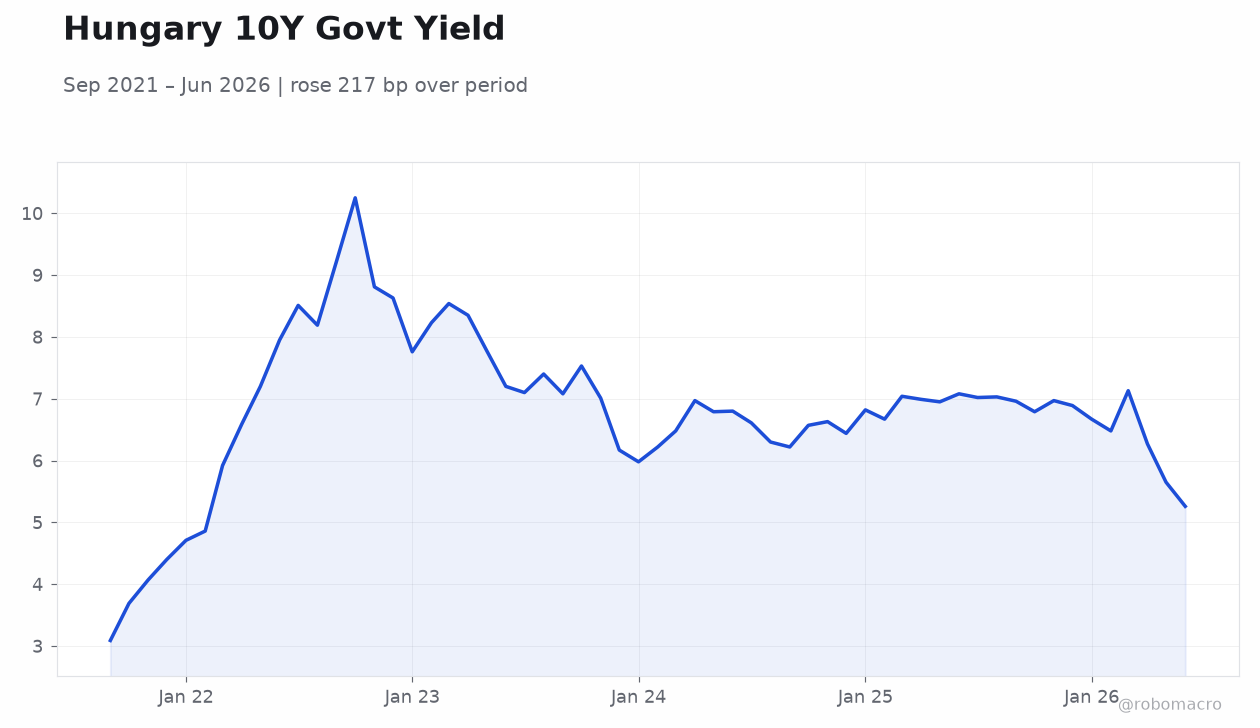
| Hungary 10Y Govt Yield | 5.26% | -6.90% |
Prior Economic Events
| Data | Prior | Cons | Actual |
|---|---|---|---|
| No events available | |||
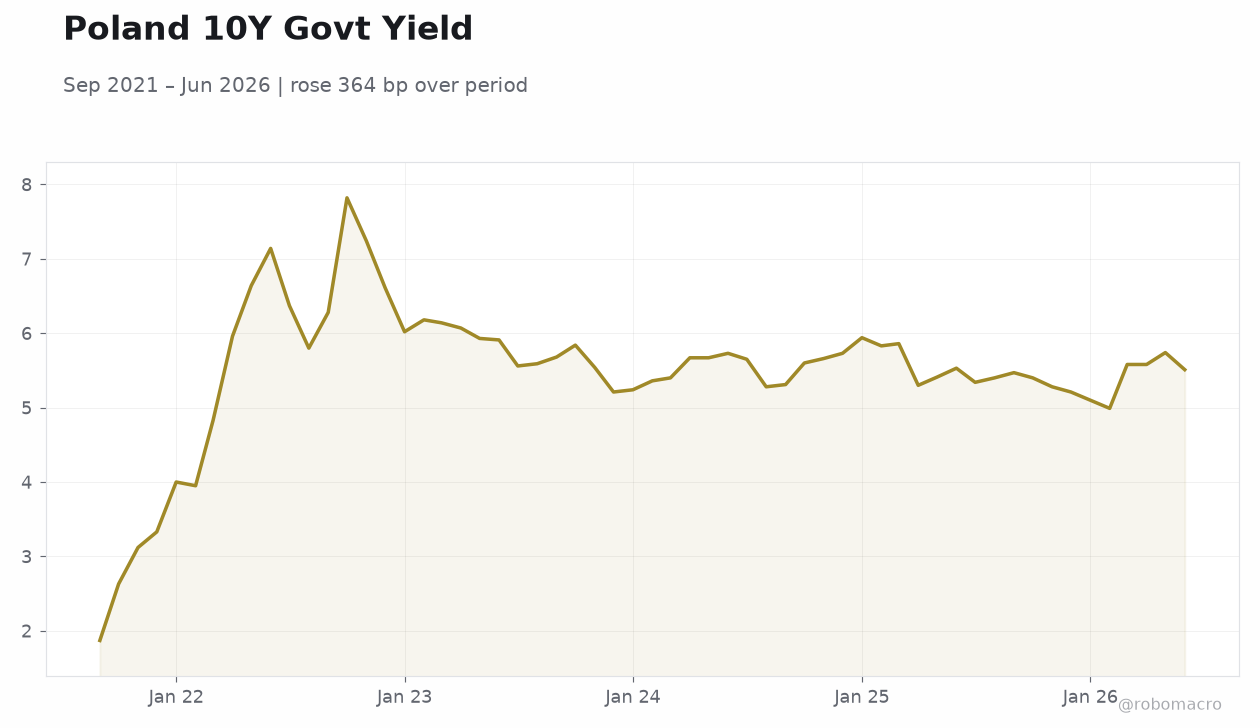 Poland 10Y Govt Yield | Type: macro_line | Yield %: 5.51 (2026-06-01) | Range: 1.87–7.82 | Trend(6pt): 1.87,7.24,5.24,5.86,5.74,5.51
Today's Economic Events
| Data | Prior | Cons | Time |
|---|---|---|---|
| Business Confidence | 102.20 | - | 23:00 |
| Consumer Confidence Index | 89.80 | - | 23:00 |
- Polish assets outperform as economy sustains momentum amid softer euro-area inflation
- Regional yields decline sharply while FX remains stable against the euro
- Turkey confidence data due this week; CBRT stays on hold amid elevated inflation
Yesterday's Recap
Polish equities advanced with the iShares Poland ETF gaining 1.11% to 44.45, reflecting continued economic resilience highlighted in recent reports. The BIST 100 rose 0.28% to 14,172.30 despite lira pressure. EUR/PLN held near 4.31 while EUR/HUF eased 0.15% to 362.38.
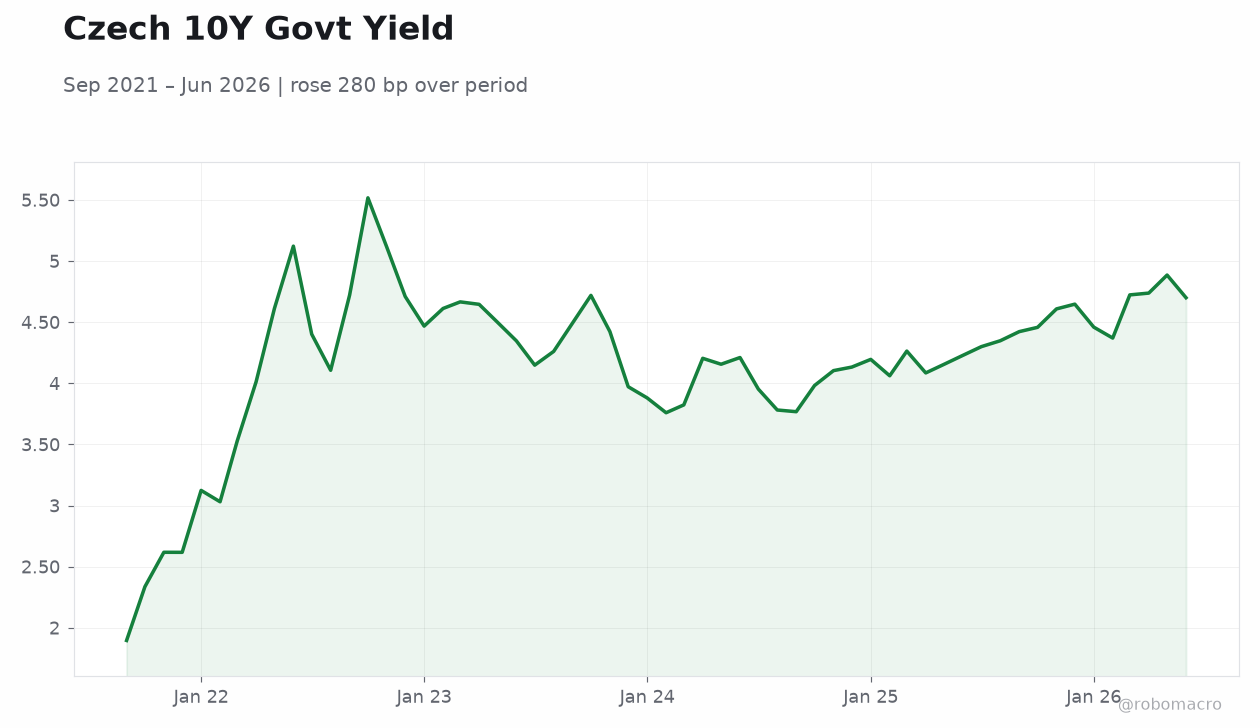
Poland and Hungary 10-year yields fell 4.01% and 6.90% respectively, signaling improved sentiment. News flow centered on Poland’s sustained growth streak and Tusk’s defense plans, with inflation in Poland and Czechia bucking the broader euro-area easing trend. No major data releases occurred across the region on 16 August.
Turkey’s USD/TRY climbed 0.25% to 47.88 amid ongoing lira weakness. Brent crude eased 0.25% to 88.30 while gold rose 1.61% to 4,450.80, offering mixed external signals for import-dependent economies.
The Day Ahead
Turkey will release Business Confidence and Consumer Confidence Index readings on 20 August, with markets watching for signs of stabilization after recent high inflation prints. Polish Q2 GDP flash estimates are expected soon and markets anticipate around 3.4% y/y growth. Hungary and Romania have no major releases scheduled, leaving focus on external drivers.
Regional bond auctions may draw attention if EU fund disbursement talks advance. Traders will also monitor any ECB signals that could influence CNB and MNB positioning. Euro-area unemployment at 6.30% and CPI at 2.90% y/y continue to frame a benign backdrop for CEE exports.
Other Economic Notes
Poland’s economy continues to lead CEE performance, supported by domestic demand and EU fund inflows despite rule-of-law delays. Inflation in Poland and Czechia remains stickier than the euro-area average, complicating convergence paths toward euro adoption. Hungary faces ongoing cohesion-fund holdups that could weigh on fiscal space and forint stability.
Energy import dependence remains a shared vulnerability across the EU members, though LNG diversification has progressed. Turkey’s structurally higher inflation keeps CBRT policy distinct from the rest of the region. Euro-adoption convergence criteria remain challenged by persistent inflation differentials in Poland and Czechia.