NBP Turmoil Clouds Rate-Setting; Forint in Focus
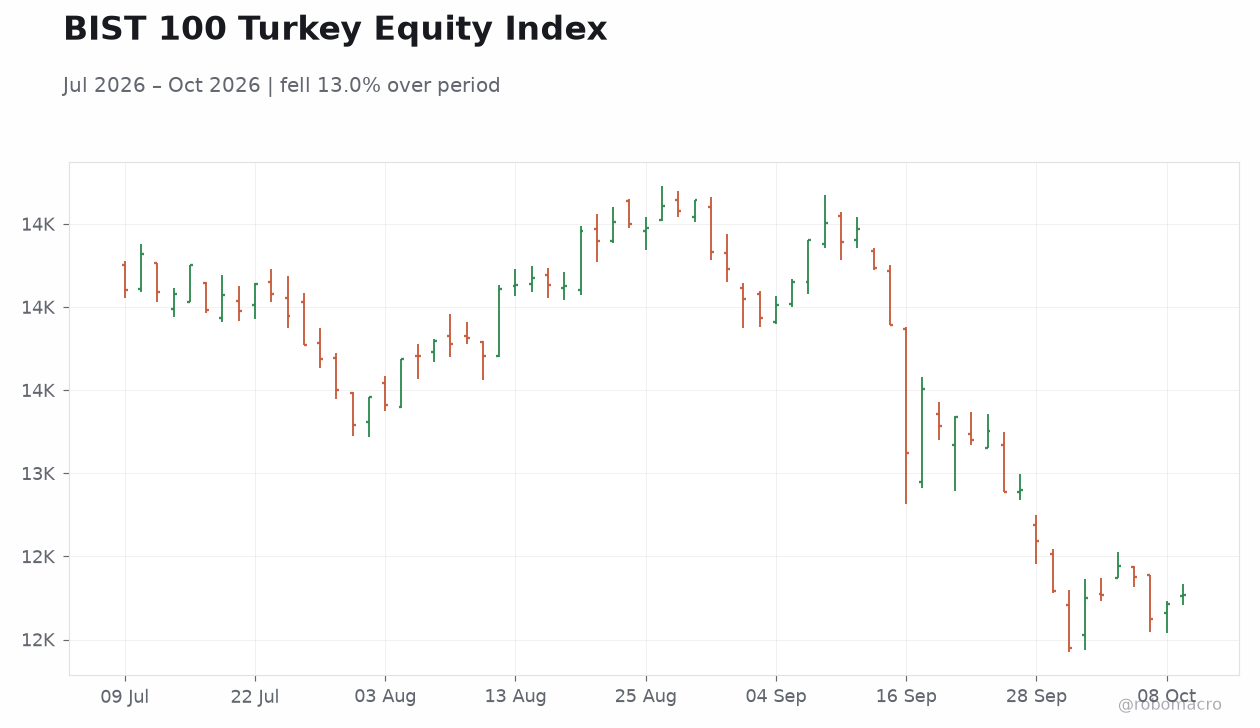
BIST 10012,266.00+0.43%
iShares Poland43.82+0.87%
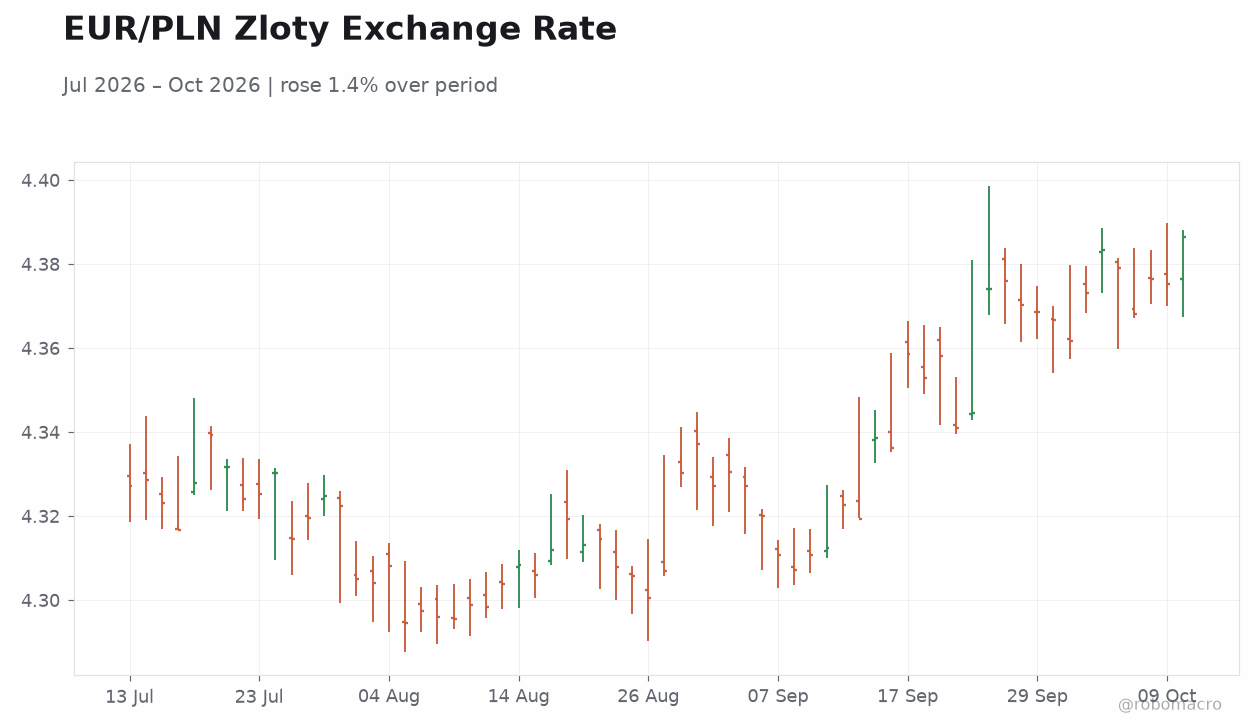
EUR/PLN4.39+0.26%
EUR/HUF364.62-0.04%
Market Snapshot
| Asset | Level | Change |
|---|
| BIST 100 | 12,266.00 | +0.43% |
| iShares Poland | 43.82 | +0.87% |
| EUR/PLN | 4.39 | +0.26% |
| EUR/HUF | 364.62 | -0.04% |
| EUR/CZK | 24.37 | +0.03% |
| USD/TRY | 49.31 | -0.01% |
| Brent Crude | 103.50 | -1.17% |
| Gold | 4,218.60 | +0.05% |
| Bitcoin | 84,109.16 | +1.44% |
| Poland 10Y Govt Yield | - | - |
| Hungary 10Y Govt Yield | - | - |
Prior Economic Events
| Data |
Prior |
Cons |
Actual |
| No events available |
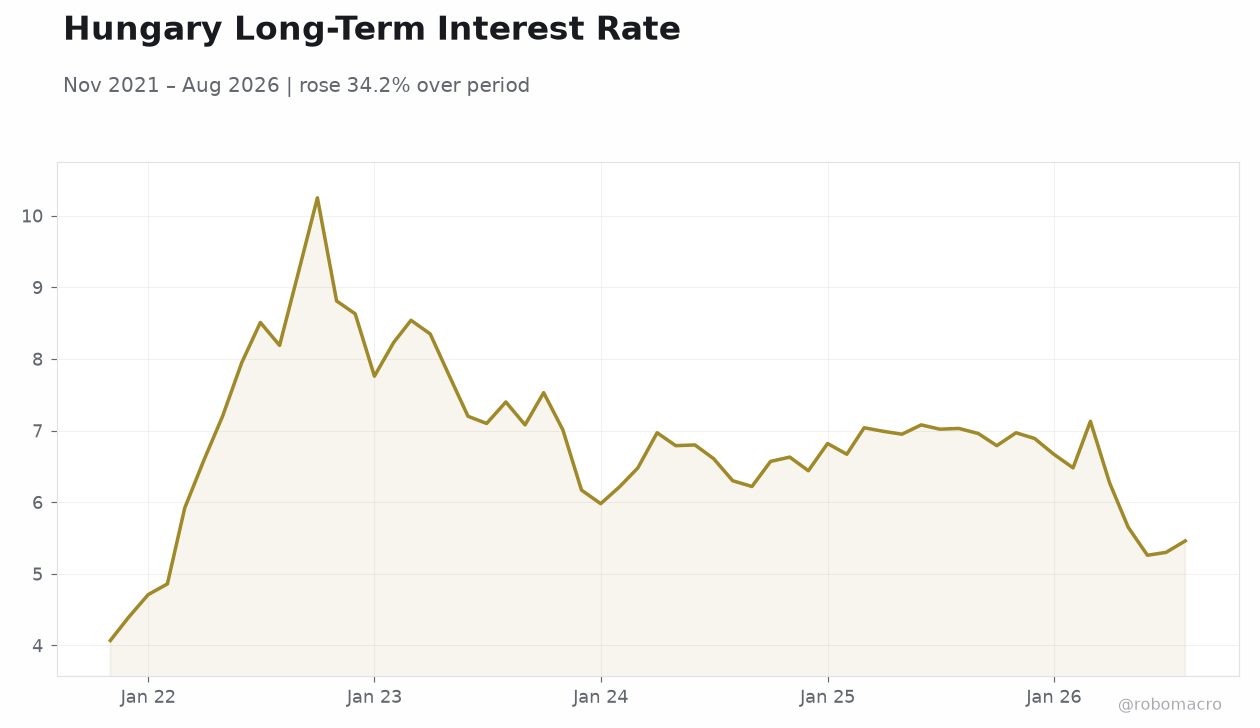 Hungary Long-Term Interest Rate | Type: macro_line | Hungary 10Y Yield (%): 5.46 (2026-08-01) | Range: 4.07–10.25 | Trend(6pt): 4.07,7.76,6.48,6.95,5.3,5.46
Today's Economic Events
| Data |
Prior |
Cons |
Time |
| No events available |
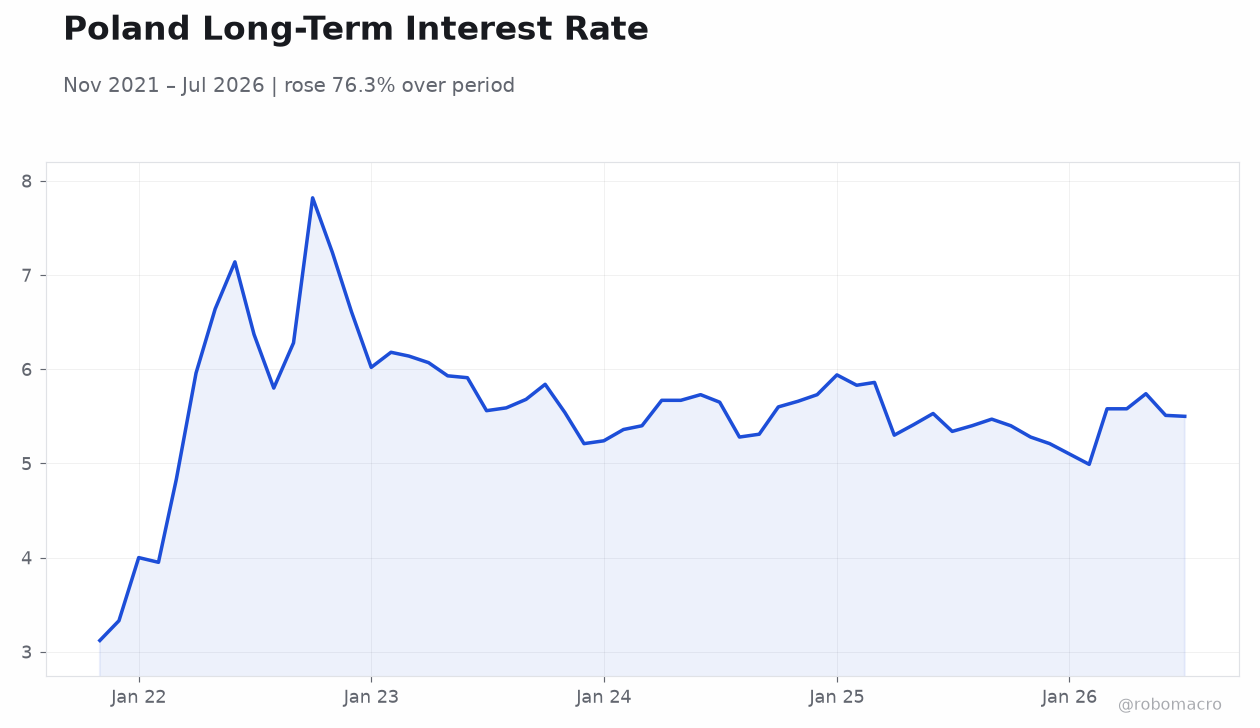
- Poland's central bank turmoil puts the spotlight on how rates are set, clouding the outlook for NBP policy
- Hungary's Magyar says significant deficit cuts needed for the euro path
- BIST 100 gains 0.43% to 12,266; iShares Poland ETF up 0.87% as zloty eases
Yesterday's Recap
Emerging Europe markets ended last week on a constructive note, with the BIST 100 adding 0.43% to close at 12,266.00 and the iShares Poland ETF outperforming with a 0.87% gain to 43.82. In FX, the zloty was the notable mover, with EUR/PLN rising 0.26% to 4.39 — a modest weakening of the Polish currency that came amid mounting political scrutiny of the National Bank of Poland. The forint was essentially flat, with EUR/HUF slipping 0.04% to 364.62, while the koruna held steady at 24.37 against the euro, up just 0.03%.
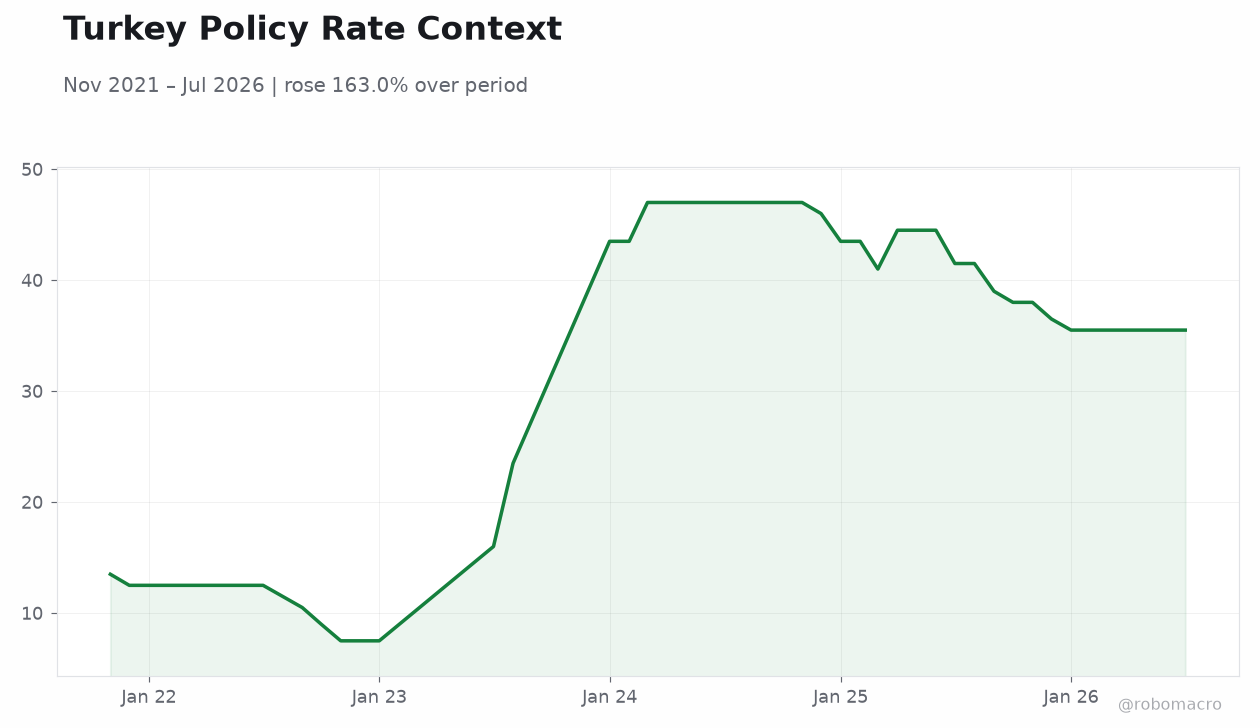
USD/TRY was essentially unchanged at 49.31, dipping 0.01% in a quiet session for the lira. The dominant story in Poland remains the governance turmoil at the NBP, which has put the integrity of the rate-setting process under the spotlight and clouds the policy outlook. In Hungary, attention shifted to fiscal consolidation after the incoming government under Peter Magyar declared that a significant narrowing of the budget deficit is required to put debt sustainability — and euro adoption — back on track.
Elsewhere, Polish Foreign Minister Radoslaw Sikorski warned that NATO should prepare for possible casualties from Russian hybrid attacks on European soil, underscoring the security backdrop weighing on the region. There were no major macro data prints from the region to close out the week, leaving price action and political headlines to drive sentiment.
The Day Ahead
The calendar is light to start the week, with no major scheduled macro releases from Poland, Czechia, Hungary, Romania or Turkey. That leaves the floor open for political and policy headlines to dominate, particularly any further developments in the governance dispute at Poland's central bank. In Hungary, watch for additional detail on the incoming government's fiscal plans after Magyar's comments on the deficit path required for euro candidacy.
Turkish markets will track the lira and local rates for any signals on CBRT thinking early in the week. With no data to anchor positioning, regional FX crosses against the euro may take their cue from broader euro-area sentiment and energy prices. Any news on EU fund disbursements to Poland and Hungary would also be market-moving given the fiscal stakes.
Page 1
Never miss an issue
Subscribe to Emerging Europe Macro Daily and get each new issue delivered to your inbox.
Already a member? Visit robomacro.com
to log in and manage subscriptions, or use Forgot Password to set a password.