| Asset | Level | Change |
|---|---|---|
| Saudi Aramco | 26.14 | +0.38% |
| MSCI Saudi | 38.22 | -0.03% |
| MSCI UAE | 19.89 | +1.27% |
| MSCI Qatar | 17.32 | +0.40% |
| MSCI Kuwait | 37.74 | +0.27% |
| Brent Crude | 107.62 | +2.88% |
| WTI Crude | 102.97 | +2.92% |
| Gold | 4,374.50 | +0.19% |
| USD/SAR | 3.75 | +3.10% |
| USD/AED | 3.67 | +0.03% |
| USD/KWD | 0.31 | -0.44% |
| Bitcoin | 77,731.15 | +0.60% |
| Data | Prior | Cons | Actual |
|---|---|---|---|
| No events available | |||
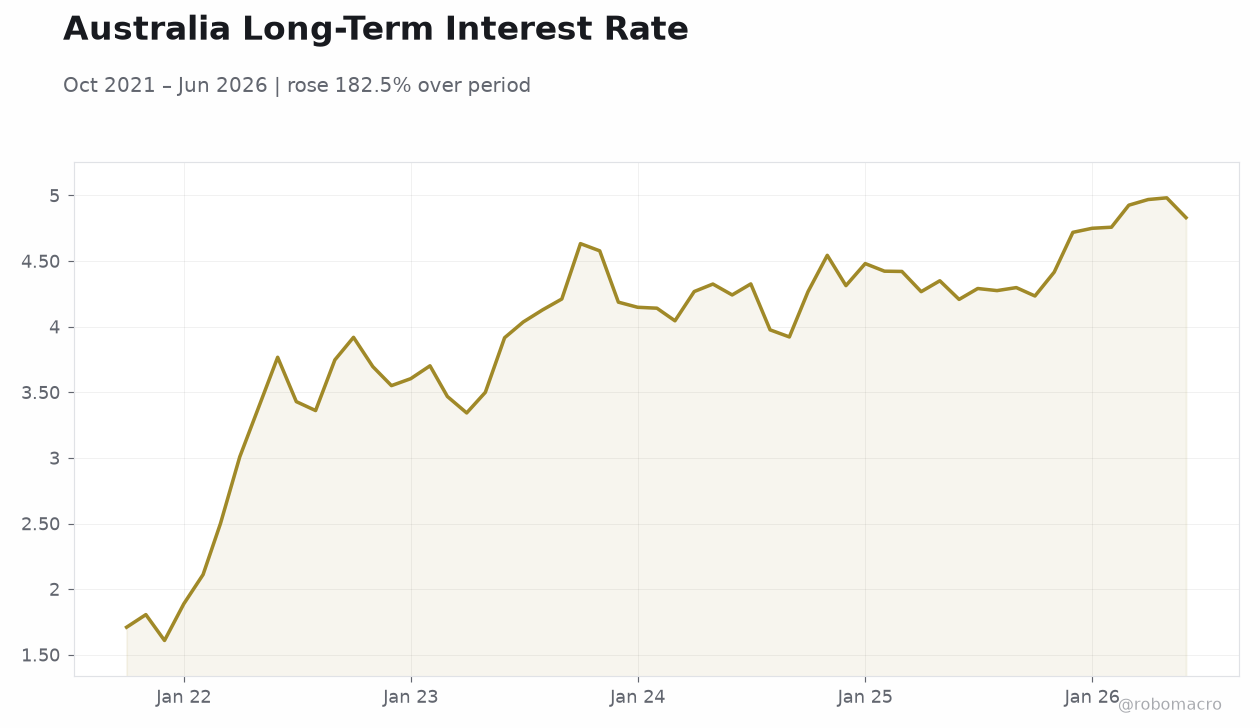
Australia Long-Term Interest Rate | Type: macro_line | Percent: 4.831 (2026-06-01) | Range: 1.609–4.982 | Trend(5pt): 1.71,3.551,4.141,4.267,4.831
| Data | Prior | Cons | Time |
|---|---|---|---|
| No events available | |||
Saudi Arabia shut its key East-West oil pipeline after drones launched from Iraq struck the facility, with reports indicating potential loss of up to 4% of global supply. Iraq removed a military commander and launched an investigation into the attack originating near the Iranian border. Houthis claimed Saudi forces conducted over 50 strikes against their positions in response.
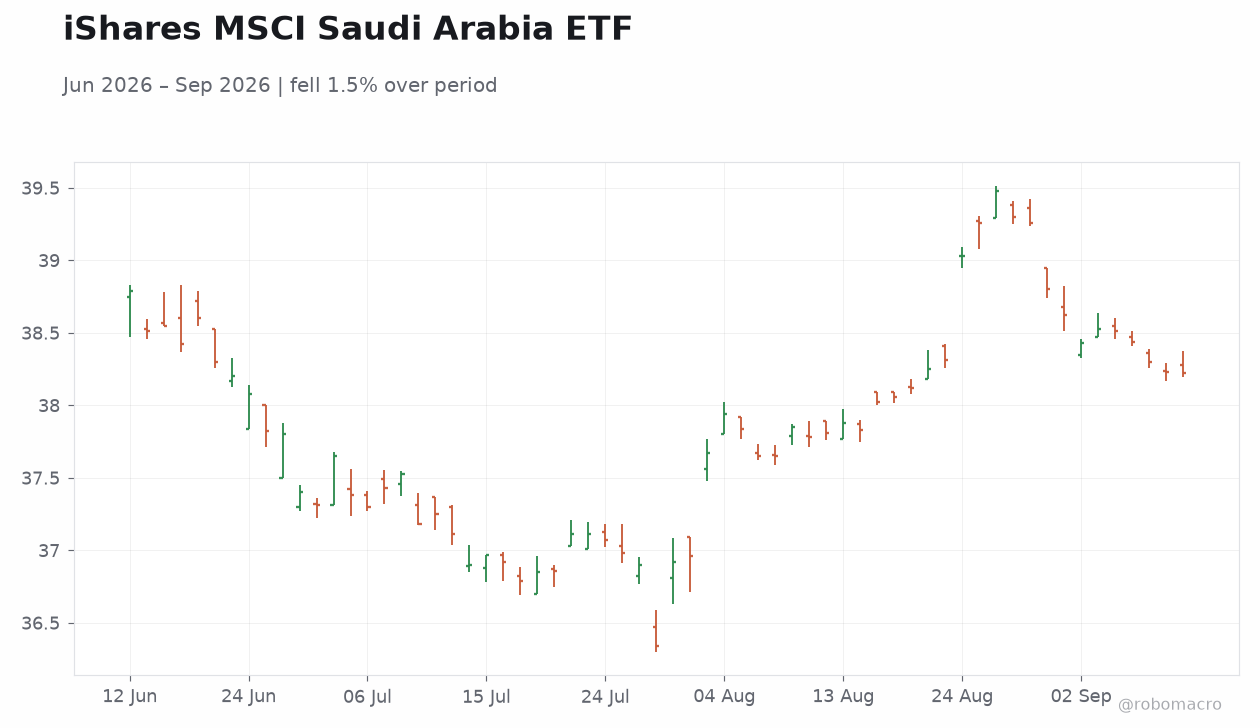
Aramco’s CEO warned of tighter oil markets and persistent Red Sea risks. Regional equities showed mixed performance, with MSCI UAE advancing 1.27% to 19.89 while MSCI Saudi slipped 0.03%. Brent crude jumped 2.88% to 107.62 and WTI rose 2.92% to 102.97 on supply disruption fears.
No PMI, CPI, or other macro releases occurred across Saudi Arabia, UAE, Qatar, Kuwait, Oman, or Bahrain. Saudi Aramco closed at 26.14 after a 0.38% gain. MSCI Qatar rose 0.40% to 17.32 and MSCI Kuwait added 0.27% to 37.74.
Gold edged 0.19% higher to 4,374.50. USD/SAR climbed 3.10% to 3.75 while USD/AED gained 0.03% to 3.67 and USD/KWD fell 0.44% to 0.31. Bitcoin advanced 0.60% to 77,731.15.
Multiple countries and regional organizations condemned the pipeline attacks. Pakistan stated it has no plans for military action over the incidents.
Markets will monitor follow-up statements from Saudi authorities on pipeline repairs and any escalation in Houthi-related strikes. Regional investors await updates on OPEC+ compliance amid the supply shock. UAE and Saudi equity flows may respond to sustained oil prices above 107.
No official data releases are scheduled for any GCC member. Traders will track interbank rates and FX reserve commentary from SAMA and CBUAE. Broader sentiment hinges on diplomatic signals regarding Strait of Hormuz access.
Elevated crude levels should continue supporting energy-linked equities across the region while keeping attention on logistics risks in the Red Sea.
Subscribe to GCC Macro Daily and get each new issue delivered to your inbox.
Already a member? Visit robomacro.com to log in and manage subscriptions, or use Forgot Password to set a password.
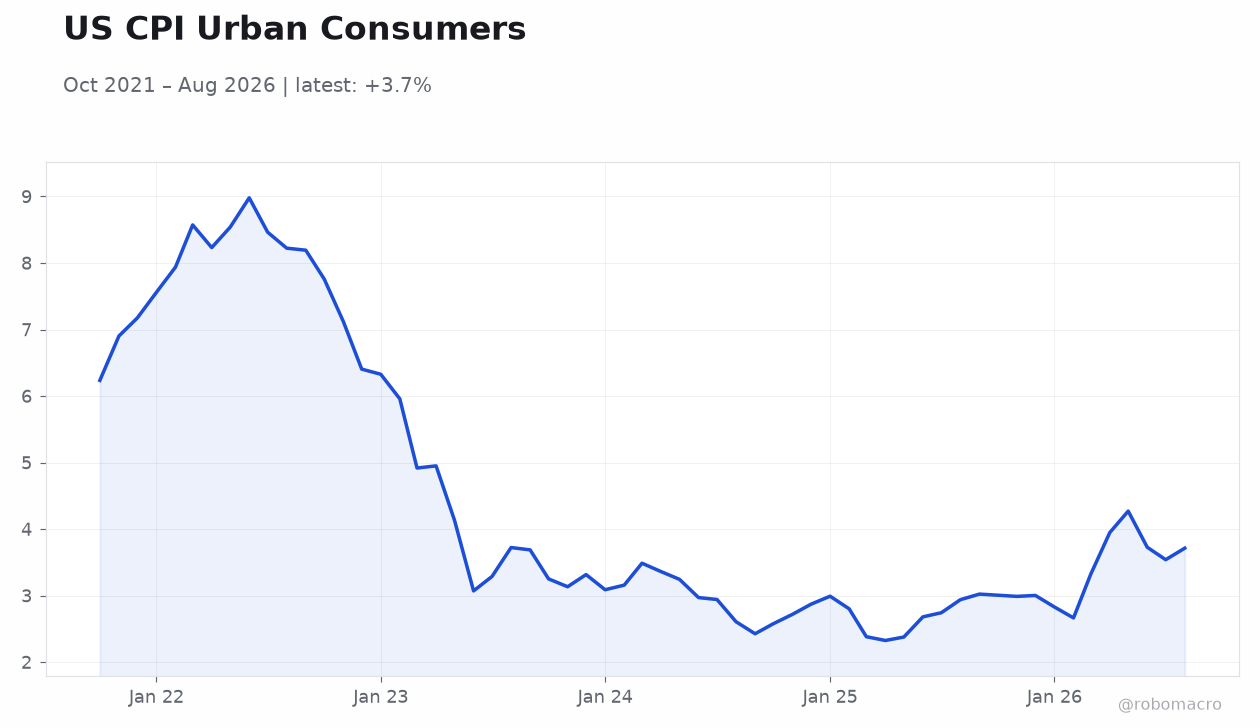
US CPI Urban Consumers | Type: macro_line | Index: 3.713 (2026-08-01) | Range: 2.325–8.979 | Trend(6pt): 6.235,6.405,3.157,2.325,3.54,3.713
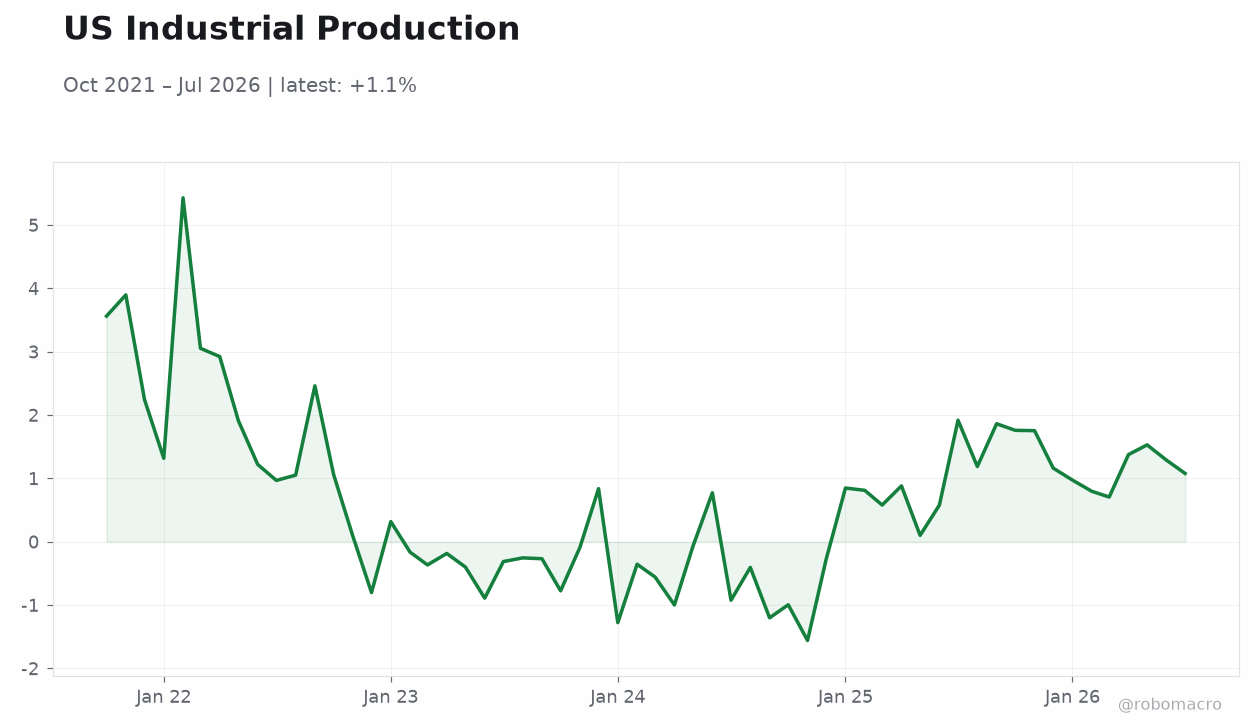
US Industrial Production | Type: macro_line | Index: 1.079 (2026-07-01) | Range: -1.558–5.43 | Trend(6pt): 3.563,-0.8016,-0.3543,0.8824,1.289,1.079
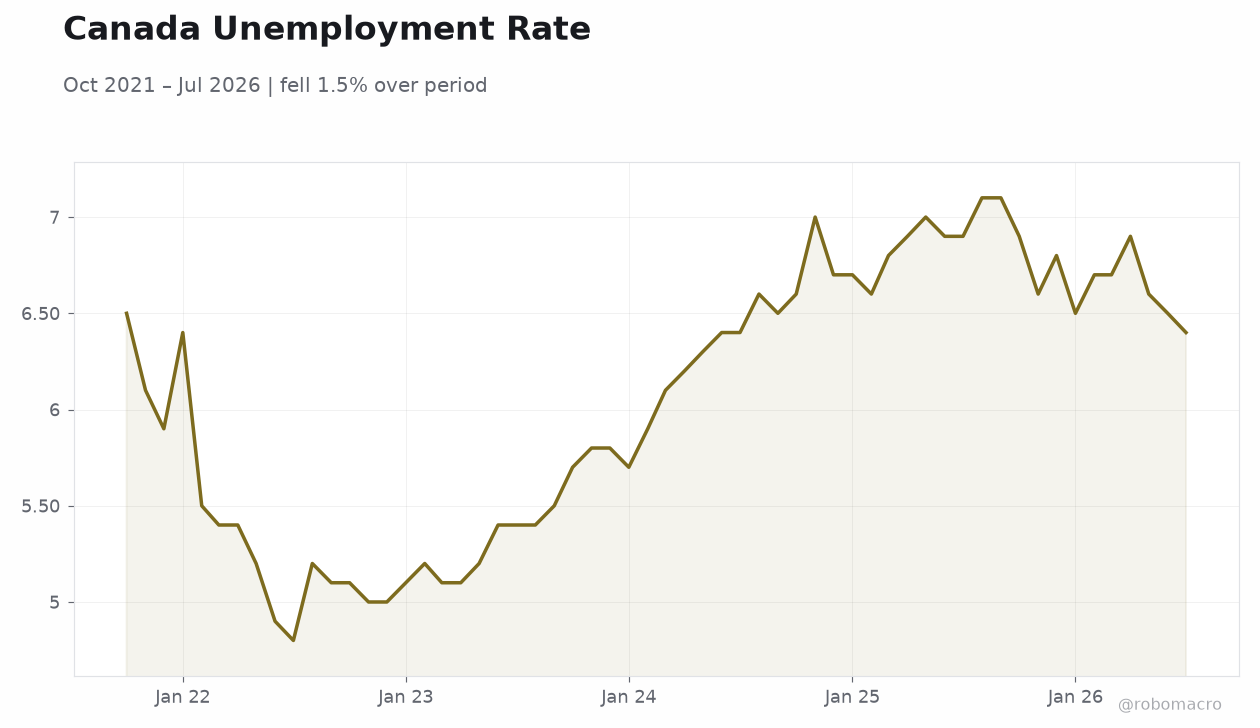
Canada Unemployment Rate | Type: macro_line | Percent: 6.4 (2026-07-01) | Range: 4.8–7.1 | Trend(6pt): 6.5,5,5.9,6.9,6.5,6.4
iShares MSCI Saudi Arabia ETF | Type: market_hloc | Price: 38.22 (2026-09-11) | Range: 36.34–39.48 | Trend(6pt): 38.79,37.43,36.9,38.06,38.3,38.22
Elevated oil prices directly bolster fiscal balances in Saudi Arabia and UAE through higher export revenues. Aramco’s outlook reinforces the importance of non-oil diversification under Vision 2030 and UAE 2050 programs. Sovereign credit spreads across the GCC should remain supported by strong energy income despite security risks.
Kuwait and Oman face similar revenue gains but continue gradual fiscal reforms. Regional equity valuations, particularly in energy-linked names, reflect the immediate supply premium. The absence of fresh inflation or growth data leaves fiscal and external balance metrics as the primary focus for rating agencies and investors.
Global energy markets reacted sharply to Persian Gulf supply concerns, with Brent and WTI posting their largest daily gains in weeks. Developing Asian nations face higher LNG costs following reduced US exports linked to regional tensions. The ECB encounters mounting pressure from rising energy prices that complicate inflation targets.
Broader trade friction and inflation concerns continue to influence capital flows into GCC assets. Oil price strength provides a positive spillover for GCC fiscal positions and sovereign reserves. Aramco’s CEO highlighted ongoing Red Sea risks that could further tighten physical markets in coming months.
All six GCC central banks maintained policy rates aligned with the Fed amid unchanged USD pegs, with Kuwait’s dinar continuing its basket reference. SAMA held its key rate steady, monitoring SAIBOR stability and FX reserve adequacy above comfortable thresholds. CBUAE kept EIBOR settings unchanged, emphasizing coordination with US policy to defend the AED peg.
QCB, CBK, CBO, and CBB similarly refrained from independent moves, citing sufficient reserves and low inflation. No divergences emerged in rate decisions across the region. Interbank liquidity remained ample, supported by elevated oil revenues.
FX reserve levels across Saudi Arabia, UAE, and Qatar continue to provide strong buffers against external shocks.