GCC Macro Daily(Beta Mode)
Houthi Strikes Heighten Oil Supply Risks
Market Snapshot
| Asset | Level | Change |
|---|---|---|
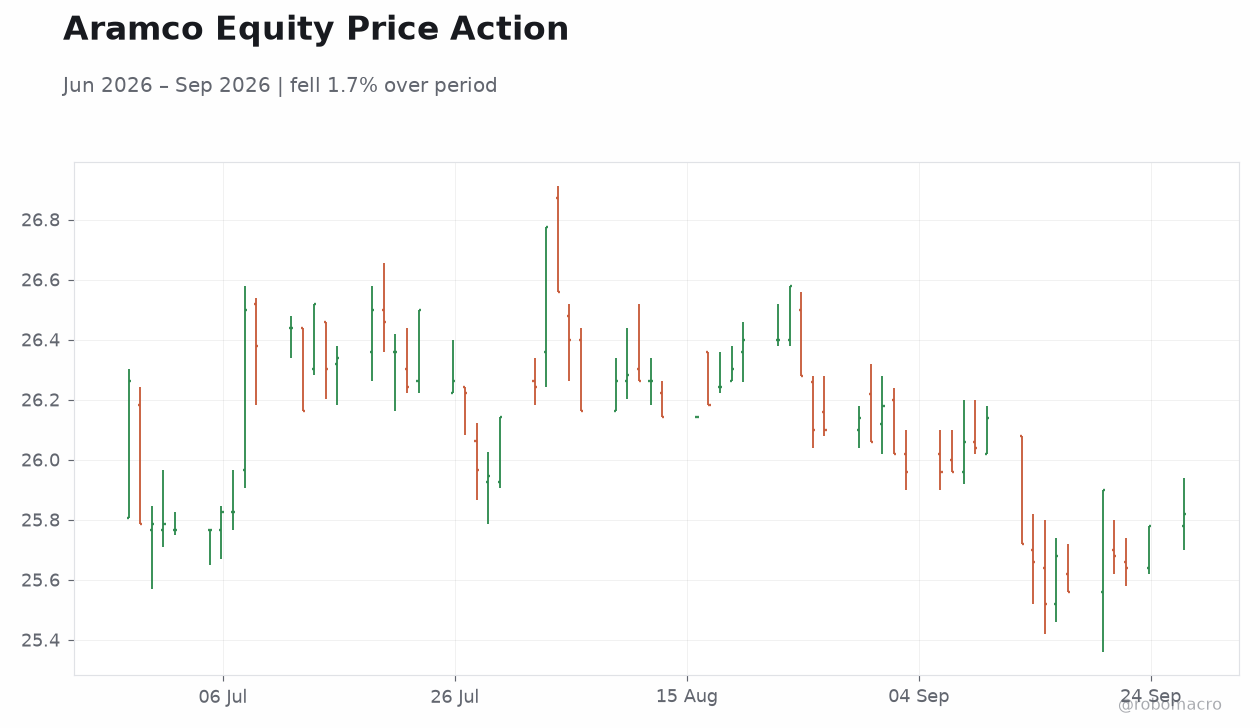
| Saudi Aramco | 25.78 | +0.55% |
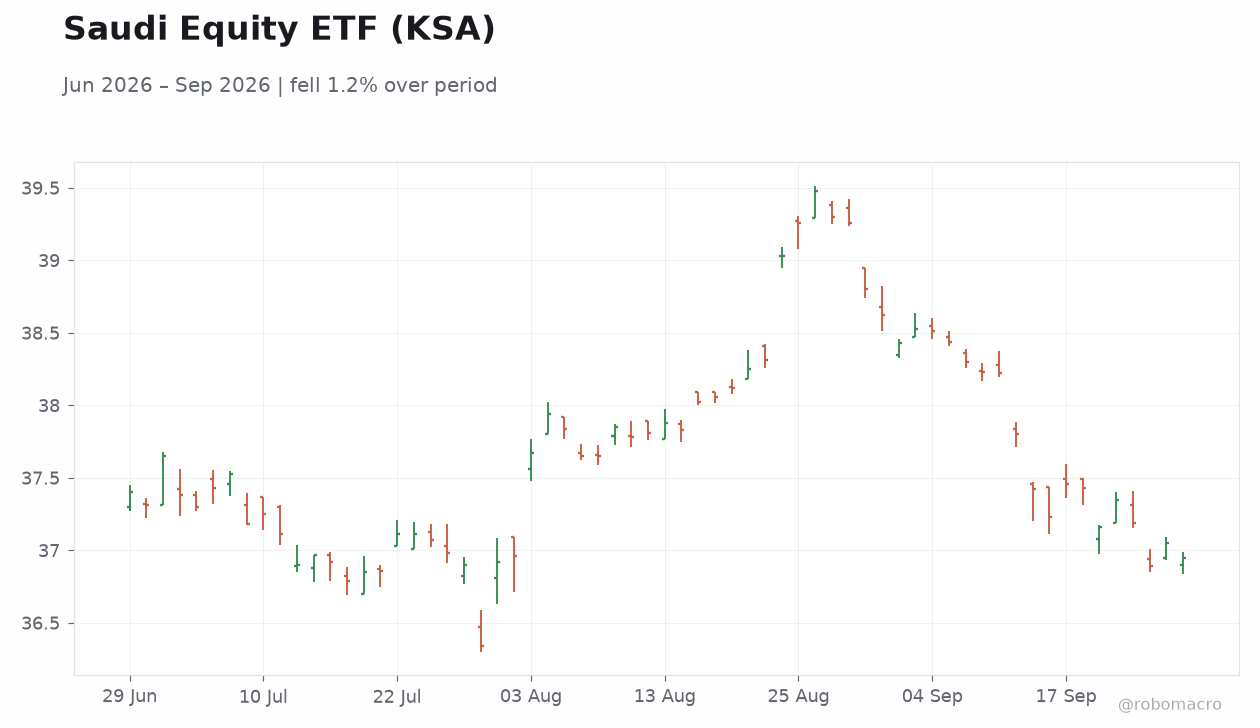
| MSCI Saudi | 37.05 | +0.43% |
| MSCI UAE | 20.24 | +0.25% |
| MSCI Qatar | 16.75 | -0.21% |
| MSCI Kuwait | 36.80 | -0.62% |
| Brent Crude | 99.39 | -4.73% |
| WTI Crude | 93.93 | +1.64% |
| Gold | 4,168.70 | -3.53% |
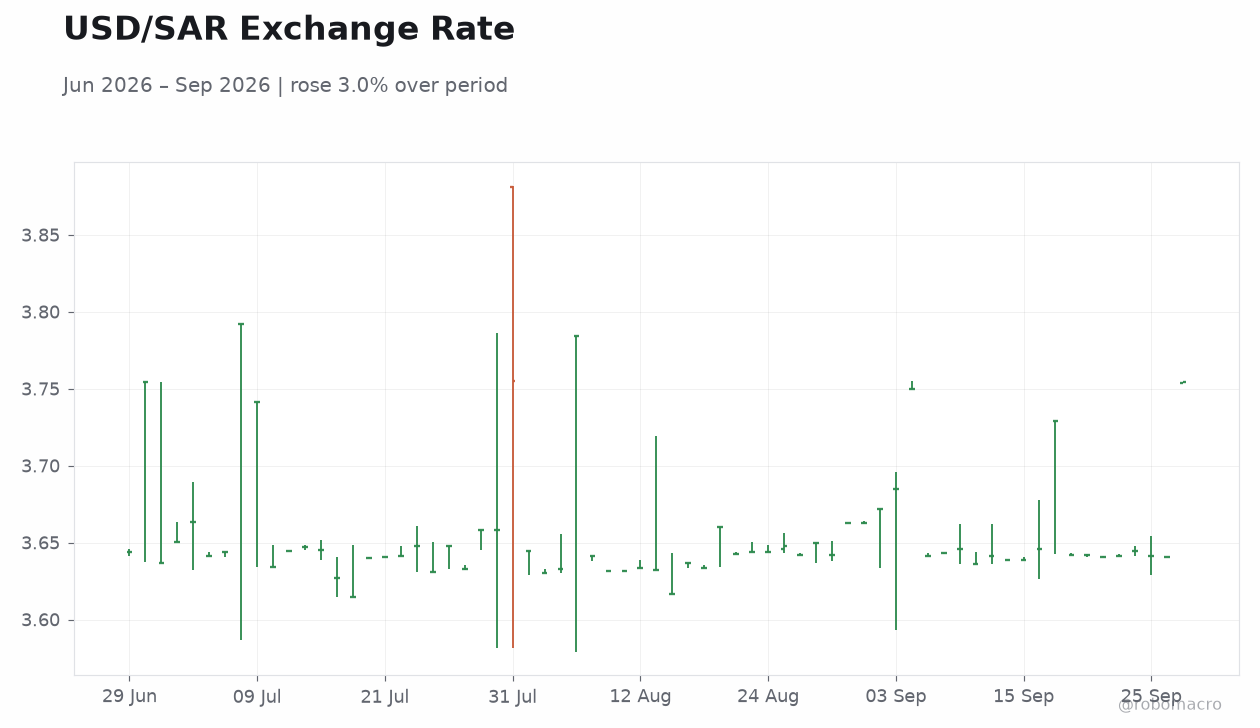
| USD/SAR | 3.75 | +3.11% |
| USD/AED | 3.67 | +0.03% |
| USD/KWD | 0.31 | -0.18% |
| Bitcoin | 82,893.97 | -1.85% |
Prior Economic Events
| Data | Prior | Cons | Actual |
|---|---|---|---|
| No events available | |||
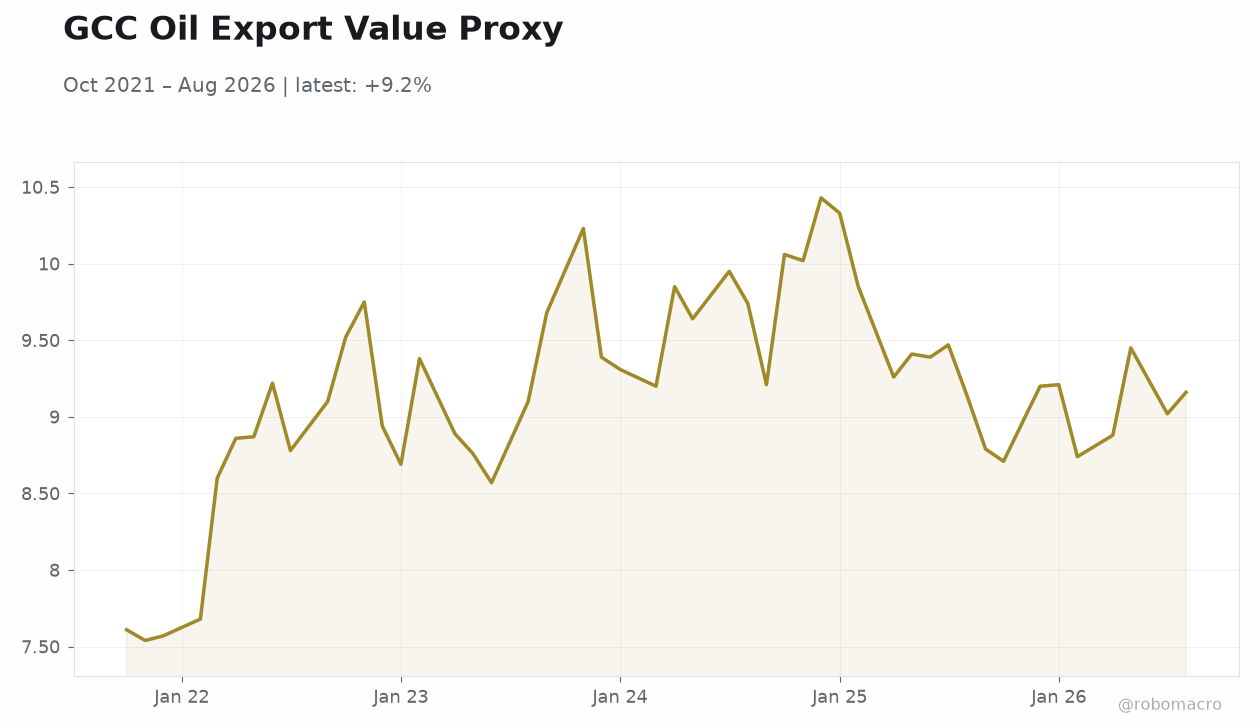 GCC Oil Export Value Proxy | Type: macro_line | Index: 9.16 (2026-08-01) | Range: 7.54–10.43 | Trend(5pt): 7.61,8.94,9.85,9.39,9.16
Today's Economic Events
| Data | Prior | Cons | Time |
|---|---|---|---|
| No events available | |||
- Houthi attacks on Saudi facilities raise supply-risk premia, lifting oil prices 3%.
- Saudi Aramco and MSCI Saudi advance while Brent eases and MSCI Kuwait declines.
- No PMI, CPI or fiscal data released across any GCC market yesterday.
Yesterday's Recap
Houthi attacks on Saudi energy infrastructure triggered fresh supply concerns, prompting France to deploy defensive troops and radar systems to the Yanbu oil port. French Foreign Minister Jean-Noel Barrot described the deployment as strictly defensive. Saudi Foreign Minister Prince Faisal bin Farhan called for comprehensive regional navigation security at the UN General Assembly.
Iran’s President Masoud Pezeshkian offered to mediate talks between Saudi Arabia and Yemen. Equity markets reflected the risk premium: Saudi Aramco rose 0.55% to 25.78 and MSCI Saudi gained 0.43% to 37.05, while MSCI UAE edged 0.25% higher. MSCI Qatar fell 0.21% and MSCI Kuwait dropped 0.62%.
Brent settled at 99.39 after a 4.73% decline, contrasting with WTI’s 1.64% gain to 93.93. Gold fell 3.53% to 4,168.70 amid the mixed energy moves. USD/SAR strengthened 3.11% to 3.75 while USD/AED rose 0.03% to 3.67 and USD/KWD eased 0.18% to 0.31.
Bitcoin fell 1.85% to 82,893.97. No economic indicators were published for Saudi Arabia, UAE, Qatar, Kuwait, Oman or Bahrain.
The Day Ahead
No PMI, GDP, inflation or trade releases are scheduled for any GCC economy on 29 September. No central-bank meetings, sovereign auctions or OPEC+ gatherings appear on the calendar. Markets will continue to monitor Red Sea shipping lanes and Houthi activity for further supply signals.
Ongoing force-majeure extensions on Qatar LNG cargoes may keep European and Asian buyers on alert. Regional diplomacy, including Mansour bin Zayed’s planned visit to Saudi Arabia, could influence sentiment around security cooperation. UAE tourism projects scheduled for 2026 continue to advance despite regional tensions, supporting non-oil growth targets.
Other Economic Notes
Saudi Arabia’s war-economy pressures are testing the pace of Vision 2030 diversification as fiscal balances remain exposed to oil volatility. Qatar’s extended LNG force majeure highlights vulnerability of export revenues to Strait of Hormuz disruptions. Kuwait’s new centralised wage-payment system aims to improve private-sector transparency without altering near-term fiscal metrics.
Broader GCC sovereign credit metrics stay anchored to oil-price trajectories and USD peg stability. ↓ p.2