GCC Macro Daily(Beta Mode)
"Hormuz Risk Premium Builds; Non-Oil Holds"
Market Snapshot
| Asset | Level | Change |
|---|---|---|
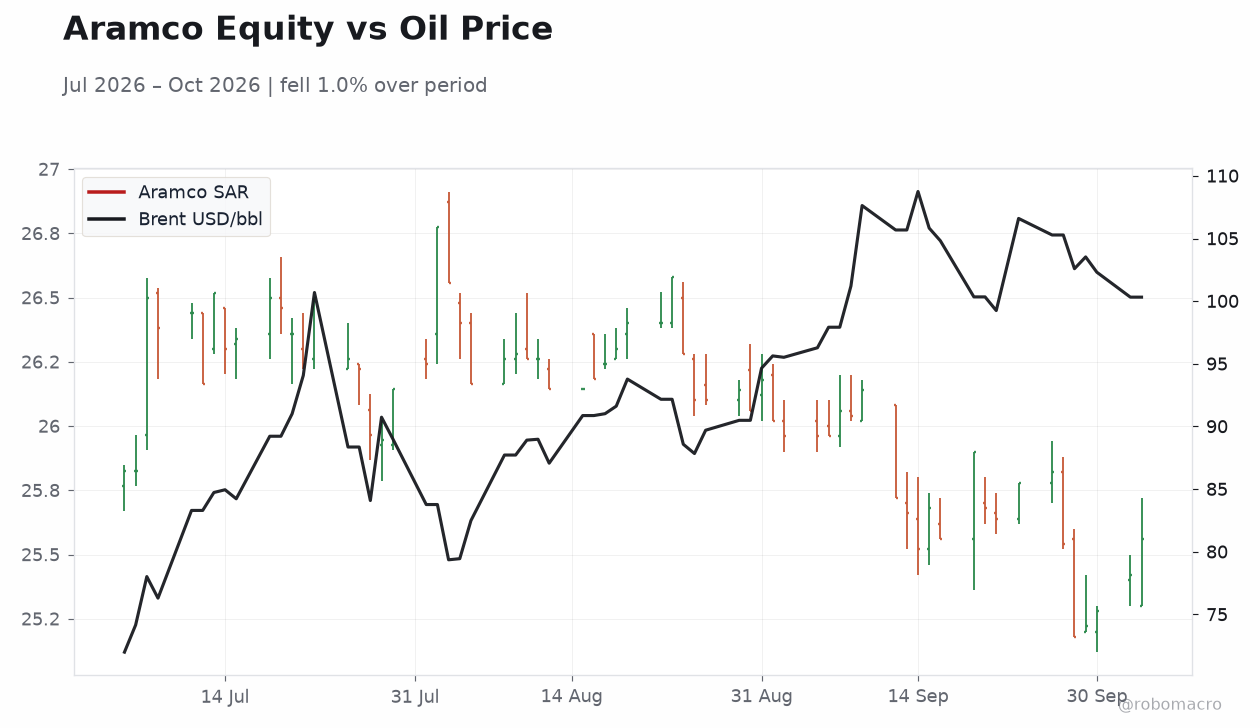
| Saudi Aramco | 25.80 | +0.94% |
| MSCI Saudi | 36.88 | +0.97% |
| MSCI UAE | 19.74 | -0.08% |
| MSCI Qatar | 16.35 | +0.37% |
| MSCI Kuwait | 35.94 | +0.00% |
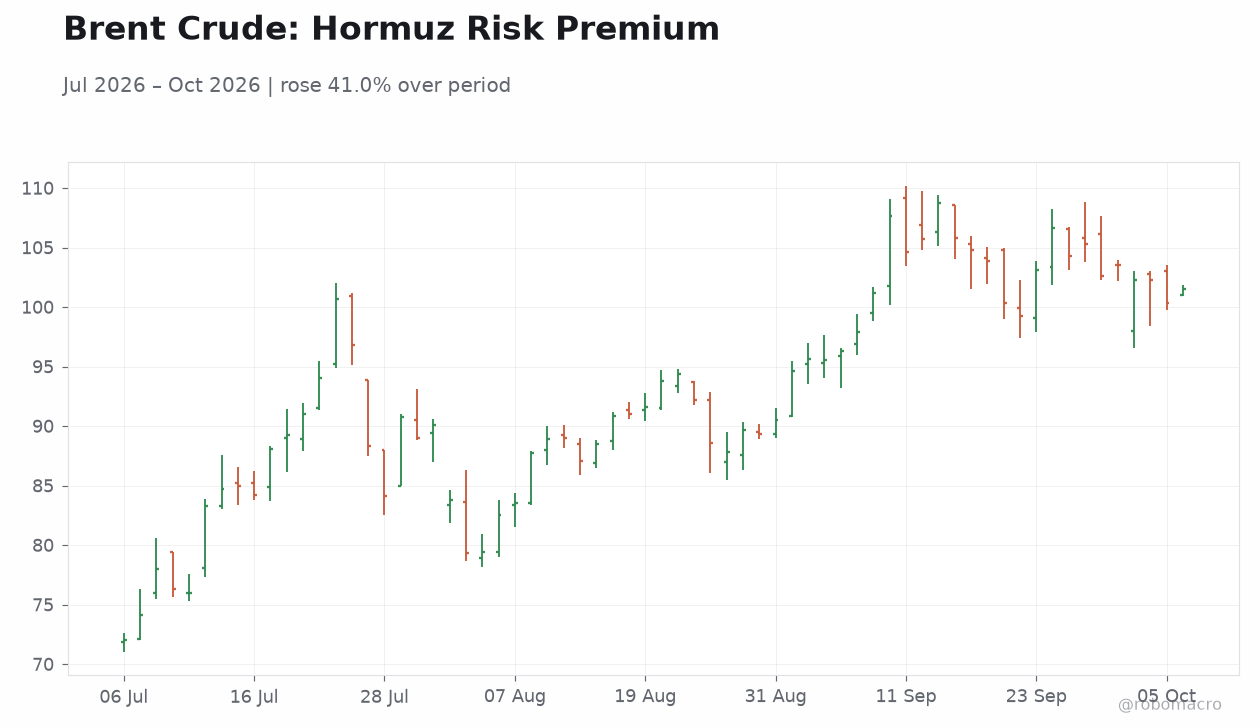
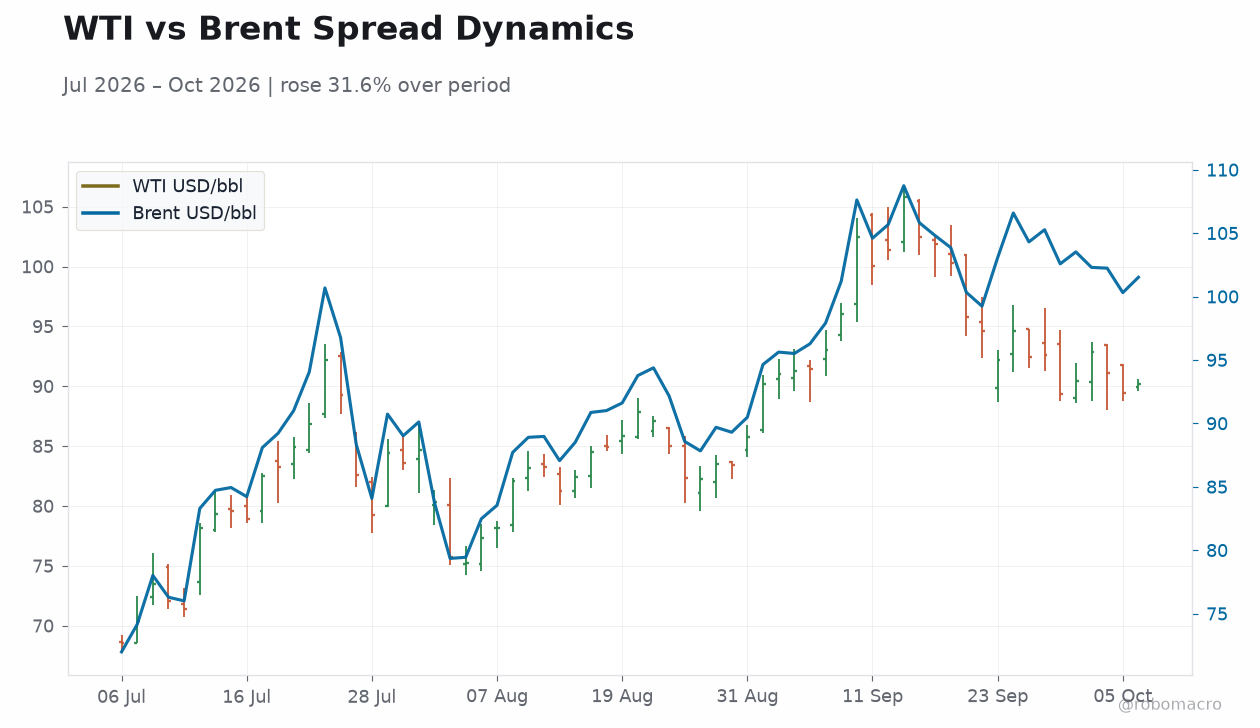
| Brent Crude | 101.48 | +0.89% |
| WTI Crude | 90.21 | +0.87% |
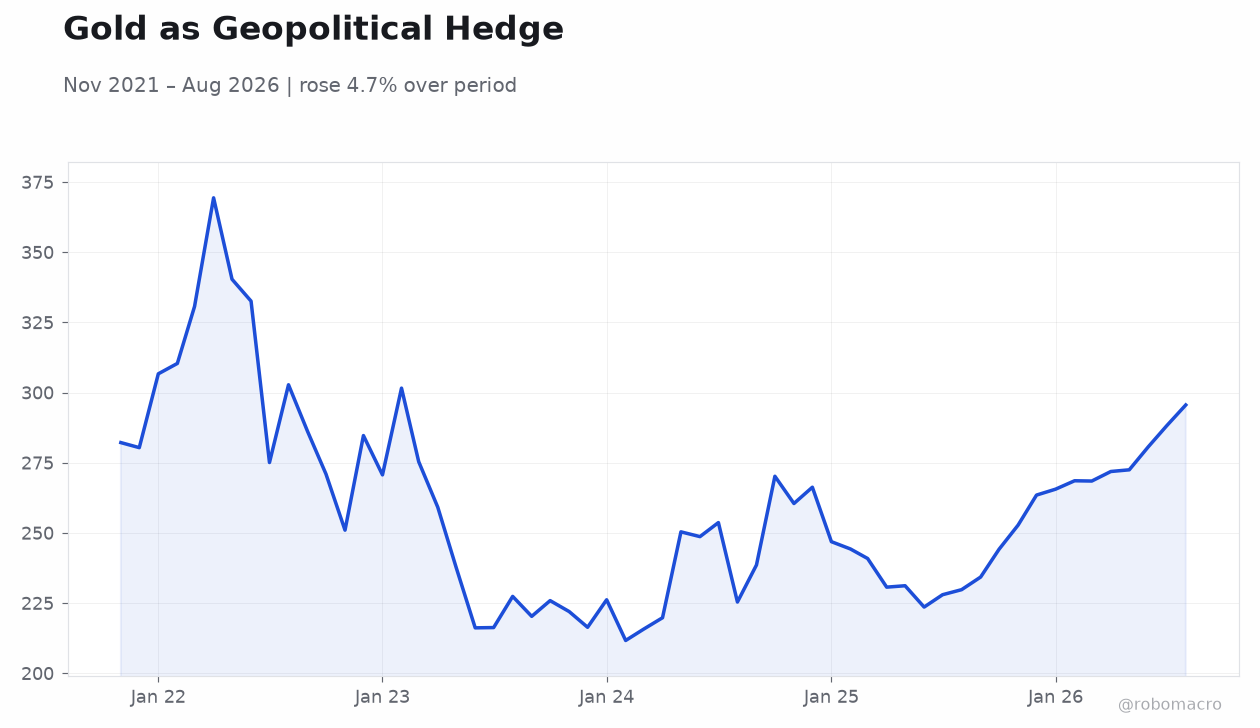
| Gold | 4,168.70 | +0.29% |
| USD/SAR | 3.75 | +3.41% |
| USD/AED | 3.67 | +0.03% |
| USD/KWD | 0.31 | -0.26% |
| Bitcoin | 84,045.10 | -2.03% |
Prior Economic Events
| Data | Prior | Cons | Actual |
|---|---|---|---|
| No events available | |||
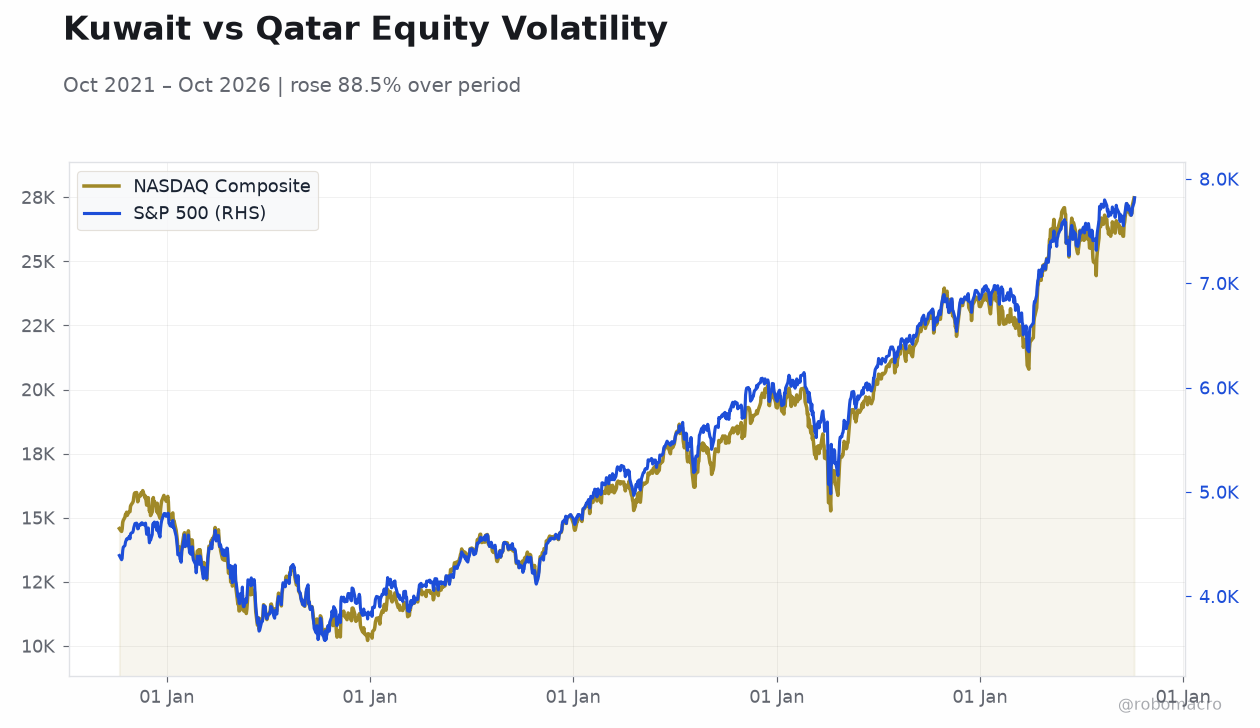 Kuwait vs Qatar Equity Volatility | Type: macro_line | NASDAQ Composite: 2.748e+04 (2026-10-05) | Range: 1.021e+04–2.748e+04 | Trend(5pt): 1.458e+04,1.057e+04,1.625e+04,2.061e+04,2.748e+04 | S&P 500: 7819 (2026-10-06) | Range: 3577–7819 | Trend(5pt): 4391,3895,5202,6263,7819
Today's Economic Events
| Data | Prior | Cons | Time |
|---|---|---|---|
| No events available | |||
- Saudi Arabia's non-oil PMI improved in September on stronger domestic orders, though the Iran conflict continues to cloud the growth outlook
- Brent held near $101.50 and WTI near $90 as Saudi Arabia and six OPEC peers maintained output targets; Aramco's CEO warned a Hormuz inventory recovery could take two years
- Kuwait's oil output remains at roughly 75% of prewar levels as tanker transits through the Strait of Hormuz gradually recover
Yesterday's Recap
Saudi Arabia's non-oil economy expanded in September, with the latest survey pointing to a pickup driven by stronger domestic demand and new orders, even as firms continued to flag the drag from the US–Iran conflict. The reading confirms that the Kingdom's diversification push — logistics, tourism, and construction under Vision 2030 — is cushioning the economy against oil-market volatility. The UAE's private sector also moved past its mid-year slowdown, with non-oil activity holding a firm growth trajectory despite the regional war, reinforcing the picture of two-speed but resilient Gulf expansions.
In equity markets, Saudi names led gainers: Saudi Aramco rose 0.94% to 25.80 and the MSCI Saudi index climbed 0.97%, while MSCI Qatar added 0.37%. MSCI UAE slipped marginally, down 0.08%, and MSCI Kuwait was flat. Energy markets firmed, with Brent up 0.89% to $101.48 and WTI gaining 0.87% to $90.21, supported by supply-risk premium around the Strait of Hormuz.
Gold edged up 0.29% to $4,168.70, while Bitcoin fell 2.03% to $84,045 as risk appetite stayed guarded.
The Day Ahead
Attention stays on the physical oil market as Hormuz transit volumes and insurance rates remain the key swing factors for GCC fiscal and current-account outlooks. Watch for further detail on Gulf producers' output plans, with Saudi Arabia and the UAE reportedly working to raise Asian crude storage reserves — a signal of commitment to supply security for key buyers. Qatar's LNG and condensate flows through the strait remain in focus after QatarEnergy's $3 billion loan from Chinese banks underscored the financing depth behind its expansion.
Equity flows into Saudi and UAE markets will be tested after yesterday's divergence, with Aramco's share price a proxy for regional risk sentiment. Any updates on UAE flight disruptions and passenger logistics will offer a real-time read on how the conflict is impinging on Gulf mobility and tourism. Kuwait's production-restoration timeline — still at 75% of prewar levels — is the number to watch for the pace of supply normalization.
Other Economic Notes
Saudi Arabia's role in global remittance flows is growing even as UAE remittances decline, a sign of shifting expatriate labor dynamics with fiscal implications for household consumption in the Kingdom. ↓ p.2