GCC Macro Daily(Beta Mode)
"Houthis Hit Aramco; Oil Holds Near $105"
Market Snapshot
| Asset | Level | Change |
|---|---|---|
| Saudi Aramco | 25.74 | -0.39% |
| MSCI Saudi | 36.06 | -0.08% |
| MSCI UAE | 19.32 | +0.10% |
| MSCI Qatar | 15.99 | -0.28% |
| MSCI Kuwait | 36.02 | +0.67% |
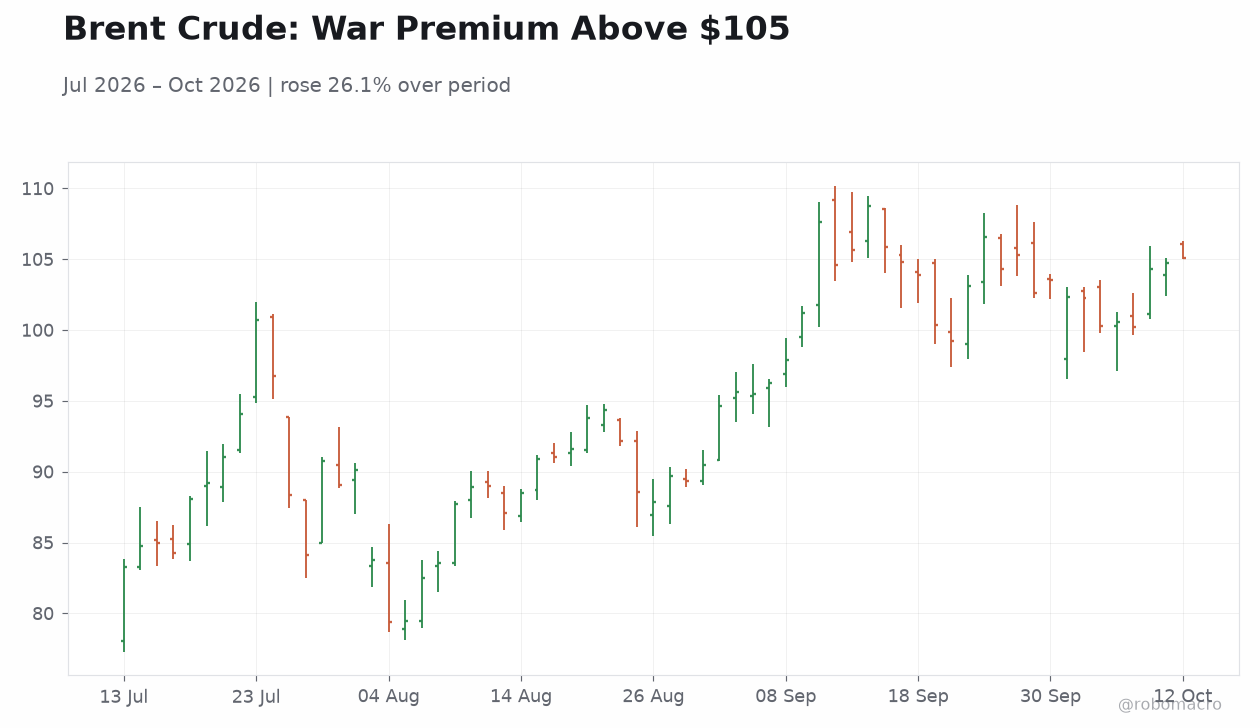
| Brent Crude | 105.02 | +0.29% |
| WTI Crude | 92.21 | +0.39% |
| Gold | 4,201.60 | -0.35% |
| USD/SAR | 3.76 | +3.21% |
| USD/AED | 3.67 | +0.03% |
| USD/KWD | 0.31 | -0.72% |
| Bitcoin | 82,745.13 | -1.12% |
Prior Economic Events
| Data | Prior | Cons | Actual |
|---|---|---|---|
| No events available | |||
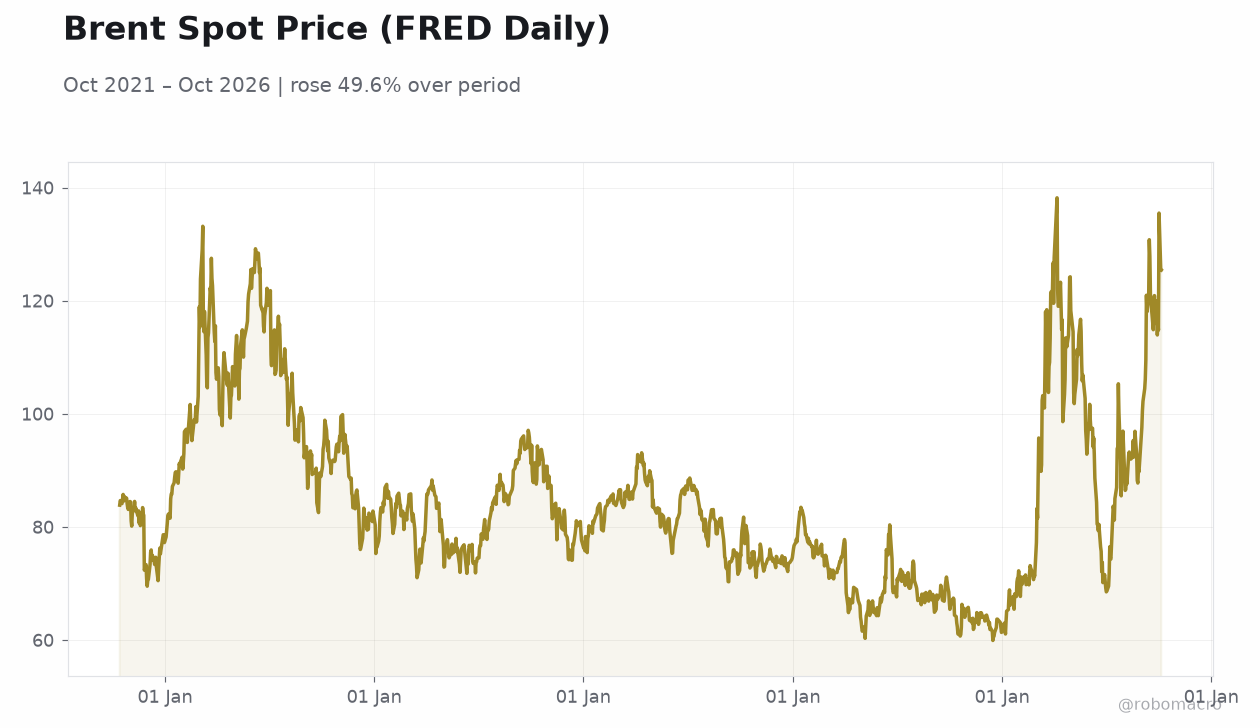 Brent Spot Price (FRED Daily) | Type: macro_line | USD/bbl: 125.4 (2026-10-06) | Range: 59.93–138.2 | Trend(6pt): 83.86,82.59,91.49,71.98,125.5,125.4
Today's Economic Events
| Data | Prior | Cons | Time |
|---|---|---|---|
| No events available | |||
- Escalating Houthi attacks on Saudi territory and Red Sea shipping threaten Aramco infrastructure and investor confidence, keeping a war premium in Brent above $105.
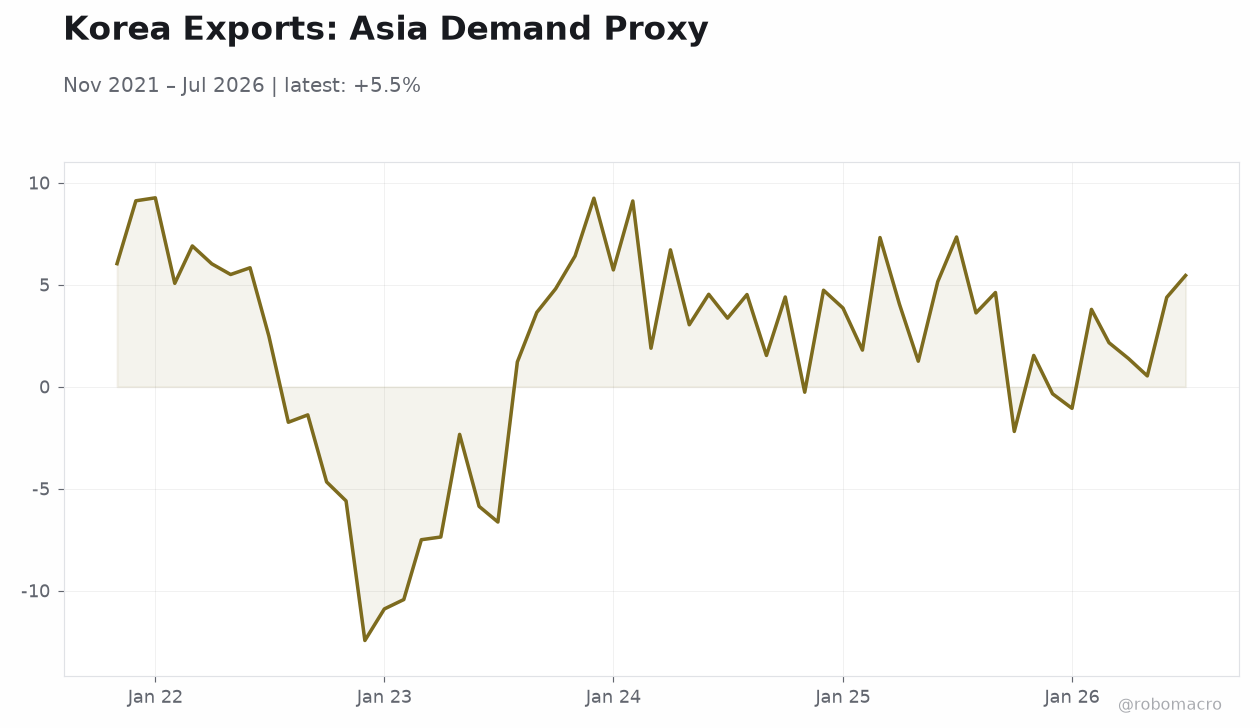
- OPEC slashed its 2026 global demand growth forecast to 400,000 bpd, while GCC energy ministers signed a wave of cooperation MoUs with Japan, Asia and Africa.
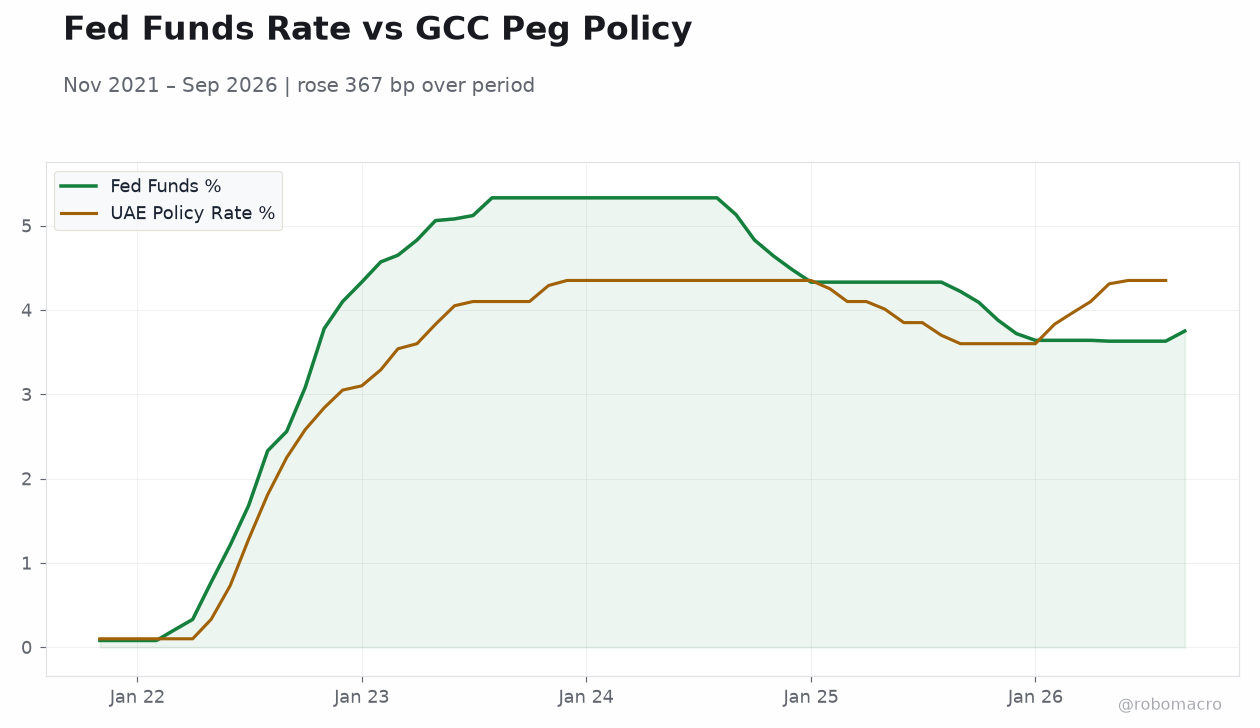
- GCC equities were mixed but resilient: Kuwait led gainers (+0.67%) while Saudi names slipped as Riyadh flights were disrupted; all pegs held steady.
Yesterday's Recap
Geopolitics dominated the Gulf tape as Houthi strikes inside Saudi Arabia escalated markedly, with the group claiming hits that pressure Aramco operations and Riyadh's investor narrative. Saudi Arabia vowed a response, and oil climbed above $106 intraday before settling near $105, with Brent up 0.29% at $105.02 and WTI at $92.21 (+0.39%). The security deterioration forced widespread flight disruption: Emirates, Etihad, flydubai and Air Arabia cancelled or delayed Riyadh, Dammam and Jeddah services, severing a key UAE–Saudi air corridor and hitting weekend travel and business flows.
Equity markets absorbed the noise with relative calm — MSCI Kuwait rose 0.67%, MSCI UAE edged up 0.10%, while MSCI Saudi slipped 0.08% and MSCI Qatar fell 0.28%. Saudi Aramco shares dipped 0.39% to 25.74 as investors weighed war risk against the higher oil price. On the diplomatic front, the Iraqi PM planned visits to Saudi Arabia and Kuwait, and Bangladesh sought stronger energy ties with Riyadh and Doha, underscoring the Gulf's central role in Asian LNG and crude security.
Gold eased 0.35% to $4,201.60 and Bitcoin fell 1.12% to $82,745, a modest risk-off tone in global assets.
The Day Ahead
Attention stays on the Saudi–Houthi escalation cycle and any Aramco operational updates, with markets watching for confirmation of damage to export terminals or Red Sea shipping lanes. OPEC and non-OPEC ministers stressed the critical importance of safeguarding international maritime routes, so further statements on convoy protection and Hormuz transit are likely. The Iraqi PM's visits to Riyadh and Kuwait should yield energy and investment headlines.
Watch for follow-through on the Saudi–UAE endorsement of Japan's plan to strengthen Asian oil reserves, which deepens Gulf–Asia energy security ties. Kuwait's new mortgage financing law for housing beneficiaries could support domestic credit growth data in coming months. Flight-resumption timelines from Etihad and Qatar Airways to Saudi cities will signal how sustained the disruption is.