GCC Macro Daily(Beta Mode)
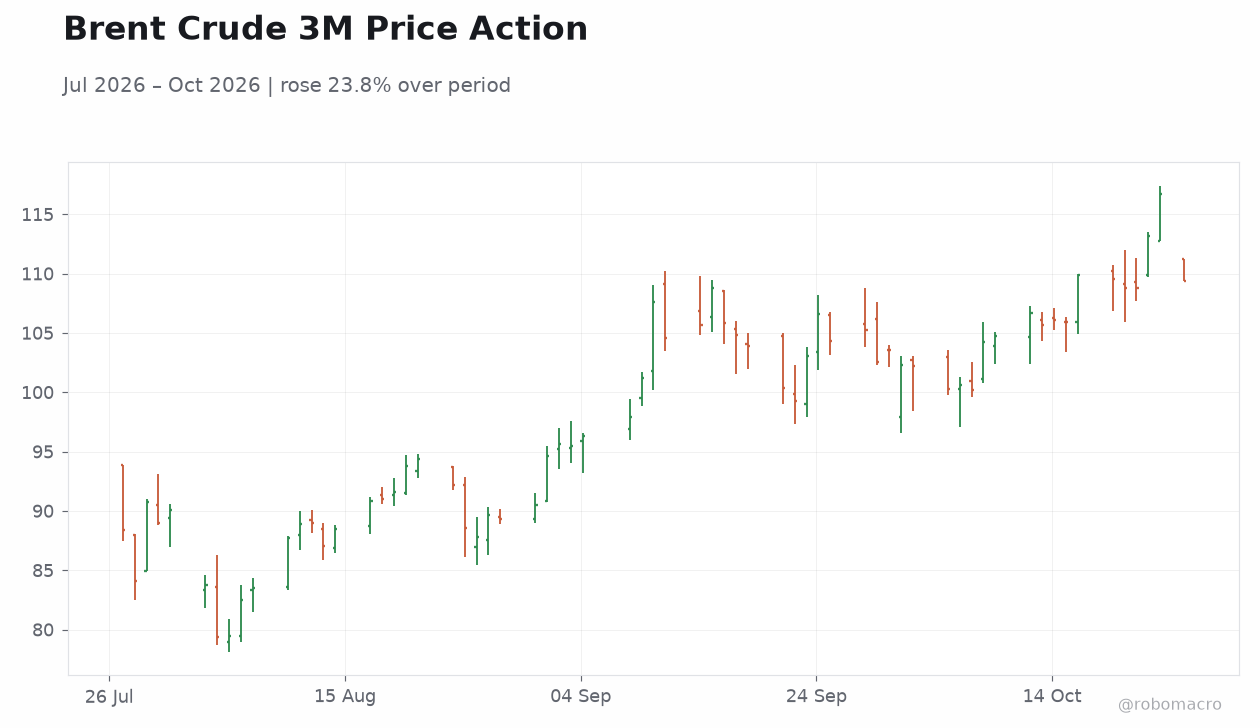
Houthi Attacks on Saudi Send Brent Plunging 6%
Market Snapshot
| Asset | Level | Change |
|---|---|---|
| Saudi Aramco | 25.40 | -0.70% |
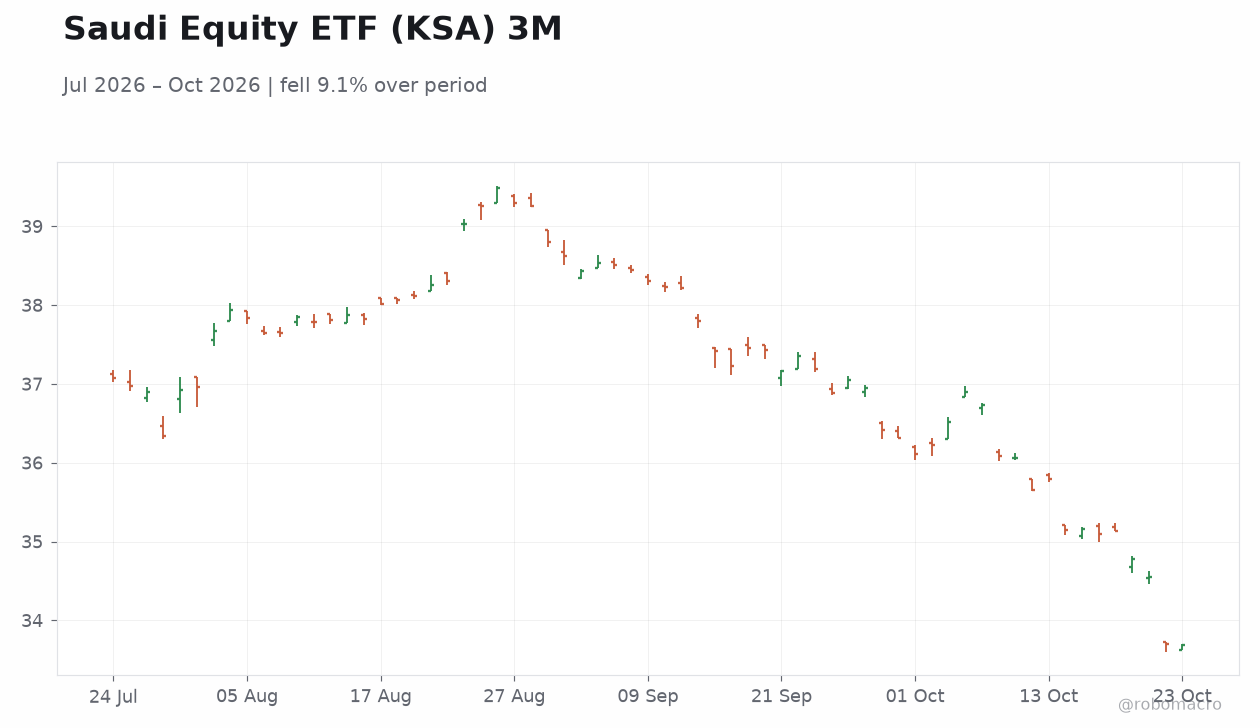
| MSCI Saudi | 33.69 | -0.03% |
| MSCI UAE | 19.05 | -1.14% |
| MSCI Qatar | 15.18 | -0.74% |
| MSCI Kuwait | 34.32 | -0.71% |
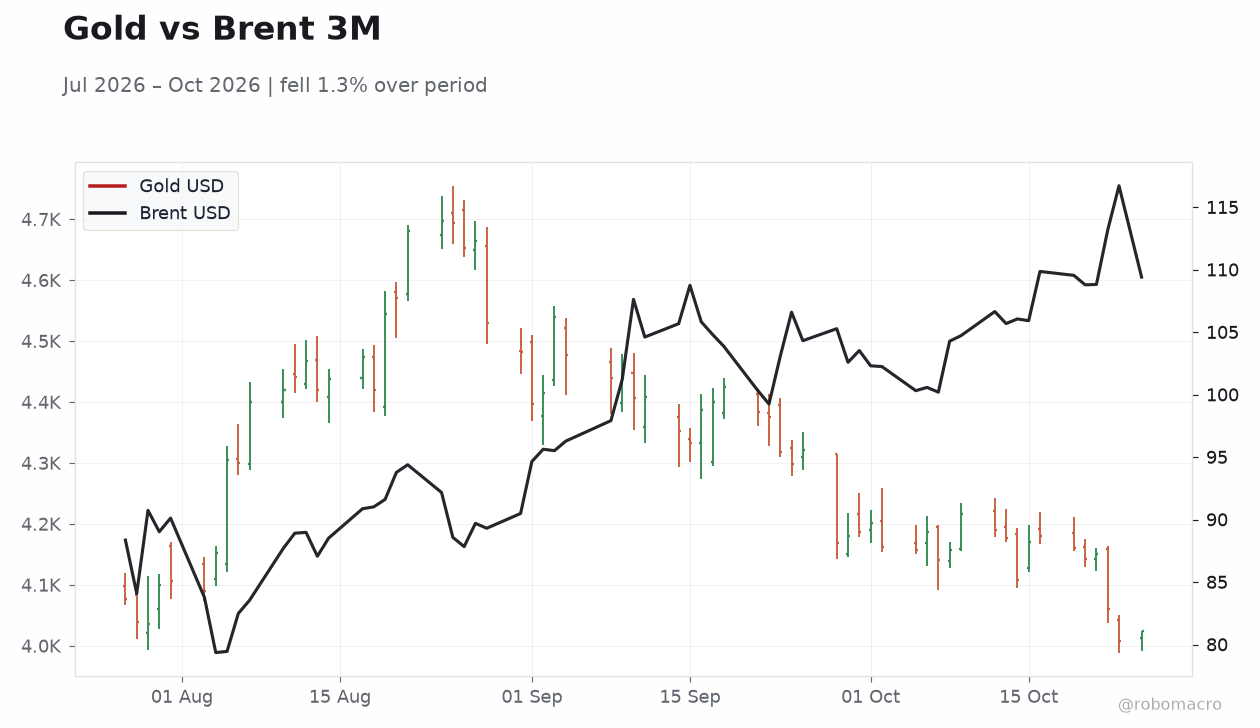
| Brent Crude | 109.42 | -6.25% |
| WTI Crude | 101.02 | -2.18% |
| Gold | 4,022.20 | +0.36% |
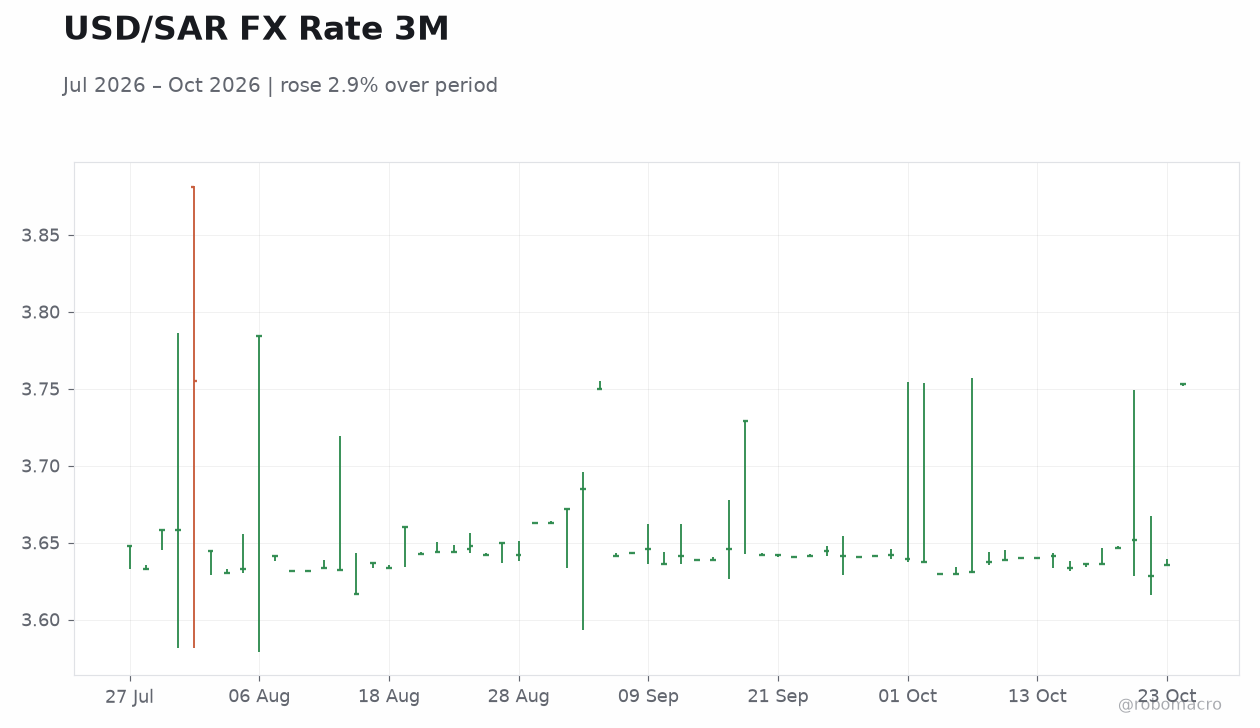
| USD/SAR | 3.75 | +3.24% |
| USD/AED | 3.67 | +0.03% |
| USD/KWD | 0.31 | -0.63% |
| Bitcoin | 79,538.22 | -1.55% |
Prior Economic Events
| Data | Prior | Cons | Actual |
|---|---|---|---|
| No events available | |||
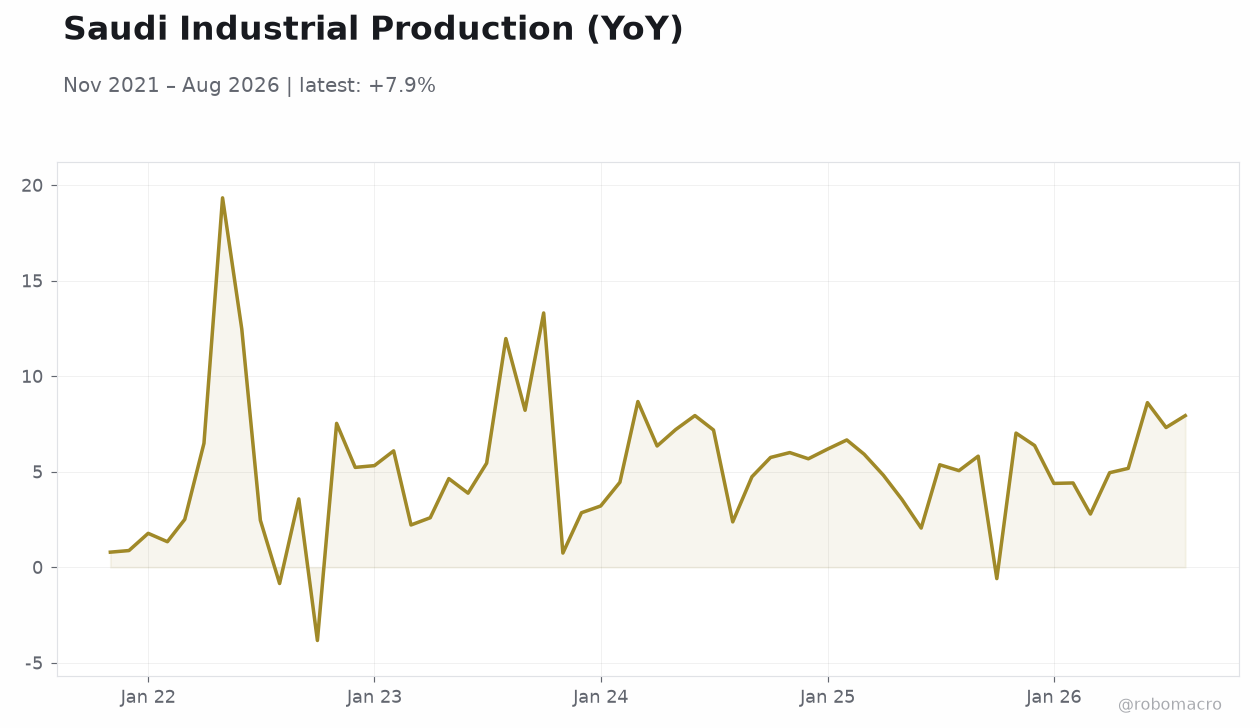 Saudi Industrial Production (YoY) | Type: macro_line | Index YoY %: 7.935 (2026-08-01) | Range: -3.835–19.33 | Trend(6pt): 0.7882,5.318,8.671,3.545,7.313,7.935
Today's Economic Events
| Data | Prior | Cons | Time |
|---|---|---|---|
| No events available | |||
- Houthi missile and drone attacks on Saudi targets prompted security alerts in Riyadh and Najran while coalition forces intercepted multiple projectiles.
- Brent crude fell 6.25% to 109.42 and regional equities declined, led by a 1.14% drop in MSCI UAE amid flight cancellations and an oil spill closing Ras Al-Khaimah beaches.
- No macroeconomic data releases occurred across GCC markets yesterday, leaving geopolitical developments and crude price action as the dominant drivers.
Yesterday's Recap
Saudi-led coalition forces intercepted two Houthi drones and additional missiles aimed at Saudi territory, triggering air-raid alerts in Riyadh and Najran. The incidents underscore persistent Red Sea supply risks for GCC energy exports. In the UAE, an oil spill forced closure of all beaches in Ras Al-Khaimah while Etihad and flydubai cancelled multiple Abu Dhabi–Saudi flights through October 29.
Equity markets reflected the unease, with MSCI UAE falling 1.14% to 19.05, MSCI Qatar down 0.74% to 15.18 and MSCI Kuwait off 0.71% to 34.32. Saudi Aramco shares declined 0.70% to 25.40 while Brent’s 6.25% drop overshadowed a modest 0.36% gain in gold to 4,022.20. Saudi Arabia also postponed two major statistical forums until 2027.
Oman continued to attract digital-economy investment interest despite the regional tension. No central-bank policy meetings or inflation prints were scheduled or released in any GCC member state.
The Day Ahead
Markets will monitor ongoing Houthi activity around the Bab al-Mandab strait and any further flight or shipping disruptions. No official data releases are listed for Saudi Arabia, the UAE, Qatar, Kuwait, Oman or Bahrain. Traders will focus on crude inventory reports and any updates on OPEC+ compliance.
Regional equity desks expect continued sensitivity to Red Sea headlines rather than domestic fundamentals. Sovereign CDS spreads may tighten or widen depending on the scale of any new security incidents. Currency pegs remain stable, with USD/SAR holding at 3.75 and USD/AED at 3.67.
Other Economic Notes
Saudi Arabia’s decision to delay statistical forums highlights the priority given to security logistics over non-essential events. Oman’s push to attract digital-economy capital aligns with broader GCC efforts to diversify away from hydrocarbons. The economic role of women continues to expand in Saudi Arabia under Vision 2030 targets, supporting longer-term non-oil growth.
↓ p.2